

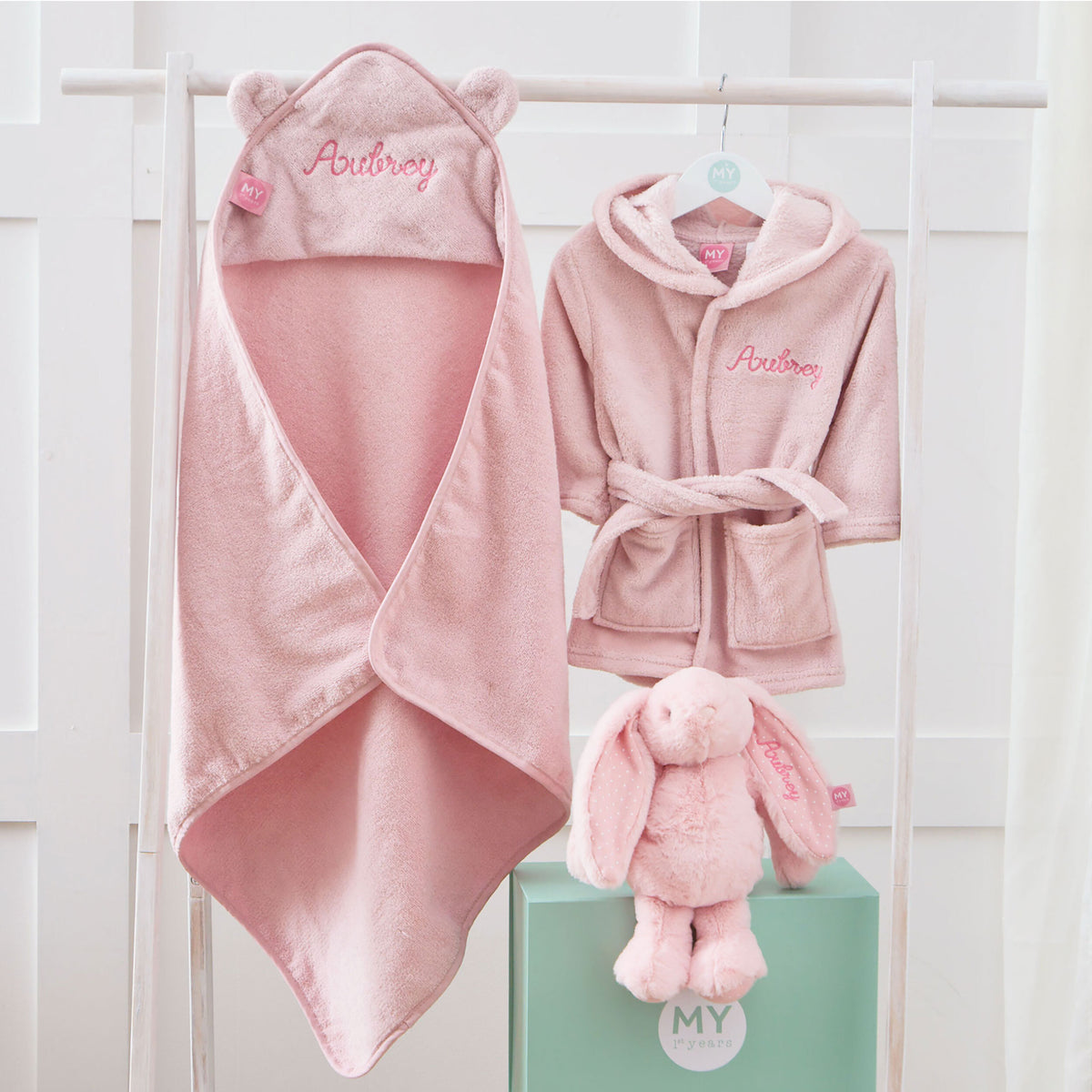


Which tiny keepsakes from a baby’s earliest days best capture who they were, and will still mean something years later? Creating a baby keepsake box gathers those scattered mementoes into a single living archive that helps preserve memories and strengthen family bonds.
This guide explains how to establish simple rituals, choose a sturdy keepsake box, organise its contents, gather meaningful keepsakes and note why they matter, and personalise items with short stories and care notes. Follow these steps to protect fragile treasures, turn objects into family stories, and assemble a box that will be cherished and handed down for years to come.

Create meaningful rituals to deepen family bonds
Begin with a short, simple ceremony whenever something new joins the keepsake box: invite the person who brought it to say aloud why it matters, write a brief note to accompany the item, photograph it before storing, and record who contributed it in a running log. Sharing the story at the moment of acquisition turns objects into stories the child can return to later, making memories easier to recall and strengthening family bonds. Encourage relatives to write dated, sealed letters addressed to the child for future milestones, and tuck them into the log so the box becomes an organised, chronological collection of keepsakes to open at each stage.
Try holding regular memory nights when the family opens the keepsake box together. Invite each person to choose an item or letter to discuss, and record a short audio or video reflection to capture voice and emotion. Take turns as custodian of the collection, and keep a one-page care checklist for handling, cleaning, and adding new items. Rotating responsibility spreads ownership and reduces the risk of loss or deterioration. Pair tactile keepsakes with a brief contextual note, for example a fabric swatch, a small object, and a one-paragraph account of who used it, how they used it, and why it mattered. These simple rituals and records build an accessible archive that provides context at life transitions and preserves the feelings that plain objects alone cannot convey.
Keep a dated running log for letters, photos, and notes.


Choose a durable keepsake box and plan its organisation
For precious keepsakes, choose a rigid, well-sealed container with tight seams and a secure lid. Test joints and hinges for sturdiness, and select a size that allows organisation without overfilling so items keep their shape. Line and cushion the interior with archival-safe materials: acid-free, buffered tissue and uncoated folders for paper and textiles, polyester sleeves for photographs, and soft, non-abrasive padding for delicate objects. These materials slow acid migration, prevent sticking, and reduce yellowing, helping fragile items remain readable and retain their texture over time.
When organising a keepsake box, choose a modular layout with removable dividers, small boxes or envelopes for tiny items, and clear pockets for photos and documents. This limits handling and prevents fragile pieces from rubbing against heavier objects. Group items by type or theme, number compartments so you can locate things without unnecessary exposure, and attach concise labels noting provenance, dates, and brief descriptions. Keep a master index inside the lid and save a digital copy to make the collection straightforward to share with family. Protect the box from strong light and temperature swings, include silica gel packets or other desiccants in breathable pouches, and store the box off the floor. Inspect it periodically for mould or pests so you can refresh desiccants and address issues before they cause damage. Thoughtful organisation helps these small treasures last and keeps their stories intact.
Sturdy wooden box with secure clasp; use archival tissue lining.


Gather meaningful keepsakes and record the story behind them
When you collect small physical mementos, record where and when they came from. Place items such as a first curl, hospital wristband, or lost tooth in an acid-free envelope or breathable pouch, and label each one with the child’s name, who kept it, and a brief note describing the circumstance and the feeling behind saving it, so future family members can understand the why as well as the what. For clothing, include either the whole garment or a swatch plus a photograph of the child wearing it, stitch a small fabric tag with a one-line memory noting who chose it and what made it special, and pack with acid-free tissue to reduce discolouration and fabric breakdown.
Choose a handful of candid photographs, print or scan them, and give each a concise caption that notes who is pictured, what was happening, and a small detail that might otherwise be forgotten, such as a gift, a joke, or a favourite song playing in the background. Keep original ink or clay hand and foot impressions and make a high-resolution scan, adding a short note about the method used, who made the impression, and sensory details such as texture or faint scent to help recreate the moment later. Collect handwritten notes, short letters, and voice or video recordings from parents, grandparents, and close friends. Use simple prompts such as first impressions, a fond memory, or a wish for the child, and keep both the original and a digital copy to preserve handwriting and tone while making the content easier to share.
Preserve, catalogue, and share keepsakes
- Store items in archival materials, such as acid-free envelopes, tissue, breathable pouches, and sturdy boxes; keep them in a cool, dark place with stable humidity to slow discolouration and fibre breakdown, clean fragile pieces gently, pad sharp edges, and photograph items before packing to record condition.
- Label and catalogue with a simple template that links physical and digital copies: child’s name, item description, who saved it, event or context, and a one-line note about why it was kept; use a consistent file-naming convention for scans and photos so entries can be searched and cross-referenced, and keep at least two separate digital backups.
- Pair images and impressions with concise captions that record who is pictured, what was happening, and an odd detail that would otherwise be forgotten, plus sensory notes such as texture or smell; retain originals like hand and foot impressions and make high-resolution digital scans, recording the method used.
- Capture voices and memory prompts from parents, grandparents, and close friends using short questions such as first impression, a fond memory, and a wish for the child; keep both the original and a digital copy, establish simple family rituals for adding items, and record consent and privacy preferences before sharing.

Personalise keepsakes and capture the stories behind every first
Attach a handwritten provenance tag to each item, noting who gave or made it, their relationship to the child, and why it mattered. Protect each tag in a clear sleeve and scan it so the original handwriting remains accessible. Record short audio or video memories from parents, grandparents, and carers, and link those files to the physical object with a QR code or a clearly labelled filename. Voice, laughter, and tone capture emotional nuance that written notes may miss, and a linked recording lets future family members hear those cues alongside the keepsake. Together, these steps create layered provenance that preserves origin, intent, and feeling, so anyone opening the box later can understand not just what the object is, but the story and emotion that surround it.
Add personalised photo captions and small context cards that name the people pictured, date the occasion, and include a short anecdote so future relatives can identify who is who and understand the moment. Tuck fabric swatches or neatly folded garments with cards describing the texture, scent, any mending, and who wore them, letting tactile details help people imagine the original experience. Gather signed letters, annotated recipe cards, and milestone stories from relatives, then scan and store digital copies alongside the originals so multiple perspectives stay linked to each keepsake.
Attach handwritten tags, scans, audio links, and photo captions together


How to preserve your baby's keepsakes and prepare a memory box to pass down
To preserve the history and significance of your keepsakes, treat each item according to its material and record its provenance. Wrap textiles in acid-free tissue and store them flat to avoid creases. Place paper items in acid-free sleeves and keep them upright in a dry, stable environment. Store metals separately and keep them dry to reduce corrosion, using anti-tarnish cloth or dry containers where possible, and do not use ordinary plastic bags, which trap moisture. Record who each object came from, where you acquired it, and why it matters; attach short captions or tags that identify people in photos and the circumstances so others understand the context. Handle objects with clean hands or cotton gloves, and attach clear care notes to each piece so future handlers know the correct cleaning and handling steps.
Photograph or scan delicate items at high resolution, and convert audio memories into long-lasting formats so they remain usable as technology changes. For example, save images as TIFF or high-quality JPEG, and store audio as WAV or FLAC with an MP3 copy for easy sharing. Keep at least two copies in different places, such as an external hard drive plus a cloud service, so a single fault cannot lose the collection. Place a clearly labelled storage medium inside the keepsake box and add a short migration note that explains the file types, which apps or programmes open them, and where the backups live. That simple guide helps future family members access the files without guesswork. Create an inventory that lists every item, flags fragile pieces, and specifies cleaning or care steps. Name a preferred recipient or custodian for the collection, and print the paperwork on durable, archival-quality paper to sit safely in the box. Finish with a personalised letter, a few conversation prompts, and a short how-to for hosting a reveal so the memories get shared and family bonds grow stronger.
A baby keepsake box converts disparate keepsakes into a lasting, organised collection that makes it easy to revisit the memories attached to each item. Simple rituals, such as dating and labelling objects, noting who they came from, and adding a photo or short voice recording, protect fragile pieces and capture why they matter. Over time, those small details help family members share memories, pass on stories, and build a meaningful archive you can return to again and again.
From establishing brief family ceremonies to choosing archival-safe materials, each section offers practical steps to slow deterioration, reduce handling, and make future retrieval straightforward. Start with a single item, attach a small provenance note (who gave it, when, and the story behind it), and agree a plan for shared stewardship so the box becomes a living heirloom that reconnects people at milestones and preserves the memory, not just the object.
FAQ
What items belong in a baby keepsake box?
Include small physical mementos such as a curl, hospital wristband, first lost tooth, clothing or a fabric swatch with a photo of the child wearing it, a few candid photographs with captions, hand and foot impressions, handwritten notes or letters, and short voice or video recordings from family.
How should I store and protect fragile keepsakes?
Use a rigid container with a secure lid lined with archival-safe materials like acid-free, buffered tissue and polyester sleeves for photos, place small objects in breathable pouches rather than standard plastic bags, keep the box in a cool, dark place with stable humidity, elevate it off the floor, include drying packets, and inspect periodically for mould or pests.
How do I record provenance and why an item matters?
Attach a brief provenance tag or note that names the child, who saved the item, the event or context, and a one-line reason it was kept, photograph the object, log who added it and when, and scan or record any handwritten tags or spoken memories to preserve tone and handwriting.
When and how should family members interact with the box to strengthen bonds?
Hold periodic memory nights to open the box together, invite the contributor to state the item’s meaning aloud, photograph and add a note or recording at the moment of acquisition, record short audio or video reflections, and use rotating custodianship and a one-page care checklist to share stewardship.
How can I prepare the keepsake box to pass it on and preserve digital copies?
Digitise delicate items with high-resolution scans and convert audio to common archival formats, keep at least two separate digital backups, include a labelled storage medium and a simple migration note inside the box explaining file types and backup locations, and create an inventory that lists every item, flags fragile pieces, and names a preferred recipient.


