



How to choose a meaningful Christening gift for a girl or boy
A christening gift should honour the child and support the family, but knowing what to choose can feel overwhelming. Should you pick a timeless keepsake, something parents will use, or a personalised memento that will be treasured?
This guide walks you through gauging the occasion and recipient, striking the right balance between a sentimental keepsake and something practical, personalising with meaningful details, checking safety and materials for longevity, and presenting and preserving the gift with thoughtful etiquette. Read on for clear, practical steps and examples to help you choose a present that is safe, useful, and likely to be treasured.

How to match a gift to the occasion and the recipient
Begin by clarifying the ceremony and the family’s values: is the event religious or secular, and which symbols or inscriptions would they welcome? That simple question will steer you away from costly assumptions and guide your choice between customary keepsakes for a religious service and neutral, practical items for a secular celebration. Finally, match the gift to your relationship with the family and the meaning you intend to convey: do you want to give a lasting heirloom, a useful everyday piece, or a contribution to a larger present?
Start with safety and practicality: match the child’s age and any safety guidance, and choose durable, easy-to-clean, hypoallergenic materials without small parts so the gift remains useful as they grow. Check practical constraints such as storage space, likely clothing sizes, and whether the family welcomes hand-me-downs to reduce the chance the present is unused. Be thoughtful about personalisation: a simple name, initial, or date often becomes a treasured keepsake, while very specific motifs or messages can jar with future tastes. Finally, consider when and how you will present the gift; the timing and thoughtful packaging can influence how the family receives and stores it.
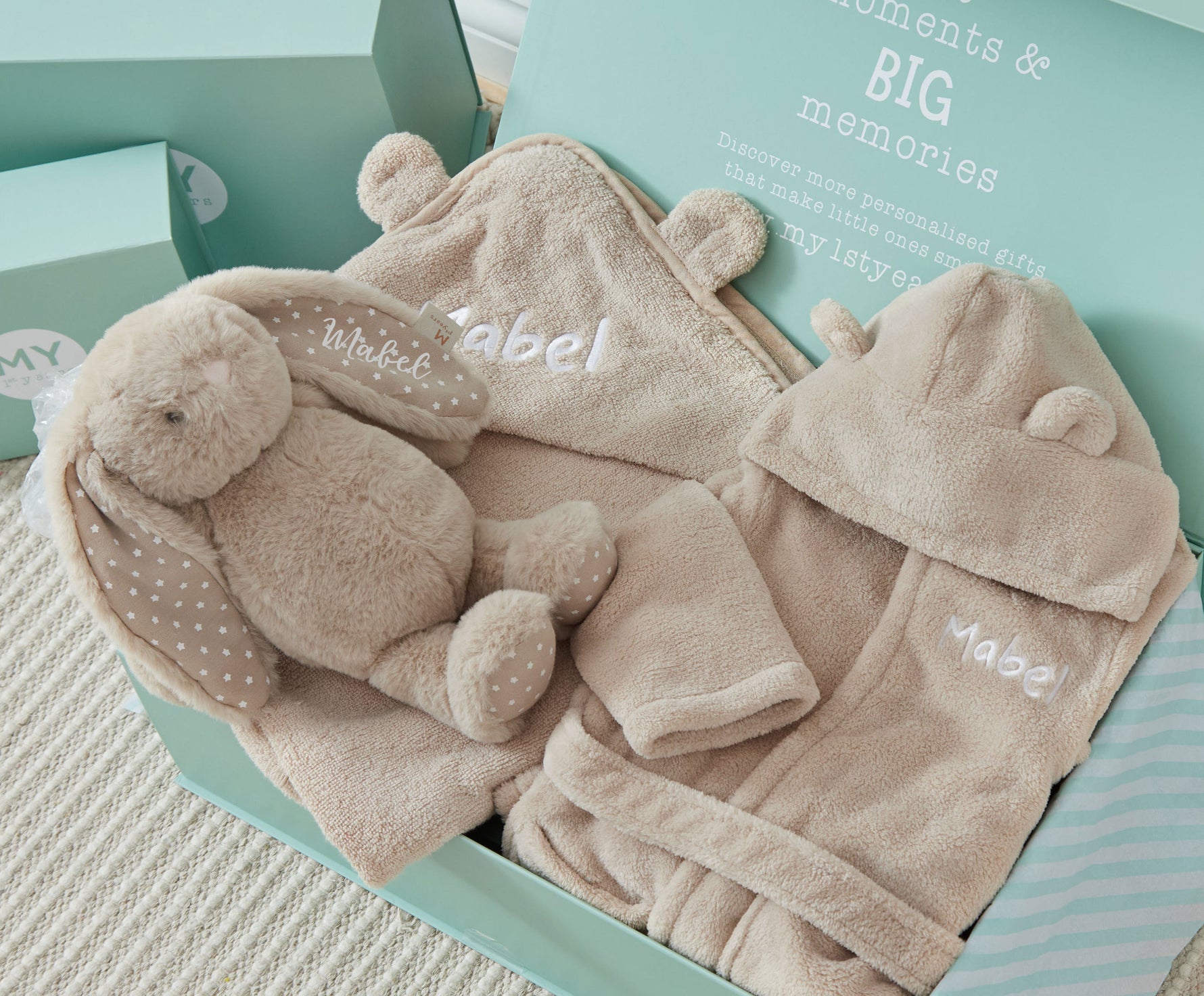
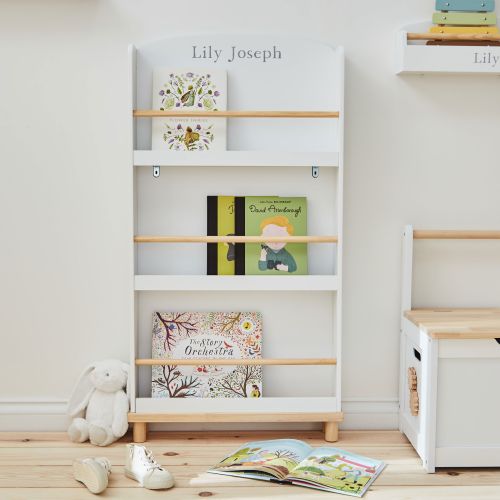
Personalised keepsake set aligned with ceremony, age, and values


How to balance thoughtful keepsakes with practical, everyday baby gifts
Pair a sentimental keepsake with a practical present so the gift feels meaningful and immediately useful. Choose durable decorative pieces for long-term display, and pair them with high-use items the family will reach for every day. Pick materials with care, favouring solid metals and glazed ceramics that resist wear, and fabrics that are machine-washable, breathable, and hypoallergenic to reduce maintenance and make continued use more likely. Opt for adaptable designs, such as clothing with adjustable features or toys that scale with a child’s development, and consider keepsakes that also serve a functional role in the home so the gift stays relevant beyond infancy.
Before you buy, clarify safety and family needs by asking about allergies, storage space, and any cultural or religious preferences. Check that toys and accessories meet recognised safety standards and contain no small, detachable parts that could pose a choking hazard. Include a short, personalised note explaining why you chose the keepsake, and suggest simple ways the family might use it in rituals, displays, or everyday life — for example, as part of a naming ritual, on a nursery shelf, or brought out for special milestones. Encourage the family to record the story behind the object — who gave it, when, and any memories tied to it. Those details help the item gather personal meaning as memories accumulate, making it more likely to become a treasured keepsake rather than an unused memento.
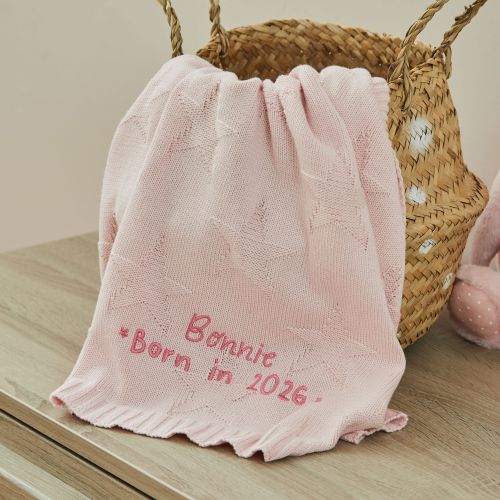
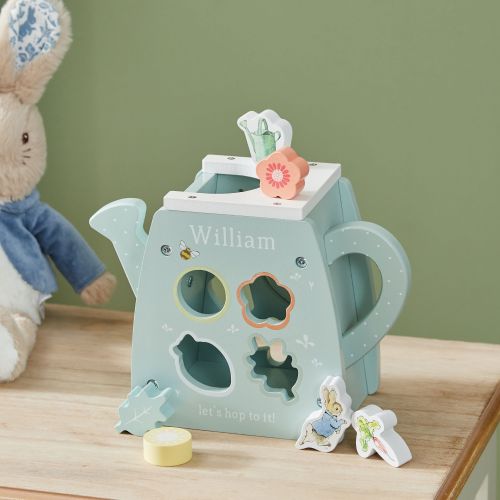
Personalised keepsake paired with practical, machine-washable essentials.


How to personalise keepsakes with meaningful details for every milestone
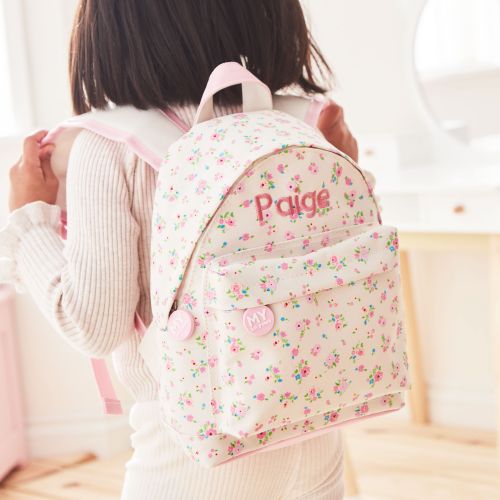
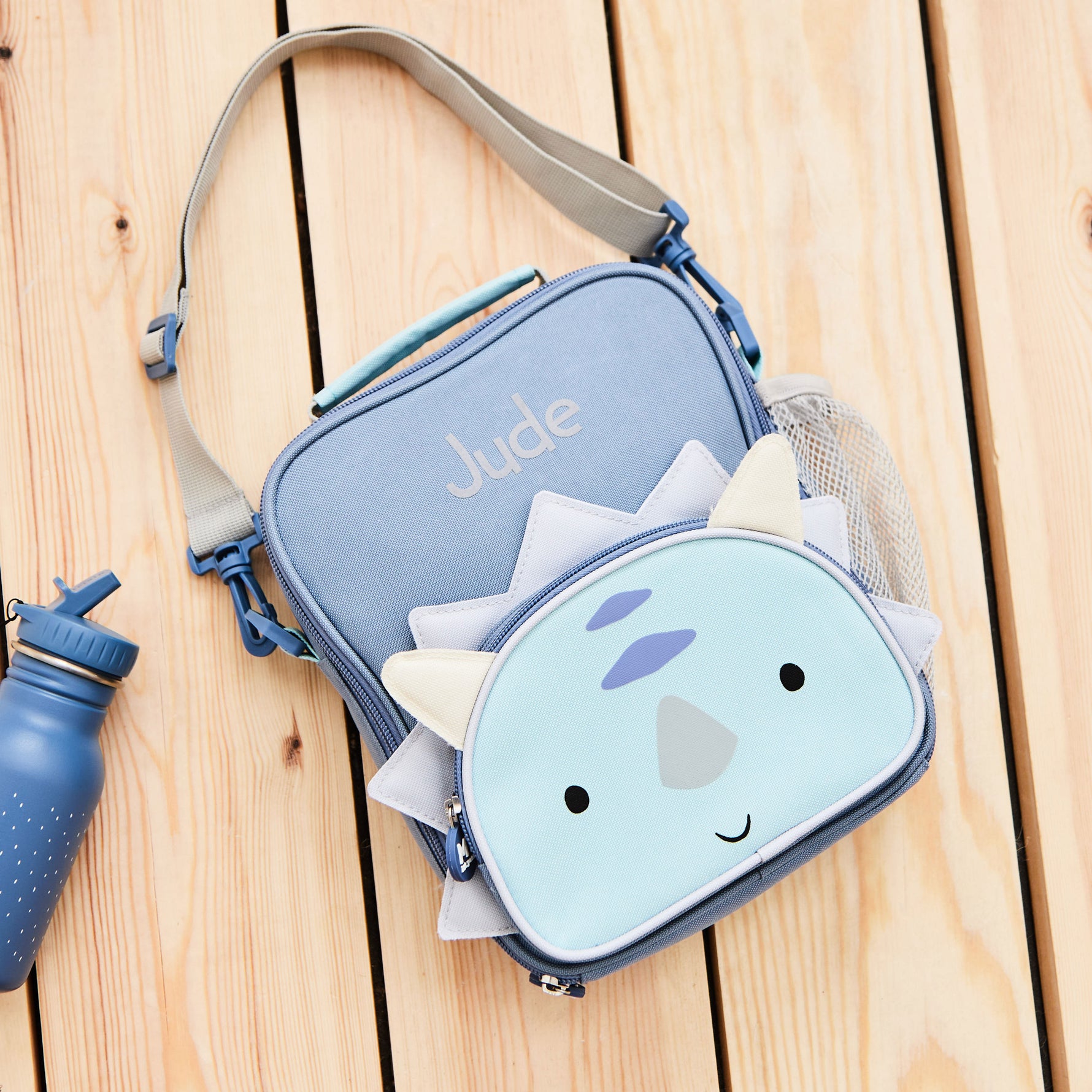
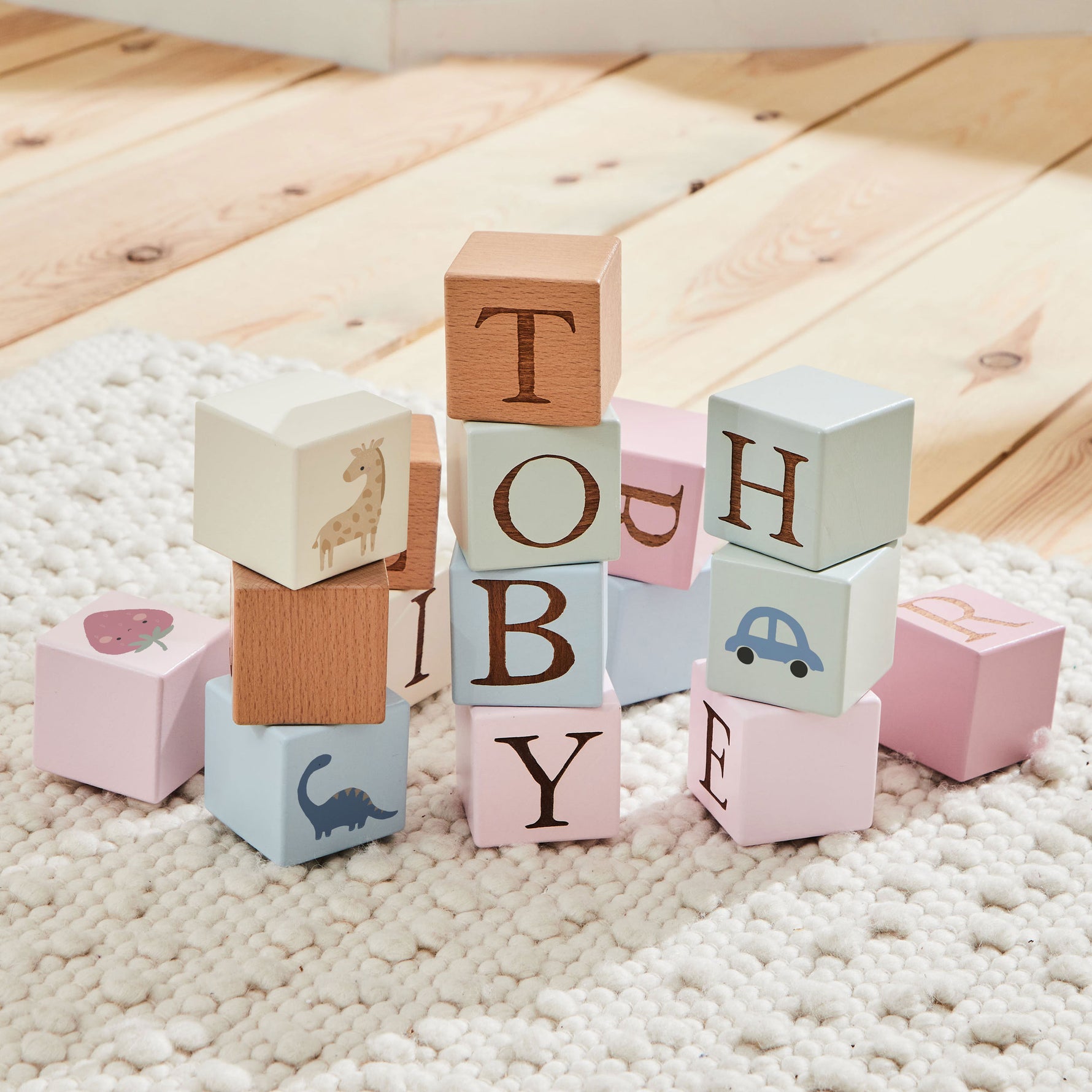
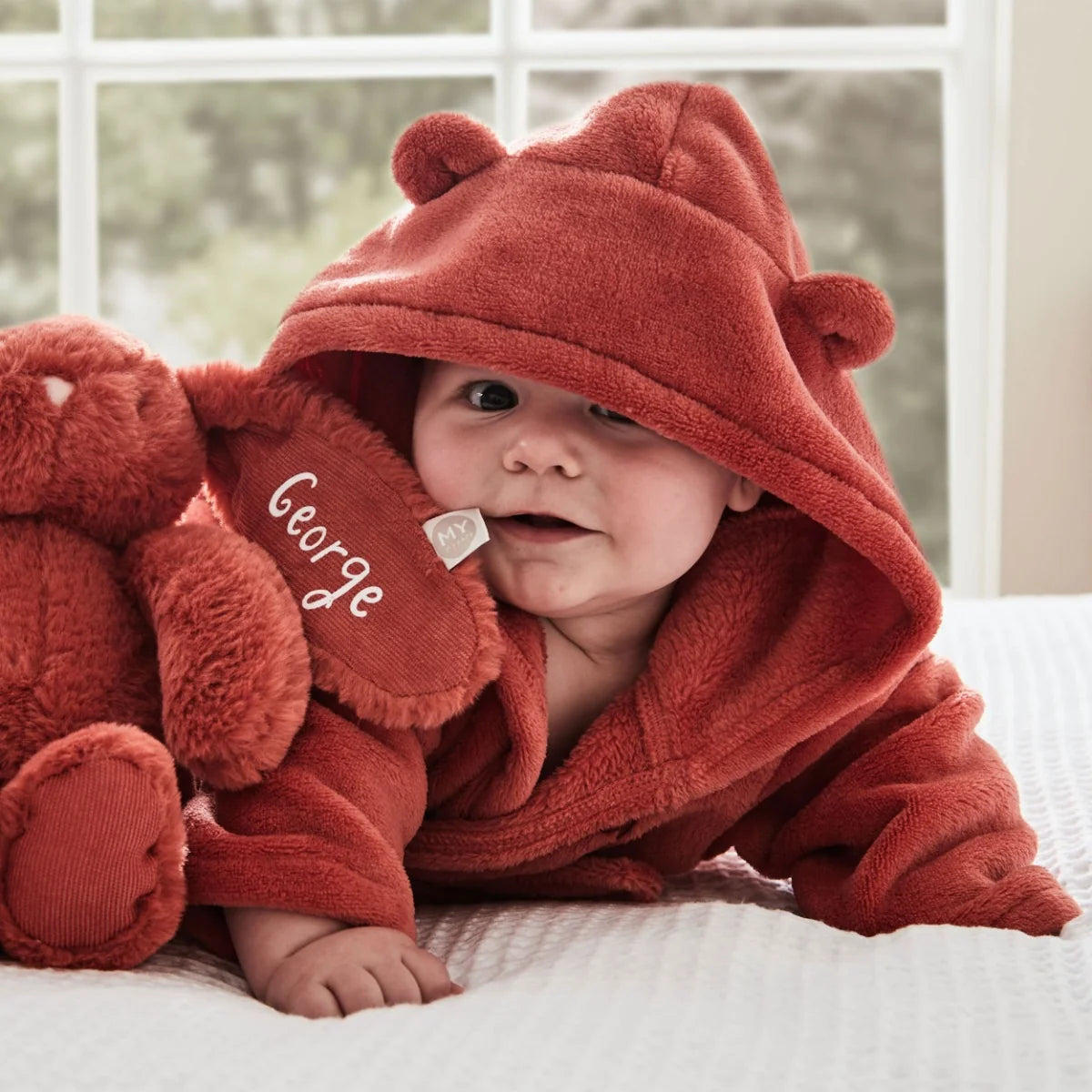
When personalising a christening gift, start with the name. A full name feels formal, while initials or a nickname read as more intimate, so decide how prominent the lettering should be. Choose a clear, legible font or stitch size so the personalised element stays readable on small items, and favour embroidery or engraving for birth details such as weight, length, or a short lineage note like daughter of or son of, because those methods keep their clarity through handling and washing. If you include a blessing, prayer snippet, or family motto, keep it concise, since long lines lose impact on small surfaces. Finally, mock up the wording at actual scale to check spacing and readability before you commit.
Capture the small, personal marks you treasure, such as a parent's handwriting, a tiny footprint, or a simple sketch, by scanning them and converting the files into an engraved, embossed, or embroidered design. This preserves the personal touch while making it durable. Think ahead about longevity and safety. Pick materials and finishes that age gracefully and tolerate cleaning, for example tightly woven cotton for blankets, colourfast threads for embroidery, and aluminium or stainless steel for keepsakes. Avoid detachable small parts that could pose a choking hazard, and consider removable or replaceable tags if the family might want to update the personalisation later. Choose methods and placements that retain fine detail through wear so the keepsake stays unmistakably theirs over time.
Practical choices for personalised christening gifts
- Choose the right method for the material and desired longevity, for example engraving holds detail on metal and wood, embroidery endures on textiles, embossing suits leather, printing gives colour options, and appliqué adds texture; weigh durability, washability, and whether machine or hand techniques will achieve the finish you want.
- Decide how prominent the personalisation should be and test its scale, remembering full names read formal while initials or a nickname feel intimate; favour clear, legible typefaces or simplified handwriting, set stitch counts or engraving depths to retain contrast, and produce a life-size mockup before committing to production.
- Preserve original marks by scanning and vectorising handwriting, tiny footprints, or simple sketches, then simplify lines and convert them to an engraved, embossed, or embroidered file so the character survives resizing and repeated handling.
- Plan for safety, care, and future use: pick washable fabrics and non-toxic finishes, avoid detachable small parts where a child could access them, include replaceable or removable tags if the family may want to update details, and recommend cool, dry storage with acid-free wrapping for long-term preservation.

Prioritise safety, materials, and longevity when choosing keepsakes
When choosing items for a baby, start by checking safety features and recognised testing marks, such as UKCA, CE, or the BS EN toy safety standards. Independently tested toys, jewellery, and clothing have been screened for choking, chemical, and mechanical hazards. Choose non-toxic, hypoallergenic materials, favouring natural fibres certified for low chemical content and solid, nickel-free metals that resist corrosion and irritation. Match size and ergonomics to the child's age: pick proportions that minimise choking risk, avoid long cords or ribbons, and choose rounded edges and secure attachments to reduce accident risk and help items last longer.
When choosing a keepsake, start with the build: look for reinforced seams and neat stitching, solvent-free finishes, and parts that can be removed and washed. Reinforced joins reduce stress points, finishes without harsh solvents protect materials and skin, and washable components make it easy to keep an item looking and feeling fresh. Prefer timeless shapes and neutral colours, and pick pieces designed to be repaired or refreshed — replaceable parts, clear repair instructions, or personalisation methods that do not compromise the item’s structure. Together, durable materials, sensible ergonomics, and straightforward repair options help gifts stay safe, useful, and ready to be passed on for years and between children.
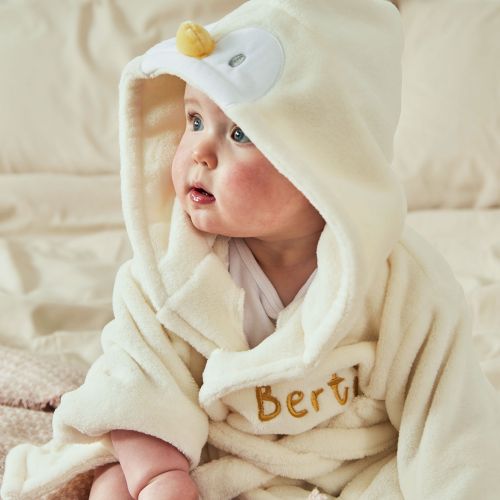
Choose neutral colours, reinforced joins and age-appropriate sizing.


How to present and preserve keepsakes with thoughtful gift etiquette
Match the gift to the family and setting: check for a registry, ask the parents about everyday needs, and weigh a keepsake against something practical. Keepsakes often become heirlooms because they carry a name and date, so choose future-proof personalisation such as a stitched name, an engraved metal plate, or a handwritten note signed with your name and relationship and tucked discreetly inside. Use techniques that do not damage the item and that can be reversed or relocated if required. That balance preserves the emotional value of the piece while keeping it versatile for future owners.
Also, choose durable materials and finishes. Favour natural fibres or metals that can be cleaned, and avoid plastics or coatings that are prone to yellowing or degrading. Include a short care card with washing and polishing instructions so the family knows how to look after the gift. Create a simple provenance record. Photograph the item, note who gave it, and write a line about why the gift was chosen. That small archive survives fading labels and helps future generations understand the story behind the keepsake. Present the gift considerately. Include a card that explains its meaning, ask whether it should be opened at the ceremony or later, and check plans with godparents or other key family members to avoid surprises. If a physical present does not suit the occasion, offer an alternative that still marks the milestone: a contribution to an education or savings plan, the dedication of a tree with a certificate, or a pledge of time or a particular skill. Always provide a tangible token or document, such as a certificate, photograph, or written note, so the gesture can be kept and remembered.
Choose a christening gift that pairs a durable, meaningful keepsake with a practical item the family can use now and keep for years, so it matters now and endures. Check safety marks such as the CE or UKCA to confirm compliance, choose hypoallergenic, machine-washable fabrics that stand up to regular use, and add a small, well-placed personalisation that records the child’s name and your relationship.
Think about the occasion and the family’s preferences. Balance a keepsake’s sentimental value with practical needs, and prioritise safe, high-quality materials. Present the gift with clear care instructions and a simple note of provenance: what the item is, who gave it, and when. Clear care guidance reduces wear, and recorded provenance preserves context over time, increasing the chances the family will use and preserve the gift as a lasting reminder of your bond.
Share


