




Newborn Gifts Parents Use Most: Practical, Heartfelt Keepsakes
New parents often find themselves surrounded by well-meaning gifts, yet only a handful become part of everyday life. Which items genuinely simplify feeding, soothe sleep, survive repeated washes, support early development, and become cherished keepsakes?
Here you'll find practical essentials for feeding and changing, sleep and soothing, hard-wearing, easy-care clothing and wearables, sensory toys that support early development, and personalised keepsakes. For each category we set out clear criteria for choosing useful, long-lasting items, and offer quick, low-waste suggestions to help new parents focus on what they will actually use.

How to choose practical feeding and changing essentials for your baby
Keep a steady supply of nappies in mixed sizes, unscented, alcohol-free wipes, and a waterproof wet bag for soiled cloths. Store a small tub of barrier cream within arm's reach, and test a wipe on the baby's inner arm before first use to check for sensitivity. Create a compact changing station with a wipeable change mat, a caddy for nappies, wipes, and creams, and a lidded nappy bin or sealed bag to contain odour. Position essentials at waist height to spare your back, and store spare stock in clear containers so you can see at a glance when to top up.
Feeding routines tend to settle more easily when you have a small kit of reliable extras. For bottle-feeding, keep a couple of bottles with different teat flows to match your baby’s pace as they grow, a sturdy bottle brush for thorough cleaning, a consistent method for sterilising, and spare seals and lids plus a drying rack for a quick turnaround. If you are breastfeeding, have several absorbent muslins to hand, both washable and single-use breast pads, a soft, supportive nursing bra, and a nursing cushion to help you and your baby find a comfortable position. When you are out, pack a compact emergency kit: a spare outfit, a foldable change mat, nappies, wipes, muslins, a sealed bag for soiled items, and an insulated sleeve or small cooler for expressed milk. Label and rotate expressed milk so you can track freshness and avoid waste, and store a few spare items at home for unexpected needs.


Create calm: sleep routines and soothing items to support your baby
To help babies settle, keep a couple of breathable muslin swaddles and a sleep sack to move them through different stages. When you swaddle, wrap snugly around the shoulders and chest while leaving the hips free to allow natural movement and healthy development, and favour breathable fabrics to reduce the risk of overheating. Research shows swaddling can reduce spontaneous waking caused by the Moro reflex. Use a soothing sound machine or app that delivers continuous, low-level pink or white noise to mask household sounds and recreate the steady, in utero environment. Run it at a low volume, position it away from the cot, and play the same track consistently so the sound becomes a reliable sleep cue. Choose an adjustable, dimmable nightlight that emits a warm, amber colour to help preserve melatonin production while allowing safe feeds and nappy changes without bright overhead lights.
Use gentle motion to recreate the soothing rhythm babies know from the womb. Try a manual rocking chair or a portable, cot-compatible gentle-motion device, and pair short bouts of motion with swaddling or a feed to calm your baby. Stop the motion once they are drowsy to encourage settling independently. Carry a parent’s scent on a soft muslin cloth during cuddles to build a consistent bedtime association, but keep those cloths out of the cot for a newborn. Introduce a small, cot-safe comfort object only when it is developmentally appropriate. Position devices safely, use low volume and dim settings, and keep cues consistent, because research indicates steady background noise and rhythmic movement help infants settle more quickly.
Gentle sounds and soft projection support consistent sleep cues


Choose durable, easy-care baby clothes and wearables for fuss-free care
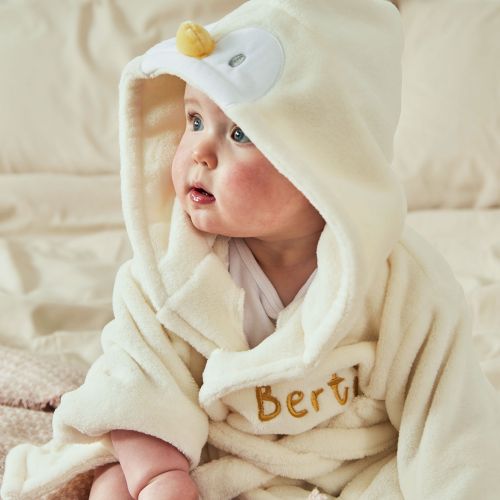
Soft, breathable bodysuits with envelope necks and reinforced snaps let carers pull garments up over the head or down the body, reducing jostling during nappy changes. Tagless seams, plus reinforced stitching at stress points, help items keep their shape through repeated washes. Favour natural fibres for breathability and gentle softness, and consider one-piece footed sleepsuits or convertible rompers with full-length zips or strategically placed snaps to speed night-time changes. Fold-over mitts and fabric with a little stretch protect delicate skin and give room to grow without adding extra layers. Together, these design details mean fewer wriggles, quicker changes, and dressing that feels less fussy for both baby and parent.
Put practicality first when choosing baby clothing. Pick roomy outer layers, such as cardigans, jackets, or pram suits, with sturdy fastenings and reinforced knees and shoulders so garments stand up to crawling and repeated wear. Opt for wipe-clean or breathable outer fabrics so spills and dampness stay on the surface rather than soaking through. Choose versatile accessories that pull double duty, for example stretchy hats that adjust as their head grows, secure scratch mitts, and multi-layer swaddles that work as nursing covers, change mats, or tummy-time surfaces to help cut bulk in the nursery and the changing bag. Prioritise colourfast dyes, pre-shrunk fabrics, and simple trims rather than fragile appliqué or loose ties, so garments retain softness and shape after frequent machine washing.
Durable, easy-care clothing: checklist, outfit ideas, and upkeep
- Essential features checklist: envelope or stretch necklines and full-length zips to let carers slip garments on or off and reduce jostling during nappy changes; reinforced snaps and stitching at stress points to preserve shape after repeated washing; tagless seams, pre-shrunk, colourfast natural fibres for breathability and lasting softness; one-piece footed sleepsuits or convertible rompers and fold-over mitts to cut dressing steps; wipe-clean or breathable outer fabrics and simple trims rather than loose appliqué to minimise wear.
- Quick-change outfit combos that use these features: home nap — one-piece footed sleepsuit with full-length zip and fold-over mitts for fast, calm night changes; outing — bodysuit with roomy cardigan or pram suit with sturdy fastenings, stretchy hat, and a multi-layer swaddle that doubles as a change mat; overnight or long stretches away from home — convertible romper with reinforced snaps plus a lightweight, wipe-clean outer layer for quick swaps; travel — layered bodysuit under a zip romper with adjustable hat to adapt to temperature and speed changes.
- Care and maintenance to extend life: fasten zips and snaps before washing, wash on a gentle cycle with like colours, pre-treat stains promptly, avoid strong fabric conditioners that reduce absorbency, and air-dry or tumble on low to protect fibres and stitching; rotate garments and mend loose seams or replace snaps early to prevent bigger damage, and store pre-shrunk, colourfast items folded to keep shape and reduce pilling.

Using sensory toys to support development and deepen parent and baby bonds
Sit face to face, close enough for comfortable viewing, and hold up high-contrast pictures or simple, bold-patterned toys. Gently narrate what you show, naming shapes, colours, and movements to encourage eye contact and early visual tracking. Offer textured cloth books, tag blankets, and soft fabrics, and run your finger along different surfaces while naming how each one feels to build a sensory vocabulary and link touch with a caregiver's voice. Use a baby-safe mirror and simple peekaboo play to expose facial expressions; these often prompt smiles and vocalisations that strengthen social reciprocity.
Introduce gentle rattles and soft shakers, moving the sound from one side to the other to encourage auditory tracking and responsive listening. Pause and give your baby time to react, then repeat short exchanges to practise turn-taking and build reciprocal attention. Rotate a small, curated set of sensory toys and link them to comforting routines so variety stays stimulating but manageable and familiar items become associative cues. Research shows this responsive, play-based interaction supports stronger caregiver-infant attachment and earlier gains in language.
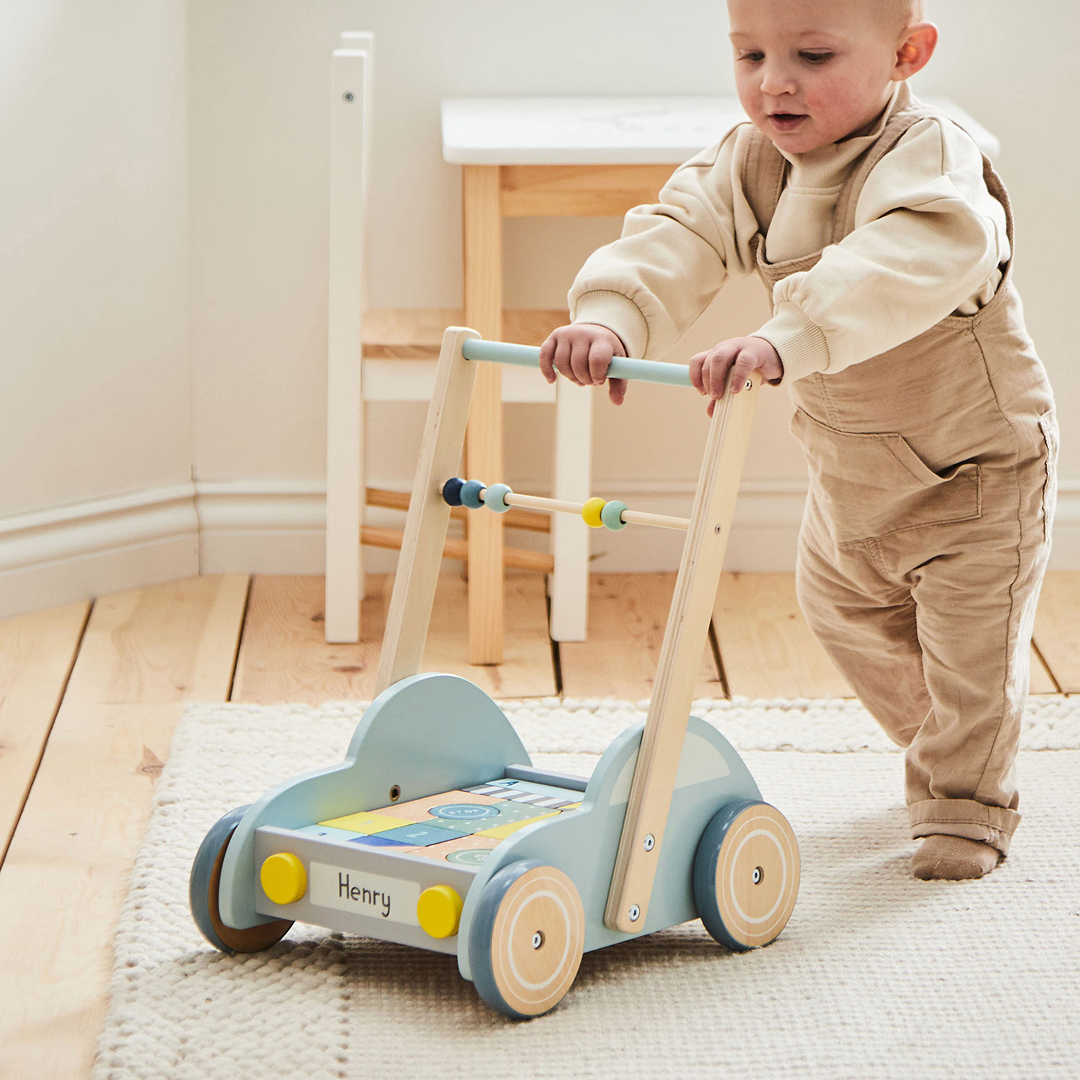
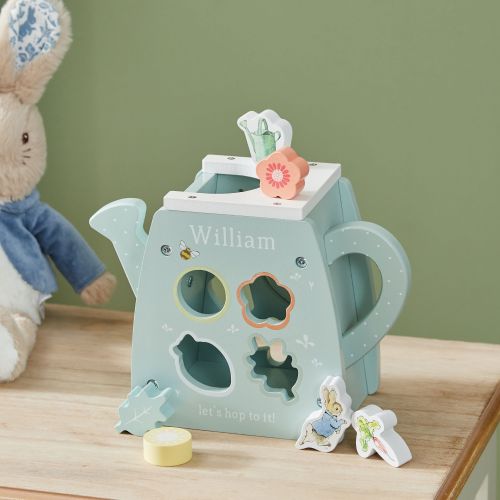
Rotate a curated sensory set — rattles, wooden book, push-along.


How to create personalised keepsakes that capture milestone memories
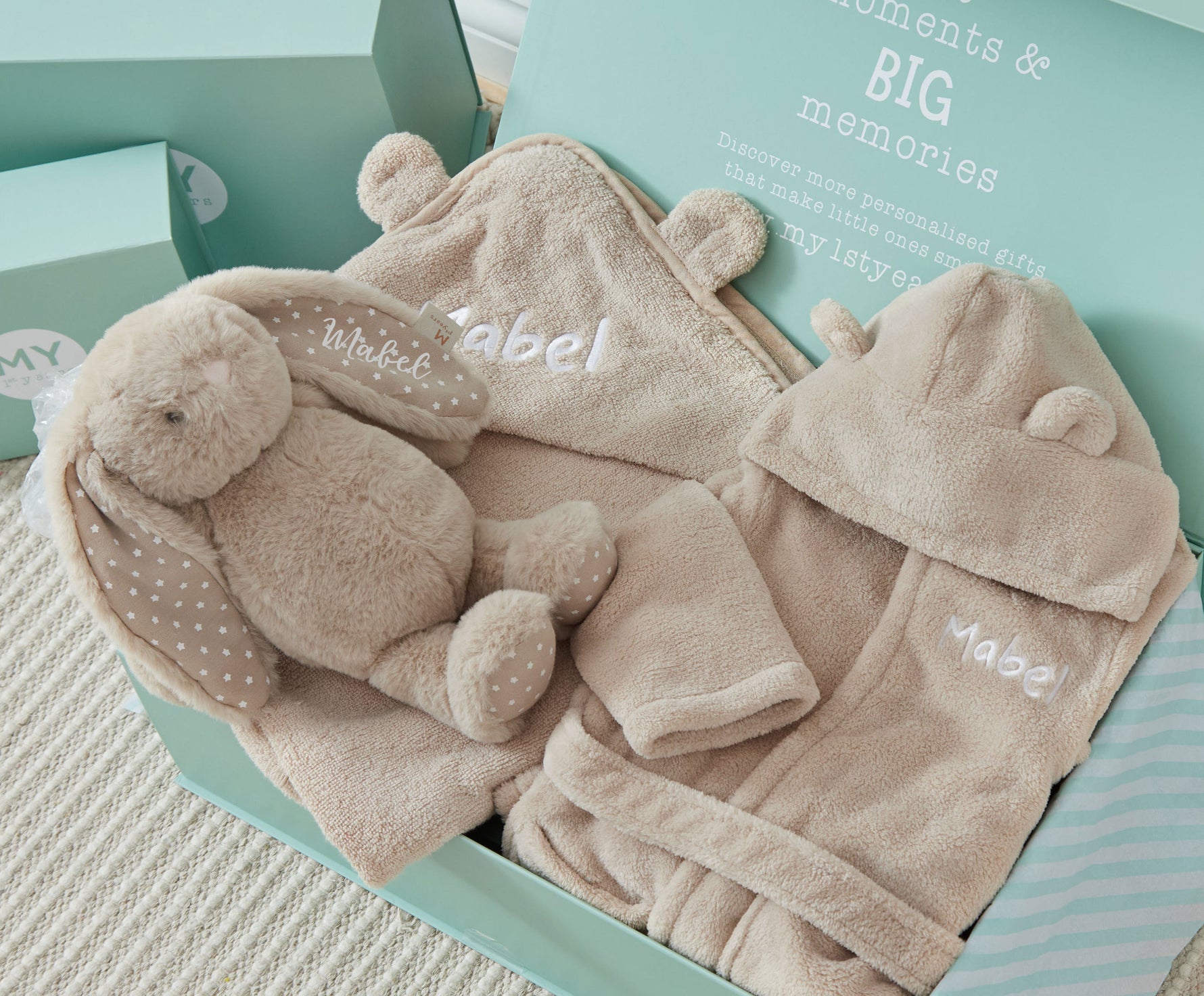
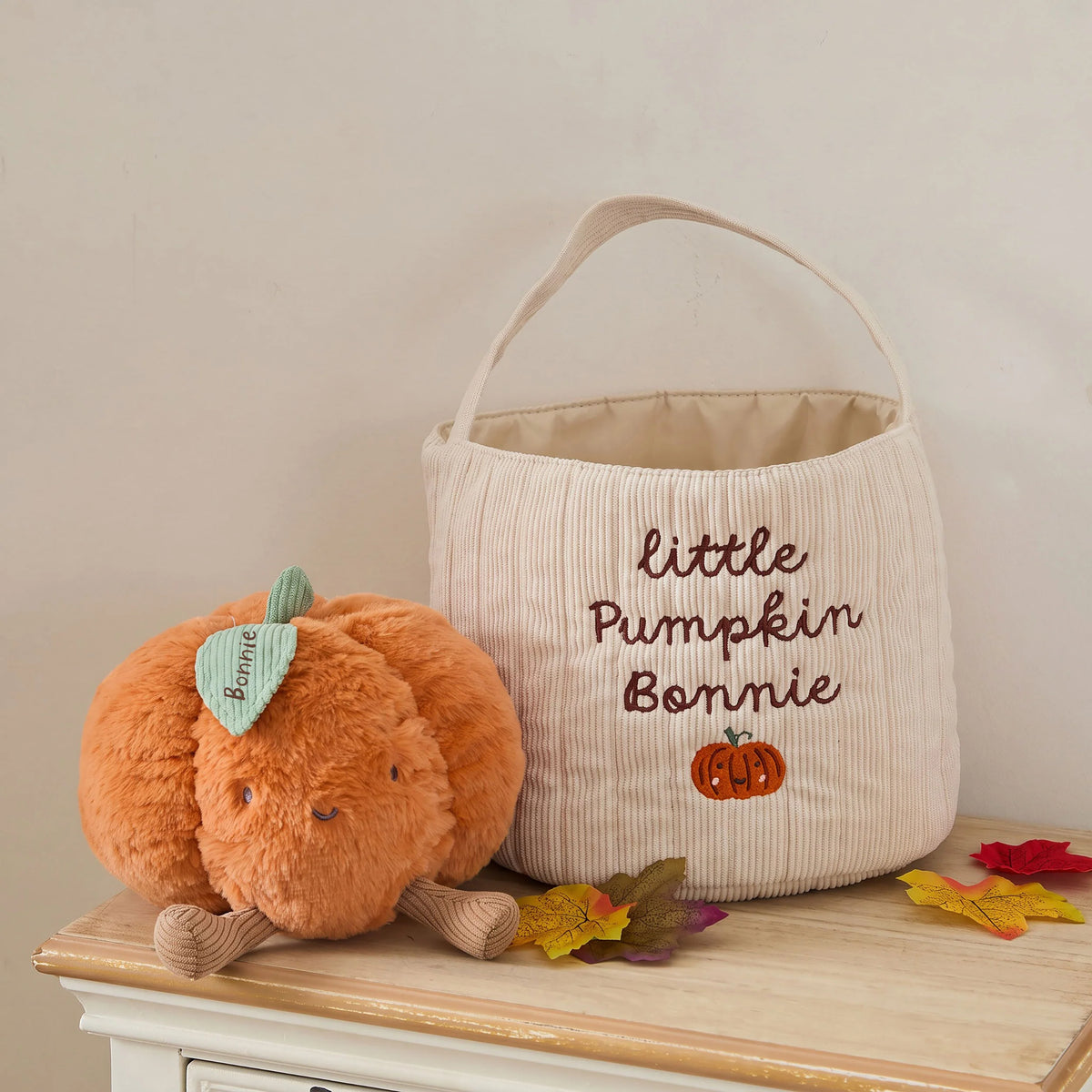
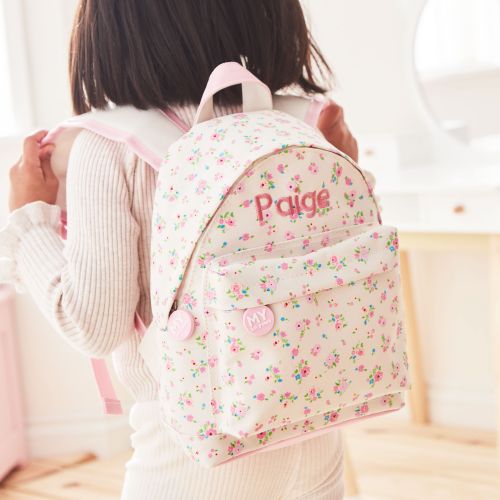
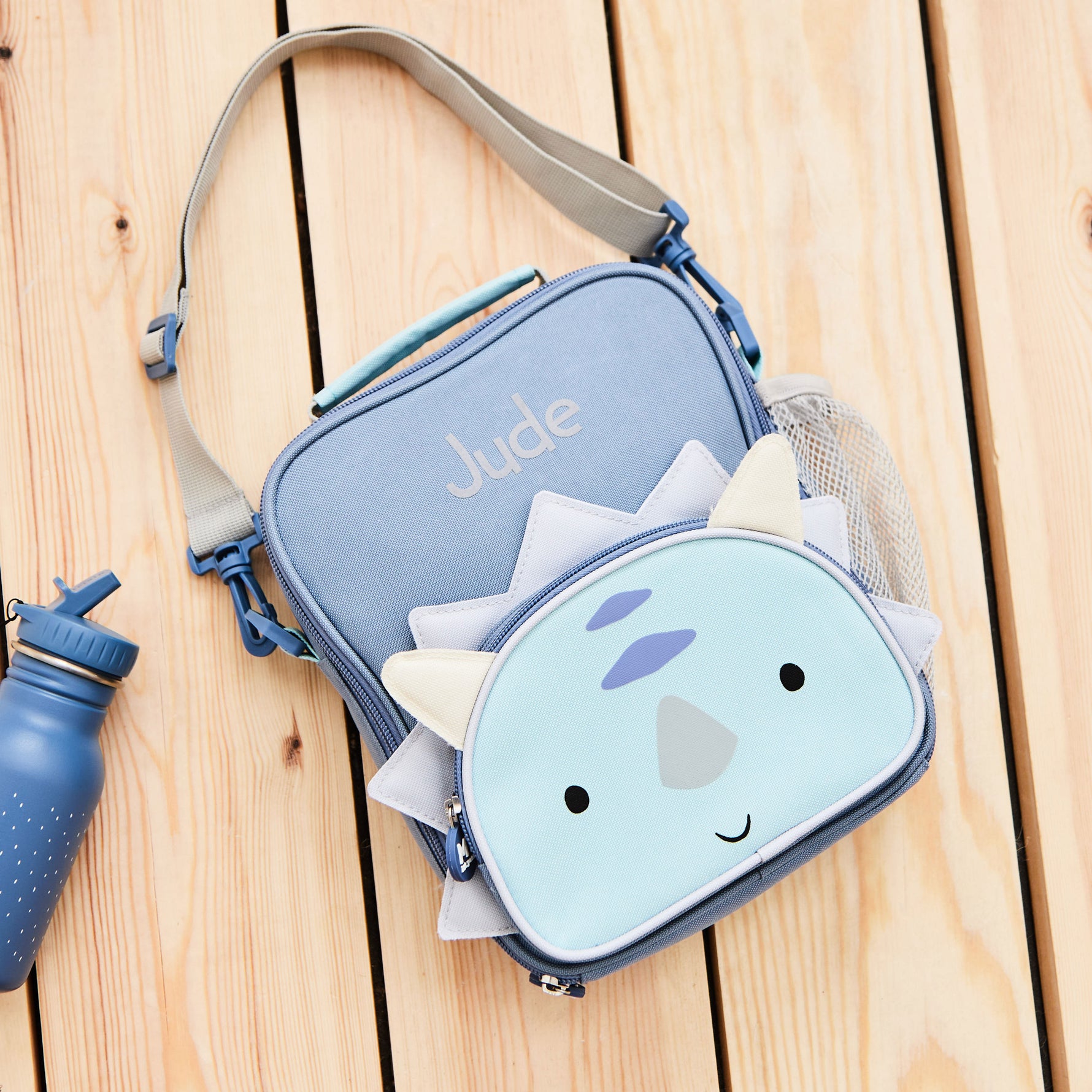
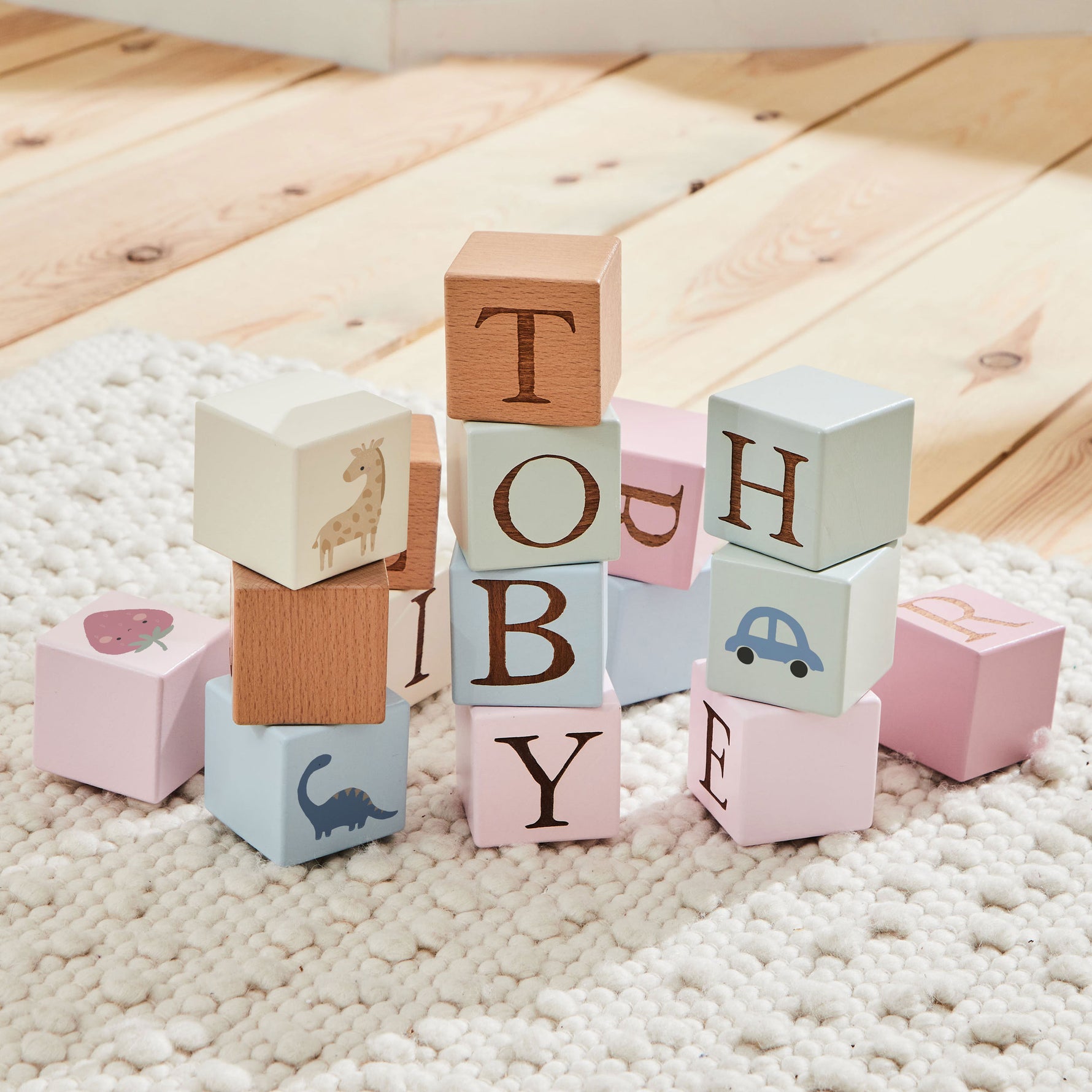
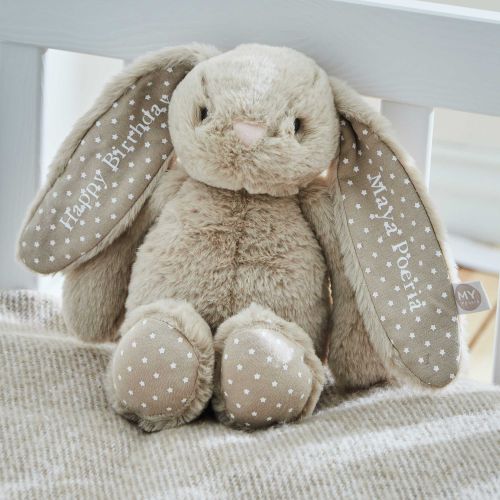
Personalised milestone cards printed on thick, laminated card or fabric should list the baby’s name and birth details, and include a short prompt for a photo or note. Parents can write a dated memory on the back, then file the cards chronologically to see development at a glance. Store small mementos — a hospital wristband, a fabric swatch from the first outfit, a handwritten note, or a copy of birth details — in a keepsake memory box lined with acid-free material and labelled with the child’s details. Acid-free linings help slow yellowing and deterioration, keeping fragile items in better condition for longer. For handprint and footprint keepsakes, use non-toxic clay or pigment pads to capture fine detail. Make a duplicate so one can be displayed while the other is tucked away for safekeeping, and allow clay to dry fully before sealing. Keep finished pieces out of direct sunlight and away from extreme temperatures to avoid fading or cracking.
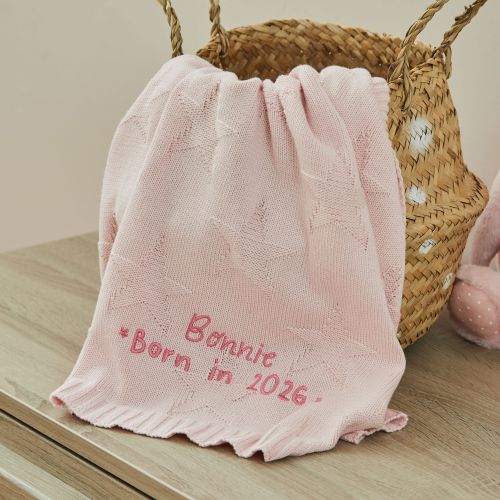
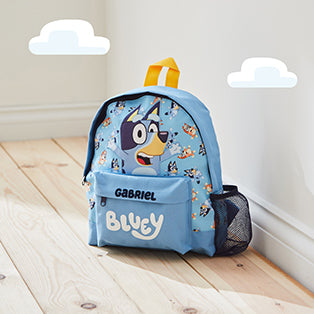
Pair a personalised storybook that names the child, family members, and familiar places with a short parent narration saved digitally. Keep both a physical copy and a digital backup, and include a brief note of when the recording was made to add emotional context. For practical keepsakes such as embroidered blankets, growth charts, or engraved jewellery, choose durable, washable fabrics and tags that can be removed or machine washed. Label care instructions clearly, and favour sturdy construction so items withstand frequent handling and retain their sentimental value. Create versions at different ages, and keep extra copies or digital backups to record growth while preserving the original keepsake.
Everyday newborn essentials are most useful when they combine durability, easy care, and a multi-purpose design. Items that wash easily, feature secure fastenings, and serve more than one purpose ease the burden of daily routines, reduce waste, and free parents to focus on feeding, soothing, and bonding.
Choose nappies for reliable hygiene, a simple feeding kit to make mealtimes smoother, breathable sleep layers to help regulate temperature, uncomplicated clothing for quicker changes, sensory toys to encourage early exploration, and personalised keepsakes to mark milestones. Start with a small, versatile set that meets these needs, rotate and replace items as the baby grows, and you will end up with practical purchases and gifts that bring daily calm and become genuinely treasured.
FAQ
What feeding and changing essentials should new parents prioritise?
Stock nappies in mixed sizes, unscented alcohol-free wipes, a waterproof wet bag, and a small tub of barrier cream, and set up a compact changing station with a wipeable mat, caddy, and lidded nappy bin; for feeding, keep a couple of bottles with varied teat flows, a bottle brush, a consistent sterilising method, extra seals and lids, drying space, plus muslins, breast pads, a supportive nursing bra, and a nursing cushion for breastfeeding.
How can parents create a safe, calming sleep routine for a newborn?
Use breathable muslin swaddles and a sleep sack, swaddling snugly at the shoulders while leaving the hips free, run continuous low-level pink or white noise as a consistent cue, use a warm amber nightlight for feeds, and include short bouts of rhythmic motion such as gentle rocking while keeping devices positioned safely and volumes low.
What clothing features make dressing and upkeep easier for babies?
Choose garments with envelope or stretch necklines, full-length zips, reinforced snaps and stitching, tagless seams, and natural, pre-shrunk, colourfast fibres; opt for one-piece footed sleepsuits or convertible rompers, fold-over mitts, and simple trims, and fasten zips before washing, use gentle cycles, and mend early to extend life.
How do simple sensory toys support early development?
High-contrast visuals, textured cloth books, tag blankets, baby-safe mirrors, and gentle rattles encourage visual tracking, tactile exploration, social reciprocity, and auditory localisation when used in face-to-face, narrated, responsive play that is repeated and rotated to build attachment and early language skills.
What personalised keepsakes are most practical, and how should they be cared for?
Use laminated milestone cards, an acid-free lined memory box, non-toxic clay or pigment pads for handprints or footprints, and personalised storybooks with a digital backup; make duplicates when possible, follow drying and sealing instructions for prints, and choose durable, washable materials with clear care notes so items survive frequent handling.
Share


