



How to Choose and Personalise a Christening Gift That Becomes a Lasting Keepsake
A christening gift should mark a new beginning and become part of a family's story. Too often, well-meant presents lose their meaning because they are unsuitable, impersonal, or simply not looked after.
This guide helps you choose a gift with sentimental, aesthetic, and practical appeal, personalise it into a lasting keepsake, and care for, present, and pass it on. Use the practical steps and selection tips to create a thoughtful present that withstands everyday use, keeps its appearance, and carries meaning for years to come.

How to choose a keepsake they will treasure for years
Begin by asking about the family’s daily routines, storage space, and any religious or cultural customs. Match the gift to how the child will meet it: soft items for everyday cuddles and wear, a displayable object for a home that values decor, or a practical keepsake for a family who prefers utility. Objects the child encounters daily tend to be handled more, so they gather memories and meaning over time. Favour pieces that adapt as the child grows, for example a blanket that becomes a playmat or a personalised frame that moves from the nursery to the living room, so the item stays in use rather than being boxed away.
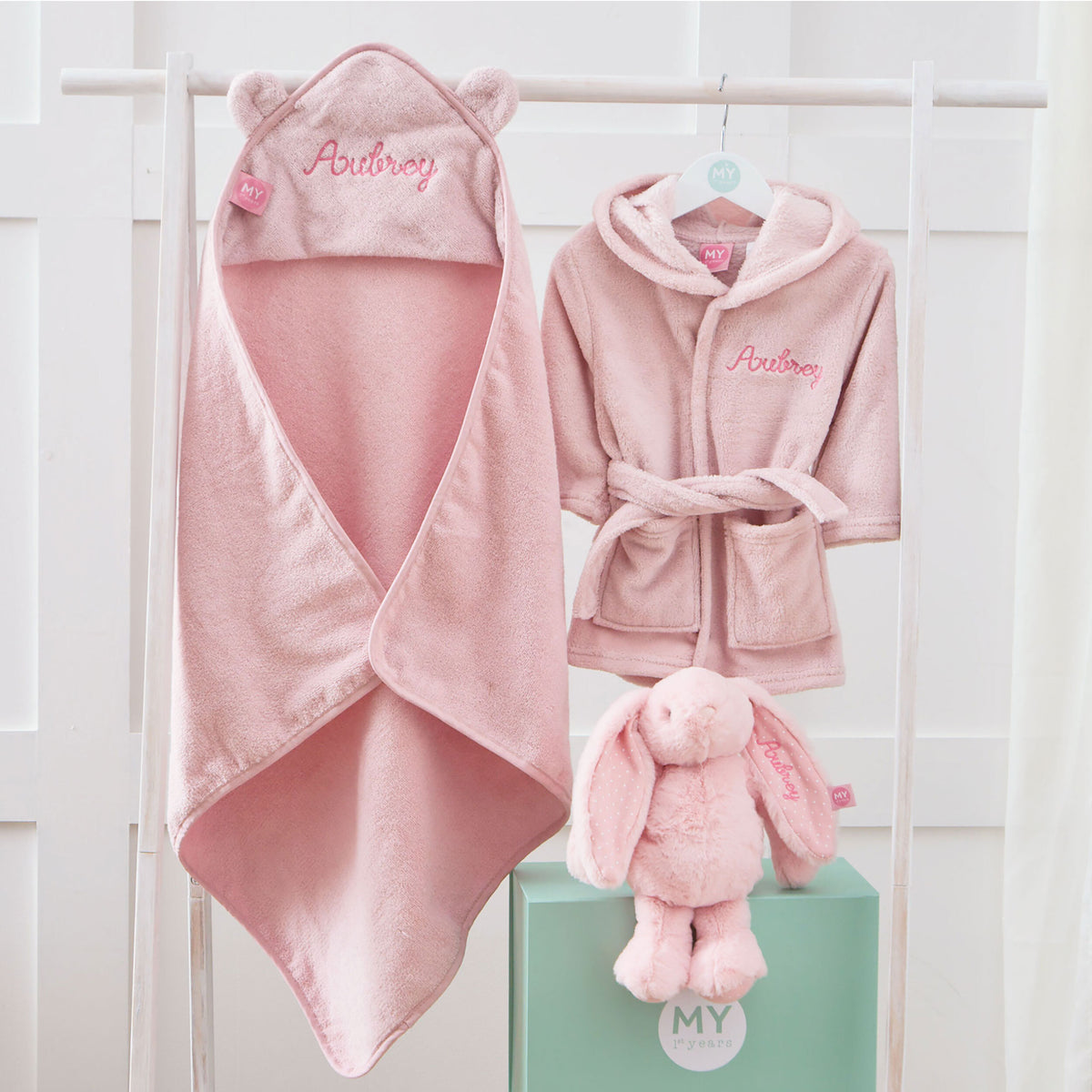
Once you've chosen an adaptable piece that will stay in use, select durable, repairable materials that will age gracefully and stand up to family life. Solid wood, polishable metals, and tightly woven natural fibres all respond well to cleaning and mending, so include a clear care card so parents know how to look after the keepsake and, if needed, repair it. Materials that can be repaired increase the chances a piece will become a treasured heirloom. Personalise with subtle, tactile details that tell a story: personalise with engraved initials or birth details, stitch a short, handwritten message into a seam, or attach a small token that nods to a family memory. Avoid over-personalisation that limits future use. Record the item’s provenance so its meaning travels with it. A handwritten note, a dated photograph of the giver, or a simple digital file stored with the keepsake helps anchor its story for future generations.
Personalise a wooden keepsake for daily, lasting memories.

How to personalise a gift into a lasting keepsake
For a christening gift that endures, choose personalisation methods that go beneath the surface, such as engraving, embroidery, embossing, or deep etching. These techniques bond with the material and usually wear better than surface printing, so always ask for a sample or a small test on your chosen material to check durability. To preserve a loved one’s handwriting, scan the signature and convert it into a vector file — a clean, scalable digital outline that keeps edges crisp when engraved or embroidered. You can also record a short message and turn its waveform into a simple graphic for engraving. Keep designs simple, high-contrast, and legible so motifs and lettering remain recognisable as the item naturally ages.
To help a keepsake carry its story forward, choose symbols, motifs, or short phrases that reflect your family history, cultural background, or personal values, and check their meanings before finalising the design. - Pick materials and finishes that age well, for example linen, vegetable-tanned leather, or solid brass fittings, and include clear care guidance: store in breathable cotton or acid-free boxes, clean gently with a soft cloth and mild soap, and avoid prolonged exposure to direct sunlight. - Create a provenance card stating who gave the gift, the occasion, and a short message, and photograph the finished item so future keepers can recognise its origin. - Save digital backups of the personal message and any design files to cloud storage or a USB, and keep a printed copy with the provenance card so later generations can preserve or reproduce the keepsake.
Preserve photos and messages in a personalised wooden keepsake.

How to care for, present, and pass on a treasured keepsake
Treat each material according to its vulnerabilities. Silver tarnishes when sulphur compounds in the air react with the surface, so clean gently with a soft cloth and store in a low-sulphur, breathable pouch. Textiles fade and yellow from light and acids, so wrap garments and blankets in acid-free tissue, avoid plastic, and store them in a cool, dark place. Wood can warp as humidity swings, so keep wooden keepsakes in a stable, ventilated box away from radiators and direct sunlight. Ceramics chip from knocks, so cushion fragile pieces with cotton or archival foam and give them plenty of space. Present the object in a sturdy keepsake box lined with acid-free materials and include a care card that lists recommended cleaning and storage steps. Tuck a photograph of the child inside the box, and add a small sealed envelope with christening details. This approach protects the object and preserves its story for the next generation. Match the technique to the surface. Metal tolerates engraving or etching, which are durable because they work into the surface, while textiles suit embroidery, which sits within the fibres and endures handling better than many prints. Put inscriptions in protected spots, such as undersides or inside lids, or use removable tags instead of glued labels on delicate finishes. For pieces that might need future conservation, favour removable solutions over permanent adhesives to preserve restoration options.
Alongside presentation and storage, photograph the keepsake from several angles, note the materials and any maker's marks, and write a short provenance note explaining who gifted it and why. Keep one paper copy with the object and one digital copy stored separately, for example on a cloud backup or external drive. Add a simple care schedule so future custodians know when to clean, what to avoid, and which supplies are safe to use. Choose a family steward and plan a simple handover ritual to pass on responsibility and meaning. If you notice stains or minor wear, avoid home remedies, household cleaners, or abrasive products. For structural damage or significant wear, consult a professional conservator so repairs preserve the piece and its personalised details for future generations.
A thoughtful, personalised christening gift becomes a lasting keepsake when it suits family life, is made from durable, repairable materials, and includes clear provenance. Engraving and embroidery, which change the material rather than merely sitting on the surface, resist wear better than surface-only decoration. Recording provenance and including simple care instructions help the piece withstand handling and cleaning, so it can continue to be cherished.
Use the guide's headings as a practical checklist: ask about daily routines and storage, favour adaptable items that grow with the child, choose age-friendly materials, and place inscriptions where they will stay protected. This helps ensure the gift can be cared for, handed on, and recognised by future generations, enabling a simple keepsake to serve as a lasting heirloom.
Share


