

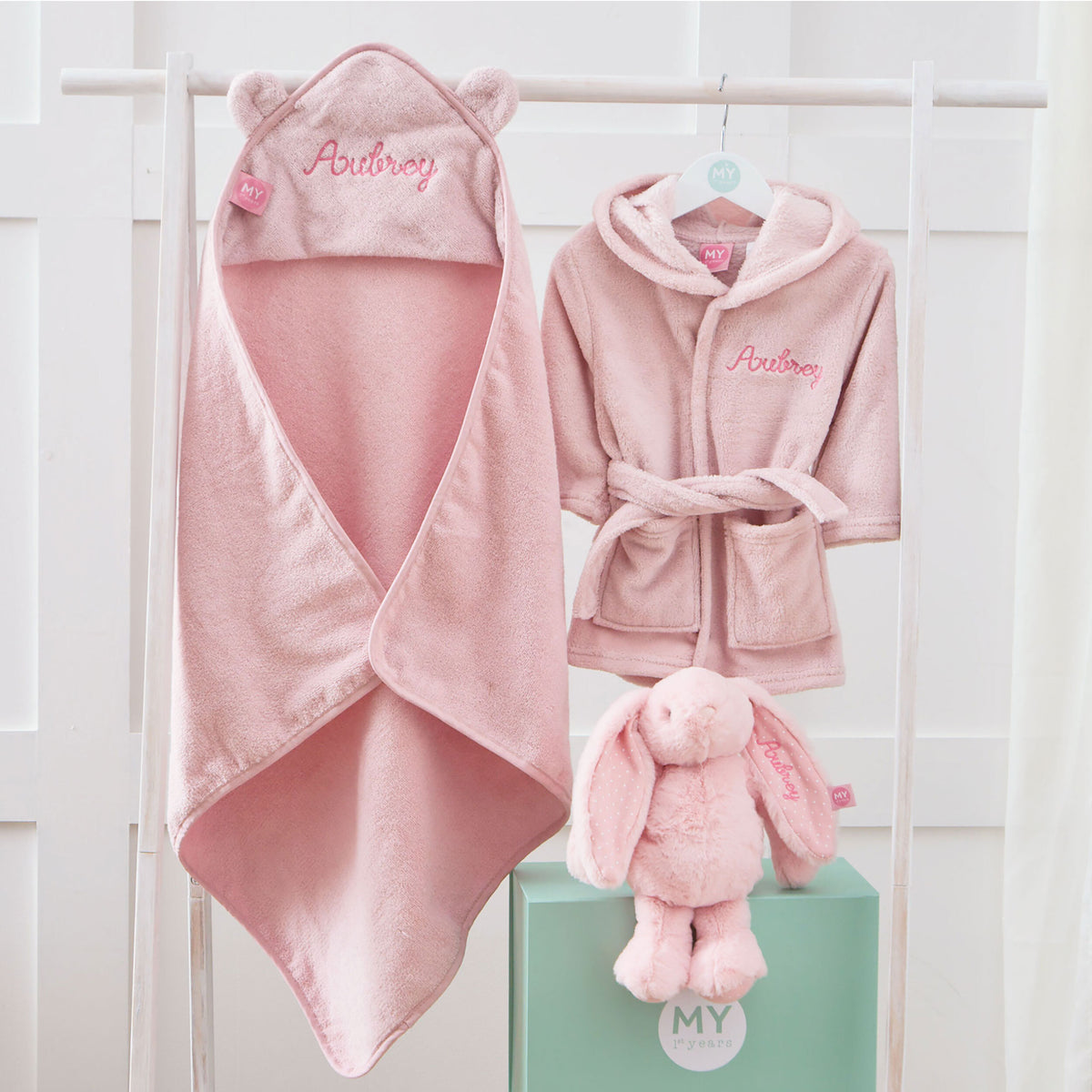


3 Ways Personalised Items Help Children Join In and Make Friends?
When a child stands at the edge of a playground or arrives in a new classroom, an unnamed jumper or unfamiliar toy can make joining in feel risky. Personalised items quietly steady a child’s confidence: they add familiar touches, signal ownership, and give an easy conversation starter to help the child join in.
Familiar, comforting objects can help calm children's emotions, clearly labelled belongings reduce mix-ups and ease social friction, and personalised items often spark natural conversations that can grow into friendships. Read on for practical examples and simple steps parents and carers can use to help children feel confident, included, and ready to join in.

1. Create emotional security with familiar, comforting keepsakes
Research links familiar comfort items with lower stress indicators, so choose a small, easy-to-carry, personalised object as an emotional anchor and keep a spare in nursery or school to reduce separation distress. Try a few at home to see which your child reaches for when upset; notice whether soft textures, gentle weight, or a predictable sound calms them, and favour washable, hard-wearing options for everyday use. Agree a simple plan with carers and staff about when the item may be used, how it will be stored, and what to do if it goes missing, so the child has consistent access and adults avoid unnecessary conflict.
Beyond providing comfort, turn a favourite item into a social icebreaker by personalising it with a clear colour, simple pattern, or small motif the child can point to. Coach the child with a short, natural phrase they can use to introduce the item to peers, for example, "This is my bunny" or "My scarf gives cuddles." Encourage staff to prompt curiosity with open questions, such as "What can you tell me about that?" or "How does that make you feel?" Visible, talked-about objects invite more interactions than absent ones. Label the item with the child’s name, and practise role-play where the child offers supervised sharing or explains when they need the item for comfort. These steps help peers learn to respect possession, develop sharing skills, and give adults a chance to model gentle handling, so the personalised object becomes a tool for reciprocal play.

2. Label belongings so items are clearly yours and easy to find
A few well-chosen, durable labels help items survive wash cycles and busy school days. Choose labelling methods to suit each item: sew-on or iron-on name patches for clothing, waterproof, stick-on labels for lunchboxes and water bottles, and stitched or adhesive tags tucked inside collars or under lids so names survive washing and daily use. Quick how-to: stitch sew-on patches with small, even stitches around the edge, position iron-on patches and press through a protective cloth, and peel, stick, then smooth waterproof labels onto flat surfaces to avoid bubbles. Clear ownership speeds returns, reduces the time staff spend matching lost property, and stops children having to ask whose item it is. During routine moments like playtime or when lining up, a name tucked under a coat lining or on a bottle lid can help an adult reunite a child with their belongings within minutes, keeping activities on schedule.
Beyond helping reunite lost items, make labels into conversation starters by adding a small symbol, a favourite colour, or a hobby icon. Children spot shared interests more easily, and staff can match children for activities using the same icons. For young children who are still learning to read, use photo labels, stickers with a consistent symbol, or initials paired with a picture. Try a short, playful activity where each child chooses their symbol and explains it to the group; this helps recognition and builds confidence. Balance visibility with safety by using first names or initials rather than full addresses, keeping contact details where staff can access them but not on public display, and checking your nursery or school policy on visible names and shared items.

3. Spark conversations with personalised keepsakes that tell a story
Personalised items that show a clear interest, such as an icon, hobby motif, or short phrase, encourage others to ask about them when paired with a simple prompt like 'Ask me about this.' Adding privacy-safe prompts or laminated question tags with openers such as 'What’s your favourite game?' turns curiosity into interaction and gives a child a low-risk way to engage, especially when they can point to the prompt rather than speak. Tactile features, such as textured patches, movable charms, or a bright keyring, invite physical exploration and attract attention. Test these features for durability and safety by checking that charms are firmly attached, seams withstand a gentle tug, and finishes survive a wash, so the child can show them with confidence.
Teach short, rehearsable phrases and role-play around a personalised keepsake so your child can introduce it with confidence and answer simple questions. Try scripts such as "I made this because I love dinosaurs. What’s yours?" Brief, regular practice helps responses feel natural and gives the child a simple fallback, like pointing to a prompt, when they feel shy. Plan easy sharing routines, such as show-and-tell or a swap box, and rotate items periodically to keep the novelty and peer interest. Pair each item with a one-sentence backstory the child can use to start a conversation, turning personalised belongings into predictable social moments that reduce anxiety and encourage peer engagement.
Taken together, personalised items can help a child feel more secure and included by signalling clear ownership and offering simple conversation starters, making it easier to connect with others. Studies associate familiar objects with lower stress markers, find that labelled belongings lead to fewer mix-ups, and report that small prompts, such as a name or favourite motif, increase peer interactions.
To put these ideas into practice, choose a small, washable comfort object, add durable name labels, and give each item a simple prompt or backstory. These little cues make transitions more predictable and create natural opportunities for children and their peers to connect. Introduce one change at a time, and agree on clear staff protocols. Practise short, friendly scripts so children can join group activities with confidence while peers have something genuine to say.
Share


