



Choosing a first birthday gift can feel daunting when babies change daily and shelves overflow with tempting toys. You want something safe, developmentally appropriate, and genuinely helpful for parents, not another item destined for the toy box.
This guide sets out simple safety checks and thoughtful gift ideas that support a baby’s developing mobility and communication skills, reduce choking and other hazards, and grow with the child. It also explains how to personalise keepsakes and honour parental preferences so your present will be both meaningful and useful.

How to support your baby's early movement and communication
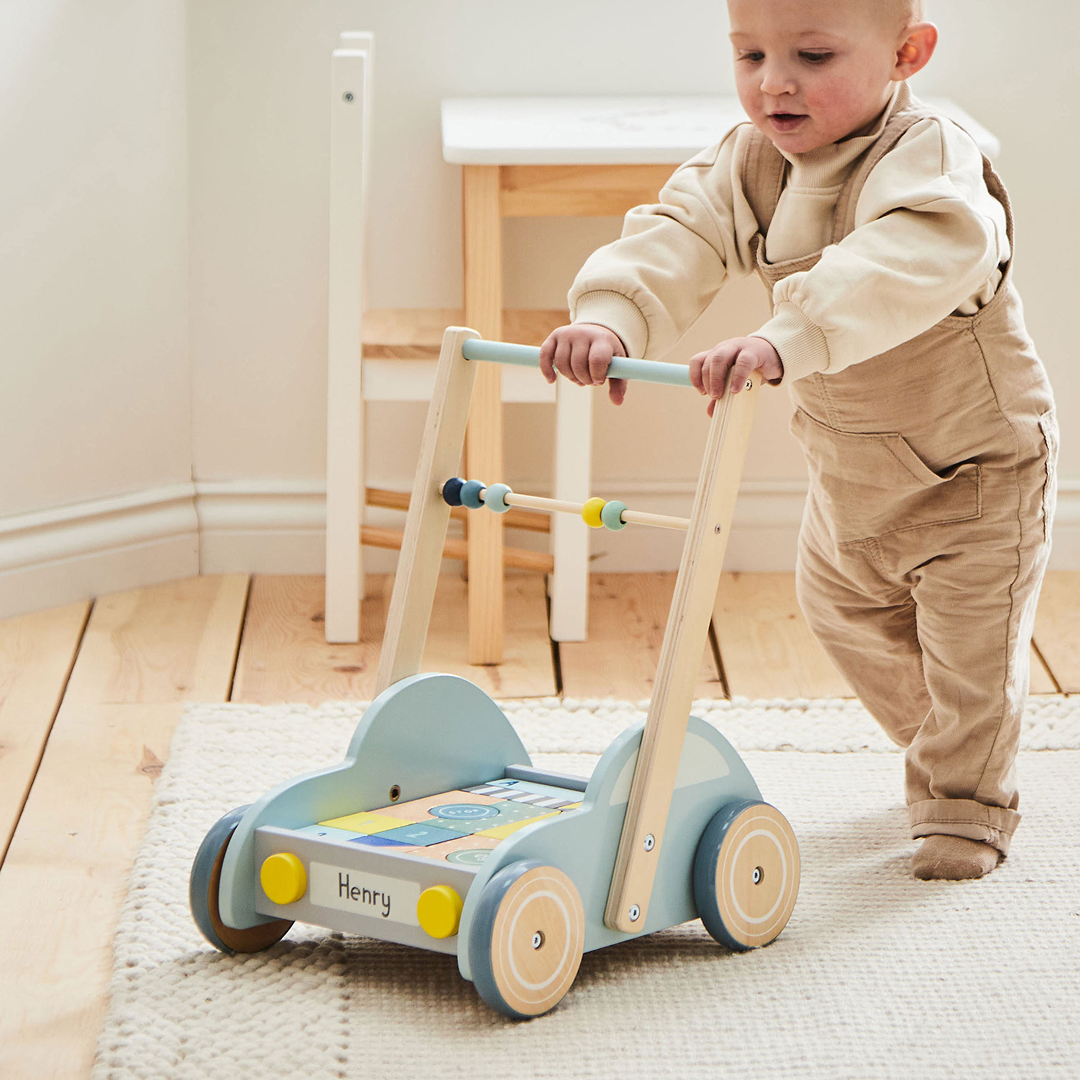
Choose mobility-promoting toys with a wide wheelbase and low centre of gravity, non-slip grips, and moderate wheel resistance; these features reduce tipping and make it easier for a child to practise standing, cruise along furniture, and take confident first steps. Before each use, place the toy on a flat surface, press it gently, and give any removable parts a quick tug to check for stability and secure attachments. That simple check will reveal wobble, loose fittings, or wear that could become a hazard. Push-and-pull toys naturally build balance and leg strength while encouraging gross motor exploration, because they ask the child to shift weight, steady themselves, and coordinate leg movements.
Support early communication by choosing toys that link movement to predictable feedback. Toys that make simple sounds or light up when moved help babies learn that their actions have effects. Pair those with basic instruments, puppets, and sturdy board books with repetitive phrases to encourage imitation and turn-taking. Include toys that develop both gross and fine motor skills, such as stacking cups, large graspable blocks, chunky pegs, and items with easy-to-grip handles. These encourage children to practise reaching, lifting, carrying, and releasing. Put safety first: pick smooth, non-toxic materials, removable parts larger than the choking limit, and wipe-clean fabrics. Do a firm tug test when you first get a toy, and check toys routinely for loose stitching or broken pieces so you spot wear before it becomes a hazard. Scaffold play with short, repeatable games. Try placing a favourite toy just out of reach, narrating actions with a single word then expanding to a simple phrase, or hiding toys for quick search-and-name play. These small routines build movement confidence and create natural opportunities for early vocabulary.
Push-and-pull zebra builds balance; rattle links action to sound


How to check safety standards and spot choking hazards in baby products
Begin by checking the age recommendation and any small-print warnings, and make sure the toy carries the safety conformity mark or certification that applies where you live. Gently test buttons, wheels, eyes, and stitched-on parts by pulling, twisting, and seeing whether they will pass through a small-parts test opening or a household tube of a similar size, such as a kitchen paper towel roll. Inspect electronic and fastening components: look for battery compartments secured with screws, neatly enclosed wiring, and robust glue, stitching, or rivets. Loose batteries, exposed wires, and weak fixings increase the risk of chemical injury, strangulation, or sudden breakage, so prioritise toys that show clear, testable construction.
Check materials and finishes for non-toxic paints, tightly stitched seams, and washable fabrics. Surfaces that cannot be cleaned, heavy metal residues, or loose fibres increase the risk of ingestion and infection. Give extra attention to secondhand and handmade items: look for wear, missing labels, or unstable repairs, and remove ribbons or long cords that could entangle or be swallowed. Before you give a gift, check official recall lists to make sure that particular model is not affected, and choose items with clear care instructions you can easily follow.
Choose well-constructed wooden toys with non-toxic paints, wipe-clean surfaces.


How to choose toys that grow with your child
Choose toys that grow with a baby, starting with simple cause-and-effect play and adding layers of problem solving, fine motor skills, and imaginative play as they develop. For example, a basic stacker that converts into a nesting set, or a push toy that later doubles as a ride-on, keeps the same toy engaging through multiple stages. Look for modular designs with interchangeable parts or add-on packs so parents can increase challenge without replacing the whole set. Pieces that work together invite creative combinations, letting children revisit the same toy and discover new ways to play as their skills progress.
When choosing toys for little ones, prioritise durable, washable materials and solid construction. Opt for hardwearing wood, food-grade silicone that is safe for mouthing, or fabrics with removable, machine-washable covers, and check that paints and finishes are non-toxic and resistant to saliva. Make simple safety checks part of every new gift: use the toilet-paper-roll test to spot small parts that could be a choking risk, inspect seams, fastenings, and wheel axles to ensure secure assembly, and avoid attachments that can loosen with rough play. Favour classic shapes, neutral colourways, and compact designs that store neatly, so toys can be passed to siblings or resold as your child moves from sensory exploration to imaginative, social play.
Choosing toys that genuinely adapt as your child develops
- Plan progressive play stages: pick toys that support sensory cause-and-effect, then fine-motor practice, then problem solving, and finally pretend play, and keep a short list of small swaps or add-ons that shift a toy from one stage to the next.
- Prioritise modular, expandable designs: choose sets with interchangeable parts or compatible connectors, add extra shapes, ramps, wheels, or costume pieces to increase complexity, or use simple DIY extensions such as cardboard ramps, extra pegs, or fabric accessories.
- Adopt simple safety and durability routines: favour hardwearing wood, food-grade silicone, and machine-washable covers, check that paints and finishes are non-toxic, run the toilet-paper-roll test for small parts, and inspect seams, fastenings, and axles regularly.
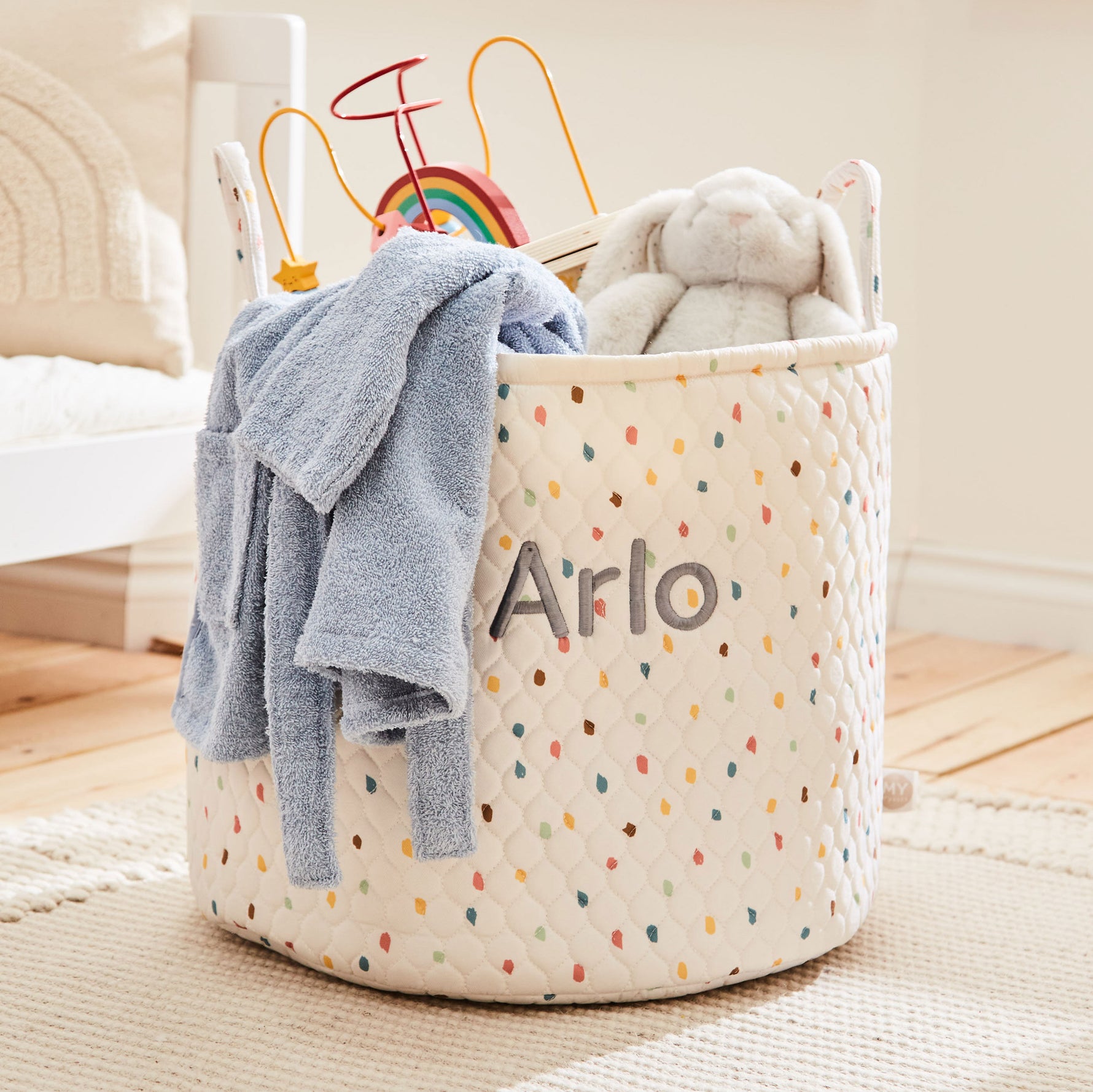
- Extend toy life through storage and hand-me-down practices: choose compact, neutral-coloured shapes that stack or nest, keep spare parts and instructions in labelled bags, photograph condition for resale or donation, and clean or quarantine items before passing them on.

How to personalise keepsakes that become treasured toys
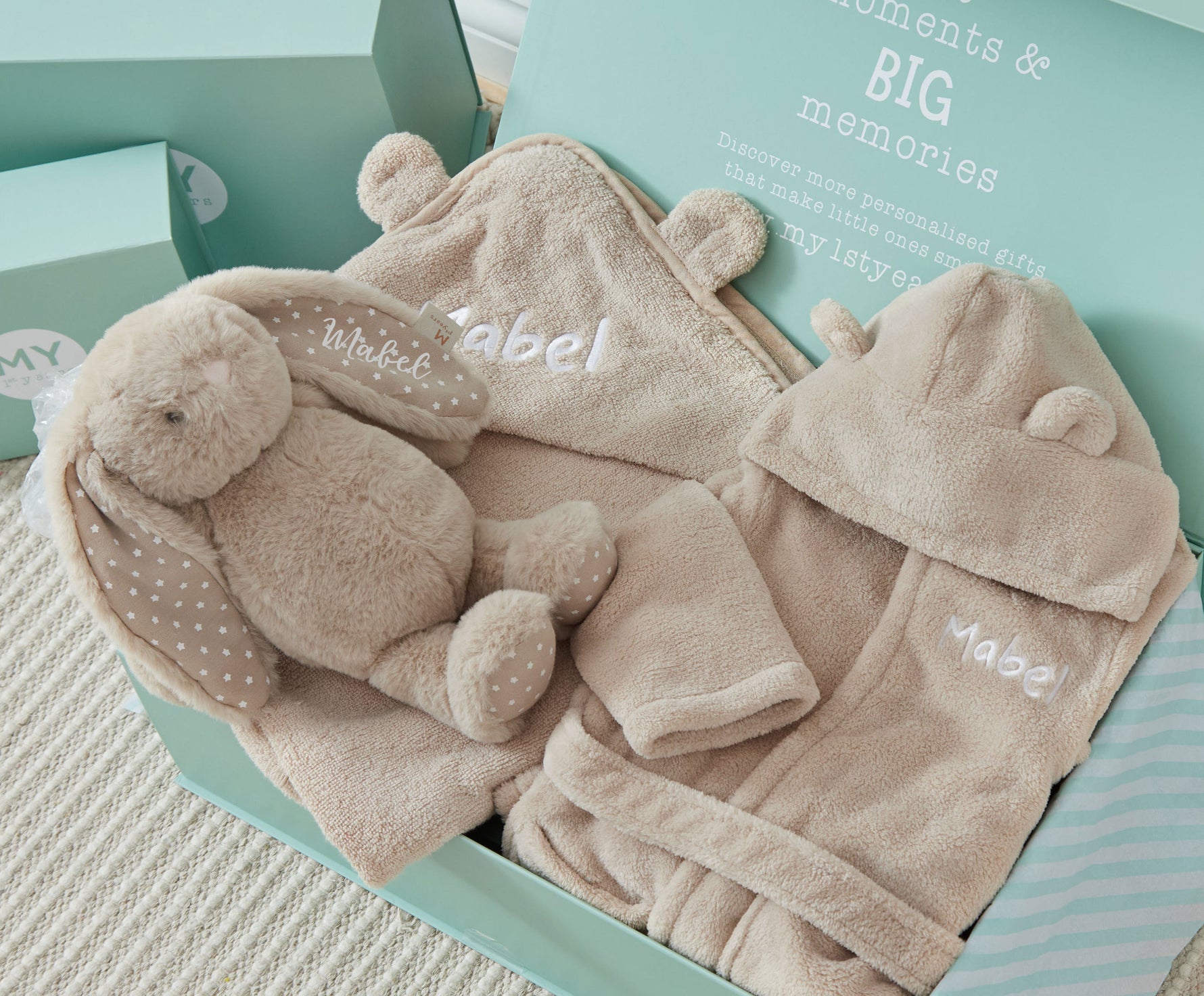
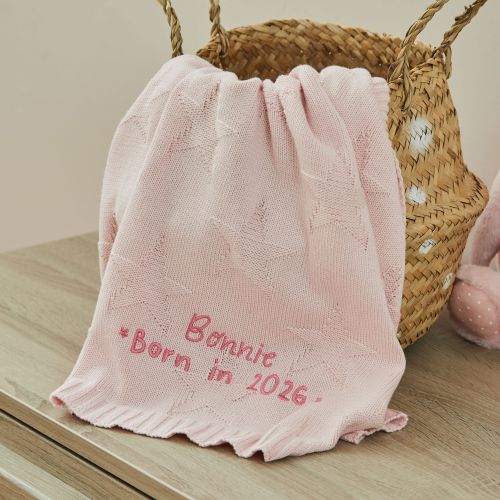
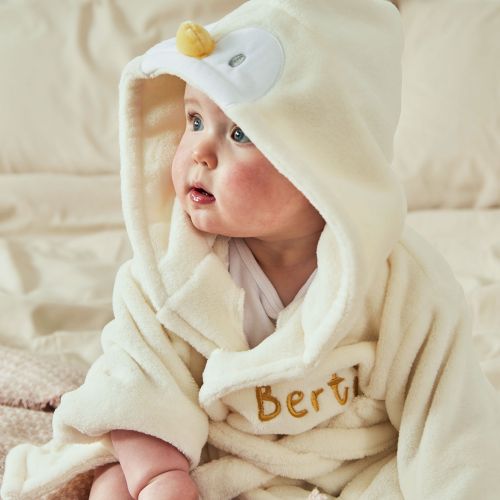
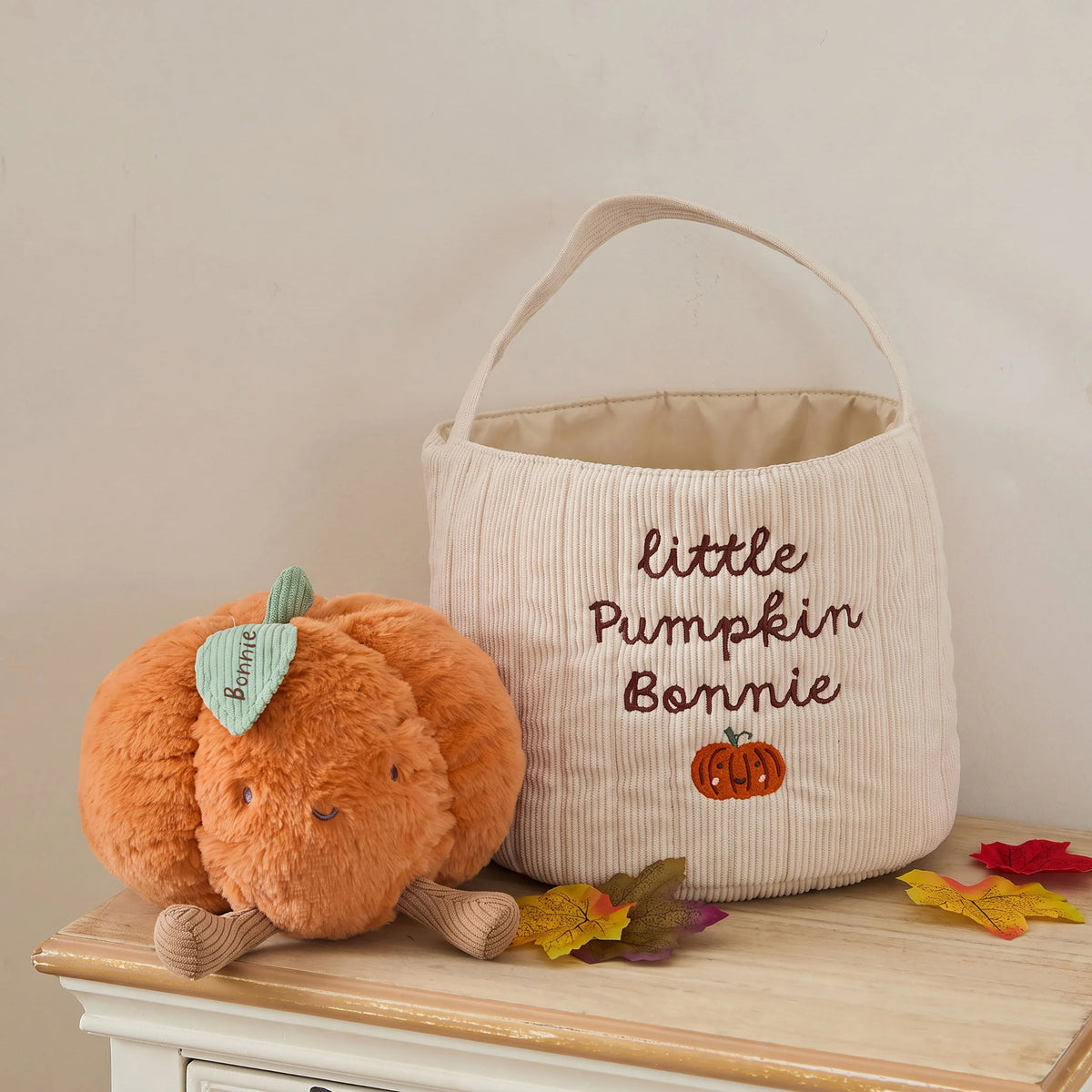
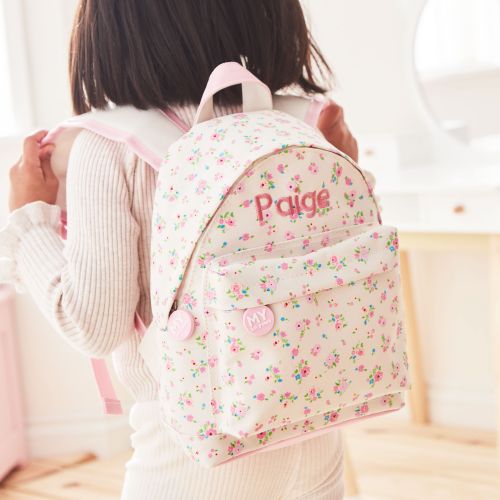
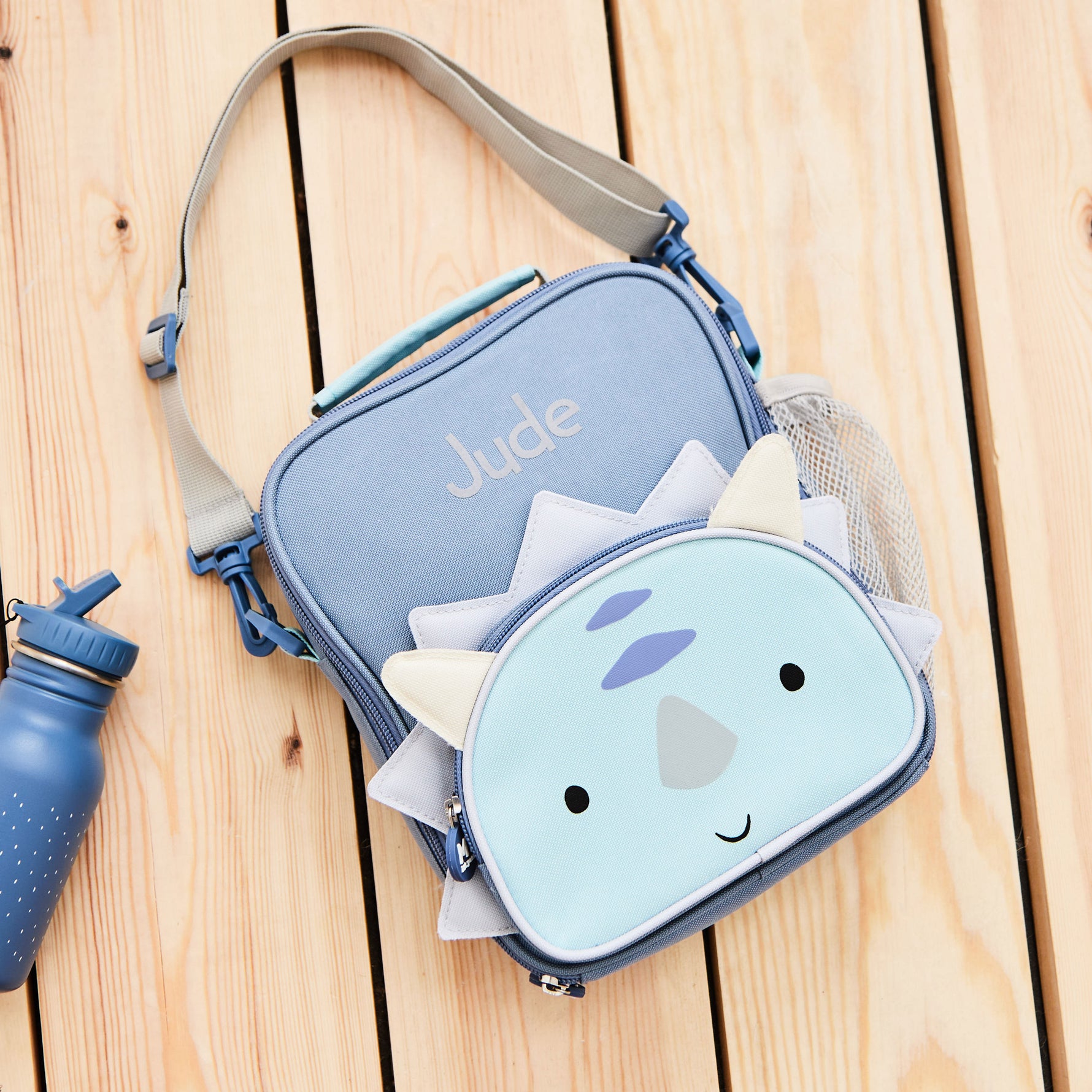
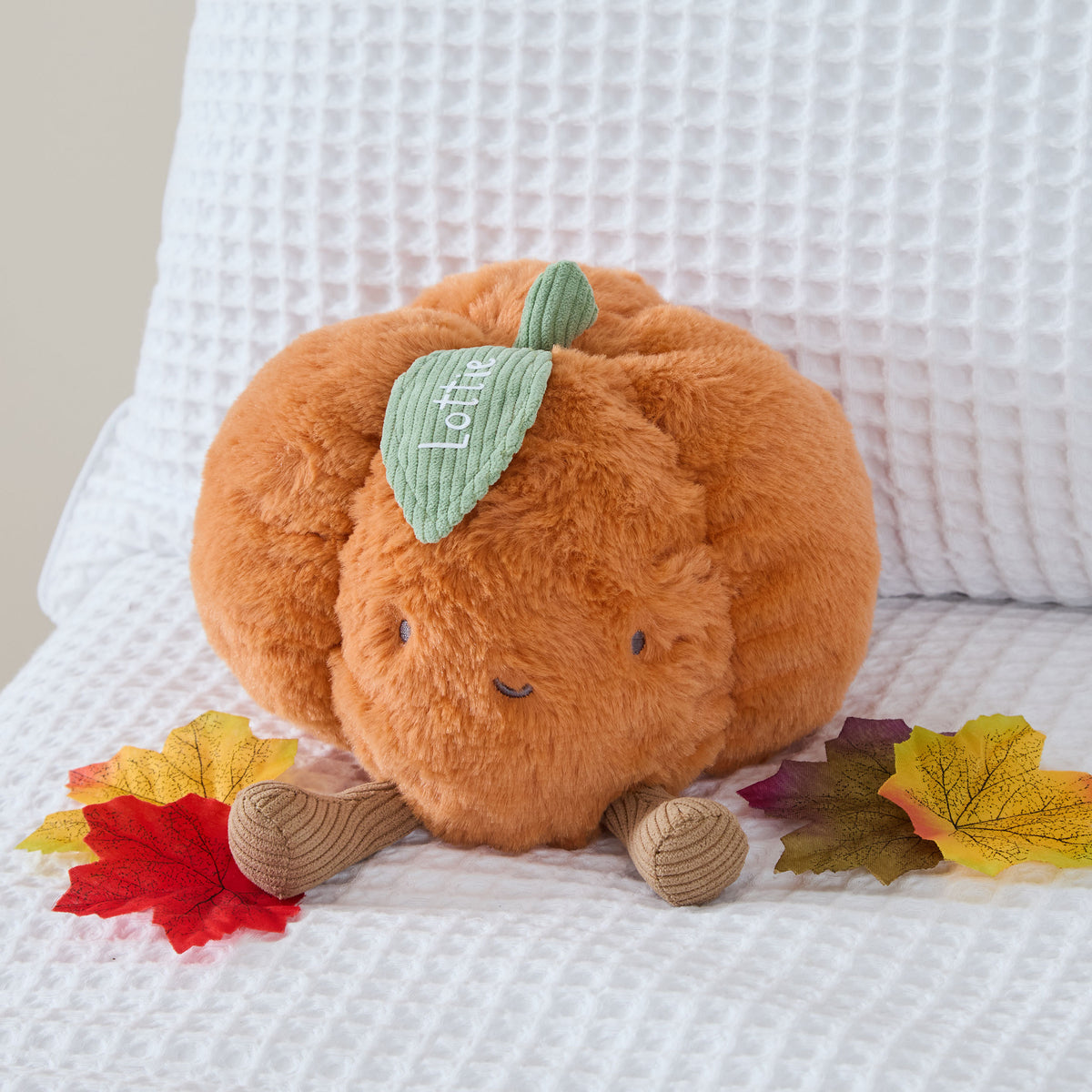
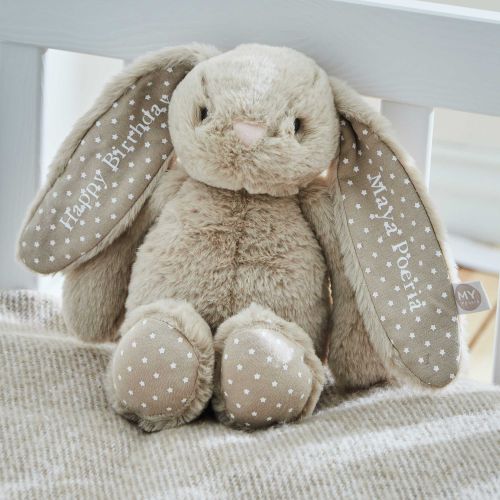
Choose personalised soft items that work as both playthings and keepsakes, such as a blanket, toy, or cushion embroidered with a name or birth details. Stitched text stands up better to repeated washing than printed transfers, and securely sewn features lower the risk of choking compared with glued or loose parts. Personalised board books that include the child's name, family members' names, or simple local references often hold attention more readily, because hearing their own name boosts focus and supports early language development. These choices give children familiar, comforting objects they return to again and again, which later become treasured keepsakes.
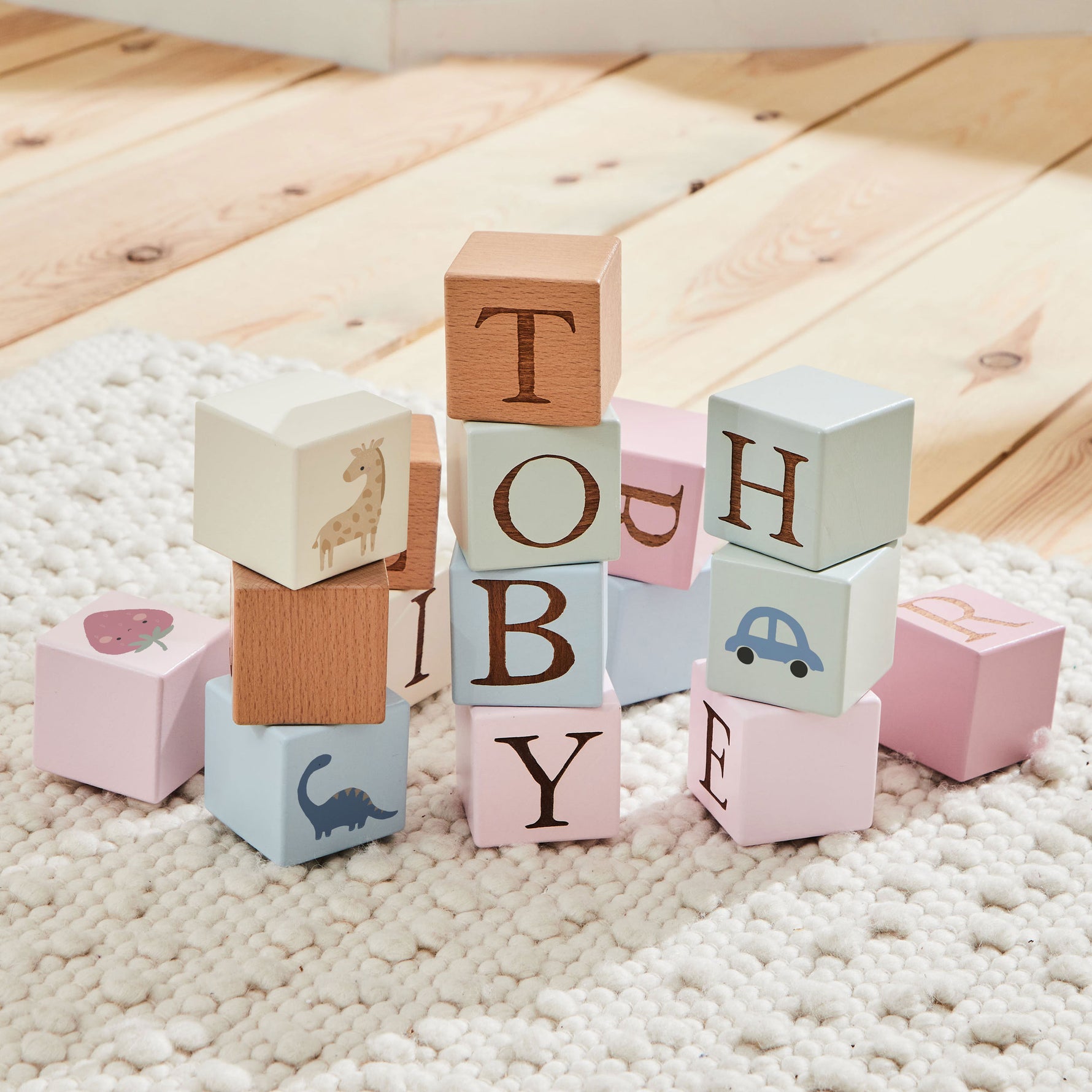
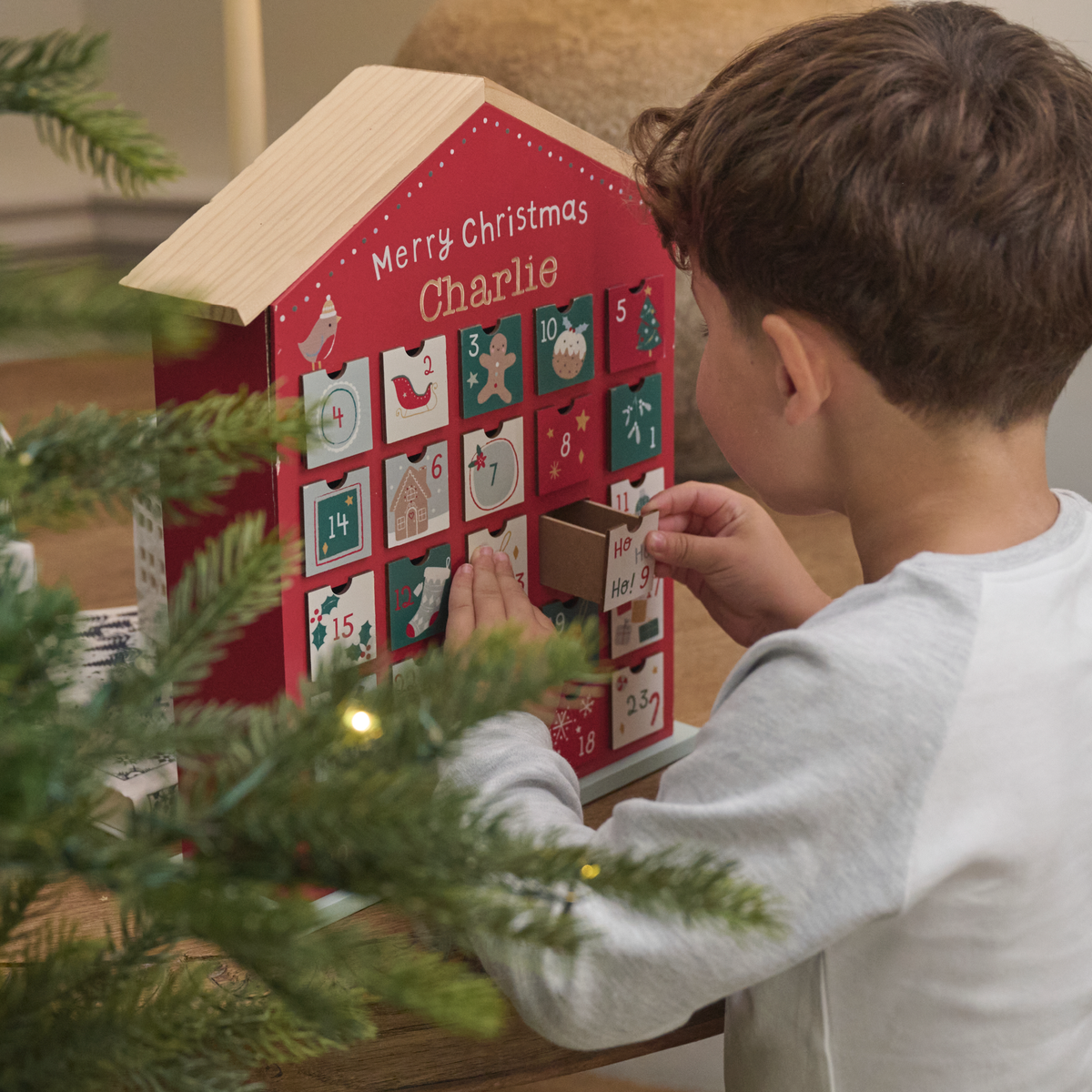
Choose dual-purpose gifts that transition from play to display, such as wooden name puzzles, personalised stacking toys, or engraved keepsake boxes. Pick designs where the personalisation is integral so the item remains meaningful as the child grows. Follow a concise safety and care checklist: confirm non-toxic materials and any relevant safety markings, avoid small detachable ornaments, ensure personalised additions are securely attached, and prefer washable, colourfast fabrics to keep items hygienic. For presentation and preservation, include clear care instructions for the recipient, photograph the item before first use, and store it wrapped in breathable packaging in a cool, dry place. Where future cleaning or repairs may be needed, choose removable attachments.
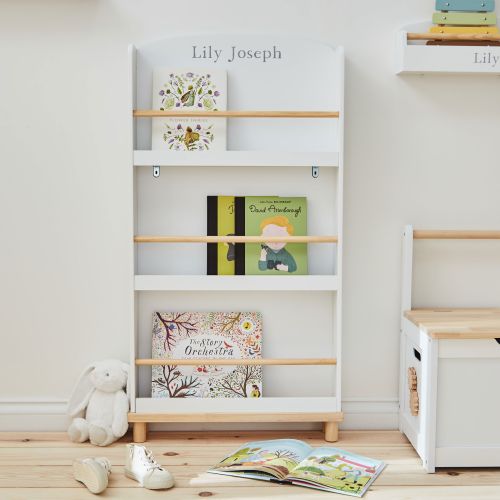
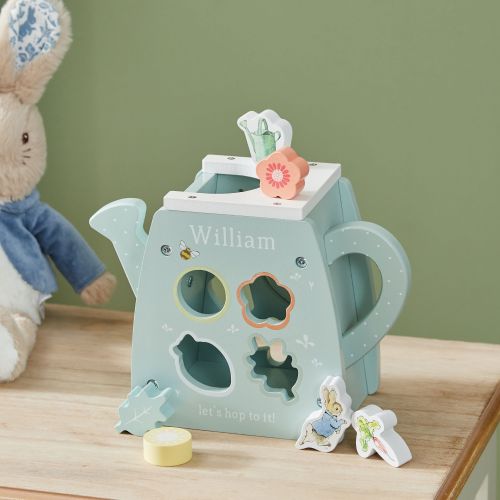
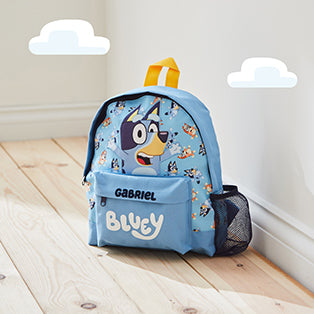
Personalised playset suits dual-purpose gifts—play then display.


Respect parents' wishes and prioritise convenience for busy families
A few quick checks before you buy can make a big difference. Ask whether the family prefers practical items or keepsakes, whether they welcome second-hand gifts, and if there are any allergies or household safety rules. Clear answers help you choose a gift that fits the family’s day-to-day life rather than relying on guesswork. Prioritise low-maintenance materials and designs: choose machine-washable fabrics, wipe-clean surfaces, and toys with few detachable parts, so parents spend less time on chores and more time with the child. Also choose items that arrive ready to use, need little assembly, or include clear instructions and labelled spare parts, so one person can set them up quickly, reducing household stress.
Bear routines and safety in mind: choose items without small parts and made from non-toxic materials, and check age guidance and basic safety features so the gift suits the child’s developmental stage and needs no retrofitted protections. Make the present easy to manage after arrival by offering a clear, simple returns or exchange option, including a note with size and care instructions, offering unwrapped delivery, or providing a redeemable digital alternative such as an e-gift voucher. Those small, practical choices help the gift fit into family routines and increase the likelihood it will be used, reducing the household burden.
As a final checklist, select items that meet safety standards, are made from non-toxic materials, and have parts large enough to prevent choking, chemical exposure, or instability. Look for clear safety markings as evidence of compliance, and inspect materials so you can spot anything that might cause harm. Prefer items that encourage movement and communication, offer predictable cause-and-effect responses to support learning, and are made from durable, washable fabrics so they remain useful as your little one grows.
Carry out a few simple practical checks when choosing or wrapping a toy. Try the toilet-roll test for small parts: if a standard cardboard tube slips over a loose piece, that part could be a choking risk. Check stability by pressing or wobbling joins, and make sure battery housings are screwed shut and require a tool to open. These quick tests indicate if a toy will withstand active play and remain safe. Ask the parents about routines, storage, and any material preferences, and include clear care instructions and exchange information with the gift. Favour personalised or modular pieces that adapt as the child grows, so the item supports development and is more likely to be kept, rather than adding clutter.


