



How Do I Choose Toys That Suit My Baby's Changing Abilities?
It can feel overwhelming when your baby's abilities and interests seem to change overnight. Which toys will capture your baby's attention today and help build the skills they need next?
This post guides you through matching toys to developmental milestones, assessing safety and materials, and choosing play that supports sensory, motor, visual, cognitive, language, and social skills. You will also find practical tips on curating, rotating, and personalising keepsake toys so play stays safe, stimulating, and meaningful as your child grows.

Match toys to your baby's developmental milestones
Match toys to clear developmental milestones to help little ones discover new skills. For very young babies, offer high-contrast items, soft rattles, and a variety of textures to encourage visual attention and early listening. As they begin to grasp, introduce lightweight rings and other easy-to-hold toys they can lift, hold, and explore. Use simple, repeatable checks to gauge readiness: dangle a toy just out of reach to see if they reach and close their fingers; place a small object in the palm to check for a palmar grasp versus the beginnings of a pincer grip; watch whether they mouth, bang, or deliberately manipulate items. Choose toys that invite the next skill, slightly challenging emerging abilities rather than repeating what the baby already does well. Linking what you observe to specific toy choices makes it straightforward to support each stage of development.
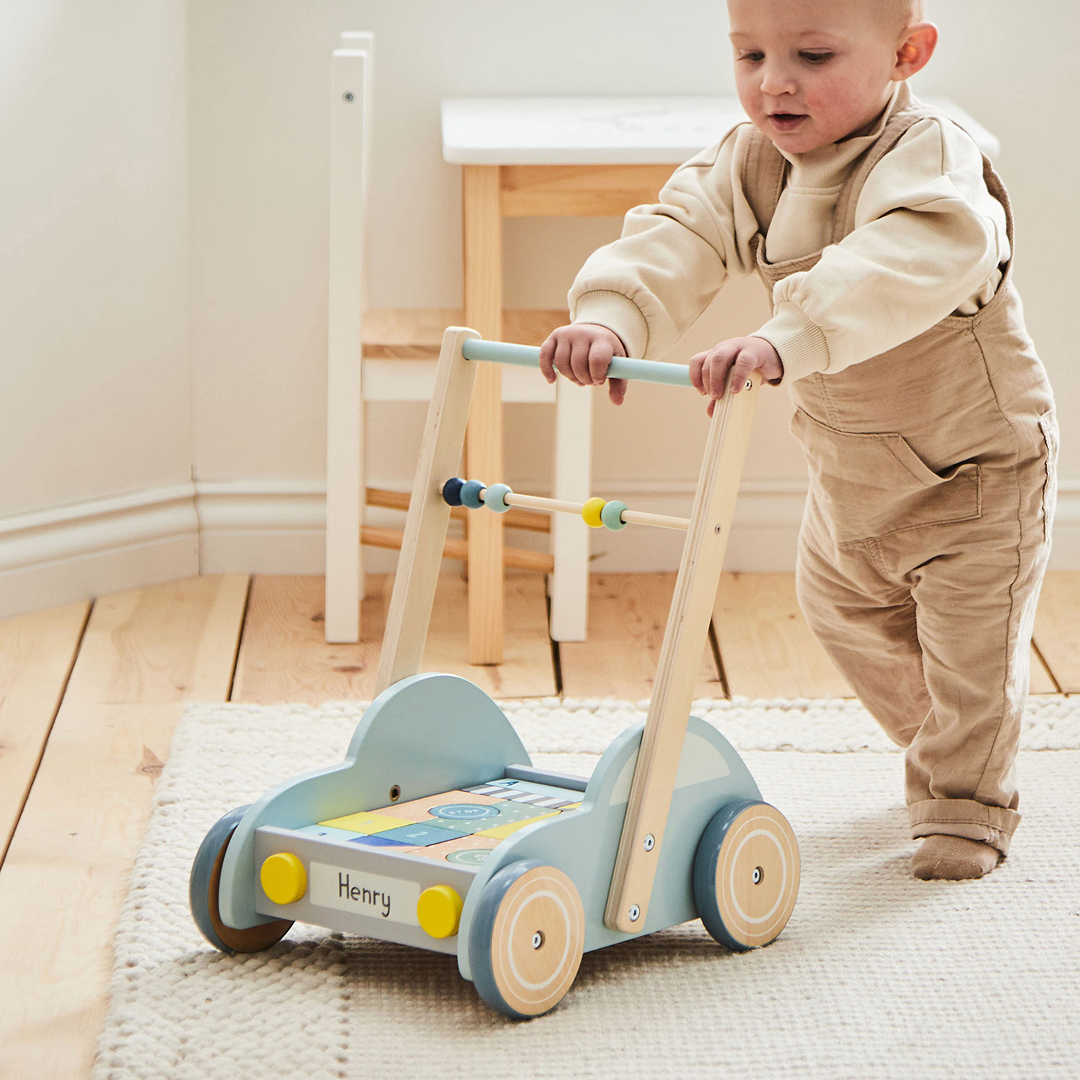
Increase challenge in small steps. Start by replacing single-action toys with ones that introduce sequencing or clear cause-and-effect, then move on to toys that need two-step actions once your baby reliably completes one action to keep frustration low. Choose toys that match your baby's motor skills and safety needs: favour sizes and grips suited to small hands, stable bases for standing play, tactile variety for sensory exploration, and secure construction so parts do not detach. Rotate toys and repurpose everyday objects, such as bowls for sorting, wooden spoons for rhythm, and cardboard boxes for enclosure and climbing, to sustain interest and help skills transfer to new contexts.
Offer textured stacking rings to build grasp and sequencing.

How to check toy safety, materials, and the right size
Try a simple mouth-size test: if a piece fits completely into your baby’s mouth, treat it as a choking hazard. Gently tug at any detachable parts to make sure they cannot be removed. Use the manufacturer’s age recommendations as a guide, choosing toys that match your baby’s current skills and the level of supervision you can provide. Prefer low-odour, non-toxic materials, and check for labels that show compliance with recognised safety standards. If a new toy has a strong chemical smell, air it outside or in a well ventilated room before giving it to your baby.
Check a toy’s construction and finish before you hand it to your baby. Run your hand along edges to spot any sharpness, and feel for loose stitching, weak glue joints, exposed metal, cracks, or splinters. Avoid toys with long cords, ribbons, or loops, and keep hanging items, drawstrings, and strap fastenings well out of reach as your baby learns to sit, pull up, and stand. Think about cleaning and durability when you choose toys: pick items that tolerate frequent washing or wiping, and follow the recommended cleaning method for each material. After cleaning, check toys again for degraded surfaces or loose components, and replace anything that absorbs moisture or starts to break down with use.
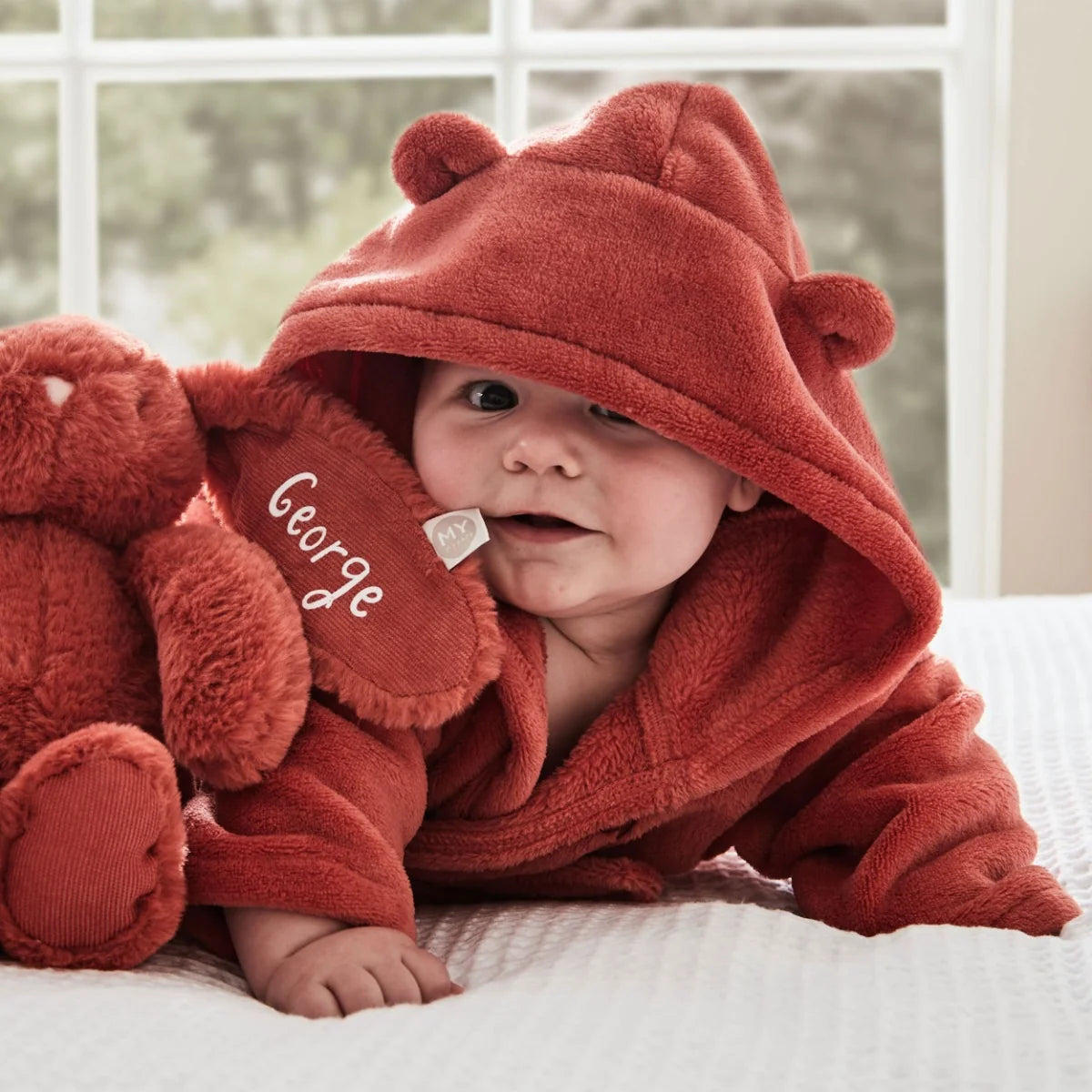
Pick a soft, newborn-safe cuddle companion

Activities to boost your baby's sensory, motor, and visual skills
Begin by focusing on one sense at a time. For sight, offer high-contrast books and black-and-white cards to support visual tracking. For touch, give cloths with varied textures so your baby can explore with their fingers and palms. For hearing, try soft rattles or toys with low, gentle tones that are easier for young ears to follow. Rotate toys regularly and note which items hold attention longest — these favourites reveal emerging preferences and strengths. To encourage tracking and depth perception, move toys slowly across your baby’s line of sight and present objects at different distances and layers so they learn to follow with both eyes and head. You will usually notice this as longer, steady gazes and smoother head-and-eye coordination over time.
Match toy size and shape to your baby’s hand skills. Begin with large, lightweight objects that have easy-to-grip contours, which support early reaching, grasping, and hand-to-mouth exploration. When you notice repeated reaching, reliable transferring between hands, and deliberate release, introduce smaller, firmer pieces with simple moving parts to encourage more refined manipulation. Support gross motor progress with floor mats that invite weight-bearing, rolling-friendly objects that prompt crawling, and stable items for supported standing, and pair these with textured surfaces or gentle sounds to strengthen coordination and spatial awareness. Choose adaptable, multifunctional toys with stackable components, reversible textures, or clear cause-and-effect features so you can change orientation or challenge to sustain learning. Prioritise easy-to-clean materials, and check items regularly for loose parts or choking risks as manipulation skills advance.
Choosing and using toys to build sensory, motor and visual skills
- Match toy type to the targeted skill: high-contrast books and black-and-white cards for visual tracking, varied-texture cloths and soft fabric books for tactile exploration, soft rattles with low-frequency sounds for auditory discrimination, chunky rings or large beads for fine motor grasp and release, and stable push toys, rolling balls, or low platforms to encourage gross motor weight-bearing and vestibular responses. Observe measurable signs of progress such as longer steady gazes, smoother head and eye coordination, repeated reaching, successful hand-to-hand transfers, deliberate releases, crawling toward an item, or supported standing attempts.
- Use presentation and scaffolding strategies that raise difficulty gradually: move toys slowly across the baby’s line of sight and vary depth to promote smooth pursuit and depth perception, place interesting items just out of reach to trigger reaching or crawling, combine textures and sounds to strengthen multisensory processing, and fade caregiver assistance (hand-over-hand to independent attempts) as skills stabilise. Track short engagement windows and advance task demands only after you observe consistent success across several tries.
- Keep toys safe, clean, and engaging with simple routines: inspect items regularly for loose parts, frayed seams, or small detachments and retire anything showing wear; prefer washable, non-porous materials and clean with warm soapy water or a baby-safe disinfectant, laundering soft items as the manufacturer advises; rotate a small set of toys based on observed attention—swap items when engagement drops or to introduce new challenges—and log play duration and the behaviours you see to guide timely increases in complexity.

Nurture cognitive, language, and social play with everyday toys
Start by matching a toy's complexity to the skills you can see, then gently raise the challenge by adding just one new requirement. For example, move from mouthing to textured toys for grasping, from two-piece stacks to three-piece puzzles, or from simple push-button sounds to lift-the-flap books that show predictable outcomes. Open-ended items such as simple blocks, nesting cups, soft dolls, or everyday containers invite varied play sequences that encourage problem solving, let babies practise cause-and-effect and symbolic play, and give adults natural moments to talk about actions, colour, and materials.
Make playtimes into gentle routines that encourage social interaction and shared attention. Choose simple toys you can use as scaffolds for turn-taking: roll a ball back and forth to practise turns and timing, use a puppet for peekaboo to build joint attention and early social cues, or offer a small set of toy dishes to invite back-and-forth play. Pause and wait for the baby to respond, then expand their sounds with a new word or short phrase to gently support language growth. Keep a small rotation of toys, storing most out of sight and reintroducing items with a twist — for example, pair a cup with stacking rings, or hide a favourite under a cloth to encourage searching and problem solving. Select durable, easy-to-clean materials, and swap or adapt toys when a child consistently masters an action so each object keeps inviting new exploration.
Add a stacker-and-ball set to extend problem-solving play.

How to curate, rotate, and personalise keepsake toys for lasting memories
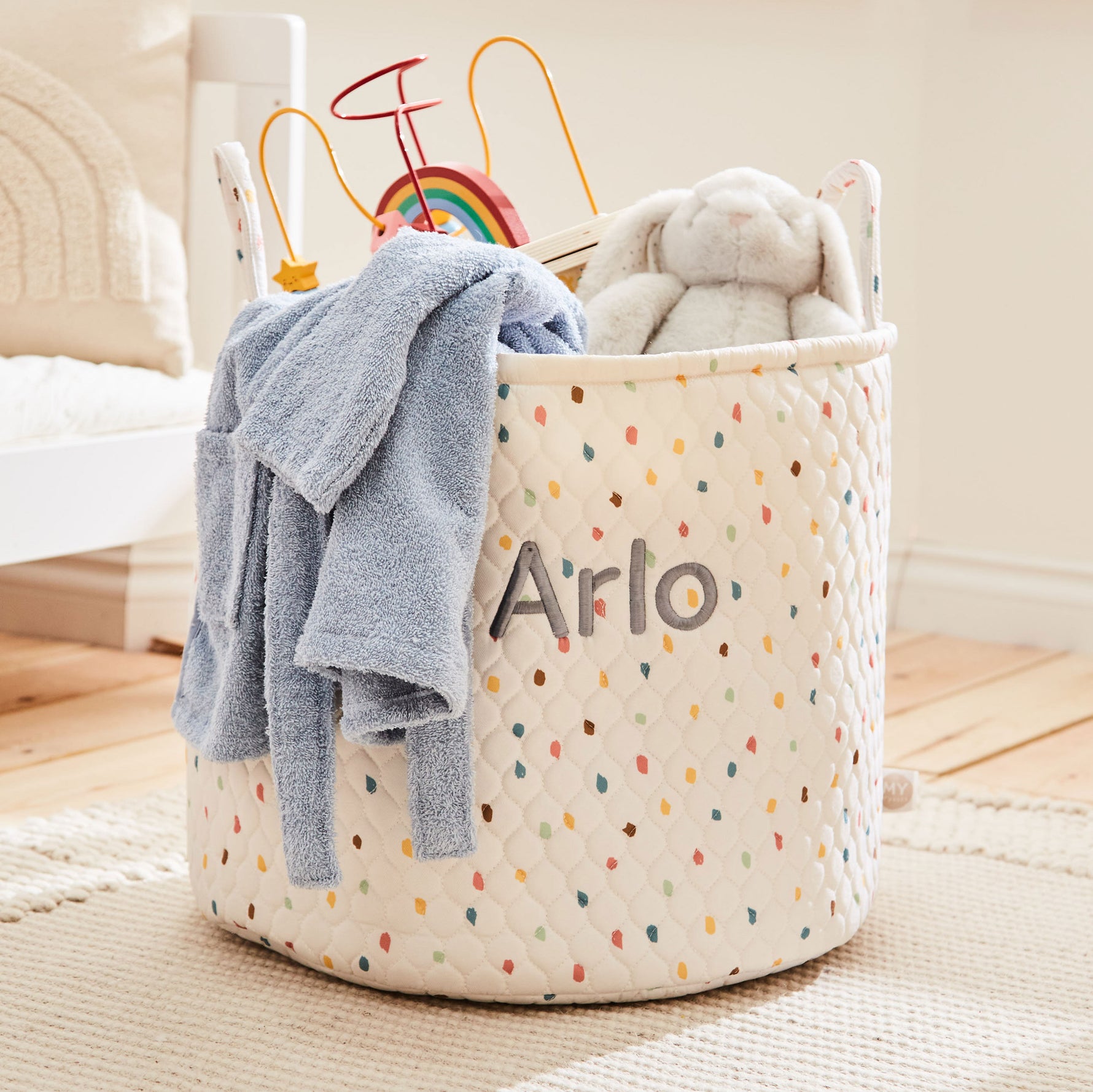
Start with a purposeful audit. Sort toys by the developmental affordance they offer, for example sensory items like textured rattles, cause-and-effect toys such as pop-ups, fine motor challenges like stacking rings, and pretend-play pieces like dolls or play food. Keep a few from each category in regular rotation, and store the rest out of sight so they feel fresh when reintroduced. Only bring toys back after a break, then watch which ones invite longer, more complex play — those returns reveal real staying power. Use those engagement patterns, together with the toy’s condition and the emotional attachment it provokes, when deciding which items to personalise and preserve as keepsakes.
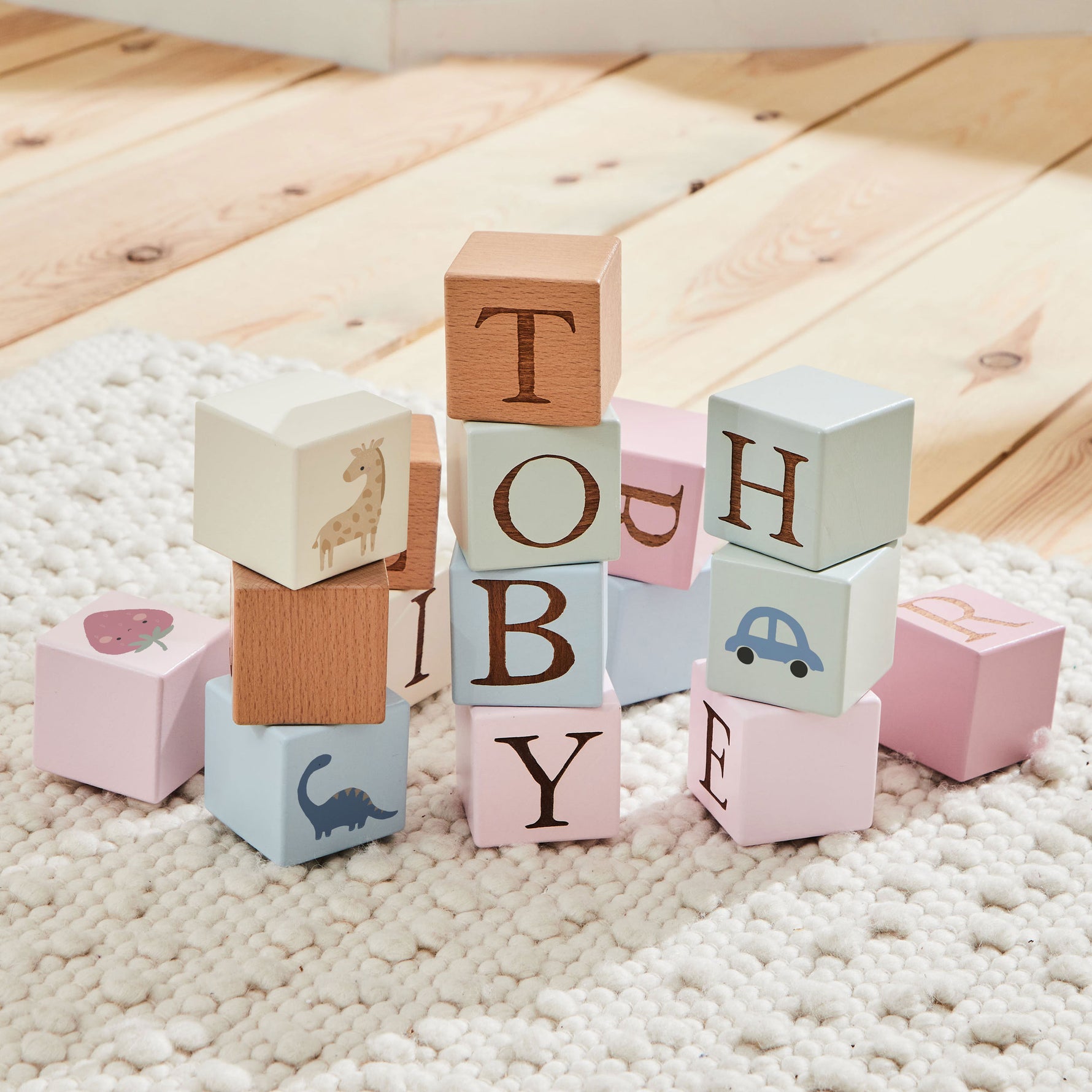
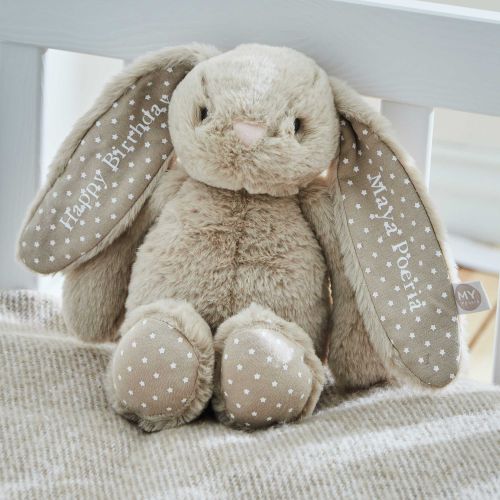
Personalise keepsakes to capture how a toy was used and what it meant. Embroider a name, sew a small internal pocket for a handwritten note, or attach a fabric tag that records a favourite game or milestone. To preserve condition, check seams and fastenings regularly, tuck small removable parts into a labelled pouch kept with the toy, and wrap items in breathable, acid-free materials. Avoid adhesive tapes or chemical treatments that speed up deterioration. Photograph the child using the toy, add a brief caption noting the learning it supported and the behaviours it encouraged, and store that record with the object so future viewers can see both the keepsake and the developmental story it holds.
Select toys aligned with the milestones you notice, and gradually raise the difficulty to help your baby build sensory, motor, visual, cognitive, language, and social skills. Watch for everyday cues, such as reaching, deliberate hand-to-hand transfer, a pincer grasp, mouthing, or banging. Introduce smaller grips, simple sequencing toys, and open-ended playthings when these behaviours appear. Gradual increases in difficulty let them practise new actions without feeling overwhelmed.
Pair those choices with routine safety checks, such as the mouth-size test, running your hand along edges, and cleaning and inspecting items in ways appropriate to the material to prevent hazards. Rotate and repurpose toys, record favourites and their condition, and personalise keepsakes so meaningful items stay safe and continue to spark new learning at each stage of development.
Share


