







Finding the right toddler backpack to keep your child comfortable, safe, and independent can feel like navigating a maze of choices. A poor fit or flimsy construction can cause backache, make your child harder to spot in a crowd, and leave tiny hands wrestling with fiddly fastenings.
This post highlights five features that tackle common concerns: adjustable straps, ergonomic support, a secure harness with reflective panels, pockets that are easy to reach and close, and durable, washable fabrics. For each feature we explain how small design choices influence fit, safety, and everyday convenience, and we share practical tips to help you spot backpacks that will grow with your child.

1. Secure a snug, comfortable fit by adjusting the straps
Measure your child's torso, not their age. Choose a pack whose back panel sits between the C7 vertebra at the base of the neck and the top of the hips so the load stays centred on the shoulder blades and the base does not sag away from the lower back. Look for wide, contoured, padded shoulder straps that follow the shoulder curve, spread pressure across the shoulder blades, and have padding that rebounds quickly rather than compressing into a narrow band. Include a height-adjustable chest strap and, where appropriate, a small hip or stabiliser strap to stop the shoulder straps slipping off.
When fitting a child’s pack, test the adjusters and anchor points for smooth, incremental movement and lasting durability. Check that sliders and buckles can be tightened one-handed while your child wears the pack. Make sure webbing tails are long enough to adjust but secured with keepers so they do not dangle, and that stitch points lie flat against the fabric to reduce hot spots. Do real-life movement tests with a typical load: have the child walk, climb, bend, and reach to confirm the pack stays close to the back and allows full arm movement. A snug fit will leave a small two-finger gap at the top of the shoulder straps, show no red marks or strap rolling, and avoid pinching, sagging, or slipping. If you notice any of those issues, readjust the straps or try a different size or strap configuration.
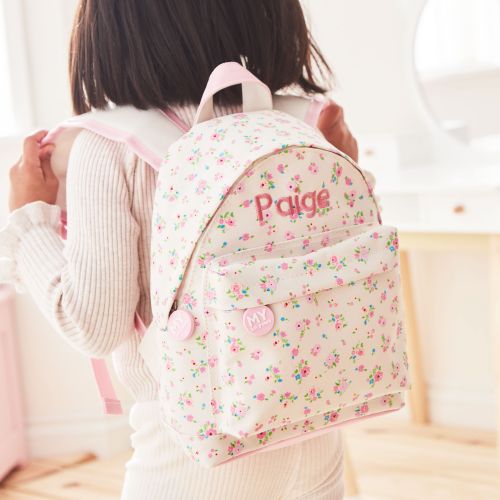
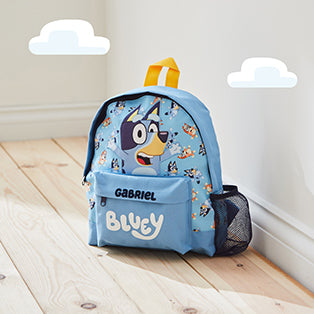
Teeny size with height-adjustable chest strap for snug two-finger fit.


2. Prioritise ergonomic support for comfortable, evenly balanced toddler carrying
Choose wide, contoured, well-padded shoulder straps that lie flat on the shoulders and do not dig in. Fasten the pack and walk around to check for any pressure points or seams that rub against the skin. Look for a chest strap that keeps shoulder straps secure, and consider a lightweight hip or stabiliser strap for toddlers who tend to lean or twist, because shifting some weight to the hips reduces strain on the shoulders and spine. A firm, cushioned back panel with breathable mesh keeps the pack close to the spine, improves airflow to reduce sweating, and helps prevent the load from tipping the child forward.
Prioritise correct size and fit over capacity. The pack should sit between your child’s shoulder blades and not hang below the waist — keeping the load close to the spine reduces strain and helps balance. Ask your child to try the pack on with a typical load and watch their posture and gait, adjusting shoulder straps, the sternum strap, and the hip belt until the bag moves as one with their body. Pack heavier items nearest the back, using internal compartments to centralise weight, and keep contents to a minimum to avoid uneven bulges. Finally, check for strap slippage, red marks, or uncomfortable pressure points; if you spot any, re-distribute or remove items until the fit feels comfortable and aligned.


3. Boost visibility with reflective panels and a secure harness
Retroreflective panels return light toward its source, helping drivers spot little ones at night. Fit panels to the shoulders, upper back, and chest so they register from the front, rear, and both sides, then confirm performance with a simple torch or car headlight check. For daytime visibility, pair high-contrast fluorescent panels with retroreflective strips: fluorescent pigments boost contrast in daylight, while retroreflectives send light back after dark. Wipe panels clean of mud and grit, and inspect them regularly for cracking or delamination, because dirt and damage reduce reflectivity; a quick hands-on check will show when panels need repair or replacement.
When choosing or fitting a child’s harness backpack, use this quick safety checklist: - Look for padded shoulder straps and a centred sternum clip for comfort and stability. - Choose a short, detachable tether with a secure clip that helps supervision without acting as a restraint. - Adjust the straps so the pack sits between the shoulder blades, and test the fit over a coat. - Make sure buckles require two independent actions to release. - Check there are no long, loose strap ends that could catch on objects. - Verify reinforced stitch points and buckle integrity. - Practise putting the backpack and harness on and taking them off so an emergency release is straightforward.
Position reflective strips at shoulders, upper back, and chest.


4. Organise essentials with accessible pockets and simple closures
A wide U-shaped front pocket with an oversized pull lets adults reach wipes or tissues one-handed and gives toddlers an easy way to retrieve items without fumbling, cutting time spent on mid-journey nappy changes. Mesh or clear internal pockets keep contents visible at a glance, reducing searching and helping small toys or dummies from going missing. Include a sealed, waterproof wet pocket with a wipe-clean lining to contain soiled clothes and leaky bottles, protecting the rest of the bag; the removable compartment makes laundering straightforward.
Choose simple, child-friendly closures, such as large zip pulls, magnetic snaps, elasticated baffles, or hook-and-loop fastenings, and try them with a small hand to make sure they open and close easily. Avoid tiny sliders and complex buckles that demand fine motor skills. Place frequently used items in external pockets, keep valuables in the main compartment, and use colour-coding or simple icon labels to teach toddlers where things belong. These small choices help children learn to pack and unpack more quickly and independently.
Large front pocket with easy zip for one-handed access


5. Choose durable, washable designs that adapt as your child grows
Choose durable fabrics such as dense woven polyester, coated nylon, or heavy canvas, and check how the bag is put together. Look for double-stitched seams, bar tacks where straps meet the bag, and taped seams, as these distribute stress and reduce the chance of tearing. In store, give the straps and handles a firm tug to reveal any weak stitching, and inspect the weave: a tighter weave resists snags and pilling better than a loose one. Consider washability features too. Wipe-clean coatings, removable liners, and genuinely machine-washable construction make everyday life easier. When you do wash a bag, empty all pockets, close the zips, use a gentle cycle and a mild detergent. Reshape the bag and air dry to prevent warping. Finally, remember that surface treatments and transferred reflectors can fade over time, so prefer sewn reflectors for lasting visibility.
When choosing a child’s backpack, look for growth-friendly features: long, fully adjustable shoulder straps, a detachable or sliding chest strap, an adjustable back panel, and enough extra strap length to fit the bag over a coat. Always verify the fit by measuring against your child’s back or trying the pack on with a coat. Inspect the hardware for robust zip teeth and pulls, moulded plastic or metal buckles, a reinforced base panel, and riveted or boxed-stitched handles. Check whether buckles, zips, and name tags can be replaced to extend the bag’s service life. For lasting performance, favour sewn reflective piping and embroidered name panels over printed decorations. Treat stains promptly, brush soiled seams gently, and store the backpack empty and dry to prevent mildew and material breakdown.
Choosing a toddler backpack that balances fit, support, visibility, organisation, and durability helps keep your little one comfortable, safe, and independent. Measure the torso, load the bag with typical items, and fasten the straps and closures to check fit and support. Look for reflective panels and washable fabrics to boost visibility and make cleaning easier.
When trying a backpack on your child, use these five features as a simple checklist: adjustable straps, ergonomic support, reflective panels and harnesses, accessible pockets, and washable, robust construction. Try each feature while the bag is on your child so you can see how it fits and moves: adjustable straps let you raise or lower the bag as their torso changes; ergonomic support spreads weight to protect developing posture; reflective panels and secure harnesses improve visibility on dark mornings; accessible pockets keep bottles and snacks within easy reach; and a washable, hard-wearing fabric means spills and playground scuffs won’t shorten the bag’s life. Checking these points makes it easier to choose a bag that grows with them, performs in real conditions, and saves you time and fuss.


