




How to Pack a Toddler's Backpack: Practical Essentials for Nursery and Days Out
Mornings with a toddler can quickly unravel if something essential is missing, turning a peaceful school run into a dash back to the car or a fraught moment at nursery drop-off. A well-packed backpack removes that friction, keeping spare clothes, snacks, nappy-change essentials, and safety items close at hand so you can soothe your child and carry on with your day.
This guide walks you through choosing a comfortable, labelled bag, building a compact feeding kit, prioritising health and hygiene essentials, and organising compartments so you can reach what you need without rummaging. Use the checklist and simple organisation tips to speed up drop-offs, make days out easier, and keep your toddler comfortable and safe.

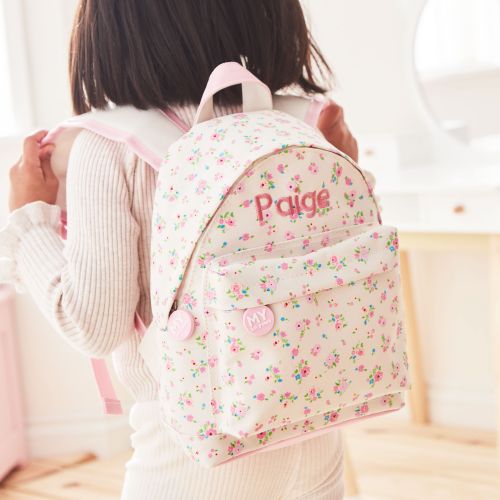
Choose a labelled backpack your child finds comfortable and can carry confidently
To make outings with a little one easier, first check the bag's fit. Load it with a typical nursery set and fasten the padded shoulder straps so they sit comfortably on the tops of your shoulders. Clip the chest strap to keep the bag steady, and make sure the base does not hang below the hips so the load stays even and well balanced. Look for a compact design with a main compartment for a spare set of clothes and nappies, a separate pocket for a beaker or bottle, and internal mesh or zipped pockets so nappies, wipes, and spare socks are easy to find. Prioritise a wide opening and easy-to-grip zips for busy hands, and a sturdy hanging loop that fits peg hooks to simplify storage. Finally, choose a wipeable lining or a removable inner bag to make cleaning quick and straightforward.
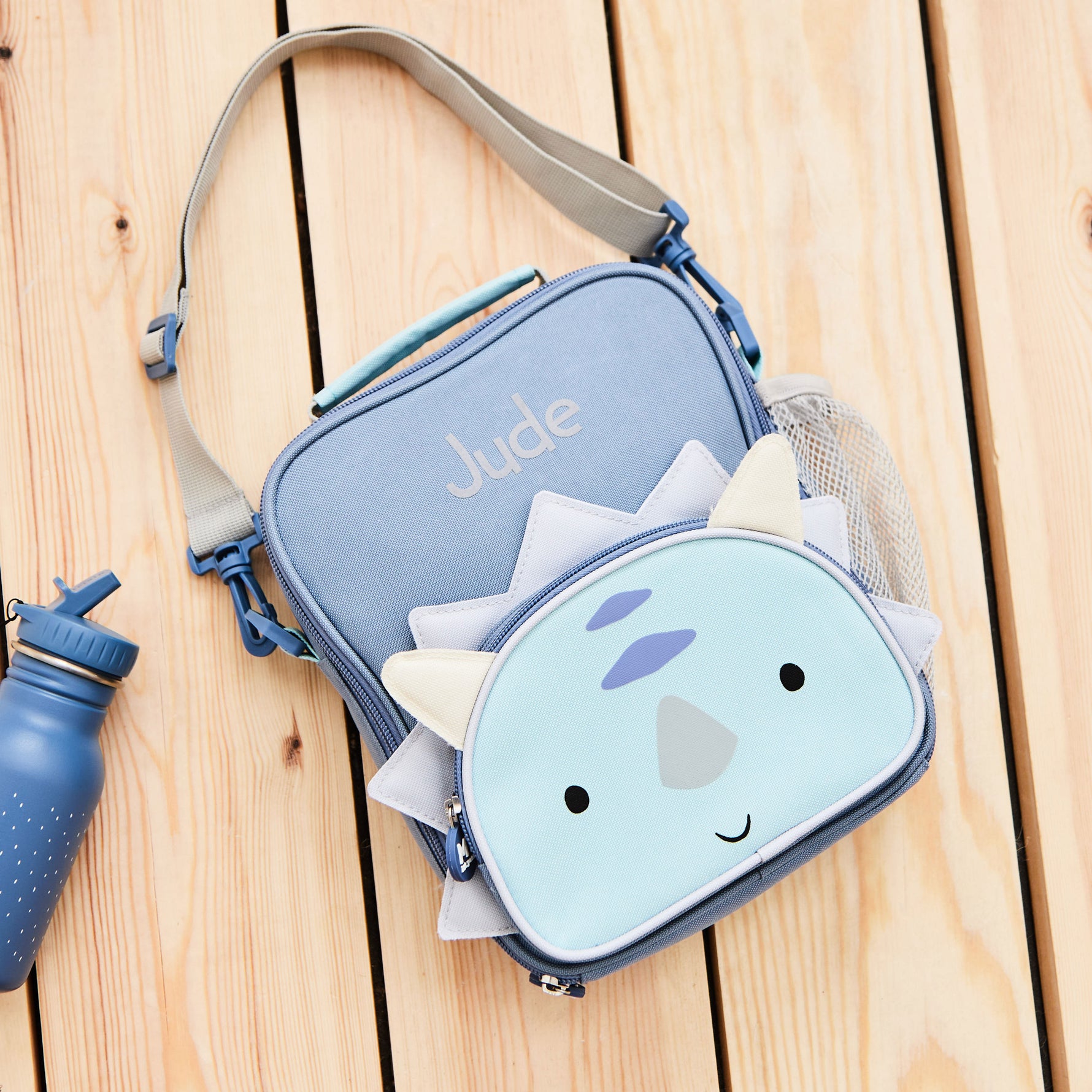
A few simple tweaks make a child’s bag easier to identify and safer to carry. Add a personalised name label inside, a waterproof sticker on the outside, and a small ID card or sewn-in tag with a contact name so lost items can be returned quickly at drop-off. Choose reflective trim for better visibility, avoid long, loose straps that can catch, and pack only the essentials so the bag stays light and doesn't pull the child forward. These steps reduce strain, speed reunions with carers, and make the bag quicker to spot and easier to wipe clean.
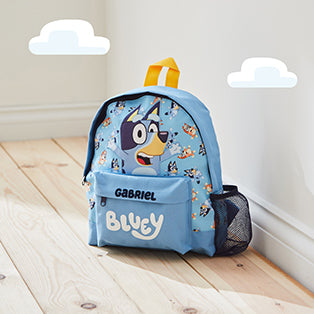
Add a personalised name label and reflective straps.


Pack spare outfits, nappies, wipes, and everyday essentials for baby
Pack two full spare outfits, each with a top, bottoms, socks, underwear, and a bib or vest. Choose machine-washable fabrics and easy-to-use fastenings, such as poppers, and include a third outfit for blowouts so nursery staff can change your little one without needing to call you straight away.
Pack soiled clothes into labelled, waterproof bags, and place disposable nappies in small, sealable nappy sacks. Sealing items separately traps moisture and odour, reduces the risk of cross-contamination, and keeps the main compartment clean.
Pack enough nappies, fragrance-free wipes, a travel-sized nappy cream in a labelled container, and a compact changing mat for your baby. Check and rotate these supplies daily, topping up so you never run out, and replace items before they reach their expiry or show signs of wear.
Pack several muslin cloths, a dribble bib, spare socks, and a small comfort blanket or soft toy, if the nursery allows. Muslin cloths soak up spills, and a familiar item can help your little one settle more quickly after a nappy change.
Include a card listing emergency contacts, known allergies, and any permission to administer medication, and tuck in a small first-aid kit with adhesive plasters and antiseptic wipes for minor bumps and scrapes.
Label items clearly and leave a short, written set of care instructions that lists allergies, medications and timings, emergency contacts, and any favourite comforters or routines. These specifics help staff respond quickly and safely, and keep your child’s day consistent and comforting.
To reinforce those instructions, label supplies clearly and store items separately so staff can find what they need quickly and keep the day running smoothly.
Keep labelled nappies, spare outfits and muslins together neatly.


Packing nutritious snacks and a portable feeding kit for days out
Choose balanced, ready-to-eat snacks that pair protein with complex carbohydrate and fibre. Protein helps little ones stay full and supports growth, while complex carbs and fibre provide steadier energy—try chopped soft fruit with cheese cubes, hummus with soft veg sticks, or oat puffs mixed with mashed banana. Pre-portion snacks into small, labelled, leakproof containers or reusable pouches so you can grab a single serving, cut waste, and keep dry items separate from moist ones to avoid sogginess. Cut items to safe sizes that suit little hands and mouths: quarter grapes and cherry tomatoes, slice sausages thinly, and avoid whole nuts or hard sweets to minimise choking risk while encouraging independent feeding.
Keep a compact, washable feeding kit in your bag so you can deal with mealtimes quickly and hygienically. Pack a small spoon or a spork (a spoon-fork hybrid), a foldable bowl, a waterproof bib, and a non-slip mat to make feeding on the go easier. Control temperature and spills by including an insulated flask or cool pouch for perishables, and a wrapped frozen block to keep food chilled. Tuck in hand wipes and a clean cloth for quick tidy-ups, plus a spare change of clothes for inevitable accidents. Label containers clearly and store utensils together in a single pouch to speed preparation and make it simple to swap items between nursery and days out.
Healthy, safe snacks and a compact feeding kit
- Easy, balanced grab-and-go combinations: pair a protein with a complex carbohydrate and fibre, for example chopped soft fruit with cheese cubes (or dairy-free cheese), hummus with soft veg sticks, oat puffs mixed into mashed banana, or thinly sliced cooked sausage with soft mashed potato. Aim for child-friendly portions such as 1–2 tablespoons of dip or mash plus 4–6 small pieces of fruit or veg, and choose soft, easy-to-gum textures for younger children.
- Practical safety, allergy and choking precautions: avoid whole nuts, hard sweets, popcorn, and whole grapes or cherry tomatoes for children who still mouth or have limited chewing skills; quarter or slice these items and cook or grate hard vegetables and fruit. Label containers clearly with ingredients and allergy warnings, keep allergenic foods physically separate, wash hands and utensils between different foods, and use rounded, short-handled spoons or sporks and non-slip bowls to reduce risk.
- Packing, storage and hygiene hacks for the feeding kit: use small, labelled, leakproof containers or reusable pouches and keep dry items separate from moist ones; include an insulated pouch and a wrapped frozen block to keep perishables cool, and choose dishwasher-safe, washable utensils and a foldable bowl for quick cleaning. Maintain a compact checklist in your bag—spoon or spork, foldable bowl, waterproof bib, non-slip mat, insulated pouch or flask, hand wipes, spare change of clothes—and pre-portion snacks ahead of time so you can grab a single serving and swap items between nursery and days out easily.

Safety, health, and hygiene essentials every new parent should know
Tuck a laminated card into your child’s nursery bag with their full name, a recent photo, two contact numbers, and the name and contact details of their primary care practice. Add any allergy or medical alerts so staff and emergency services can identify the child and contact caregivers quickly. Include a compact first-aid kit with assorted adhesive plasters, antiseptic wipes, sterile gauze, and a small cold pack. These items let staff treat minor cuts and bumps promptly, reducing the risk of infection. Keep medicines in their original packaging, clearly labelled with the child’s name and dosage instructions. Include a signed, written authorisation for nursery staff to administer any treatment. For prescribed adrenaline auto-injectors, pack the correct device, add a concise action plan, and tell staff exactly where it is kept to ensure swift, authorised care in an emergency.
To make handovers smoother and safer, organise hygiene and changing essentials in a clearly labelled, wipe-clean pouch so staff can perform quick, hygienic changes and limit cross-contamination. Include baby wipes, tissues, hand sanitiser, a waterproof changing mat, spare clothes, nappies or pull-ups, and sealed disposal bags. Pack a sealed water bottle and pre-prepared, age-appropriate snacks in separate, labelled containers. Cut food into toddler-friendly pieces to reduce choking risk, note any dietary restrictions on the emergency card, and avoid small, hard foods that present choking hazards so staff can follow the child’s needs throughout the day.
Labelled canvas bag for nursery handovers and toy medical play.


How to organise your changing bag for quick, calm nappy changes
Think of the bag as a small, mobile nursery: place heavier items, such as a water bottle or thermos, close to the back panel and keep bulkier spare clothes or nappies at the base so the bag sits comfortably and resists toppling. When weight is distributed this way, the bag feels steadier and lighter on your shoulder. Use clear, labelled, colour-coded pouches to group snacks, changes, medicines, and comfort items. Colour-coding helps you spot what you need at a glance and makes handovers between carers quicker and less awkward. Keep a grab-and-go essentials kit in an external pocket with wipes, a small snack, tissues, and a contact card listing allergies and emergency numbers. That way urgent needs can be met without opening the main compartment. Protect the rest of the bag from spills and soiled items by packing snacks in resealable containers, including a spare outfit, and using a waterproof pouch for wet or dirty clothes. Add a small wet bag to separate contaminated items from dry ones for an easy, hygienic solution on the move.
Slip a simple packing checklist into the changing bag or attach it as a laminated card, and keep a single restocking spot at home so you always rebuild the bag there before nursery or a day out. A consistent internal layout, paired with a visible checklist, cuts down on forgotten items, saves minutes when you are leaving, and helps any carer or family member find things in the same place. Over time, these small routines make packing a quick, repeatable task rather than a last-minute scramble.
Packing a toddler's backpack the night before eases hectic mornings by keeping spare clothes, feeding items, medicines, and hygiene supplies to hand, so carers can deal with mishaps without delaying the day. Select a labelled bag that fits the child well and organise contents into clear, colour-coded pouches, for example green for snacks, blue for spare clothes, and yellow for medicines, so essentials stay visible, quick to grab, and evenly distributed for the child to carry.
Keep a laminated checklist by the door, a dedicated restocking area at home, and a grab-and-go pouch so you repack the bag consistently and rotate consumables before outings. These simple rituals reinforce the earlier points, leaving you better prepared for calmer drop-offs, smoother days out, and quicker responses when it matters most.
FAQ
What should I look for when choosing a toddler backpack?
Choose a comfortable, compact bag with padded shoulder straps, a stabilising chest strap, and a base that does not hang below the hips; look for a main compartment, a separate bottle pocket, internal mesh or zipped pockets, a sturdy hanging loop, a wipeable lining or removable inner bag, reflective trim, and clear personalised labels or ID.
How many spare outfits and changing supplies should I pack?
Pack two full spare outfits plus an extra for blowouts, including socks, underwear, and a bib or vest, and add nappies, fragrance-free wipes, travel nappy cream in a labelled container, a compact changing mat, muslin cloths, and a waterproof bag for soiled clothes, rotating items regularly.
What snacks and feeding kit should I include to keep meals safe and easy?
Pre-portion balanced snacks that pair protein with complex carbohydrate and fibre into leakproof containers, cut potential choking hazards into small pieces, and keep a compact feeding kit with a spoon or spork, foldable bowl, waterproof bib, non-slip mat, insulated pouch or flask, and hand wipes.
Should I pack medicines and emergency information, and how should I store them?
Include a laminated card with a recent photo, contact numbers, allergies, and medical alerts, keep medicines in their original packaging labelled with the child’s name and dosage alongside a signed authorisation for staff, and pack any prescribed auto-injector with a concise action plan while telling staff where it is kept.
How can I organise the bag for quick access and consistent restocking?
Place heavier items close to the back panel, use clear, colour-coded pouches for snacks, changes, medicines, and comfort items, keep a grab-and-go pocket with wipes and a contact card, include a waterproof wet bag, and tuck a laminated packing checklist into the bag while using a single restocking spot at home.
Share


