




How to choose a toddler backpack that fits, supports posture and holds essentials
A well-chosen toddler backpack can turn the school run into a gentler, more organised routine, while the wrong size or poor design can make each trip a struggle. Many parents juggle fitting a small frame, supporting developing posture, and carrying nappies, snacks, and spare clothes without adding bulk.
This guide explains how to choose a school bag that suits your child's day, fits as they grow, supports posture with ergonomic features, packs efficiently thanks to clever compartments, and is made from durable, easy-to-clean materials. Read on for practical checks and simple measurements that show which features make a real difference in everyday use.

How to choose the right backpack for your child
Measure your child's torso from the base of the neck to the top of the hips, and choose a backpack height that sits between the shoulders and the top of the pelvis so the pack rests naturally on the body. When the bag is packed, tighten the shoulder straps so they sit snugly without digging, and fasten the chest strap to stabilise the load and let your child move freely. Aim to keep the packed weight to about 10% or less of your child's body weight, and place heavier items close to the back and centred to reduce forward pull. Finally, have your child try on the loaded pack and ask them to walk, climb a step, and bend. Watch their posture and gait: if their shoulders slump, the straps dig in, or they lean forward, adjust the fit or reduce the load until their spine stays upright and movement is unrestricted.
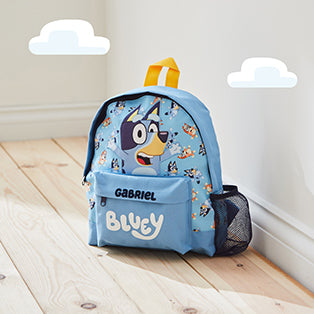
A simple packing template that matches compartments to the day ahead keeps outings calmer and your bag lighter. For a nursery visit, pack spare clothes, nappies, and wipes; for a short walk, slot a water bottle into a side pocket and a small snack into the front pocket; for a full-day outing, layer clothing, stow lunch in the main compartment, and use an insulated bottle pocket to keep drinks at the right temperature. Choose a bag with a firm back panel to spread weight evenly, ergonomic padded shoulder straps, and adjustable chest or hip straps you can add or remove as your child grows. Breathable padding helps reduce sweat and chafing, and wipeable linings or machine-washable fabrics make spills easier to handle. Wide-opening zips speed access, reflective or high-contrast trim improves visibility, and a short packing checklist stops you carrying unnecessary weight.
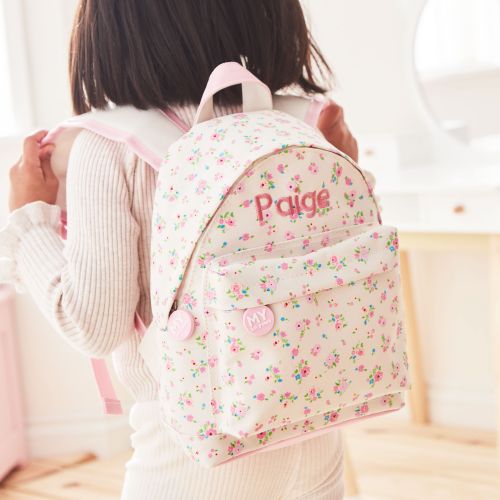
Snug chest strap, wipe-clean fabric and reflective trim improve visibility.


How to fit your child's backpack for changing sizes
To get a comfortable, safe fit for a child’s rucksack, measure their torso and check how the straps and belt sit. Follow these steps: 1. Measure the torso: find the bony bump at the base of the neck and the top of the hip bone, then measure the distance between them with a soft tape or a piece of string while the child stands upright. Use that length to choose a pack with an adjustable torso or a removable panel. 2. Check the shoulder straps: they should be contoured, padded, and sit flat over the shoulder blades. 3. Position the chest strap: fasten it across mid-chest, not near the throat. 4. Fit the hip belt: rest it on top of the hips so it can transfer some of the load from the shoulders. 5. Test with weight: before buying, fill the pack with the items the child will carry. Tighten the straps until the pack sits close to the upper back and the bottom rests only a few finger-widths above the top of the hip bone. A close-fitting load reduces swaying and helps the child maintain natural balance.
To keep little shoulders comfortable over time, choose a rucksack with adjustable straps, removable inserts, or compression straps. These let you tighten the fit to accommodate growth or thicker layers, instead of picking a much larger pack that can hang low and alter posture. Watch them in real activities, such as walking, climbing, and running, and look for signs that the fit needs adjusting: slumping, shoulder strain, or a forward lean. If they slouch or favour one shoulder, reduce the load, rebalance items so heavier objects sit close to the spine, and encourage them to use both straps to spread the weight evenly. Regular checks and small tweaks will help maintain posture and stability during their development.
Adjustable straps and padded back to accommodate growth.


How ergonomic support helps your child's posture and comfort
To help keep your child’s back comfortable and well supported, start by measuring their torso from the most prominent vertebra at the base of the neck down to the top of the hip bone. Set the shoulder straps so the pack sits no lower than the top of the hips, then tighten and recheck the fit so the load stays centred over the pelvis. Look for a pack with a semi-rigid back panel, wide padded shoulder straps, a sternum strap, and a low-sitting hip belt — these features transfer weight onto the hips and reduce forward lean. Choose breathable padding and reinforced stitching to help keep the spine aligned and prevent the pack sagging under regular use.
When packing your child's rucksack, place the heaviest items closest to their back and centred in the main compartment. Use internal pockets or small pouches to prevent shifting, and remove non-essentials so the weight sits close to the spine. Aim for a carried weight of around 10% to 15% of the child's body weight, and favour lightweight, durable fabrics to reduce load without losing strength. Test the fit by having your child walk, climb stairs, and bend with a typical load while you watch for rounded shoulders, a forward lean, or red strap marks, and adjust the shoulder straps or redistribute contents until those signs disappear.
Everyday backpack fit and packing guide
- Quick-fit checklist for every use: measure the child’s torso from the most prominent vertebra at the base of the neck to the top of the hip bone, set the hip belt low and snug over the top of the hips, tighten shoulder straps and the sternum strap, then have the child walk, climb stairs, and bend while you recheck the fit.
- Pack to keep the centre of mass close to the spine: place the heaviest items closest to the back and centred, use internal pockets and compression straps to stop shifting, remove non-essentials, and aim for around 10% to 15% of the child's body weight.
- Choose ergonomic features that preserve posture: a semi-rigid back panel to resist sagging, wide padded shoulder straps, a low-sitting hip belt to transfer load onto the pelvis, breathable padding, and reinforced stitching to maintain alignment.
- Spot poor fit and fix it quickly: look for rounded shoulders, forward lean, red strap marks, or a hip belt that rides up; immediately redistribute contents, shorten or lengthen specific straps, lower the pack, or reduce weight, and consider a different size if problems persist.

Pack efficiently: clever pockets and compartments that keep your child's essentials organised
Try assigning pockets by purpose. Put a spare outfit and sun hat in the main compartment, use an insulated pocket for snacks so food stays cool, a mesh side pocket for a drink bottle, and a small zipped pocket for plasters and an emergency contact card. Keep interchangeable sets — nappies, wipes, and snacks — in removable pouches or clear zip bags; swapping one pouch at a time speeds up packing and stops loose items spilling into the main compartment. Reserve an easy-access pocket for immediate needs like tissues or a small snack, and add a tactile tag or a brightly coloured pull so a toddler can find it by feel. Practise packing together to build the child’s independence and reduce the time spent searching for things.
Place the heaviest items closest to your child's back and centre them vertically to reduce forward pull. Slip a jumper or a thin foam pad between the lining and the contents to stop items from sagging into their back. Watch your child walk at home — if they lean forward or round their shoulders, the bag may be too heavy; weigh the packed bag occasionally and remove anything non-essential. Keep packing simple by choosing multipurpose items, and use a short checklist for caregivers so everyone packs the same way and the load stays supportive.
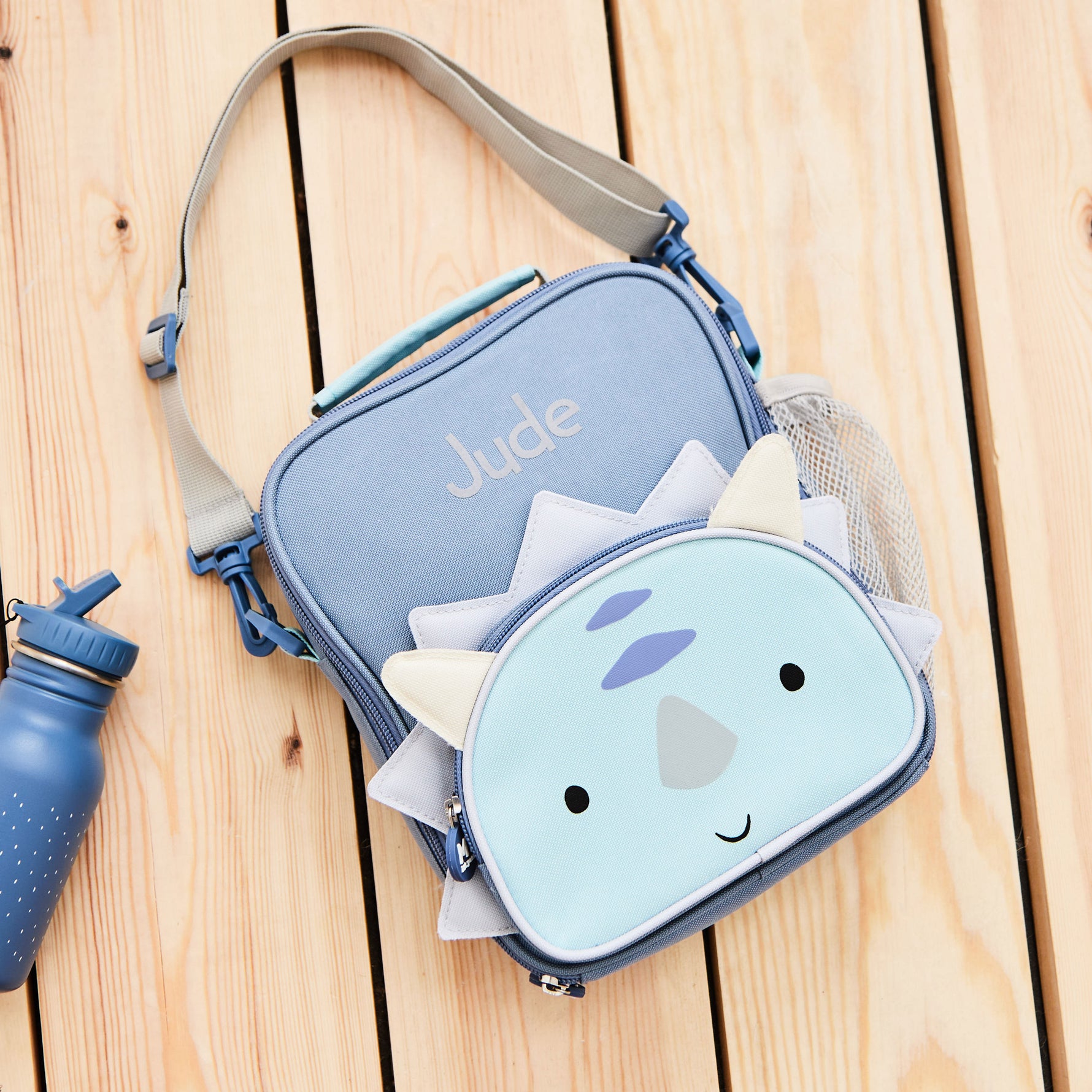
Assign pockets in the big backpack; keep heavy items close.


Choose safe, hard-wearing materials that clean easily
When choosing or caring for waterproof, padded items, look for ripstop nylon or tightly woven polyester, a polyurethane or PVC coating, and closed-cell foam padding. The tight weave resists tearing, the coating makes water bead and blocks stains, and closed-cell foam does not absorb water, so it resists soaking and dries quickly — features commonly used in outdoor and baby gear for that reason. For routine cleaning, spot clean coated synthetics with a soft cloth and a mild detergent. For woven fabrics, gently brush away dirt, then allow the item to air dry. Remove and wash any detachable linings or strap covers separately. Avoid bleach and high-temperature tumble drying, as these can break down coatings and foam. Always follow the product care label to preserve water resistance and the pad structure.
When choosing zips, pick corrosion-resistant metal or moulded plastic with smooth teeth to reduce rust and snagging, and avoid small detachable parts that could become choking hazards. Check stitch points and buckles for secure reinforcement and smooth operation. Breathable mesh on shoulder pads helps reduce sweat but traps dirt, so favour removable, washable covers or a wipeable inner lining to contain spills and make cleaning straightforward. For durability and sustainability, recycled polyester often offers high abrasion resistance and uses less virgin material, while organic cotton breathes well but tends to absorb stains more readily. Reinforced seams, bartack stitching at stress points, and replaceable hardware all extend lifespan and make repairs easier.
Choose a toddler backpack that fits your child’s torso, keeps the load close to the spine, and has padded shoulder straps and a sternum strap to support developing posture. Measure your child’s torso, try the bag on with a small, realistic load to check the fit, and keep packed weight low to see which design features help in everyday use.
Organise the bag's compartments for daily needs: a roomy main section for spare clothing, an insulated pocket for food and drinks, and quick-access pockets for wipes, tissues, and small snacks so essentials are easy to reach. Choose wipe-clean, hard-wearing fabrics, reinforced stitching, and linings that tolerate frequent washing, and check the straps and fit regularly so the bag remains comfortable and supportive as needs change.
Share


