



Which size backpack is right for a toddler at nursery and on days out?
Choosing the right backpack for a toddler can make nursery drop-offs and days out much easier, while the wrong size or fit quickly leads to tugging, discomfort, and unnecessary fuss. How do you choose a backpack that fits a toddler's small frame, holds nursery essentials, and stays comfortable on tiny shoulders?
This guide shows you how to measure your child and match those measurements to size guides, keep loads within safe weight limits, and achieve a snug fit with sturdy straps and reliable safety features. It also covers how to choose durable, easy-to-clean materials. Follow these practical steps to reduce bulk, help your child move comfortably, and make daily routines smoother.

How to measure your toddler for the right backpack fit
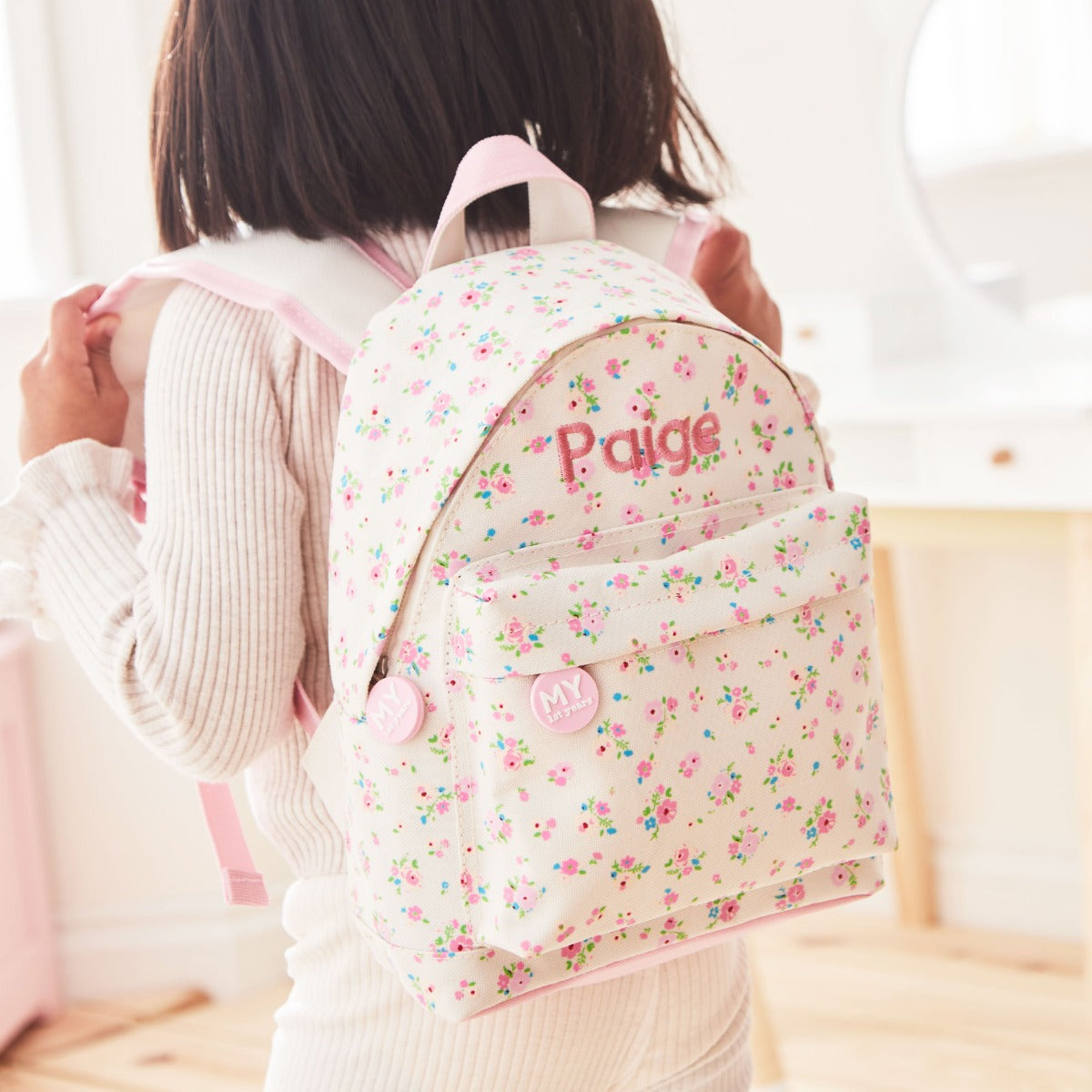
Measure your child's back from the prominent vertebra at the base of the neck down to the natural waist. Record shoulder width and chest circumference to establish fit benchmarks. Choose a backpack that ends above the waist, is no wider than the shoulder line, and has straps that can be tightened to the recorded chest measurement so the pack sits correctly. Prefer a shallow main compartment so items lie flat against the back, and place heavier objects close to the spine to reduce forward pull on small shoulders. Keeping weight near the body lessens strain on developing shoulder muscles.
Keep the packed weight light, aiming for under 10% of your toddler's body weight where possible, and carry only nursery essentials to reduce strain. Use internal organisers or elastic pockets to stop items shifting, and tighten the shoulder straps so the pack sits between the shoulder blades and the top of the hips. Add a chest strap to prevent slipping, then watch your child walk, climb, and sit to check the pack stays stable. Choose adjustable straps, lightweight padding, and low-profile closures so the bag can grow with your child, and recheck the fit regularly as they develop.


Keep your child's school bag at a safe, comfortable weight
Aim for a clear, evidence-based target: keep a toddler's backpack to around 10% of their body weight, and avoid routinely exceeding 15%. For example, 10% of a 10-kilogram child is about 1 kilogram, and 15% is 1.5 kilograms; for a 12-kilogram child those figures are 1.2 and 1.8 kilograms, and for a 15-kilogram child they are 1.5 and 2.25 kilograms. To check the load, weigh the child without the bag and then with it on a domestic scale and subtract the two, or weigh the empty bag separately on kitchen or luggage scales. Repeat this whenever you change what you pack, or add items such as extra clothes or food. These figures help you judge what matters for your child rather than relying on vague labels.
Shorten the shoulder straps so the pack sits high on the child’s back, and place the heaviest items close to the spine. Use a sternum strap or a small hip belt where available to stabilise the load. When weight moves away from the spine it pulls the child forward, and their muscles must work harder to compensate. Cut unnecessary weight by prioritising multipurpose items, decanting liquids into small reusable containers, removing excess packaging, and leaving non-essential toys at home. Keep a short checklist to help decide what stays and what goes. Watch how your child walks and stands with the pack on. Look for strap marks, complaints of sore shoulders or back, or reluctance to walk or play. If you spot any of these signs, act quickly: remove the heaviest item, redistribute contents, or reassess the bag size.


Secure a snug fit: straps and safety features every parent should know
Use the measurements you recorded earlier to check the fit: confirm the child's back length from the base of the neck to the top of the hips, and choose a rucksack whose back panel sits within that length so it rides high and close rather than dangling below the hips. Tighten the shoulder straps until the rucksack rests snugly against the upper back, clip the chest strap at mid-chest well clear of the throat, and fasten the hip belt for heavier loads to transfer weight from the shoulders to the hips. Load the rucksack with what your child would normally carry, then ask them to walk and climb a few steps while you watch for excessive movement, rubbing, raised shoulders, or a forward-leaning posture, as these all suggest the fit needs adjusting.
Before your child sets off, weigh them once wearing the packed rucksack and once without it to measure the extra load. If the difference causes strap grooves, soreness, or a persistent forward lean, remove non-essential items. Check the rucksack's construction for wide, padded shoulder straps and a contoured back panel that spread pressure evenly, and favour reflective panels or high-contrast trim for better visibility in low light. Make sure the pack includes an internal name label or ID card, and that buckles fasten securely while remaining easy for an adult to operate. Use these simple checks, rather than guessing, to decide whether to reduce contents or adjust the fit.
Practical fit, packing, and safety checks for children's rucksacks
- Fit checklist: measure the child’s back from the base of the neck to the top of the hips and choose a pack whose back panel sits within that span so the bag rides high and close rather than below the hips; tighten the shoulder straps until the pack rests snugly against the upper back, position the chest clip at mid chest and away from the throat, and fasten a hip belt for heavier loads to shift weight onto the hips. Then load the pack and have the child walk or climb a few steps to check for excessive movement, rubbing, or compensatory posture.
- Weight management and packing strategy: weigh the child with and without the packed bag to quantify the added load and keep it to about 10 to 15 percent of body weight where possible; place the heaviest items closest to the back and centred, use compartments to distribute weight evenly, and remove non-essential items such as duplicate books, toys, or single-use packaging if strap grooves, soreness, or a persistent forward lean appear.
- Safety, visibility, and maintenance checks: favour reflective panels or high contrast trim and include an internal name label or ID card; inspect buckles, seams, and strap padding for secure stitching, exposed foam, or fraying, confirm buckles lock securely yet remain straightforward for an adult to operate, and follow the care label for cleaning. Replace the pack if structural components fail, padding becomes permanently compressed, or the back panel no longer holds the pack high and close.

Make days out stress-free: pack these nursery essentials
Choose a bag by packing a contents list, not by judging capacity from photos. For example, a nursery pack containing two complete changes of clothes, three to six nappies, a pack of wipes, a packed lunch or milk bottle, and a small comfort toy will usually fit into about 6 to 8 litres. A days-out pack with an extra snack, a lightweight jacket, and a compact first-aid kit generally needs around 8 to 12 litres. Keep the loaded bag light by aiming for under 10 per cent of your child's body weight. Pick lightweight nappies, containers, and clothing, and leave non-essentials at home for short trips. That reduces strain and helps the child move comfortably, and you can confirm the fit by packing the contents and comparing them with a typical nursery day or outing.
Organise the bag with purpose so everything is quick to find. Use internal pockets or small clear pouches for wet and soiled items, a separate insulated pocket for bottles or snacks, and an easy-to-access front pocket for emergency items. Label each compartment and show nursery staff how the system works. Check fit and comfort by choosing wide, padded shoulder straps that adjust, a low-profile back panel, and a simple chest clip. Pack the bag and test it on your child to ensure it sits high on the back and does not hang below the waist while they walk. Choose wipeable, water-resistant fabrics with a reinforced base, a sewn-in name label, reflective trim, large zip pulls, and include a small waterproof pouch for leaky items to protect contents and make cleaning easier.
Organise essentials in a lightweight, reflective medium backpack.


Choosing durable, easy-to-clean materials protects treasured baby items
For busy parents, the right materials and construction make a real difference. Choose tightly woven, water-resistant outer fabrics such as polyester, coated canvas, or nylon; they repel spills, withstand abrasion, and wipe clean easily. Prefer durable coatings over relying on colour or pattern to hide wear — polyurethane coatings stay flexible longer, whereas PVC finishes can become brittle and flake. Inside, look for wipe-clean linings, wide-mouth openings, and removable lunch or wet-pocket inserts. These let you shake out crumbs and launder parts separately, reducing odour and mould buildup. Construction details matter too: a reinforced base, bar-tacked stress points, covered or oversized zip tapes, and taped or welded seams keep dirt and moisture out and extend a bag's usable life compared with simple stitched seams.
Choose closed-cell foam or quick-drying mesh for the back panel and straps, as these materials shed water and dry quickly. By contrast, open-cell, absorbent foams hold moisture and are more likely to develop odours. Where possible, use removable or machine-washable strap covers; they make spot-cleaning simpler and reduce long-term odour build-up. When you need to clean, start by spot-testing any cleaner on an inconspicuous area. Wipe fresh spills with a soft cloth and a mild detergent, launder removable parts according to the care label, and allow everything to air-dry completely. Finally, check product labelling for PVC-free and phthalate-free finishes to minimise exposure to unwanted chemicals.
In summary, a correctly sized, lightweight rucksack helps keep a toddler comfortable and eases strain on developing muscles. Measure your child's back length and shoulder width, aim for a total load of around 10% of their body weight, and choose shallow, stabilising designs that sit high and close to their back.
As a practical check, weigh your child with and without the packed bag to measure the load. Put the bag on and tighten the straps so it sits between the shoulder blades and the top of the hips, and pack heavier items close to the spine. Choose durable, wipeable fabrics, reflective trim, and organised pockets for nursery essentials. Recheck and adjust the fit as your child grows to keep daily routines easier and safer.
FAQ
What size backpack should I choose for a toddler for nursery and days out?
Measure the child’s back from the base of the neck to the top of the hips and choose a pack whose back panel fits within that span so it rides high and close; width should sit inside the shoulder line and straps should shorten to the chest measurement. In volume terms, nursery packs typically fall around six to eight litres, while days-out packs often need eight to twelve litres, favouring a shallow main compartment so items lie flat against the back.
How much weight is safe for a toddler to carry in a backpack?
Aim for about 10% of the child’s body weight as a practical target and avoid routinely exceeding 15%. Weigh the child with and without the packed bag to check the load, and remove or redistribute items if strap marks, soreness, or a persistent forward lean appear.
How should the backpack be fitted and adjusted to reduce strain?
Tighten shoulder straps so the pack sits between the shoulder blades and the top of the hips, position the chest clip at mid-chest away from the throat, and fit a small hip belt for heavier loads to shift weight off the shoulders. Place the heaviest items close to the spine, then have the child walk, climb, and sit to confirm the pack stays stable without rubbing or compensatory posture.
What should I pack for nursery and for short days out to keep the bag light?
For nursery pack two complete changes of clothes, three to six nappies, a wipe pack, a milk bottle or packed lunch, and a small comfort toy; for days out add an extra snack, a lightweight jacket, and a compact first aid kit. Prioritise multipurpose items, decant liquids into small reusable containers, and remove non-essentials to keep the load near 10% of body weight.
What materials and cleaning features should I look for in a toddler’s backpack?
Choose tightly woven, water-resistant fabrics such as polyester, nylon, or coated canvas with flexible polyurethane coatings, and look for wipe-clean linings, a reinforced base, and covered zip tapes. Prefer closed-cell foam or quick-dry mesh for straps and back panels, removable washable inserts or strap covers, and always spot-test cleaners and air-dry parts fully.
Share


