


Top 5 essentials to pack in your toddler's backpack for a day out
A day out with a toddler can quickly turn from carefree to fraught when you realise something essential has been left behind. Which five must-have items will keep your little one comfortable, fed, clean, and calm?
Use this compact checklist, organised into five practical categories: priority items; weather-appropriate clothing and protection; snacks and hydration; nappy, hygiene and first-aid essentials; and comfort items, toys, and a familiar keepsake. Pack these sensibly and you will be able to deal with spills and sudden chills, stave off hunger-fuelled meltdowns, keep your child protected from the elements, and spend the day enjoying each other’s company.

1. Prioritise essentials for a day out with your baby
For outings with a toddler, pack a nappy and change kit with nappies, wipes, a waterproof changing mat, spare clothes, and sealed disposal bags. These items let you change quickly and hygienically, and stop a damp nappy from causing prolonged discomfort. Bring a spill-proof cup or bottle and small portions of varied snacks that combine protein and carbohydrate to keep energy steady, favouring low-choke options such as soft fruit pieces, yoghurt pouches, or toast strips. Include weather protection—a sun hat, broad-spectrum sunscreen, a lightweight waterproof layer, and spare socks—because toddlers lose heat quickly when wet and have delicate skin that needs reliable protection. Organise the bag so essentials are easy to reach, for example by using small pouches for changing items, snacks, and weather gear.
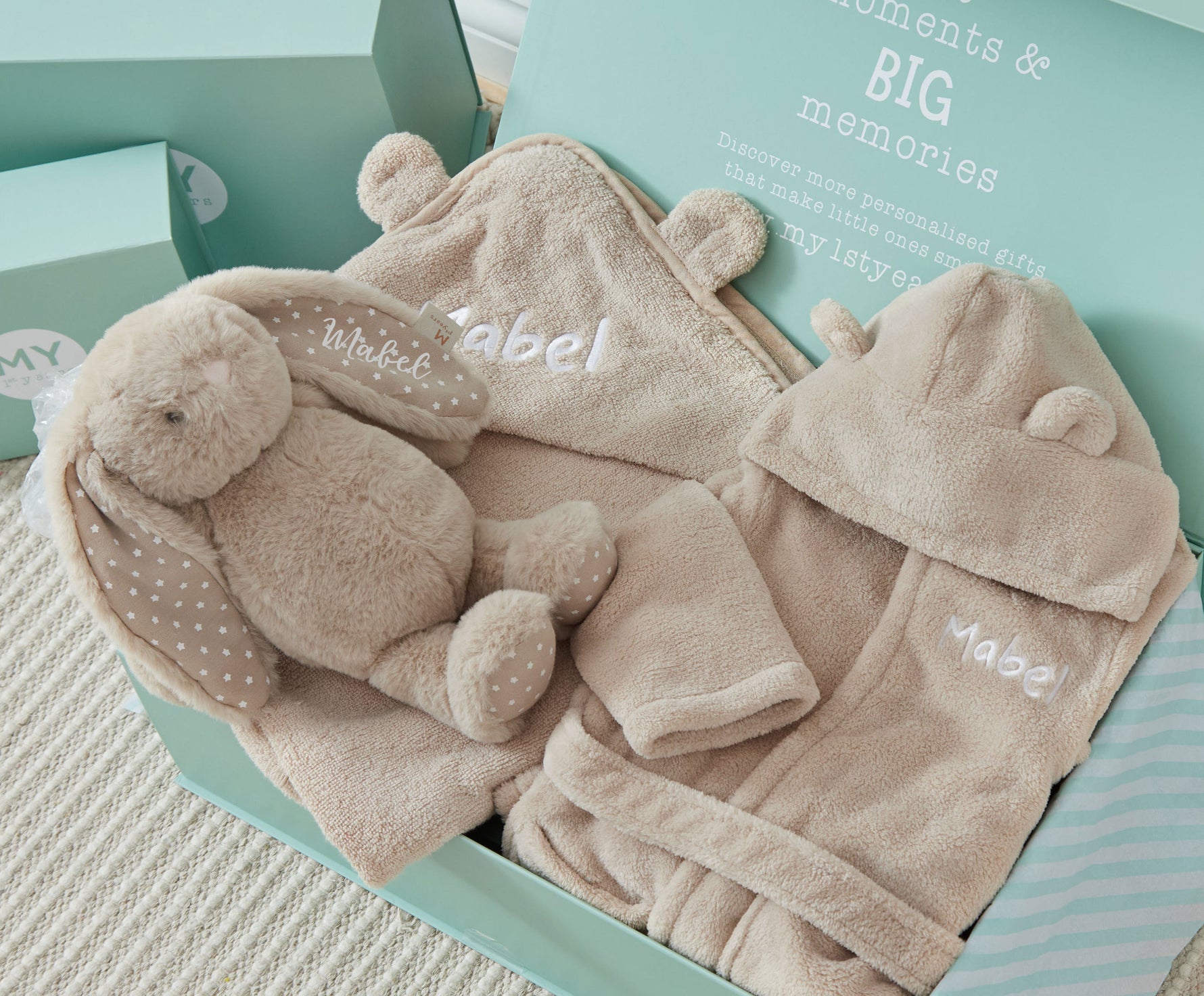
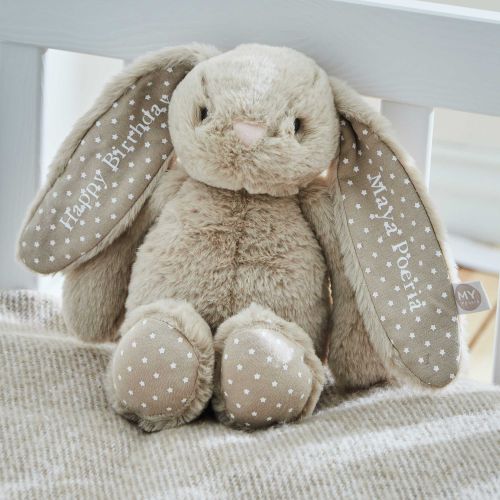
Also bring a small, familiar toy, a favourite book, or a comfort object to shorten settling time and calm your child during transitions, queues, or unexpected delays. Pack a compact first-aid kit with plasters, antiseptic wipes, any prescribed medication in its original packaging with dosing instructions, and an antihistamine if recommended for known allergies. Keep a written emergency-contact and medical-information card so caregivers can access essential details quickly.
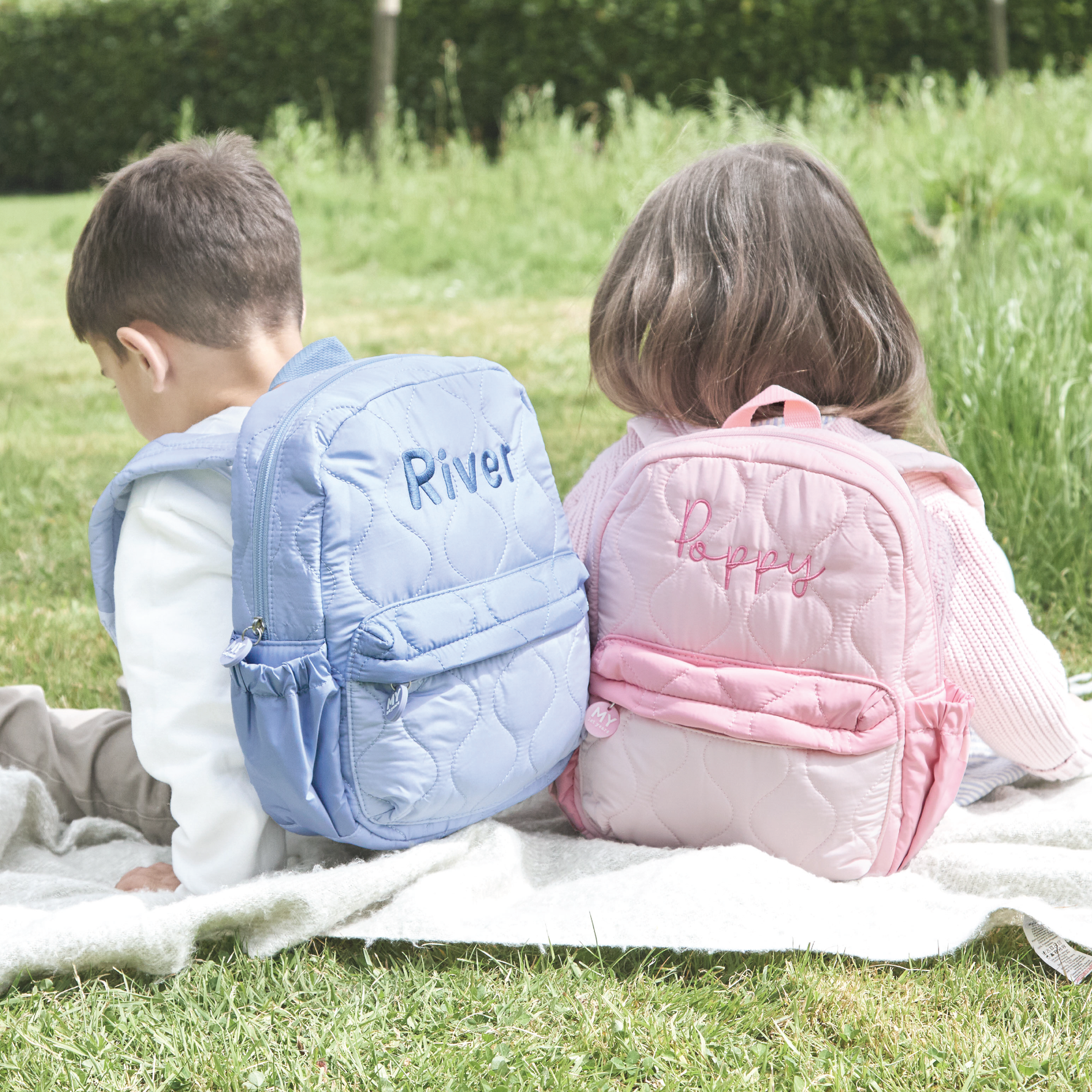
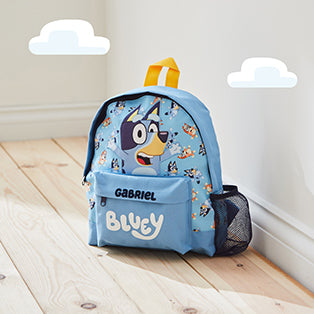
Keep snacks, clothes and toys together in a backpack.

2. Choose weather-appropriate layers, sun protection, and rain gear
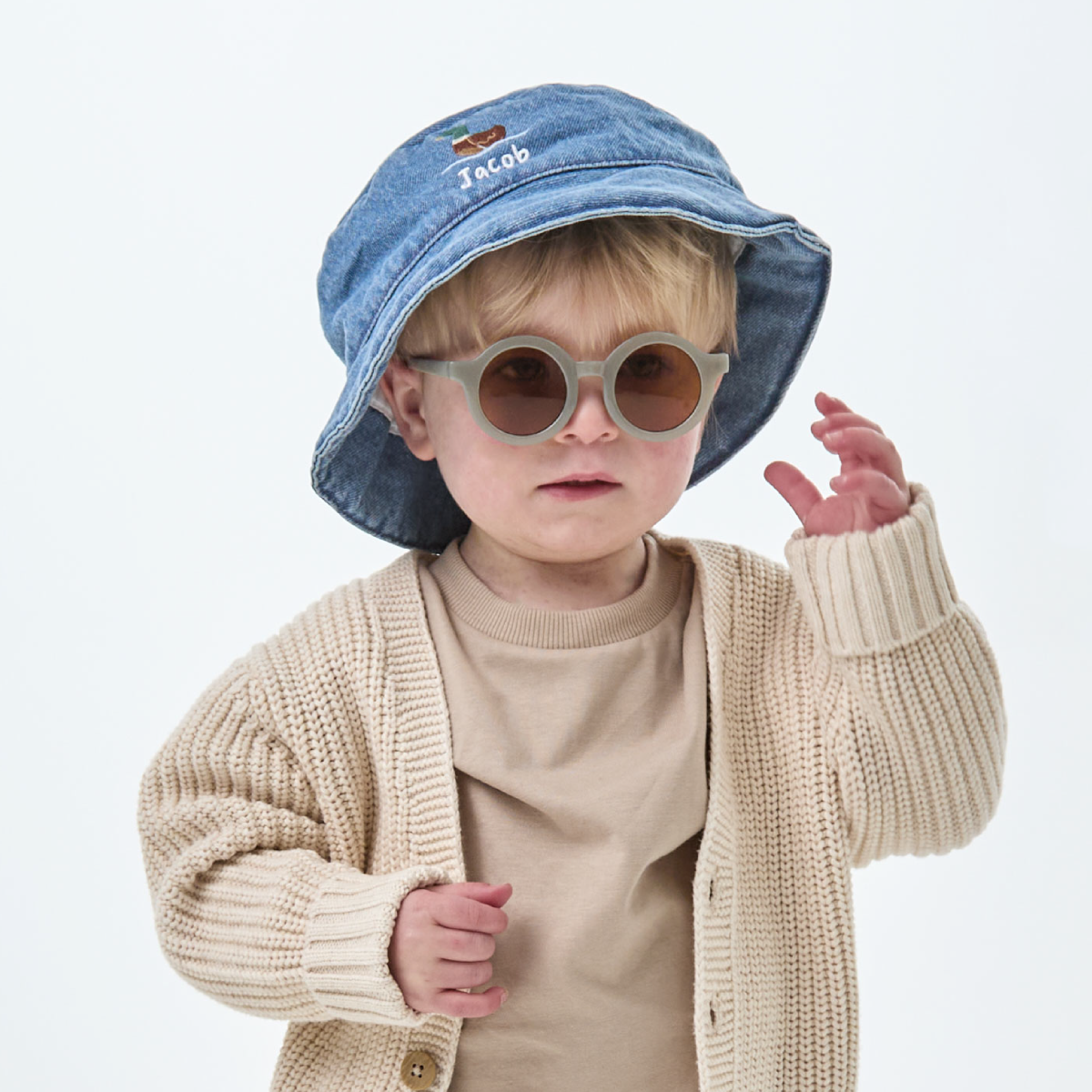
When you are out with little ones, use a simple layering strategy. Pack a moisture‑wicking base layer, an insulating mid layer such as a fleece or jumper, and a lightweight, waterproof outer. Layers trap pockets of air to insulate and make it easy to adjust temperature quickly by adding or removing pieces, which helps reduce the risk of overheating and dampness compared with one bulky garment. Include a pack‑away waterproof jacket with a hood and lightweight waterproof trousers. Keeping the skin dry limits heat loss through evaporation and wind, and a compact waterproof is quicker to pull on than changing a whole outfit when showers start. For sun protection, bring a wide‑brim or legionnaire‑style hat, UV‑protective clothing, sunglasses with UV protection, and a broad‑spectrum sun cream. Apply sun cream before you go out, and reapply according to the product instructions to maintain protection.
Alongside the pack-away waterproof, include a complete spare set of underwear, a top, trousers, and socks in a waterproof bag, and add a separate bag for wet or dirty items. Keeping a dry spare ready helps prevent your child from getting cold after spills or puddles, and stowing damp items in a sealed pocket keeps the rest of the rucksack usable. Include cold-weather extras such as a warm hat, gloves or mittens, and an extra pair of socks, and choose shoes with good grip and easy fastenings for quick changes. Young children lose heat from their hands and feet more quickly than adults, so these simple swaps, plus grippy footwear, help them stay comfortable and reduce the risk of slips on wet or uneven ground.
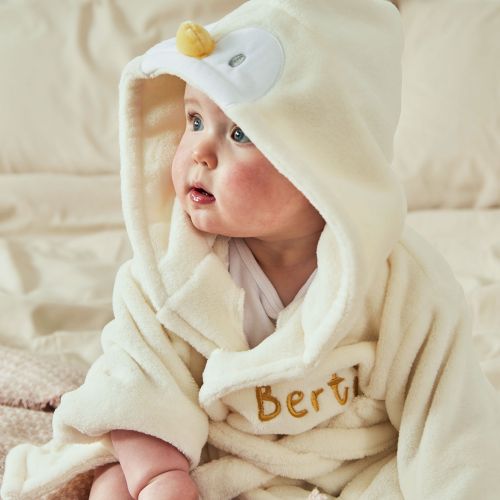
Keep a personalised raincoat and boots ready.

3. Pack snacks, meals, and easy hydration options
Pre-portion a mix of finger-friendly snacks, such as soft fruit slices, cheese cubes, whole-grain pieces, and protein bites, into small, separate containers so the child can choose and self-feed. This encourages independence and keeps portions manageable. Choose a leak-proof bottle with a spout or straw your toddler can operate. An insulated sleeve or a partly frozen bottle will help keep drinks cool; check the temperature before serving. Top up water regularly throughout the day to prevent dehydration, and take an easy-to-open, insulated cup for any perishable drinks.
To make mealtimes on the go easier, carry a small, compartmentalised meal container for sandwiches, cut-up veg, or yoghurt alternatives. Separate compartments prevent sogginess, and an insulated sleeve or ice pack keeps perishables safe. Label everything clearly, and include an allergy-safe backup snack with a printed list of ingredients and emergency contacts so other adults can make quick, informed choices. Tuck a small clean-up kit into the bag: wet wipes, a reusable bib or napkin, a spare toddler spoon or fork, and a sealed bag for rubbish. These simple steps reduce waste, speed up tidying, and help carers respond calmly if dietary needs or delays arise.
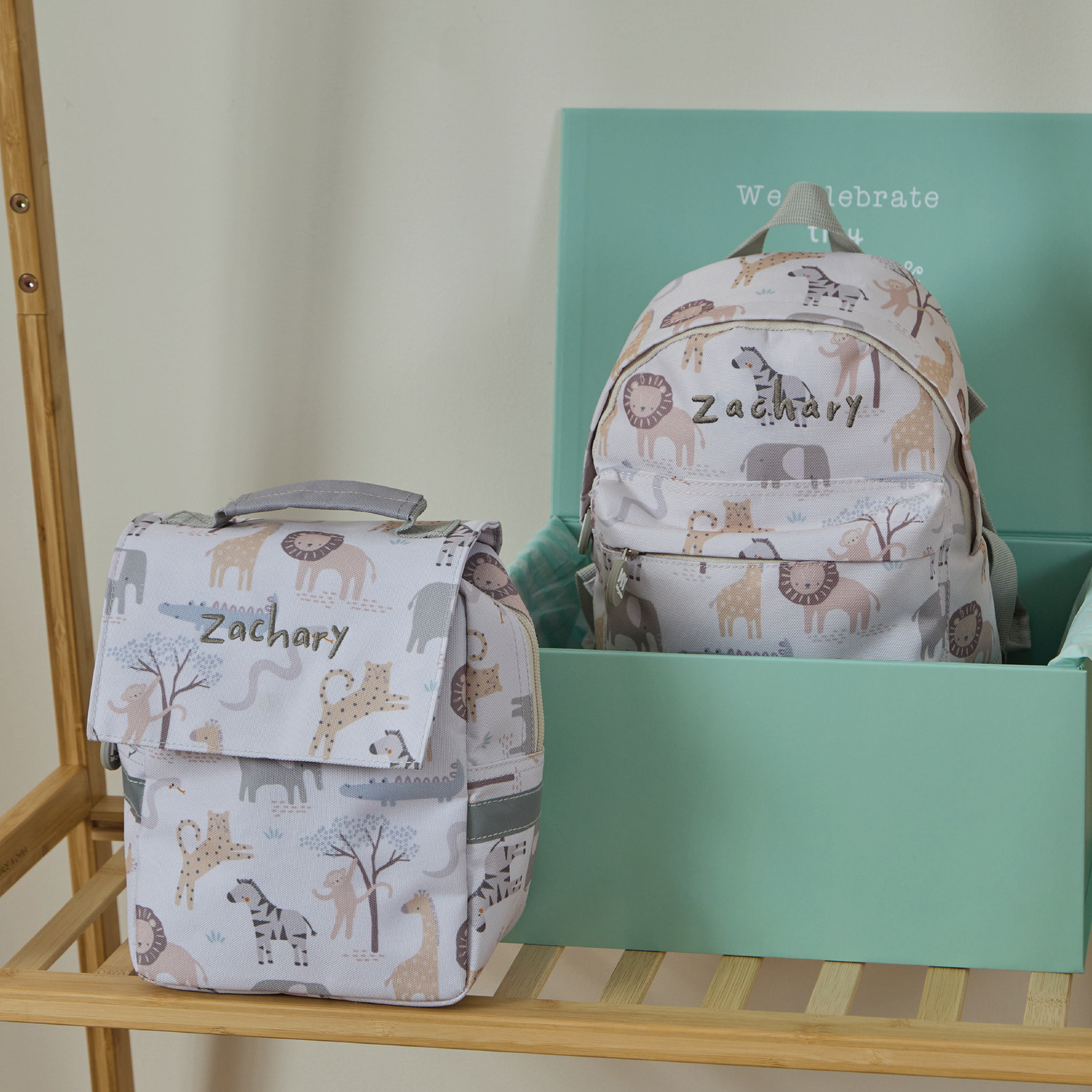
Use a compartmentalised, leak-sealed lunchbox to keep snacks fresh.

4. Pack nappy, hygiene, and first-aid essentials
Pack the nappies you'd usually take for the outing, then add two extras to cover delays or messy accidents. Keep fragrance-free, multi-use wipes in a resealable pouch so they stay moist, and include a stack of disposable nappy bags to contain odour and prevent cross-contamination in your bag. Tuck a foldaway, waterproof changing mat and a full spare outfit, including socks and underwear, into a separate waterproof pouch. A dry mat and clean clothes let you complete a change hygienically, even on uneven or damp surfaces.
Include nappy-care basics, such as a small tube of barrier cream, a gentle cleansing option, and a sachet of disposable gloves to keep nappy changes sanitary and to address early signs of irritation. Store compact first-aid items, including plasters in varied sizes, antiseptic wipes, tweezers, a small instant cold pack, and a simple thermometer, in a labelled waterproof pouch so you can access them quickly. If your child takes medication regularly, keep it in its original packaging with dosage instructions, and add a note recording allergies and emergency contact details.
Keep essentials organised for quick, hygienic changes.

5. Pack comfort items, favourite toys, and a treasured keepsake
Choose a small, breathable comforter or soft toy that picks up your little one’s scent, and keep it in an easily accessible pocket, because having it to hand during transitions can help them settle more quickly and reduce fussing. Pack one or two compact, quiet, multi-use toys, such as a short board book, finger puppets, or nesting cups, that are washable and rotated between outings to preserve their novelty. Include a textured teether or soft fidget made from washable, non-toxic materials, and attach it with a short clip or tuck it into a zipped pocket to avoid losing it.
To make these items easy to use, pop a laminated family photograph or a small tactile book into a protective plastic sleeve and tuck it into the bag. You can briefly show it to your child to reorient and soothe them during goodbyes or other moments apart. Keep comfort items and toys in a labelled organiser pouch so you can check them at a glance before you leave and replace any damp or worn pieces. One dedicated spot speeds retrieval, lowers stress, and makes it easier to hand items to your child without fumbling. These small, practical choices, such as familiar scent, tactile engagement, and simple routines, work together to make day-trip transitions feel calmer.
For a smoother day out with a toddler, pack five focused categories: essentials, weather-appropriate clothing and protection, snacks and hydration, nappy and hygiene supplies, and comfort items. Organise them for quick access; being able to grab a spare layer, a quick snack, a fresh nappy, or a favourite comfort object lets you deal promptly with spills, chills, hunger, and the need for soothing, and helps your child stay content, nourished, hygienic, and settled.
Follow the headings to assemble a compact, clearly labelled kit: spare nappies, wipes, a change of clothes, and a small first-aid pouch. Check perishables and pack replacements before you leave, topping up formula, milk, or snacks as needed. Keep medicines and emergency-contact details in a clear, easily accessible pocket so they are visible at a glance. With these practical preparations in your bag, you can relax and enjoy time with your child, confident you have what you need for the most likely surprises.
Share


