



Top 3 toddler backpack essentials for a day out
A day out with a toddler can shift from cheerful to chaotic the moment a nappy needs changing or a snack spills. Choosing a backpack with easy-access pockets, an insulated bottle sleeve and room for spare clothes, and packing it thoughtfully with nappies, wipes, snacks, and a change of clothes, helps you cope with those small crises and eases the load for both child and carer.
This guide covers three essentials: choosing a bag that suits your toddler and the outing; packing food, a nappy kit, and comfort and safety items; and organising everything for easy access, cleanliness, and quick retrieval. Read on for practical checks and clever hacks that make items simple to find, protect against mess, and stop small problems from ruining your day.

1. Choose a backpack that suits your toddler and the outing
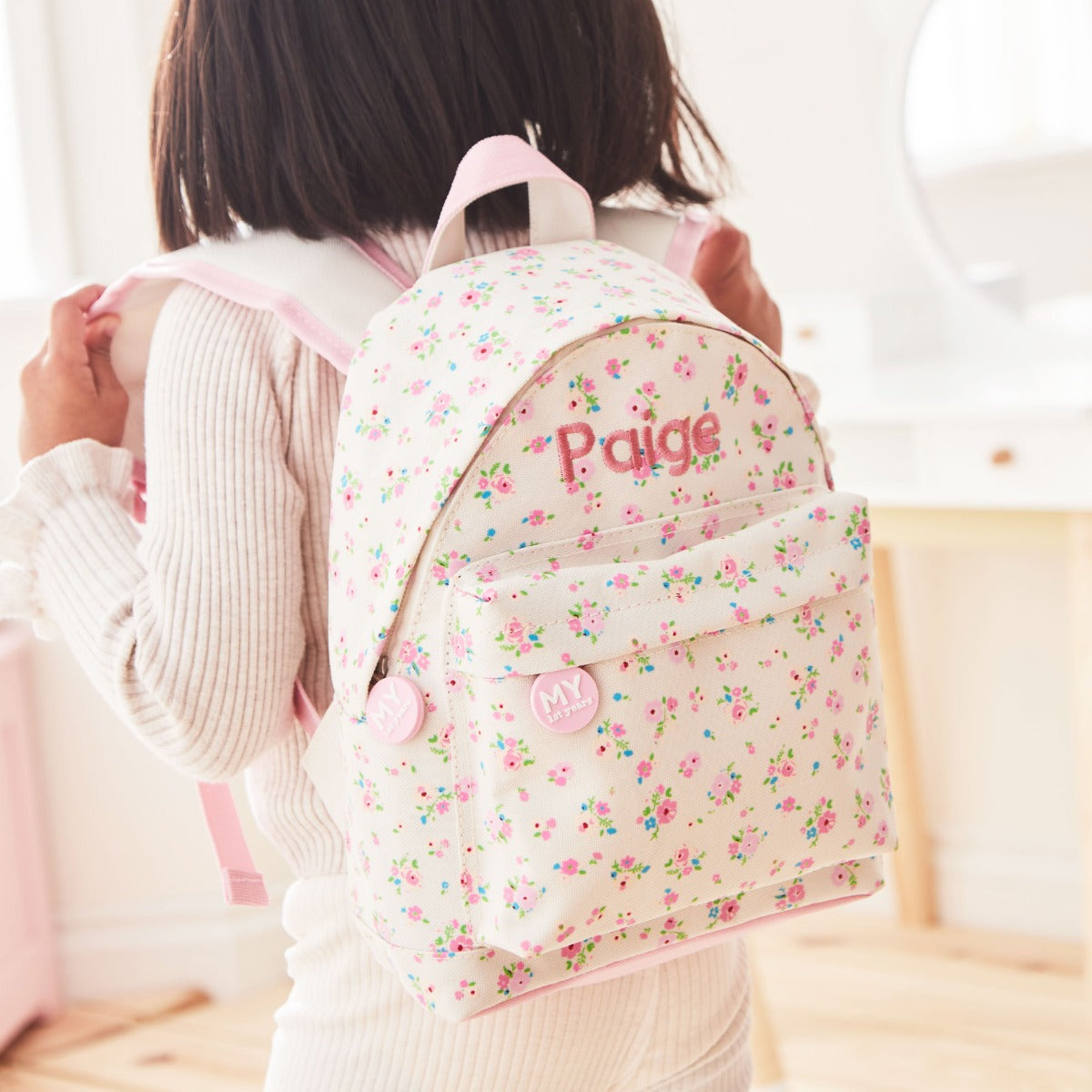
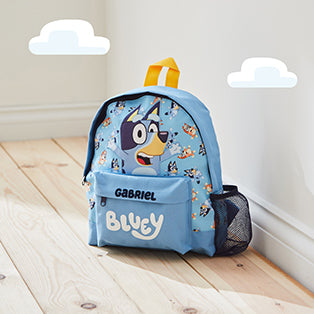
Fit matters. Measure from the base of the neck to the waist, then choose a pack that sits between the shoulder blades and the top of the hips so it does not pull on the shoulders. Adjustable shoulder straps and a simple chest strap help keep the load steady and stop the bag bouncing as your child walks. Before you head out, pack the items you expect to carry and let your toddler wear the bag for a short walk; if the straps dig in or the bag shifts, remove some contents or try a smaller capacity. Look for padded straps, a breathable back panel, a top grab handle, reflective panels, and a clear slot for a personalised contact card to combine comfort with practical safety.
Beyond fit, choose closures with large, twin zips or easy-to-grip toggles so little fingers can manage them, helping to encourage independence while still allowing a caregiver to open compartments quickly when needed. Opt for wipeable linings, reinforced seams, and either removable liners or a fully washable interior, so spills come off easily and the bag stands up to rough use. Practise opening and closing the compartments with your toddler beforehand so both of you learn where essentials are stored and access becomes smooth.

2. Pack food, a nappy kit, and comfort and safety items
When planning a day out, prioritise nutritious, easy-to-eat food, a complete nappy kit, and a couple of comfort items to keep your toddler fed, clean, and calm. Pack soft, bite-sized finger foods and pre-cut fruit in separate, leakproof containers, and bring a sealed flask or insulated pot for milk or a warm meal so serving is quick and manageable. Keep nappies, including two spares, alcohol-free wipes, nappy sacks, a compact waterproof changing mat, and barrier cream together on top of the bag so you can change your child quickly and keep things hygienic.
Alongside the nappy kit, pack a small pouch with basic safety and health essentials: plasters, antiseptic wipes, tweezers, child-appropriate insect repellent, travel-sized sun cream, any prescribed medicines clearly labelled with dosage instructions, and a personalised emergency contact card that notes allergies. Use separate, labelled pouches for food, nappies, and soiled clothes to avoid cross-contamination and speed up access, and keep the items you reach for most at the top of the bag. Tuck a short checklist inside so you can restock after every outing; that reduces the chance of forgetting something, eases last-minute stress, and makes it straightforward for someone else to help if needed.

3. Organise for easy access, cleanliness, and quick retrieval
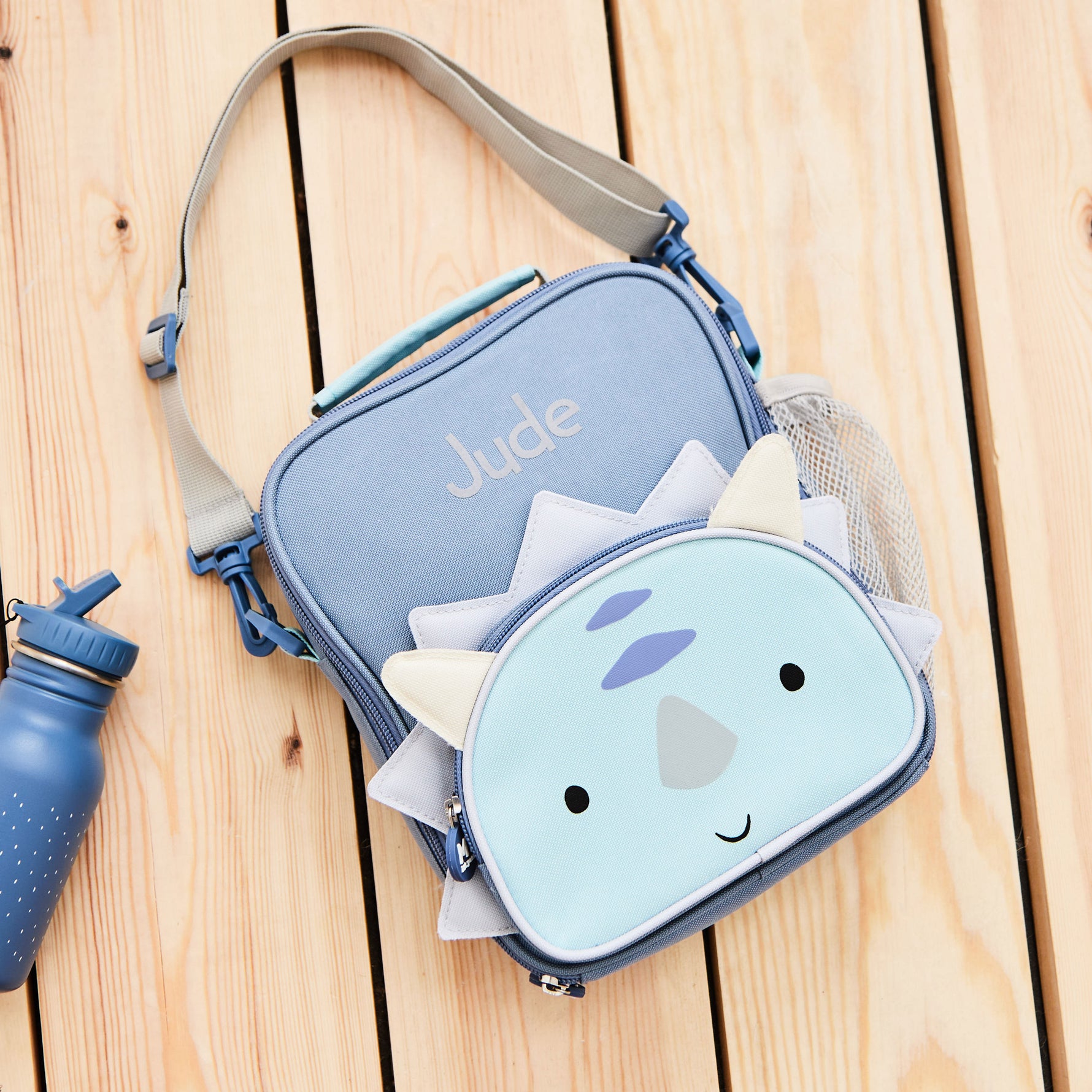
Choose a single quick-access pocket at the front of the backpack for immediate needs, such as a drink bottle, a snack, and a nappy or spare pants. That lets you retrieve essentials in one smooth motion when a toddler gets impatient. Pack smaller items into clear, resealable pouches, for example wipes, plasters, hair ties, and a compact toy. Seeing everything at a glance cuts search time, and swapping a whole pouch is faster than hunting for loose items. Keep the front pocket and pouches organised by item type to speed retrieval and reduce mess.
Pack spare clothes with a waterproof wet bag, sealing soiled items away from clean ones to protect nappies, paper items, and electronics from leaks. Create a compact hygiene kit in one zip compartment with travel-size wipes, a quick-dry cloth, and a small hand sanitiser, and attach a small inventory card to the lid so restocking takes only a glance. Use colour-coded or tactile cues to organise pouches and pockets, for example one colour for snacks, another for medical bits, and a textured tag for toys. Teach your toddler to recognise the cues so they can help retrieve items, reducing your search time and encouraging their independence.
Taken together, a well-packed toddler backpack makes outings smoother by combining the right fit, wipeable linings, and easy-to-use closures with clear organisation. Get the fit right for your child, choose wipeable materials to contain spills, and keep food, nappies, and safety items in labelled pouches. Those simple choices speed up retrieval, limit mess, and help toddlers stay settled.
Use the three headings as a simple checklist: the right backpack, a compact food and nappy kit, and accessible organisation. Pack, practise, and restock this short checklist before outings to reduce forgotten items, help helpers find things quickly, and keep small hiccups from spoiling the day.
Share


