



10 Ways a Personalised Bag Helps Children Recognise, Organise, and Care for Their Things
Busy school mornings and heaving activity bags often mean small items go missing and children miss chances to practise simple life skills. With a little structure, a personalised bag can turn that chaos into a learning tool. Clear name labels help children recognise what belongs to them, a short packing routine builds independence, and easy-to-use features, such as large zips, colour-coded pockets, or a picture pocket for spares, make it easier for them to organise and care for their belongings.
Thoughtful personalisation, from name labels and packing routines to durable materials and small personal touches, helps children recognise their belongings, practise responsibility, build independence, and learn organisation and how to share safely. Here are ten practical ways to personalise a bag so your child packs with purpose and takes pride in caring for their things.

1. Use personalised labels to help little ones recognise their name
Choose a clear, high-contrast name label that pairs the child’s name with a simple icon or photo. Early literacy research shows children recognise their own name before other words, and combining text with imagery speeds identification and supports reading development. Get the child involved: let them pick the colour, font, or icon. That small choice builds ownership and makes them more likely to spot and proudly claim their bag. Use durable labels and repeat the cue in several places. For fabric, use sew-on or iron-on labels; for plastic, choose waterproof stickers. For pre-readers, add a tiny photo or silhouette they can recognise. Place labels on an external pocket, inside lining, and on zips so the same visual cue appears consistently, making it easier for a young child to find and identify their belongings.
Turn labelling into a short, repeatable routine. When your child unpacks, ask them to say the name on the label. Repetition helps children learn names and find their things more quickly. In public settings, balance recognition with privacy: use a first name or initials alongside a small icon, and tuck a removable contact tag or information card inside for adults to use. Apply the same label design to a coat, water bottle, and pencil case to help them generalise ownership and organise their things. These simple, consistent steps make lost items less likely and gently encourage everyday responsibility without compromising privacy.
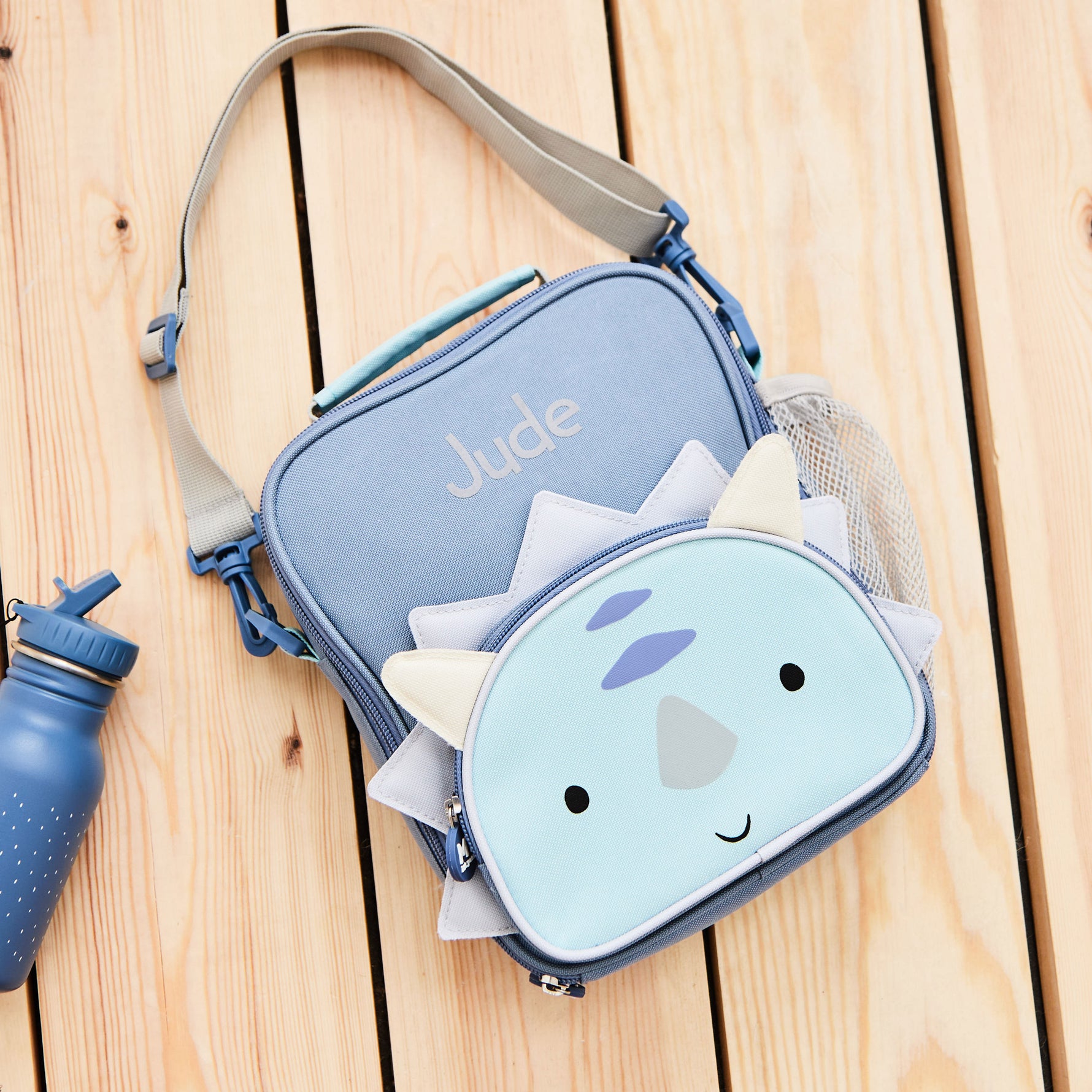
Pick a matching backpack and lunch set

2. Foster responsibility by letting children care for their own belongings
Let your child personalise the bag by choosing colours, patches, or a name tag. When children personalise an item they feel a sense of ownership and are more likely to look after it. Attach a simple pictorial packing checklist to the inside of the bag, using clear icons for non-readers. Teach your child to tick each item off before leaving, and go through the checklist together for the first few outings until it becomes a habit. That small routine reduces forgotten items and helps your child build practical independence.
Invite your child to take on small maintenance tasks, such as emptying crumbs, brushing off dirt, and checking straps, and include a tiny care pouch with a soft cloth and a spare fastener so they can practise looking after the bag themselves. If an item goes missing, let a natural consequence teach the lesson and guide a calm reflection: ask what happened, what they might do differently next time, and how they could prevent it in future. Label key items with a name or photo, and set up a visible reward chart or sticker system to encourage independent packing and upkeep. The combination of clear ownership markers, immediate, tangible feedback, and short, practical chores helps children form good routines and learn responsibility without relying on praise alone.
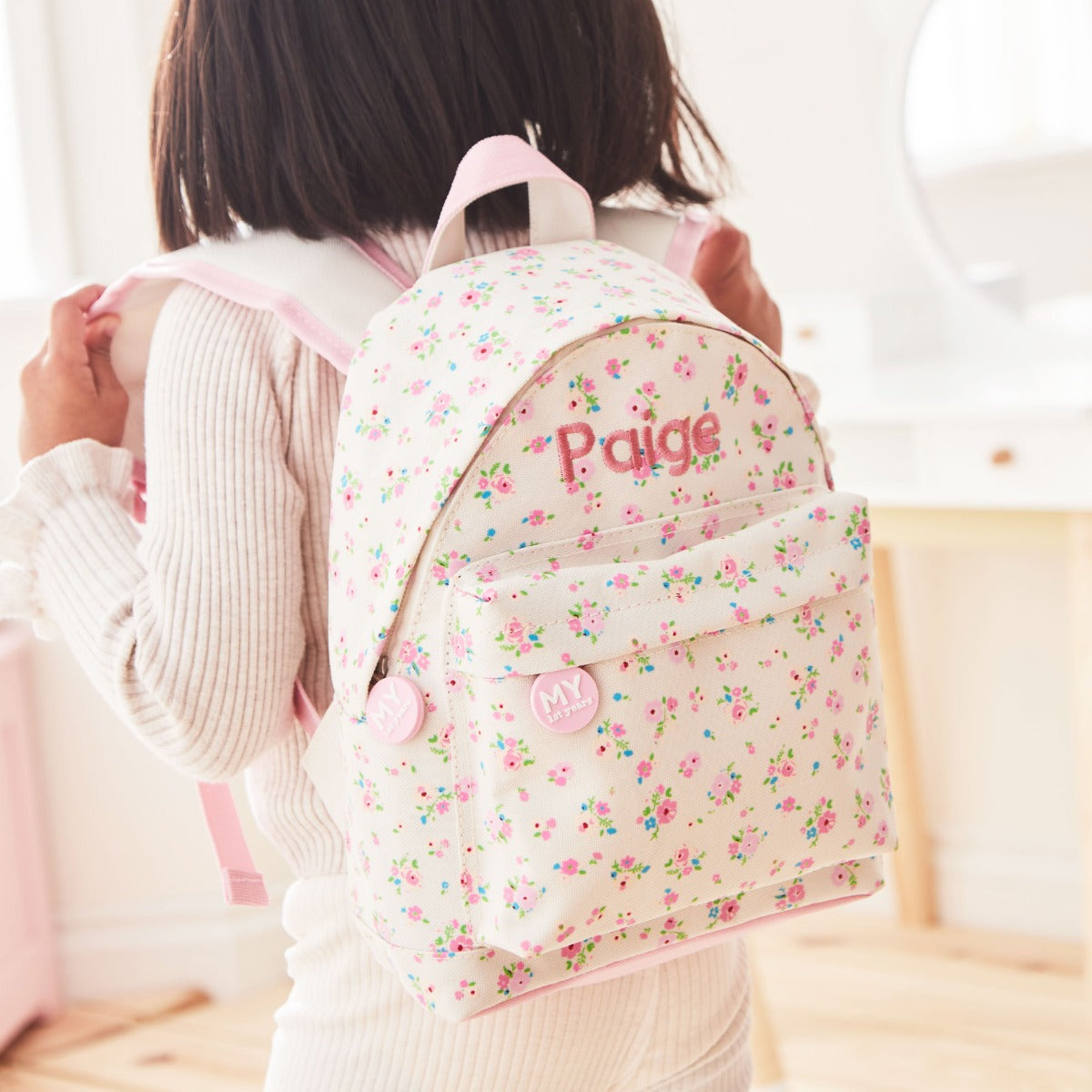
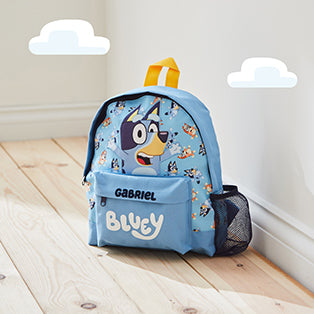
Give them a personalised initial backpack.

3. Have them pack their own bag
Make packing a shared, low-pressure ritual. Fit a simple visual checklist inside the bag using photos or symbols for each essential item, and include boxes the child can tick or remove to externalise memory and reduce forgotten items. Organise the bag into clear pocket zones, for example, one for food, one for books, and one for spare clothes. Teach the child to pack each pocket in sequence while saying aloud what they are putting in; sequencing strengthens working memory and makes packing more predictable. Introduce short practice sessions where the child packs while you watch and offer gentle, immediate feedback. Try role reversal too: ask the child to pack an adult's bag, then inspect it together to spot anything missing and agree expectations.
Start by asking them to pack one or two items independently. Offer brief prompts as needed, and increase the number of items as they succeed. This gradual release avoids overwhelm and builds confidence. Let them personalise labels, choose colours, or attach a name tag. Teach a quick unpack-and-inspect routine for when they get home so ownership becomes a habit that reduces loss and encourages care of belongings. Together, simple checklists, pocket sequencing (deciding which items go in which pocket), scaffolded practice, and personalised organisation turn packing into a repeatable, independent habit.
Choose a roomy, multi-pocket bag they can personalise.

4. Teach organisation with simple, playful packing routines for little ones
Tuck an illustrated packing sequence inside a personalised bag and use photos or simple drawings for each step to break packing into predictable chunks and ease the memory load. Assign each item a consistent pocket, a colour-coded pouch, or a labelled slot with a single clear word or picture to speed locating items and reduce misplacements. Include a tactile checklist or a small magnetic tick board updated as items are packed to turn the routine into a quick game, reinforcing the order without constant adult reminders.
Begin by modelling the routine. Show the first few steps, for example: unzip the bag, take out the lunchbox, and put shoes on the shelf. Then invite your child to practise taking responsibility for specific items until they can complete the full sequence themselves. A gradual handover builds confidence and strengthens planning and organisation skills, so they will need fewer reminders over time. Create dedicated pockets or small boxes for used items, spare clothes, and valuables, and teach your child to place each category in its spot when they unpack. Separating categories makes decisions simpler when packing again and helps you spot misplaced items more easily.
Use a personalised bag to simplify packing

5. Prevent lost or swapped bags with personalised labels
Put clear, consistent name labels in two places: a visible tag on the bag flap so it stands out on coat hooks, and a sewn internal label with contact details a finder can use to return it. For younger children, add simple visual identifiers, such as a distinct icon, sticker, or personalised colour panel, and apply the same visual to lunchboxes and pencil cases so pre-readers can match belongings without needing to read. Pairing a name with a motif, initial, or class code also reduces the chance of swaps when classmates share first names.
A simple habit can make a big difference. Label every detachable item, including straps, water bottles, hats, and pencil cases, because these loose pieces are the ones most likely to go missing, and matching tags speed reuniting them with their owner. Photographs showing effective placements demonstrate that tags on straps and bottle collars stay visible during busy drop-off times, helping staff and children spot belongings quickly. Teach a short pick-up routine, or a quick spotting game, prompting a check for the name or motif before leaving shared areas. With a little practice, the check becomes automatic, and lost-property incidents fall.
Add a visible name patch for easy returns

6. Boost confidence with personalised keepsakes and thoughtful details
Invite the child to choose a visible name label and help attach it. Have them select a clear font and colour, and decide how it fastens, for example sewing, iron-on, or hook-and-loop. Place the label where it is easy to see, such as the top flap or front pocket. A prominent, child-selected label makes the bag easier to spot and reduces mix-ups. Add a write-on, removable ID card or an internal note pocket so details like a favourite colour or a short message can be updated. When children make these small choices, recognition links with responsibility and increases the chance the bag will be identified and returned if misplaced.
Add interchangeable patches or badges that reflect your child’s interests and achievements. Use hook-and-loop backs for easy swapping, safety-pin options where adhesive is unsuitable, or sewn-on patches for a longer-lasting finish. Collecting and arranging badges gives children a visible record of accomplishments and a small, everyday source of pride. Inside the bag, co-design organisation zones by naming compartments with words and simple icons, then attach stickers or stitched labels for items such as 'homework', 'snack', and 'spare kit'. Clear labels make tidying quicker and help establish dependable routines. Turn decorating into a short, shared ritual: choose fabric markers, simple trims, or a personalised lining together. Finish by writing a brief bag-care checklist, for example empty crumbs from pockets, check zips, and spot-clean marks, so making and maintenance habits naturally reinforce one another.
Personalise the front for easy identification and ownership.

7. Encourage hygienic habits so little ones can share safely
Pack a labelled, personalised day bag with colour-coded pouches so snacks stay apart from spare clothes, and soiled items do not contaminate clean things. Give each pocket a purpose — one for snacks, one for spare clothes, and one for nappies or damp laundry — and use clear pictures or colour tabs if your child is still learning words. Include a compact hygiene kit: a reusable cloth, travel tissues, a small sealable pouch for damp or used items, and a small bottle of child-friendly hand sanitiser. Show your child how to use and seal each pouch, then let them try so packing becomes a simple habit. Practise borrowing and sharing with short role-play scripts that model asking permission and passing things safely. For example: - "May I borrow your cup, please? I will put it on the tray when I am finished." - "Can I pass the snack on the table? Thank you for sharing." Also name items that should not be shared, and explain why in plain terms, for example: "We do not share toothbrushes, cutlery, or hats because they touch our mouths and faces." These short rehearsals help children learn boundaries, manners, and basic hygiene without making it a lecture.
Make packing part of the routine by adding simple icons and colour cues to the bag so your child can spot the right pocket at a glance. Run a hands-on germ demonstration with glitter, flour, or washable paint to show how particles travel from hands, toys, and surfaces, then use that demonstration to practise effective handwashing and wiping. Teach your child to seal away anything damp or dirty in the pouch immediately after use; this reduces cross-contamination and makes laundry easier for adults to manage. Together, labelled compartments, a small hygiene kit, role-play scripts, and a germ demonstration provide clear, practical steps children can follow to pack, pass, and store items more safely.
Keep snacks and clothes organised with matching personalised bags.

8. Choose practical, hard-wearing materials and useful features
When choosing a hard-wearing outer fabric, start with the finish: water-repellent coatings and tightly woven nylon or coated canvas will make liquids bead on the surface. Test this by running a damp cloth or dropping a few droplets of water onto the fabric and watching whether the liquid beads or soaks in. Check the weave for pilling or loose threads by gently rubbing a small area. Look closely at stress points for reinforcement, such as bar-tacked strap joins, double-stitched seams, and backed zip areas, since these spread load and reduce the risk of seam failure. Finally, give straps a gentle tug and run each zip to assess smoothness and strength. Together, these quick checks reveal how well the materials and construction will resist stains and abrasion in everyday family use.
Favour wipeable linings and removable elements, such as a detachable base tray or pockets. Being able to lift out spills or muddy shoes for a quick clean makes upkeep easier and helps the bag last longer. Choose practical organisation that supports growing independence: elasticated bottle pockets to keep drinks upright, clear or labelled name windows, separate shoe or snack compartments, and interior pockets sized for pencils and planners so little hands can find things without rummaging. Look for adjustable, padded shoulder straps, a breathable back panel, and reflective trim. Try the bag on with a small load to check fit and movement; a comfortable, well-fitting bag is more likely to be worn correctly and looked after.
Pick a wipeable, well-organised changing bag with removable mats.

9. Involve children in choosing personalised keepsake details
Begin by offering a short, curated list of options for colour, pattern, a personalised name or symbol, and practical features such as pockets or straps. Ask the child to rank their favourites to keep priorities clear and decisions manageable. Offer meaningful, functional choices, for example pocket layout, a name label inside, or the type of fastening, so the personalisation changes how the bag is used and cared for. This mix of limited choices and hands-on decision-making helps children focus and often encourages them to look after the items they helped design.
Invite quick mock-ups and trials. Ask the child to sketch designs, stick on temporary decals, or test different strap lengths on an existing bag to check comfort and visibility before anything becomes permanent. Co-write a simple care agreement that sets clear tasks, such as checking the bag each evening, wiping or washing specific areas, and storing it in a set place, then attach a visual cue the child has designed to remind them of the routine. Teach trade-offs by asking guiding questions that compare durability, safety, and appearance, for example whether a bright, reflective patch improves visibility or a smooth, easy-to-clean patch will better withstand rough play. As children sketch, test, and sign the agreement, they practise weighing options, accepting limits, and taking ownership; you might notice a child choosing the easy-clean patch and then remembering to wipe it after muddy play.
Personalised, reflective backpack builds ownership and easy care.

10. Turn ordinary bags into keepsakes to mark every milestone
Add removable cloth patches or embroidered badges on small sew-on tabs or loops so a child can rearrange them as new milestones arrive, creating a personalised record of their journey. Include a clear pocket or mini photo sleeve, and recommend laminating or using a wipe-clean sleeve to protect a keepsake photo, note, or drawing so the child can show it without damage. Stitch a small zipped pouch inside for tiny mementos, such as a lost tooth, a favourite sticker, or a ticket stub, and sew a permanent fabric label into that pouch to help identify items if ownership changes. These thoughtful design choices let the bag gather memories while staying durable and easy for a child to manage.
Offer removable milestone tags attached with hook-and-loop fasteners or poppers so children can move and collect them. Invite a simple ritual: have the child write a short sentence about each milestone on thick paper or laminated cards and tuck the note into an internal sleeve, ensuring it survives daily use. Over time, the tactile tags, keepsake pockets, and written notes build into an evolving, personalised keepsake the child can revisit and take pride in caring for.
A personalised bag helps children recognise, organise and care for their own things. When names appear on labels, pockets are given clear purposes, and a simple packing routine is repeated, children quickly learn where items belong. Visible tags and pictorial checklists make it faster to find things and reduce lost items, while consistent pocket assignments and step-by-step habits support growing independence by turning daily tasks into familiar, repeatable steps.
Treat these ten headings as a practical checklist when customising a child's bag. Name labels, clear ownership cues, simple packing and hygiene routines, durable materials, and a keepsake option each teach a different skill. Begin with one or two child-led choices, for example letting your child pick a water bottle or pocket for snacks, and check how they use the bag regularly. Over time the bag becomes a working tool that builds recognition, organisation, and responsibility.
Share


