

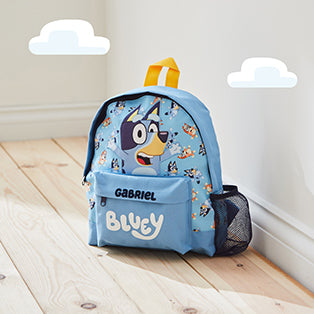

Top 3 essentials for a toddler's backpack on a day out
Setting off with a curious toddler can feel like preparing for a mini expedition. A compact backpack, packed with nappies, snacks, and a comfort item, keeps essentials within reach and reduces stress on the move.
This guide covers three essentials to carry on a day out with a baby: a mini changing kit (nappies, wipes, nappy bags, and a compact changing mat), snacks and feeding essentials (bottles, pre-measured formula or expressed milk, snacks for older babies, and a bib or two), and comfort and safety items (a favourite comforter or small toy, a lightweight blanket, sun protection, and basic first-aid supplies). These practical suggestions help you pack efficiently, deal with common hiccups quickly, and enjoy a calmer, safer day together.

1. Pack nappies, wipes, and a compact changing kit for quick, stress-free changes
Pack two or three spare nappies in your changing bag rather than only the number you expect to need; outings often mean extra changes, and spares stop you from having to improvise. Choose fragrance-free, alcohol-free wipes and keep a small resealable pack in an outer pocket for quick access, as gentler formulas reduce the risk of skin irritation and faster access speeds up nappy changes. Store nappies and wipes in a clearly labelled pocket or a small organiser so you can start a change straight away without rummaging, helping to keep routines quicker and calmer.
Pack a compact, wipe-clean changing mat and a leakproof bag containing a small tube of barrier cream and a travel pack of disposable nappy bags. These items protect surfaces, soothe redness, and keep odours and mess contained. Seal used nappies in disposable nappy bags until you can reach an appropriate bin to keep other items clean. Carry a small bottle of hand sanitiser or travel hand-cleansing wipes for the caregiver, and keep a few wipes for the baby to reduce germ transfer after a change. Tuck nappies, wipes, and these extras together so you have a single, ready-to-use kit that speeds up changes and simplifies clean-up.

2. Pack familiar snacks, drinks, and feeding essentials
When packing snacks and drinks for a day out, choose soft, bite-sized items that combine protein, carbohydrate, and fibre. Good options include small cubes of cheese, cooked chicken, soft fruit pieces, or mashed banana in a resealable pot, all cut into toddler-friendly pieces to favour independent self-feeding and reduce choking risk. Include a leak-proof drink, such as an insulated bottle or a trainer cup with a secure lid, and keep it upright in a padded pocket to prevent spills and help maintain a safe serving temperature. Keep a compact feeding kit in a labelled pouch with an easy-grip spoon and fork, a foldable bowl, and a wipe-clean silicone bib, and store it separately from loose snacks to avoid contamination and speed up mealtimes.
Tuck a small clean-up kit near the feeding area: unscented wet wipes, a washable cloth, a disposable bag for soiled clothes, and an extra napkin or bib. Carry a sealed spare snack and drink for unexpected delays, and label all containers with your child’s name and any allergen information so carers can identify them at a glance. If the child needs prescribed emergency medication, keep it in an accessible compartment with clear written instructions, including name, dosage, and expiry date, and tell any adults accompanying you where it is stored. Keeping items organised and separated helps prevent cross-contamination, speeds up feeds, and makes it easier to respond calmly to spills or delays.

3. Pack comforting extras, simple toys, and essential safety items
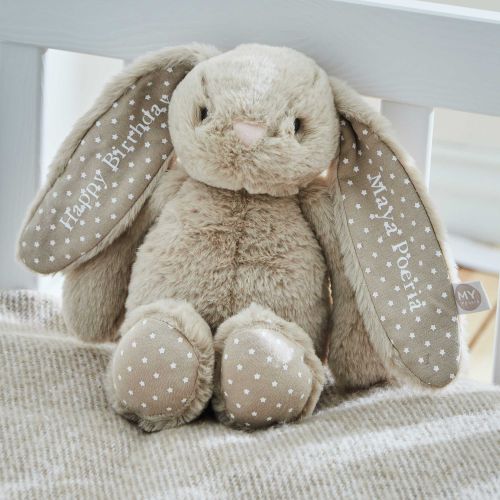
Attach a favourite soft toy or comforter to the backpack loop so it cannot be dropped or misplaced, and choose one small, washable comfort item to avoid extra bulk and laundering hassle. Pack a compact spare outfit in a waterproof pouch with underwear and socks; roll the clothes to save space, label the pouch with your little one’s name and any allergy or medical notes, and stow it at the back of the pack for easy access after spills. Include two or three simple, quiet toys that encourage open-ended play, such as a small board book, a sticker pad, or a stackable set that nests flat, rotate the selection between outings to keep things feeling fresh, and favour items that clean easily and have few loose pieces.
Keep a small first-aid and safety kit in a top pocket for immediate access. Stock it with plasters, sterile wipes, and a sealed antihistamine if required. Add a child-sized sun cream or insect-sting treatment where appropriate, and include any prescribed medication in its original packaging. Slip a laminated card with emergency contacts and key medical details into a waterproof sleeve so caregivers can find them quickly. Pack a lightweight sun hat or waterproof layer, a spill-proof water bottle, and a compact, portioned snack in resealable packaging, and clearly note any allergens on the packaging or on a labelled card inside the kit.
To bring these essentials together, pack a toddler backpack so carers can change nappies, prepare feeds, or soothe quickly during outings. Include nappies and a compact changing kit, feeding essentials, and a small comfort set. Use compact storage, clear labels, and separate compartments to keep clean items apart from used ones, cut down on rummaging, and speed up responses when minutes matter.
Start with changing supplies, separate feeding pouches with a sealed backup snack, and a small safety and comfort kit to keep your bag compact, hygienic, and easy to use. Pack items in labelled pockets so you can find what you need without rummaging, rotate toys and snacks to keep little ones engaged, and stow a spare outfit in a waterproof pouch to protect it from spills. These small habits save time and make heading out with a baby calmer and more manageable.
Share


