


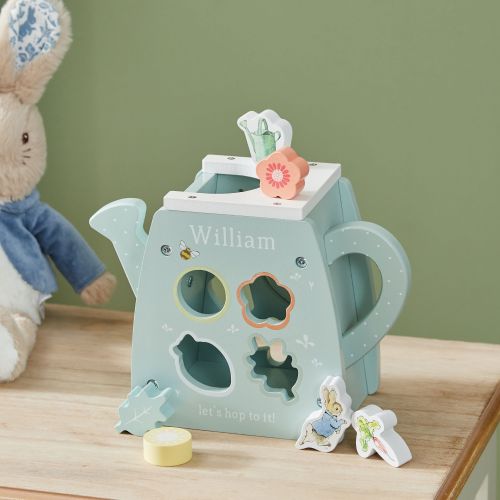
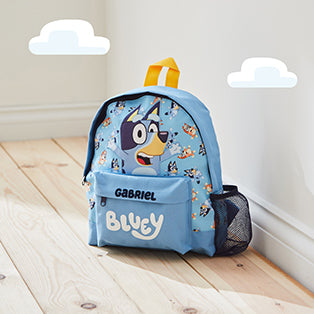

How to choose a christening gift that becomes a treasured keepsake
Looking for a christening gift that will last beyond the ceremony and grow in meaning as the child grows? A well-chosen keepsake that survives the wear of childhood and carries family stories can become a treasured heirloom.
This post explains how to choose a keepsake that reflects a family’s values, pick classic personalised pieces, select gender-neutral or gender-specific styles, and prioritise safe, durable materials. It also offers thoughtful ideas for presenting, caring for, and preserving the item so your gift remains meaningful for years to come.

Choose a keepsake that reflects your family's values
Start by learning the family's priorities. Ask parents or godparents about religious or cultural traditions, sustainability preferences, and whether they favour practical or sentimental keepsakes. If you cannot ask directly, look for clues in the nursery, on bookshelves, and among everyday items. Match those values to specific keepsakes. For families with religious traditions, choose a handcrafted christening shawl or a personalised prayer book to sustain ritual and faith. For eco-conscious families, select a piece made from reclaimed wood or give a living gift, such as planting a tree in the child’s name, to reflect an environmental commitment. For heritage-focused families, compile a family recipe book or offer a digitised genealogy packet to connect past and future. For families who prize learning, pick a personalised first-book collection or bespoke alphabet blocks to support early curiosity and literacy. Make the item unmistakably personal. Embroider a family name or motto, include a short note explaining the gift’s significance and who gave it, and add multilingual inscriptions where relevant. Package the keepsake with a brief provenance card that records dates, names, and any special stories; a clear provenance helps future generations understand and keep the piece. These small touches turn an object into a meaningful heirloom that carries family memory forward.
Choose materials and finishes that reflect your family’s values. For eco-minded households, favour natural, non-toxic fibres and solid joinery; for written keepsakes, pick acid-free paper and archival-safe inks so notes and prints do not yellow or fade; for items you hope to pass down, look for durable finishes and repairable construction to extend their life. Before you buy, run a few simple checks you can do at a glance: read care labels to see washing and storage instructions, test closures such as snaps, zips, or buttons for ease and strength, and confirm which parts can be repaired or replaced. Those basic checks reveal practical longevity and realistic maintenance needs. Make the keepsake part of family life so it gathers meaning. Present it during a naming or birthday moment, create a memory box with photographs and a short letter, set a regular time to use or view the item, and invite godparents or relatives to add notes over the years. Objects that enter ritual or everyday use collect stories and associations, and are far more likely to become treasured keepsakes.
Personalise an archival linen journal to record provenance.


Classic personalised keepsakes for every milestone: a practical guide
Choose heirloom materials and visible craftsmanship. Solid wood, sterling silver, and acid-free textiles stand up to handling and storage; look for hallmarks, dovetail joints, and tight stitching. Hallmarks confirm metal quality, dovetail joints lock timber together to resist separation, and close stitching stops seams from unraveling, so these details hint at long-term durability and authenticity. Personalise with concise, meaningful details. Engrave the child's full name, add a short blessing, or include a tiny handprint or fingerprint. Brief inscriptions and tactile marks stay legible and relevant decades later, and they fit easily into different keepsake formats. Pick items designed to adapt over time. A blanket that converts to a lap throw, a keepsake box that later becomes a jewellery case, or a charm that transfers to an adult necklace all extend an item’s usefulness. Practical adaptability helps keepsakes stay in regular use and become woven into family stories.
Include clear care instructions inside the gift. For example, wrap textiles in acid-free tissue, store metal pieces in a dry, lined box, and clean surfaces with a soft, non-abrasive cloth. Avoid adhesive labels that can damage finishes, and choose archival materials to limit chemical deterioration. Record the provenance and the story behind the gift with a handwritten note naming the giver, the reason for the gift, and any maker details or material certificates, and photograph the item at the christening or naming ceremony to capture context. These practical steps help future caretakers keep the item in good condition, and small touches like a dated note or photograph give later generations clear evidence of the object’s origin and meaning.
Linen-bound journal: personalise, record provenance, and photograph keepsakes.


Gender-neutral or gender-specific: which baby keepsake design is right for you?
When choosing between gender-neutral and gender-specific designs, start with the motif. Animals, stars, and nautical themes tend to feel neutral, while florals, bows, and trains often read as gender-specific. Neutral motifs work well with varied palettes and can easily adapt if future siblings arrive or tastes change; specific motifs create a distinct look that may feel dated over time. For lasting appeal, choose muted, classic colourways and keep pattern scales balanced, then add a single bold accent to give the piece personality as room décor evolves.
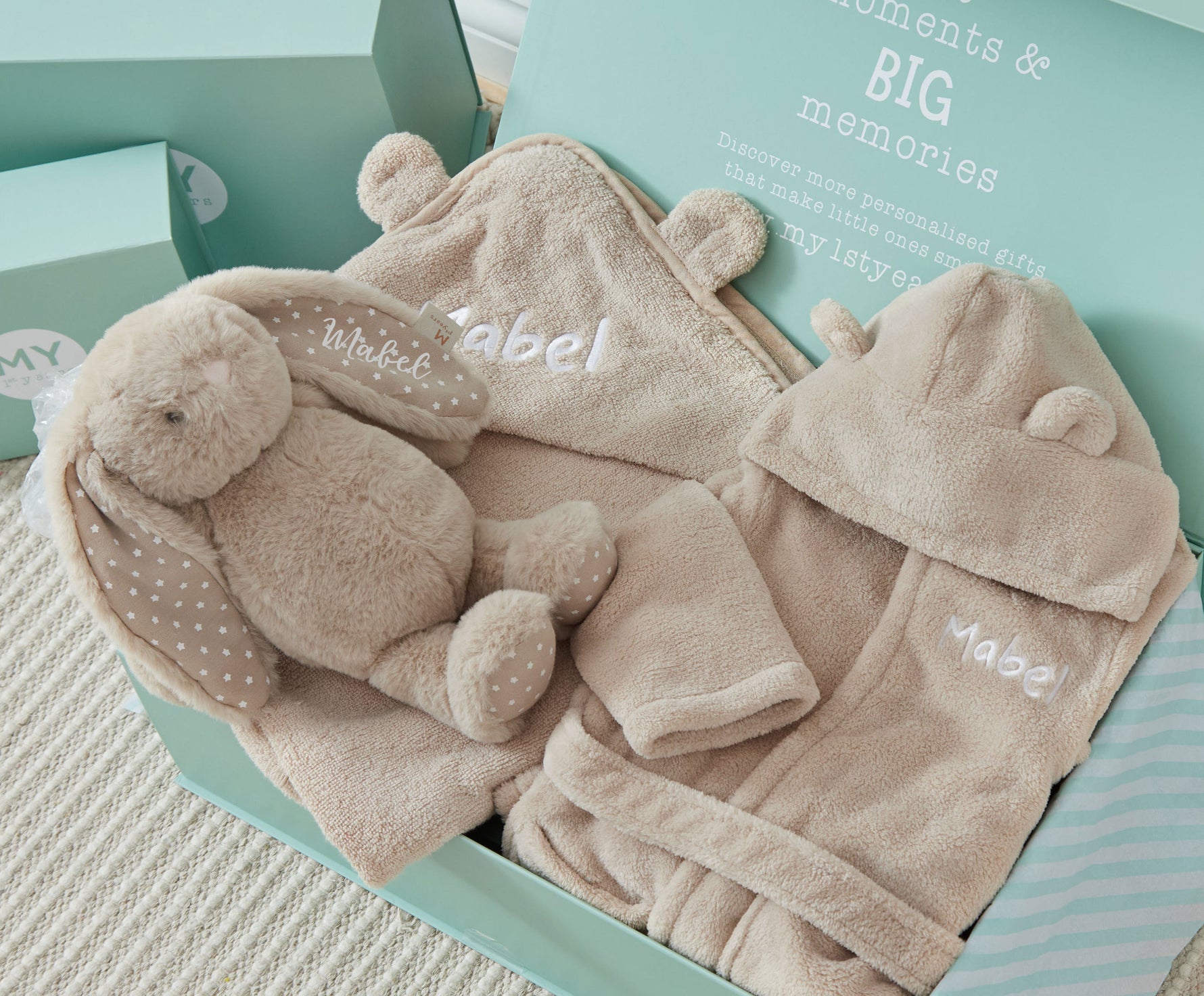
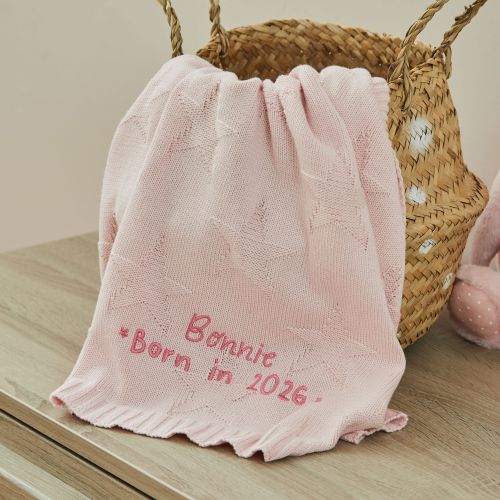
Alongside motif choice, personalise with details such as a first name, initials, or a short message, applied by engraving, embroidery, or stamping in discreet spots like a hem, the base, or an inside seam. Small placements keep the sentiment private without overwhelming the design. Choose materials and finishes with ageing in mind: metals that develop a patina gain character, sealed hardwoods resist knocks and dents, and machine-washable textiles stand up to repeated use. Keep care simple: polish metal occasionally, reseal wood as needed, and wash textiles gently to preserve their appearance. For flexibility, pair a neutral core with removable accessories, reversible elements, or interchangeable attachments, such as detachable charms or a reversible blanket, so the recipient can refresh the look over time without replacing the keepsake. For example, an initial stitched into a blanket corner can become a quiet, personal memento.
Design pairings, personalisation, and care for lasting keepsakes
- Motif and colour-palette pairings: treat animals, stars, and nautical motifs as neutral foundations, and florals, bows, or trains as more gender-specific cues; choose a muted base colour, add a single bold accent, and match scale to use (small repeat for clothing or cushions, larger motifs for blankets or wall pieces). Practical combos to try: slate grey base with mustard accent and animal motifs for a warm neutral, dusty blue or sage with white stars for a calm feel, or charcoal with a single jewel-tone accent for a modern, long-lived look.
- Personalisation and reversible options: place personalised details in unobtrusive spots such as hems, inside labels, the underside of a base, or the inside lip of a box; use initials or a short name in small to medium type, choose a simple serif or sans serif for longevity, and keep thread or engraving colours muted. For flexibility, build in removable or reversible elements like snap-on trims, detachable charms, reversible blankets, or interchangeable tags so recipients can update the look without replacing the item.
- Materials, finishes, and simple care routines: favour sealed hardwoods and metals that develop a patina for character, choose machine-washable textiles and stain-resistant finishes where possible, and select finishes that tolerate light polishing or resealing. Maintain pieces with gentle routines: wipe metals and hardware with a soft cloth, spot-clean textiles with mild detergent and cool water and air-dry flat, and reseal or touch up wood and painted surfaces as needed. For small repairs, restitch loose seams with matching thread, tighten or replace fastenings, and use a furniture touch-up wax or marker for dings to keep the piece usable and attractive over time.

Selecting safe, durable materials for baby keepsakes that last
When selecting a keepsake intended to endure, favour durable, non-reactive materials such as sterling silver, stainless steel, high-fired ceramics with lead-free glazes, solid hardwoods finished with food-safe oils, and tightly woven natural fibres. These materials resist corrosion and wear. Sterling silver will tarnish over time, but regular polishing restores its shine. High-fired ceramics become dense and less porous, so they are less likely to chip or leach. Hardwoods benefit from occasional oiling to refresh the finish, and tightly woven natural fibres stand up better to everyday use and cleaning. Inspect how an item is made: look for soldered or riveted joins on metal, double stitching and reinforced seams on textiles, and securely anchored embellishments. Give small parts a gentle pull test to check they will not detach and create a choking hazard. Match the material to the care you will actually do. If you expect to launder an item often, choose machine-washable textiles. If you prefer low-maintenance metal, pick stainless steel, and if you like silver, be prepared to polish it occasionally. Choose finishes that tolerate regular wiping, and include clear care instructions so the keepsake stays beautiful and free from unnecessary wear or allergen build-up.
To help a gift become an heirloom, choose nickel-free metals, BPA-free plastics where used, and glazes or finishes certified lead-free. Ask the maker for material certificates and keep that documentation with the item. If allergies might be an issue, perform a discreet patch test on an adult's skin before prolonged contact. Favour neutral shapes and colours that will suit changing tastes over the years. Prefer pieces that can be personalised or engraved, repaired, or that have replaceable components or resizing options, as these are far more likely to be kept and passed down.
Solid hardwoods, personalised, repairable — wipe-clean finish.


How to present and preserve your baby's first keepsake
When you hand over the keepsake at the christening, make it a simple ritual. Say a short anecdote that explains why the gift matters, and include a personalised, handwritten note with the child’s full name and your relationship so future owners can read it. Photograph the presentation and file those images and the note together in a care file to establish clear provenance. These small, thoughtful acts turn an object into a documented family keepsake that carries meaning across generations.
After the presentation, protect a cherished keepsake by handling it with clean hands or cotton gloves. Wrap textiles and paper in acid-free tissue, and store metal or wood in breathable containers away from direct sunlight and from sealed plastic that can trap moisture and encourage mould or tarnish. Follow these material-specific steps: wipe silver gently with a soft cloth and avoid abrasive cleaners; spot-clean fabric sparingly, and store garments flat when possible to prevent creases; keep wood away from rapid humidity changes and polish only occasionally with a soft cloth; fasten jewellery clasps before storing and check fittings periodically to catch loosening early. For display, use cases or shadow boxes with UV-filtering glazing and acid-free backing, rotate items out of view to limit light exposure, and label storage boxes with clear care notes so future family members know how to look after them. Keep a digital backup of provenance documents and photographs, stored securely off-site or in the cloud. If you notice persistent stains, structural weakness, or active corrosion, consult a conservator as soon as possible.
Taken together, a carefully chosen, well-made keepsake uses durable materials, thoughtful personalisation, and clear care instructions so it grows in meaning as the child does. Match the piece to the familys values, choose adaptable designs that work through different ages, and record its provenance and care history to help ensure it stays treasured and is passed down.
Choose non-reactive materials, add a short, meaningful inscription, present the gift with a note that explains its context, and store it with archival-grade care to protect both the object and the story it holds. A thoughtfully chosen keepsake becomes a tangible link between generations, inviting future carers to add their own pages to the family’s story.
FAQ
What should I ask or consider to match a keepsake to the family's values?
Ask about religious or cultural traditions, sustainability preferences, and whether they favour practical or sentimental items, or infer priorities from the nursery and everyday objects; then match those values to appropriate keepsake types such as a prayer book for religious families, a tree planted in the child’s name for eco-conscious families, or a compiled family recipe book for heritage-focused families.
How do I choose materials and finishes that will last and be safe?
Select durable, non-reactive materials like sterling silver, stainless steel, solid hardwoods, high-fired lead-free ceramics, and tightly woven natural fibres, and inspect construction for reinforced seams, secure embellishments, and replaceable components; request or keep documentation about material composition and include clear care instructions.
What personalised keepsake options work best, and where should inscriptions go?
Choose classic, well-made pieces such as personalised books, engraved silver, or a convertible blanket, add concise inscriptions or tactile marks like a name, short blessing, or tiny handprint, and place them unobtrusively on hems, inside labels, or the underside of a base to preserve aesthetic longevity.
Should I choose a gender-neutral or gender-specific design?
Pick neutral motifs such as animals, stars, or nautical themes and muted colourways for long-term versatility, or choose florals and bows for a distinct aesthetic if that suits the family; for flexibility, combine a neutral core with removable accessories, reversible elements, or interchangeable attachments.
How should I present and preserve the keepsake so it stays meaningful?
Present the item with a brief anecdote, a handwritten note recording the child’s full name and the giver’s relationship, and photograph the moment, then preserve the object using clean hands, acid-free tissue, breathable storage, UV-filtering display where needed, and a digital backup of provenance documents.
Share


