




10 Durable Qualities to Look for in a Keepsake Comforter
You want a comforter that still looks and feels special decades from now, not one that becomes flat, faded, or worn out after a few seasons. Claims of softness, loft, and luxury can feel bewildering when real longevity often comes down to overlooked details such as fibre strength and construction.
The ten qualities covered here include clarifying intended use, choosing durable fibres and stable blends, assessing weave and density, picking resilient filling, inspecting seams and quilting, opting for permanent personalised details, testing colourfastness, verifying safety and allergen information, prioritising easy-care instructions, and planning for ageing and storage. Understanding how each quality relates to specific wear patterns helps you compare specifications, ask the right questions, and care for a keepsake that will stand the test of time.

1. Clarify the keepsake's purpose and how it will be used
Decide if the comforter will be used every night, kept as a display piece, or saved as a family heirloom. That choice shapes the materials and construction you should prioritise. Items used daily need higher abrasion resistance, reinforced seams, and hard-wearing finishes to stand up to frequent handling and washing, while display pieces can favour finer fabrics and decorative techniques that look beautiful but wear more easily. Match materials to a realistic maintenance plan. If you expect regular laundering, choose machine-washable constructions and colourfast fibres. If you prefer spot-cleaning with occasional professional care, opt for robust fibre blends and sturdy finishes that tolerate less frequent washing. Note any embroidery, appliqué, buttons, or attached keepsakes early in the design process, and use attachment methods that anchor into a backing or protective stitching to reduce stress at attachment points. Avoid large, loose elements on items meant for everyday use; hidden reinforcements, double-stitched seams, or bartack reinforcement will reduce wear. For personalised pieces, consider removable covers so the decoration avoids repeated washing, and favour construction details that make future mending straightforward. Generous seam allowances, accessible linings, and standard thread colours all make repairs easier and help a treasured comforter last for years.
Favour repairability: choose accessible seams, standardised insert sizes, and fillings that can be topped up or replaced. Make a simple record of fabric types, stitch patterns, and filling composition now so future repairs or replication are easier. Photograph key details and note how parts attach to guide a restorer. Plan for preservation by storing items in breathable containers with acid-free tissue to reduce moisture and discolouration. Before committing an item to long-term display, test for colourfastness by dabbing a damp white cloth on a hidden seam. If colour transfers, avoid direct contact and consider alternative storage or professional cleaning. Where possible, choose fibres and finishes that resist mould, pest damage, and colour loss. These small steps make repairs simpler and help keepsakes last so they can be handed on.
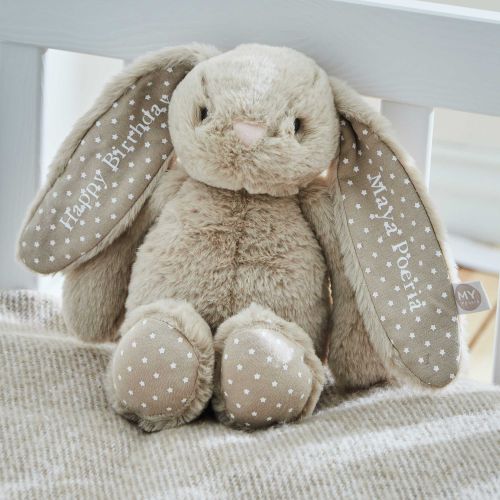
Create a personalised linen cushion they’ll treasure.

2. Choose durable fibres and stable fabric blends
For a keepsake you want to last, pay attention to tensile strength, abrasion resistance, elasticity, and moisture handling. You can check those qualities with a few simple, hands-on tests: tug a seam to watch for distortion, rub a damp white cloth across the surface to assess colourfastness, scrunch and release the fabric to compare drape and recovery, and inspect stitch density and edge finish for weak spots. The results tell you more than labels alone — if a seam stretches or puckers, the yarns may lack strength, and if colour transfers you risk fading or staining other items. Material trade-offs matter: long-staple natural fibres have fewer loose ends and pill less, continuous-filament synthetics resist abrasion and keep their loft, and wool and silk offer high tensile strength but bring specific vulnerabilities such as felting or UV sensitivity. When you read labels, look for meaningful terms: long-staple (fewer broken fibres, less pilling), combed and ring-spun (smoother, stronger yarns), continuous filament (stable, abrasion-resistant), pre-shrunk and sanforised (controlled shrinkage), and mercerised (greater strength and deeper colour). Always use the hands-on checks to verify label claims before you buy.
For durable textiles and keepsakes, favour fabric blends that combine complementary qualities. Cotton-linen mixes deliver strength and breathability, cotton with a synthetic improves dimensional stability and reduces shrinkage, and silk-cotton adds a subtle sheen while boosting tear resistance. Look for pre-shrunk or sanforised finishes, anti-pilling or colourfast treatments, and reinforced stitching at seams. Pre-shrinking controls size change, anti-pilling limits loose fibres, and reinforced edges cut the risk of seam distortion. To maintain longevity, launder gently, use low heat or dry flat, and minimise mechanical agitation to preserve fibre structure, loft, and colour. In store, use simple checks to confirm construction matches the label: give the fabric a gentle tug to test recovery, rub a hidden area with a damp white cloth to check colourfastness, and inspect seams for firm, even stitching.
Choose an embroidered organic-cotton tee for durable keepsakes.

3. Assess weave, density, and how the fabric feels to the touch
Percale and sateen age differently. Percale uses a simple one-over-one weave that lets air circulate, stands up to abrasion, and keeps a crisp feel after many washes. Sateen uses float yarns that sit on the fabric surface, giving a silkier touch but making it more prone to snags and surface wear. Don’t rely on thread count alone. Check fabric density cues such as GSM, which stands for grams per square metre, and how heavy the outer fabric feels in your hand. Denser fabrics reduce the chance of the filling shifting or poking through, and they resist abrasion better. Be aware that very high thread counts can be achieved with multi-ply yarns, which raise the number without necessarily making the cloth stronger. In practice, tighter weaves and heavier-feeling fabrics show fewer gaps and will limit filling escape and surface wear over time.
When you handle a blanket, quilt, or soft keepsake, several tactile checks reveal how well it’s made. Rub the surface between your thumb and forefinger to spot loose fibres, an early sign that the item may pill. Gently stretch a small patch to check recovery and elasticity; fabric that snaps back keeps its shape with repeated use. Crumple the material in your hand to assess resilience; the quicker it smooths out, the better it will resist wear. Hold the shell up to the light to reveal gaps in the weave, and examine stitch density around any baffles and edges. Even, closely spaced quilting helps keep filling in place and reduces seam wear. Ask about the yarn and finishing methods: long-staple, combed, or compact-spun yarns feel smoother and resist breakage, while singeing and mercerisation remove surface ends and give a cleaner hand. When the fabric feels smooth, has few loose fibres, and snaps back into shape, the construction and finishing are likely to withstand repeated use.
Wrap them in breathable, durable cashmere-blend softness.

4. Choose a filling that retains loft and provides lasting support
When choosing a duvet, check both fill power and total fill weight. Fill power measures how much volume one ounce of filling occupies, so a higher number means more loft per ounce. Fill weight tells you how much filling the duvet actually contains. Together they give a clearer picture of loft and insulation, helping you pick the warmth level you need. Different fillings behave in different ways: down clusters trap air very efficiently but can collapse when wet unless treated for water resistance; synthetic fibres rely on resilient crimps that bounce back after repeated compression; and wool keeps its loft while wicking moisture because of its natural crimp. Also inspect how the filling is contained. Baffle boxes or well-sewn channels with ample, evenly distributed fill reduce migration and cold spots, which helps the duvet hold its loft over time.
Before you buy, and again after washing, check a duvet's loft and rebound. Compress the duvet firmly, release it, and time how long it takes to spring back to its original thickness. Repeat this a few times to mimic normal use; a filling that bounces back quickly and consistently is more likely to retain its loft over the years. Always follow the manufacturer's care instructions, use a gentle detergent, and tumble dry only if recommended. Where suitable, use wool dryer balls or similar to help tease the filling back into place and restore loft. Air the duvet regularly and give it a good shake, and when you store it keep it uncompressed in a breathable bag to avoid long-term collapse of the filling. When shopping, look for descriptions such as per-chamber fill, or ask to inspect the internal chambers. Even, compartmentalised construction helps keep filling distributed and preserves loft over time, so check the build as well as the filling type.
Choose a soft, easy-care toddler duvet set.

5. Inspect seams, quilting, and reinforced edges for loose threads, gaps, or uneven stitching
When you're checking a blanket, quilt, or soft toy, start by examining the seams and quilting lines for tight, even stitches and consistent spacing. Higher stitch density spreads stress across more thread and makes runs or popped seams less likely. Look closely at corner treatments, folded hems, bar tacks, and any piping or binding; extra fabric and concentrated stitching in these areas help them withstand handling and washing. Finally, try a simple hands-on test: tug gently at corners, press along seams, and squeeze quilting compartments. That will reveal loose threads, popped stitches, or uneven fill distribution so you can see how the item will hold up in real use.
Check the quilting style. Sewn-through quilting creates a flatter finish and can allow the filling to migrate along stitched channels, while box baffle or compartment quilting traps filling in defined pockets so the loft, the air-trapping fluffiness that provides warmth, stays more evenly distributed. Inspect seam allowances for neat finishes and look for backstitching at the start and end of stitch runs, because smooth, overlocked, or folded seams resist fraying and handle stress better. Opt for tightly spun or bonded threads and durable edge finishes, as these materials tolerate repeated use and washing. Visible adhesive, skipped stitches, or fraying thread are clear signs of weaker construction and deserve closer scrutiny.
Pick a stitched, personalised blanket for durable seams.

6. Choose permanent personalised details to preserve precious memories
For keepsakes that will be handled and washed, choose stitched personalisation such as embroidery, appliqué sewn through the fabric, or a woven label set into a seam. These techniques become part of the textile, so they flex and wash rather than flake, peel, or crack like heat transfers or glued motifs. Ask for stitching that passes through layers or into a seam to maximise longevity, choosing methods a restorer or a home sewer could re-stitch or reinforce. Check colourfastness by dampening a hidden seam or the reverse of a personalised patch and rubbing with a white cloth to see if any dye transfers. When repeated laundering matters, choose mercerised cotton or polyester embroidery threads with proven washfastness.
Keep names, dates, and labels away from high-wear edges and quilted baffle lines. Placing them centrally or inside the item reduces friction during handling and in the machine wash, so the information lasts longer. Tuck a sewn-in label into an internal seam or hem, or stitch a small provenance pocket or linen label into the inner seam. Include the maker, fibre content, and care notes so future owners can identify materials and care requirements for conservation or repair. Design for repairability. Use continuous-stitch alphabets and match common repair-thread colours so initials and dates can be refreshed easily. Avoid glued trims and fragile surface embellishments; choose durable techniques such as embroidery or securely stitched patches so details can be repaired without replacing the whole comforter.
Pick embroidered dungarees for lasting, washable personalisation

7. Check colourfastness to keep baby blankets and clothes vibrant
Crocking is when dye rubs off onto other surfaces. To check for it, moisten a clean white cotton cloth, press and rub a hidden seam or inner hem for a few seconds, then inspect the cloth for any transferred dye; visible transfer suggests the fabric may not be colourfast under friction or body contact. To simulate a wash, launder a concealed corner or a spare fabric swatch using the detergent and machine settings you intend to use, and photograph the sample before and after in consistent light and against the same background so any bleeding or loss of vibrancy is easy to compare. Use the care label to help interpret your results: solution-dyed synthetic fibres usually retain colour best, reactive dyes form strong bonds with many natural fibres, and surface pigment prints tend to fade or flake sooner.
If you want to judge a comforter’s resistance to fading, test a concealed seam or spare sample in strong natural light over a few short periods. Photograph the test piece alongside an unexposed reference so you can compare any change in colour over time. Watch for practical warning signs, including crocking (where dye rubs off), uneven fading along seams, or rapid dulling after a single wash. To help preserve colour, follow the care label, use a colour-safe detergent, avoid strong oxidising agents such as bleach, and store the comforter away from direct light when it is not in use. These quick at-home checks, paired with simple care steps, give you clear, observable evidence about whether a comforter will keep its appearance as a keepsake.
Protect your keepsake—choose a personalised soft cotton tee

8. Confirm product safety standards and full allergen details
When choosing textiles for baby items, check for independent certifications such as Oeko-Tex or GOTS, and ask to see laboratory reports on chemical residues and flammability so a third party has screened the fabric and fillings for harmful substances. Identify the materials and fill type — for example, natural down, wool, silk, or synthetic fibres — and favour tightly woven casings and boxed or baffled construction to limit feather or fibre escape, since different fillings attract dust mites and trap moisture to differing degrees. Also ask whether items have been treated with anti-allergen, anti-microbial, or flame-retardant finishes, and request the material safety data sheets; chemical treatments can reduce immediate allergen loads but may off-gas or degrade over time, so it helps to weigh short-term benefits against potential long-term effects.
Check the care label first to confirm practical cleaning and durability. See whether the comforter tolerates machine washing, needs professional laundering, or requires delicate handling. Inspect stitching, seams, and baffle boxes (the internal stitched pockets that keep filling in place), since sturdy construction withstands regular washing, which in turn reduces dust and residue. Plan how you will protect and store the comforter. Wash it before first use, use an allergen-proof cover for daily protection, and store it in a breathable cotton bag in a cool, dry place where humidity is controlled. Avoid long-term airtight plastic storage, which can trap moisture and encourage mould. If you must limit moisture, include desiccant packets and air the item periodically to deter pests and damp. Look for documented treatments, relevant safety certifications, and robust construction as concrete evidence to judge long-term skin and respiratory safety. These practical checks also help you decide whether a comforter is likely to remain a lasting keepsake.
Choose a certified, breathable newborn bed for safer sleep.

9. Prioritise easy-care fabrics and clear washing instructions
Start by checking the care label to make sure the instructions are clear and readable. It should list the recommended wash temperature, cycle type, drying method, and whether professional cleaning is advised. Choose comforters labelled machine washable and look for construction details such as reinforced seams, box or baffle quilting, and secure edge stitching. These features reduce fill migration and seam failure during the wash, helping the comforter retain its shape and loft after repeated laundering.
To keep a comforter or padded keepsake soft and long-lasting, use gentle, evidence-based cleaning steps. Wash with a mild, low-alkaline detergent and avoid bleach. Pre-treat stains with an appropriate enzyme or solvent-based remover, testing colourfastness on an inconspicuous patch first. Dry completely on a low-heat setting or by air until fully moisture-free; use dryer balls or clean tennis balls to break up clumps and redistribute the filling. Even a little residual moisture or too much heat can flatten the fill and encourage mildew, so thorough, low-temperature drying preserves loft and longevity. Reduce how often you launder by fitting a removable duvet cover, spot-cleaning spills promptly, airing the item regularly, and storing it only when completely dry in a breathable bag. Keep the original care label or a small fabric sample so you can check fibres and instructions later.
Choose a washable duvet cover to reduce laundering

10. Plan how to manage ageing, storage, and preservation of keepsakes
When you store a comforter for the long term, start by cleaning and inspecting it. Launder or arrange professional cleaning to remove body oils, skin cells, and food residues that attract pests and cause stains. Repair any loose seams, re-secure tufts, and reinforce thin areas so small issues do not become irreversible damage. Choose breathable, acid-free storage: cotton or linen bags, or acid-free boxes and tissue. Avoid sealed plastic or vacuum-seal packs, which trap moisture, encourage mould, and can off-gas chemicals that yellow fibres. To preserve loft, keep down or synthetic-filled comforters uncompressed on a shelf or in a large breathable bag. For quilted or tufted pieces, pad folds with acid-free tissue to prevent permanent creasing and stress along stitch lines. Finally, record what you have done. Keep photographs and written notes listing fibre and fill types, any treatments, and repairs with the item so future custodians have a clear care history.
Store keepsakes in a dark, well-ventilated place with steady humidity to slow fading and reduce the risk of mould. Clean items before packing to remove stains and loose fibres, which attract moths. Use non-staining pest-control methods, such as pheromone traps, rather than oils or balms that can leave marks, and check items periodically to catch issues early. Keep a concise provenance record, including stitch patterns, repair dates, and any care notes, in an acid-free envelope with the comforter to preserve its story and guide future conservation decisions.
Choose materials and construction that resist abrasion, retain loft, and can be repaired. Fibre strength, quilt density, seam construction, and proper storage all influence whether a comforter endures as a keepsake. Follow the hands-on checks and care steps in this guide to verify manufacturers' claims and to protect colour, fill, and stitching. Those simple tests and routines help the piece stay functional and look cherished for years to come.
Treat the ten headings as a practical checklist: clarify the item’s intended use, assess its fibres and weave, inspect the filling and quilting, and choose permanent, personalised details. Test colourfastness, check safety and care instructions, and consider storage. Apply the quick checks, record fibre content, stitching, and repair notes, and plan breathable storage to help later owners preserve the item’s warmth, appearance, and provenance.
Share


