



Choose a Christening Gift That Becomes a Lifelong Treasure
How do you choose a Christening gift a child will cherish for life? Many toys are outgrown within months and keepsake boxes are often tucked away and rarely revisited. A thoughtfully chosen item, by contrast, can anchor family stories and become a lasting, tangible link between generations.
In this guide, we'll show you how to choose a gift with lasting meaning and share timeless keepsake ideas for little ones. You'll find practical tips to personalise, present, and care for keepsakes so they stay treasured through every first and milestone.

Choose a gift that becomes a lasting keepsake
Choose a tactile heirloom made from materials that resist wear, such as solid wood, silver, or acid-free paper, and include clear care instructions and simple preservation steps so the item can last for decades. Photograph the piece, keep a written record of who gave the gift and why, and create digital backups of those documents so the story survives if the physical items are lost. Date and sign any handwritten note to establish provenance, and tuck a short care sheet with practical guidance for future custodians.
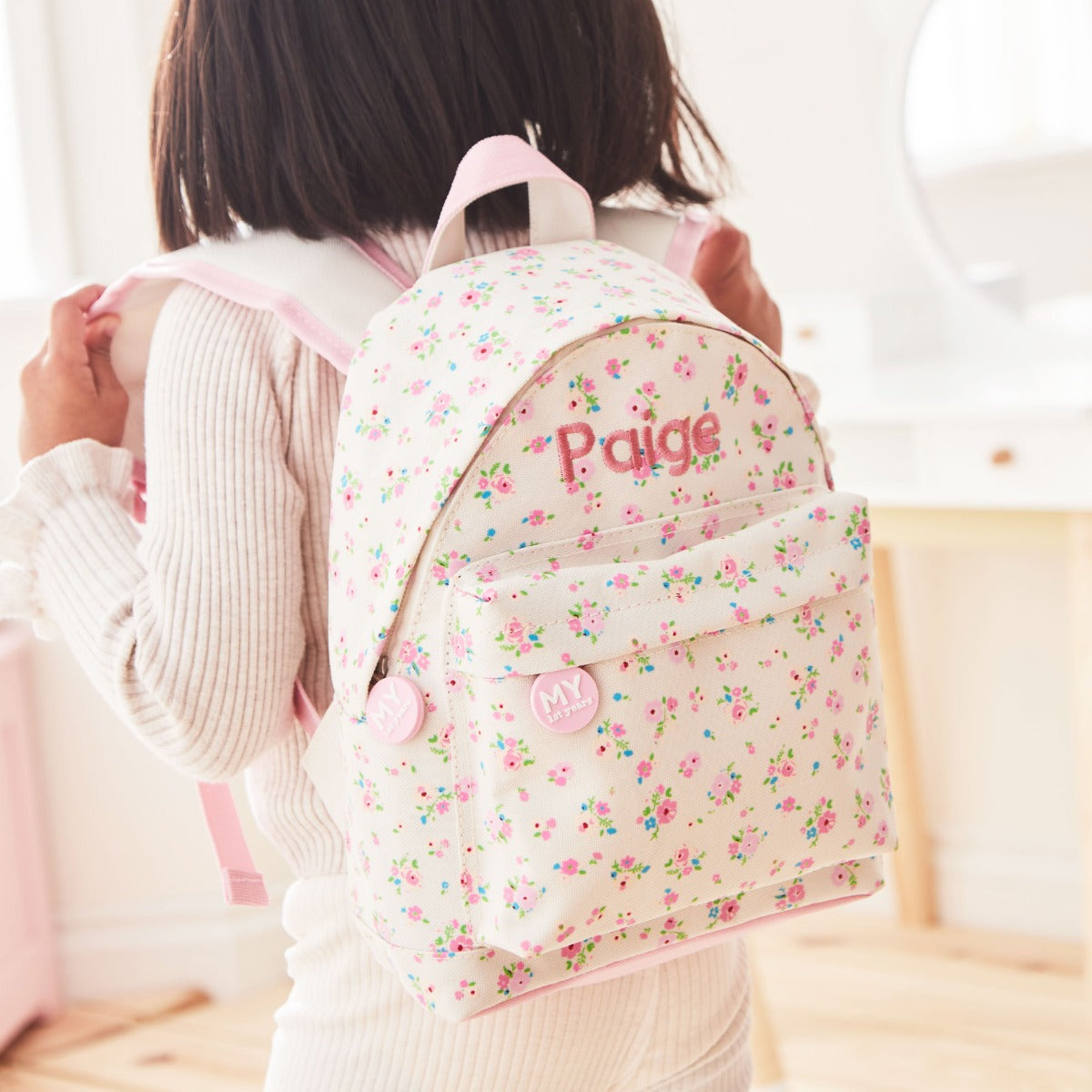
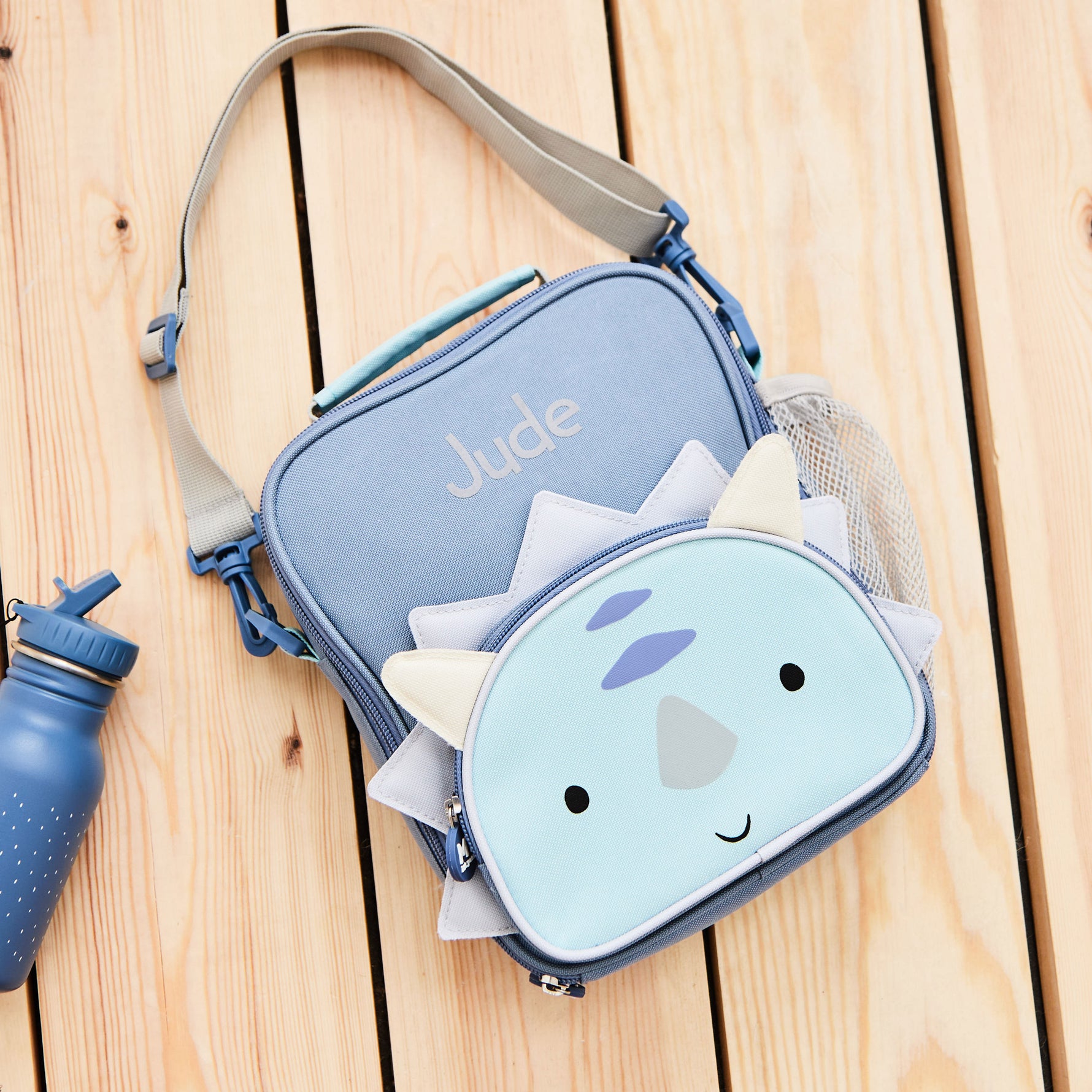
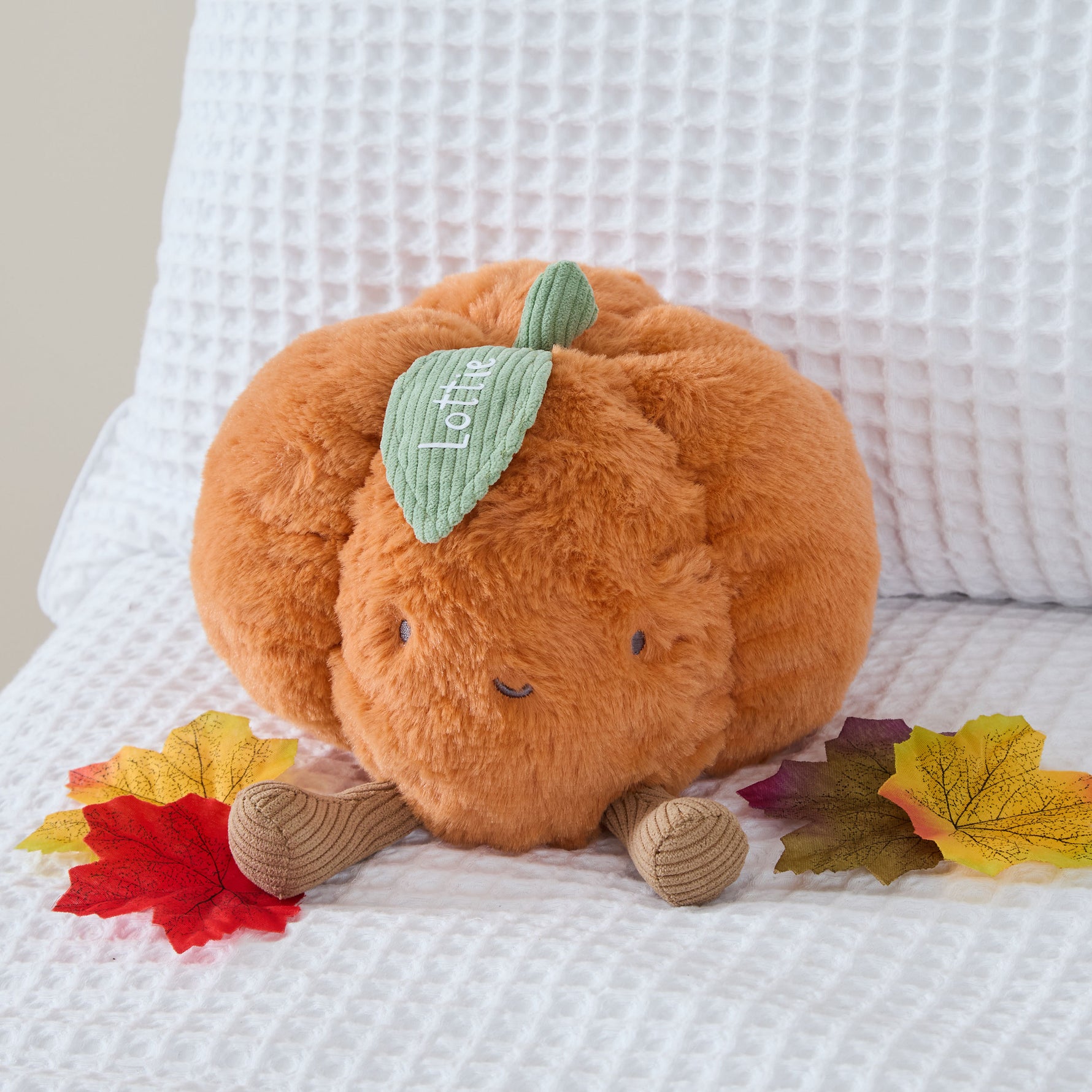
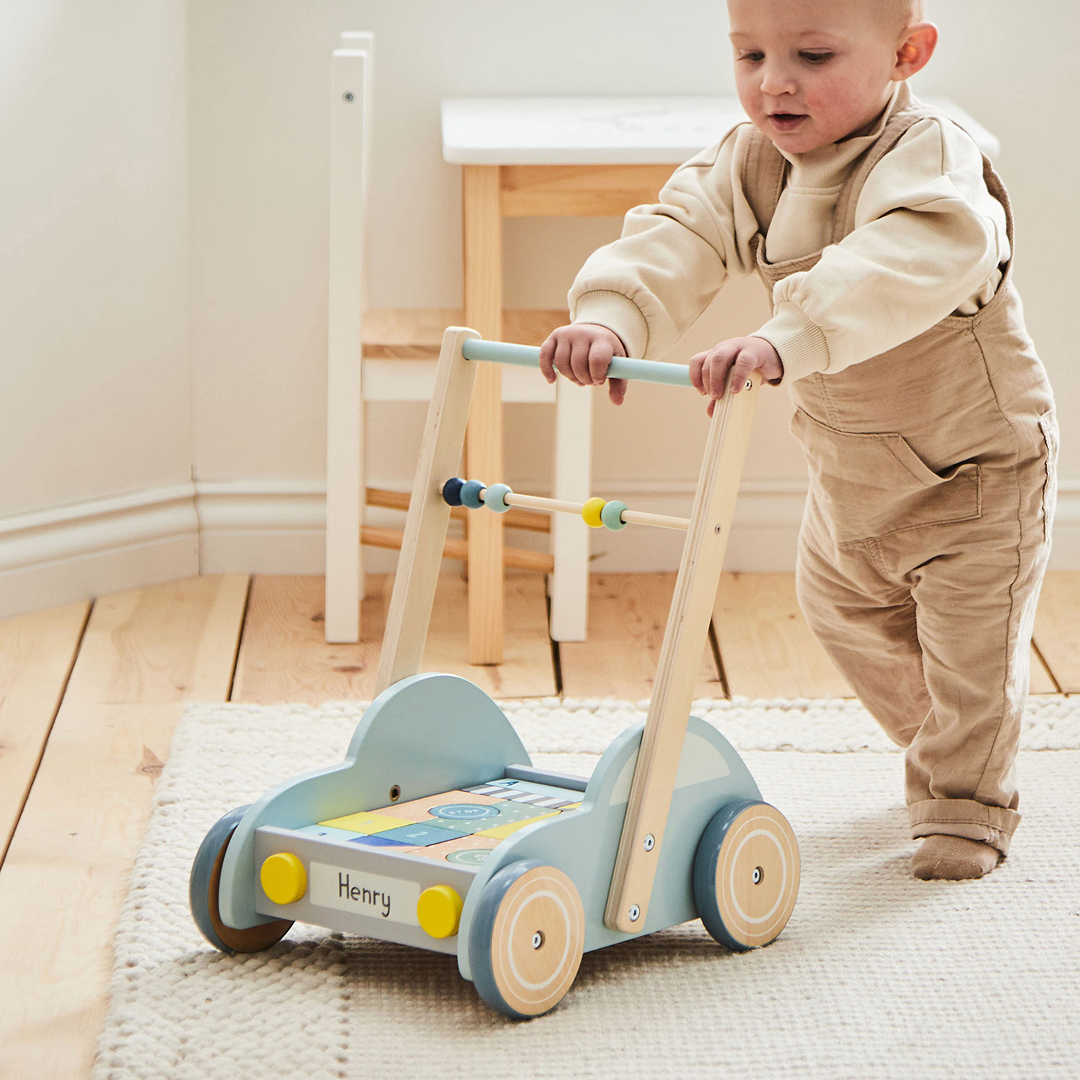
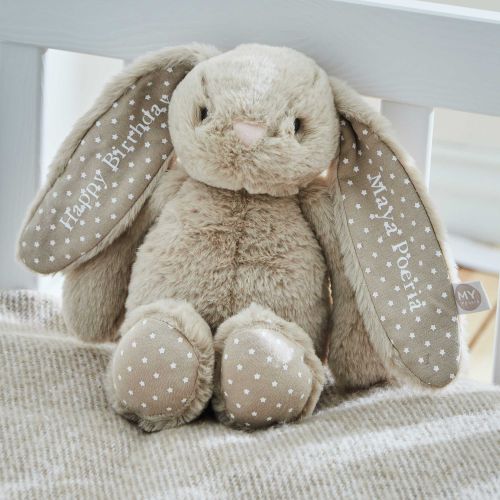
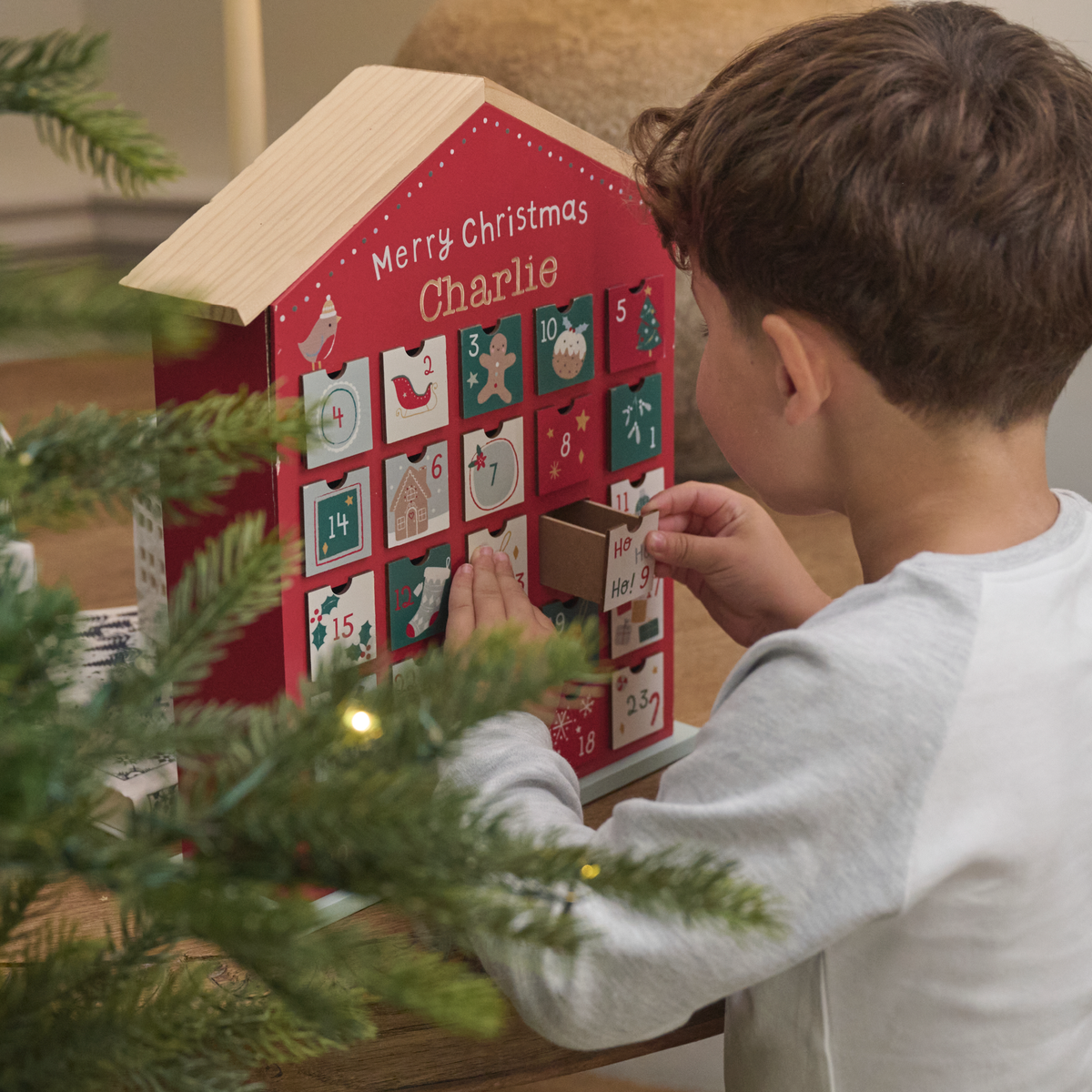
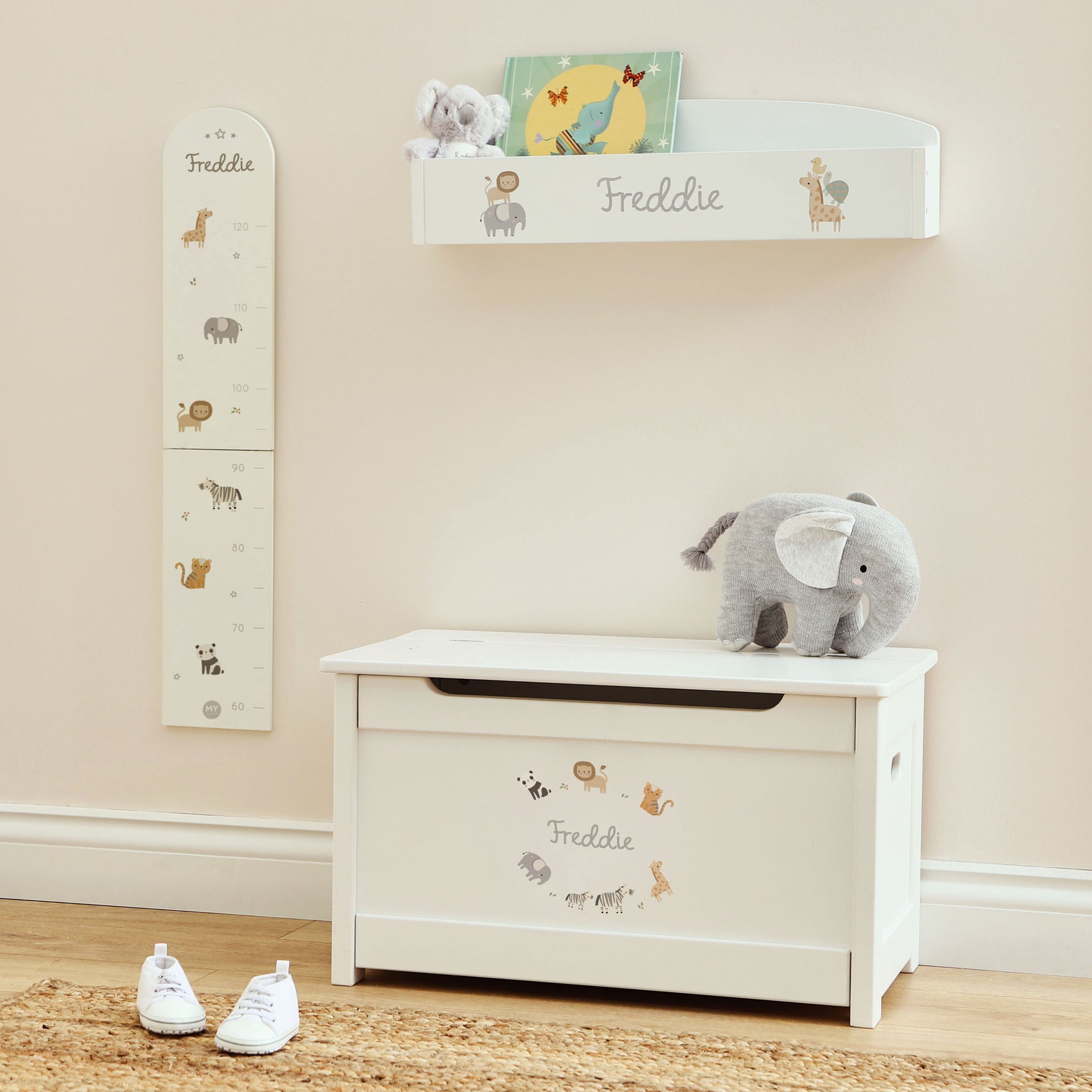
Personalise the gift by engraving their name, commissioning a bespoke illustration, or tucking in a handwritten letter that explains your choice and records a family story. Choose items that can grow with the child, for example a musical instrument that develops with their skills, a series of timeless books, or a starter toolset that you can add to as they learn. Plan practical ways to upgrade the present, like extra strings, companion volumes, or more advanced tools, so it stays useful at different stages. Create a gentle ritual around the object — a yearly moment of reflection on their birthday, a small role for it at family milestones, or a passing-on ceremony — so the item becomes part of family life and a touchstone for shared memories.
Personalise with handwritten notes; preserve on acid-free keepsake pages.


Timeless keepsake ideas to treasure for baby girls and boys
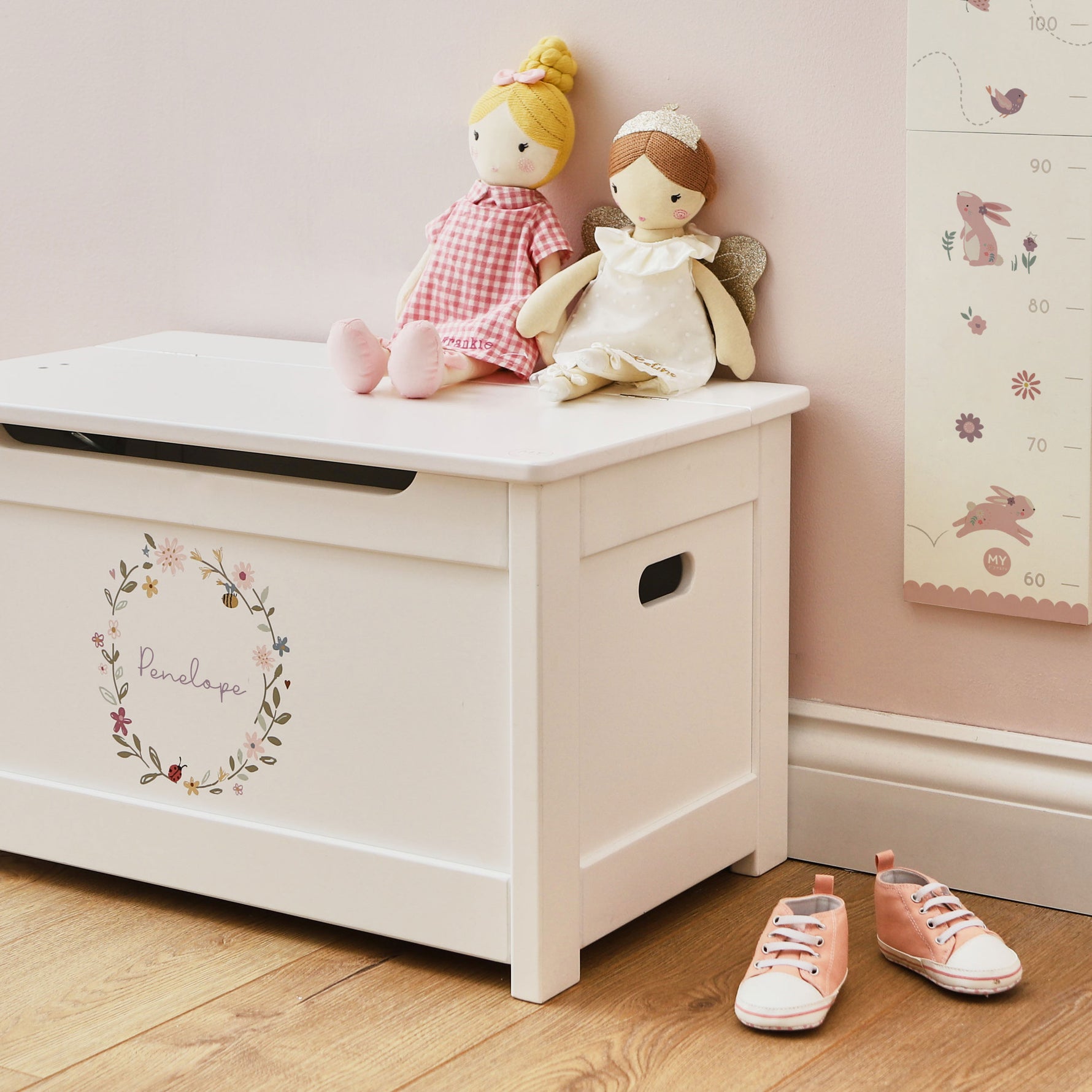
Begin with a sturdy, personalised keepsake box made from good-quality wood or archival board, lined with acid-free tissue. Label the inside of the lid with the child’s full name and the giver’s relationship in archival ink so the inscription endures. Fill the box with tangible firsts such as a first bracelet, a copy of the baptism certificate, and a small family token, then store it in a cool, dark place to slow material decay. For wearable mementoes, choose durable metals such as gold or sterling silver, opt for a discreet engraving of initials or a meaningful symbol, and verify metal content and that fittings are secure to ensure longevity and infant safety.
Gather short, handwritten letters from parents and godparents, and record voice messages in a widely supported audio format such as MP3. Scan the letters to PDF and store them off-site for backup, then place one physical copy in the keepsake box. Add a simple folder map or note with clear instructions for where to find the digital files. Assemble a memory book of printed photographs, captions, milestone entries, and guest notes. Use acid-free photo corners and archival pens to protect the pages, then digitise each page and organise the files in folders labelled with the child’s name and date. Keep the digital structure simple to make sharing straightforward. Consider a practical keepsake too: a long-term savings plan held in the child’s name. Present it with a personalised certificate and a short guide that explains how to access the account and records any identifiers. Note that modest, regular contributions can grow significantly over time through compounding, helping to support future goals.
Personalised linen journal for photos, letters and milestone entries.


How to personalise, present, and preserve a cherished keepsake
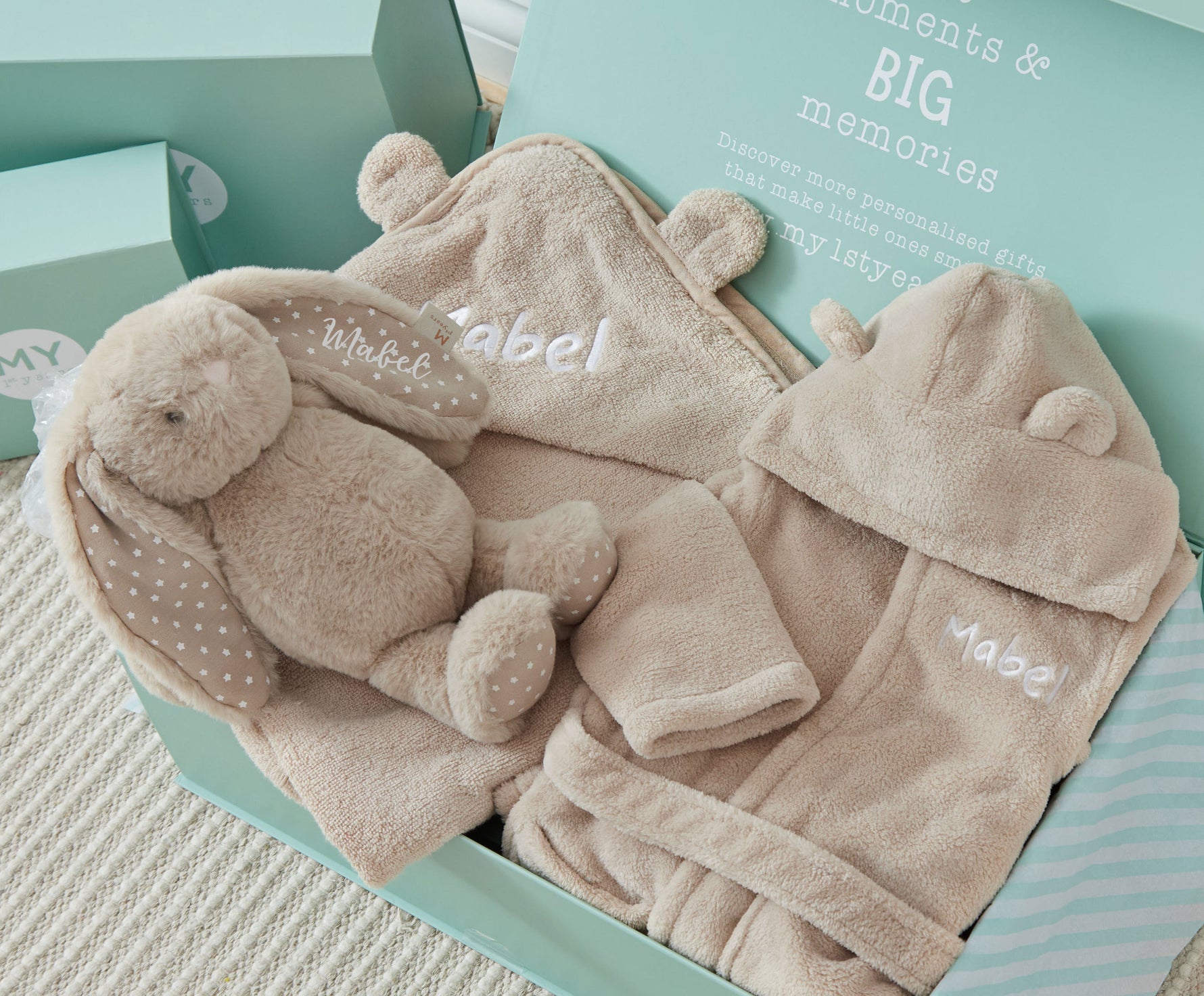
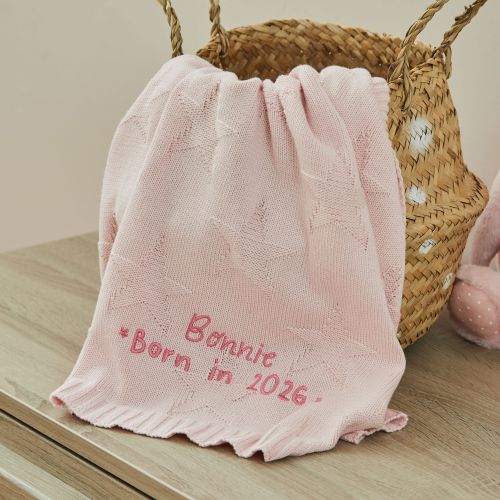
Think about how each method will age when you personalise a christening keepsake; a little thought now helps the keepsake tell its story for years to come. Engraving tends to remain legible with heavy handling, so choose a deep, permanent cut on durable metal or hardwood. Embroidery can be restitched if threads wear, so secure seams and add a fabric backing. Handwritten notes are vulnerable to moisture, so use acid-free paper and archival ink. Printed certificates last best on archival-quality paper; save a high-resolution digital scan as a backup. Pack the item in an acid-free box or a cotton pouch, photograph and label the contents before sealing, and include a short written explanation of its significance for the child to read later. Present the gift with a small note or a simple ritual to attach meaning for future generations.
Care for keepsakes according to their material to protect both the object and the memory it holds. For textiles, wash gently by hand or on a delicate machine cycle with a mild, non-biological detergent; lay items flat or roll them with acid-free tissue to avoid creases and stress along seams, and store in a breathable box or drawer. For metals, wipe with a soft cloth after handling, clean only with a suitable jeweller's cloth or cleaner, and wrap in tarnish-resistant cloth to limit air exposure and reduce oxidation. For paper and photographs, use archival sleeves or acid-free folders, keep them away from direct light and damp, and store flat to prevent curling. Inspect items periodically for signs of insect activity, mould, sticky residue, or other damage, and rewrap or clean as needed. Avoid fragile glued embellishments that trap dirt or detach; favour sewn-on or engraved details that can be repaired. Make a one-page family record that names the giver, explains the occasion, and captures a few short stories about the item, add annotated photographs showing it in use, and keep a digital copy with the keepsake so descendants can trace its provenance. Where possible, choose neutral colourways and classic motifs, and pick pieces that adapt as the child grows, for example a blanket that later becomes a cushion cover.
In short, opt for a tactile, well-made keepsake that resists wear and records its provenance, for example who made or gifted it and when, so it can accompany a child through childhood and beyond. Durable materials, thoughtful personalisation, and a simple preservation plan, such as gentle cleaning, storing away from direct sunlight, and keeping a record of names and dates, help protect the object and the stories it holds.
To recap, choose durable materials, assemble a small memory box, and record letters alongside digital backups. These practical steps tie directly to the post's headings: choosing meaning, exploring timeless ideas, and personalising and preserving. Note who gave each item and the date, keep a digital copy, and establish a routine so the object continues to connect family members across generations.
Share


