



Choosing a backpack for your toddler might seem straightforward, but a heavy or awkward bag can quickly affect their comfort, safety, and confidence. What features should you look for to encourage independence while keeping their bag easy and safe to use?
Think about five practical features that influence how a child moves and learns: an ergonomic fit that protects posture, reflective trims and secure fastenings for visibility and safety, simple, organised pockets children can reach themselves, hard-wearing, wipe-clean materials, and personalised, intuitive styling children recognise and choose. Read on for clear reasons and quick tips to help you pick a backpack that smooths mornings and quietly builds confidence.

1. Prioritise an ergonomic fit to support your toddler's comfort and posture
Start by measuring your toddler's torso from the base of the neck to the top of the hips. A soft tape measure works best; have the child stand or sit upright for an accurate reading. Choose a carrier whose back panel sits between the shoulder blades and the top of the hips so the load stays centred over the spine and hips, which helps preserve natural posture and reduces strain. Look for adjustable shoulder straps, a chest strap, and a small hip belt. Tighten the straps until you can just slide one or two fingers under a strap — this transfers weight to the hips without over-tightening. Inspect the shoulder straps for width, contoured shaping, soft edging, and breathable padding; these features spread pressure evenly, follow the natural curve of the shoulders, and reduce rubbing.
Keep the pack light overall: place the heaviest items close to your child’s back and use internal compartments to stop items shifting. Before you head out, run a quick mobility test. Have your child walk, climb a step, reach overhead, and bend down while wearing the pack, and watch how it moves during real actions. Look for these signs of a poor fit: straps digging into the shoulders, the pack riding up the back, or restricted arm movement. These indicate the straps need adjusting or the pack may be the wrong size. If you spot any of them, loosen or reposition the shoulder straps, and position the chest strap and hip belt so they sit flat and comfortable — the hip belt should rest on the top of the hips, not the waist. A well-fitted hip belt transfers weight onto the hips, helping to centre the load and keep movement comfortable.
Adjustable straps and roomy interior support proper fit and packing.


2. Choose reflective, secure features to improve visibility and safety
Choose a combination of fluorescent panels and retroreflective strips. Fluorescent fabric boosts contrast in daylight, making the wearer easier to spot against natural backgrounds, while retroreflective material reflects vehicle headlights back to drivers at night. Place these elements on the front, back, and both sides to give 360-degree visibility. Opt for heat-bonded or sewn-in reflectors rather than glued stickers; bonded or stitched reflectors withstand regular washing and rough play, and retain their reflectivity for longer.
When you choose a child’s pack, opt for adjustable chest and waist straps with quick-release buckles, and a breakaway mechanism to stabilise the pack and reduce the risk of entanglement if a strap catches on something. Look for a reinforced loop or D-ring for attaching a short safety lead or a clip-on light, and check the stitching and bar-tacks at attachment points, as weak seams can fail under sudden pull. Choose a design with an easily accessible pocket for ID or medical cards so someone helping can retrieve contact and health information quickly. Finally, consider a buckle with an integrated whistle, or space for a small audible device to attract attention without relying on a phone.
Sewn in reflectors for 360° visibility, adjustable straps, ID pocket


3. Make essentials easy to reach with neat, organised pockets
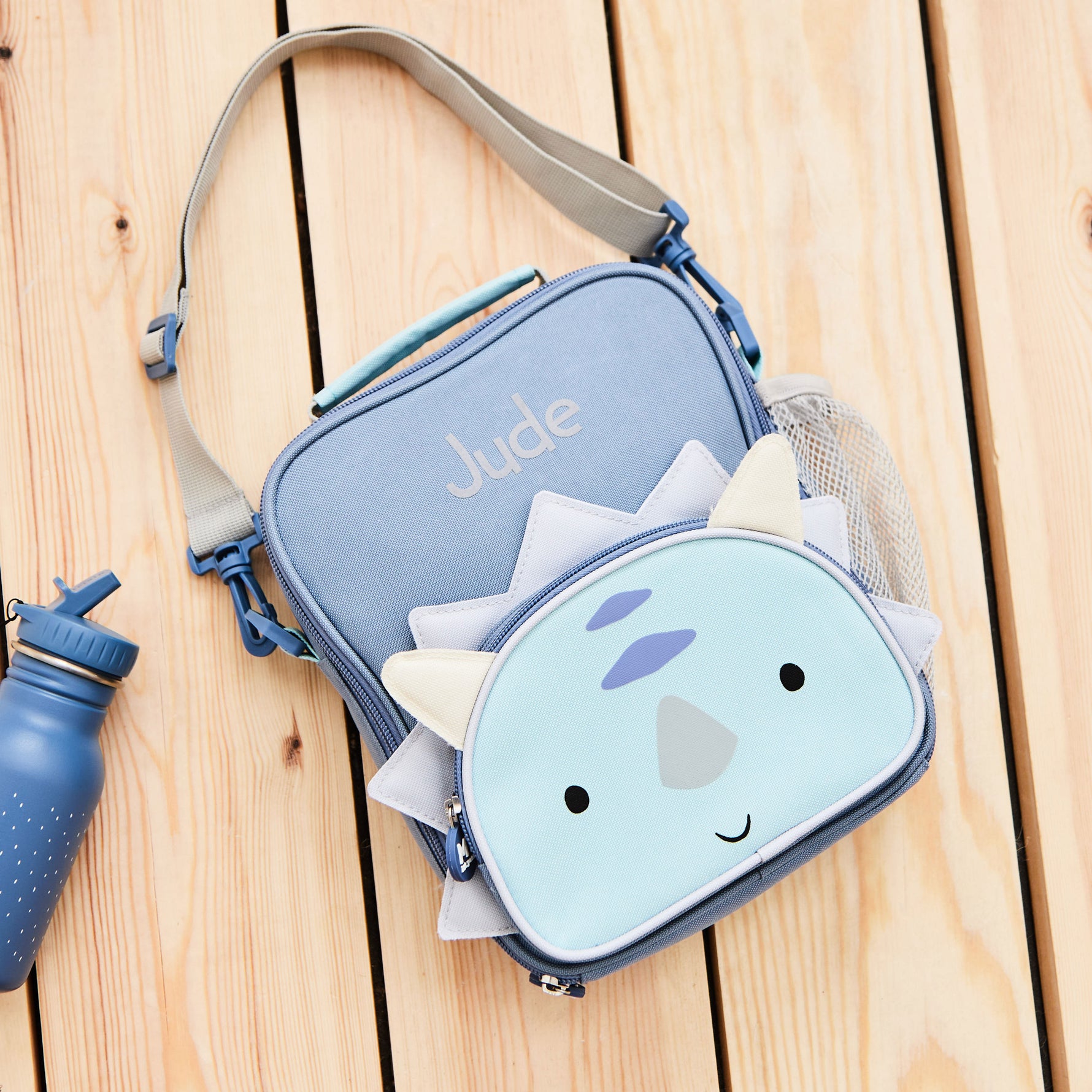
Pick single-step closures and oversized zip pulls, or magnetic snaps and chunky zips. These let a toddler open pockets with one hand, and wide openings mean items come out without the need to empty the whole bag. Designate and label a handful of simple pockets for essentials: a front snack pocket, a low side bottle pocket that sits at the child’s hip, and an internal divider for a spare outfit. Use picture or colour tabs so pre-readers can find the right pocket quickly. Choose bright, contrasting linings and shallow pocket depths so contents are visible at a glance. That reduces searching, helps small hands spot items, and encourages children to check pockets themselves.
Choose open, elasticated, or mesh pockets for items a child reaches for most, and reserve zipped pockets for medicines and valuables so an adult can control access while keeping essentials close to hand. Position easy-access pockets low on the bag, at the child’s hip, so reaching feels natural, and favour wide, shallow compartments that little hands can search quickly. Establish a simple packing and retrieval routine: show your child where each item belongs, and practise taking things out and putting them back. Consistent placement and brief repetition build confidence, reinforce organisation, and shorten the transition between home and nursery.
Wide, shallow pockets and low-hip bottle access for easy reach.


4. Choose durable, easy-to-clean materials that stand up to play
Choose durable, wipe-clean fabrics such as ripstop nylon or polyester with a water-resistant coating. These materials shed mud and resist scuffs, so a quick wipe or gentle scrub removes most marks and reduces the chance of tears at high-wear points. Opt for smooth, coated linings or insulated lunch compartments; a non-textured lining makes spot-cleaning effective, and insulation helps prevent odours from setting in. Check the construction for reinforced stitching at straps and seams, bar tacks where loads concentrate, and covered seams to stop fraying. Tug on straps and open and close zips several times — these simple tests often reveal the weak points a child will expose quickly.
Choose a water-resistant outer that still breathes, and opt for a removable, washable back pad or lining so sweat-prone padding can be cleaned or replaced, helping the bag last longer. Prioritise materials and finishes that are free from problematic additives, and favour fabrics that tolerate machine or gentle hand washing without bleeding colour. Test colourfastness by rubbing a damp white cloth on a hidden seam; if dye transfers, the fabric may not be suitable. Finally, pick designs with replaceable straps, handles, and name labels so you can repair parts rather than discard the whole bag.
Water-resistant, wipe-clean outer; washable lining and reinforced stitching


5. Nurture independence with personalised, intuitive design
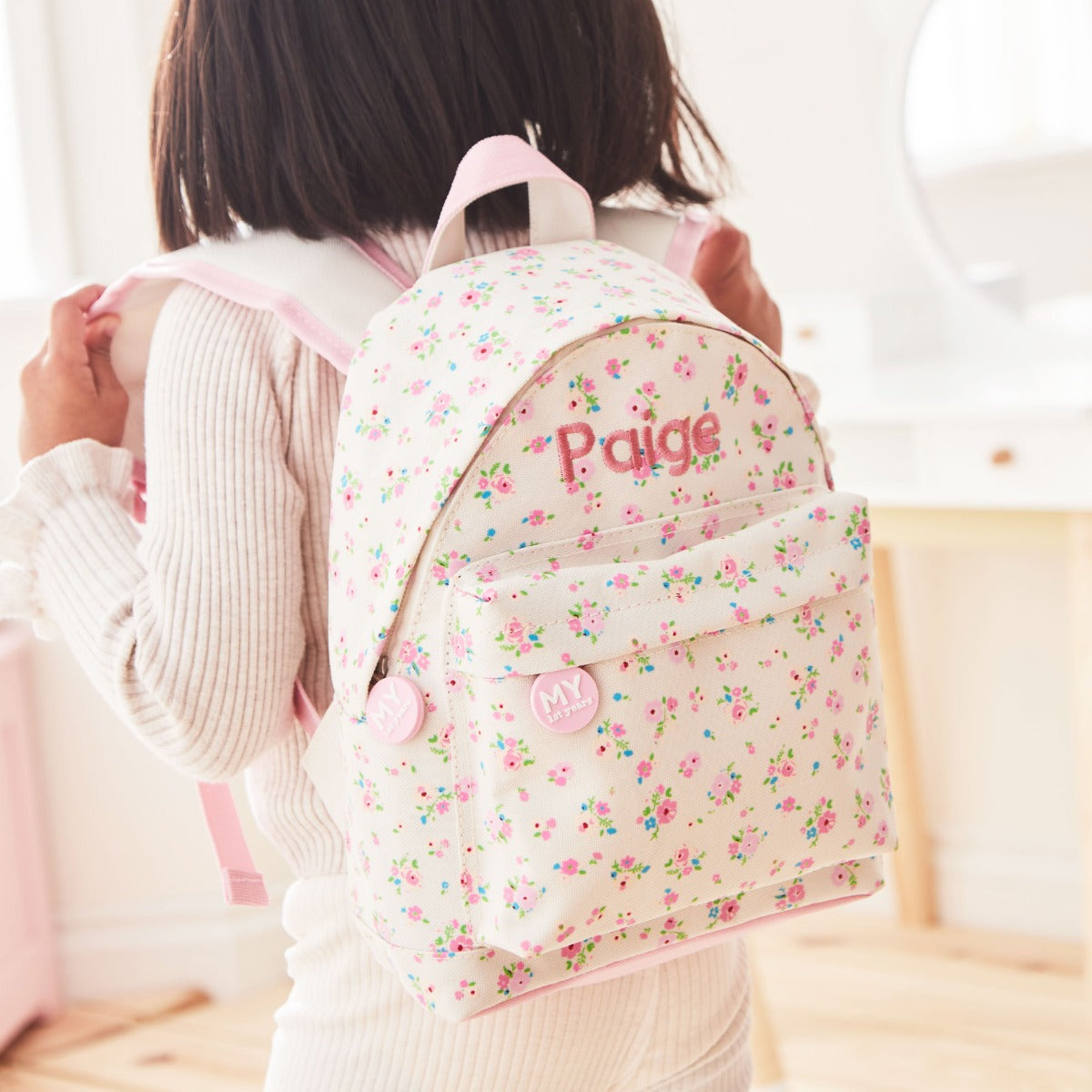
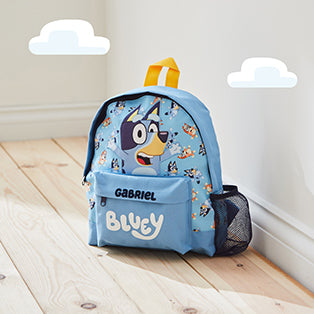
Choose age-appropriate fastenings and openings, such as large zipper pulls, magnetic snaps, or chunky toggles that a toddler can operate in a single motion. Repeated success strengthens fine motor skills and boosts confidence. Add personalised touches, such as stitched-in name patches, hook-and-loop badges, or removable stickers, to give the child a sense of ownership. Let them arrange one accessory themselves so they practise packing and caring for the bag. These small, predictable tasks build independence and encourage responsibility for their things.
Help little ones learn independence by organising a bag so they can find and return items themselves. Use colour-coded pockets, simple picture labels, and at-a-glance mesh panels so a pre-reader recognises where things belong. Give each pocket a purpose — one for a snack, one for a spare top, one for a favourite toy — and match picture labels to teach the habit of returning items. Place openings and pockets where small hands can reach, for example a low front pocket and a wide U-shaped main zip, and add a stabilising chest strap with a single-click buckle that an adult fastens first while coaching the child to clip it. Include modular, teachable features such as a removable lunch compartment, a flap-mounted checklist with Velcro icons, or swap-in name cards to create short, repeatable tasks that build responsibility without adding complexity.
A well-chosen toddler backpack combines an ergonomic fit, visible safety features, simple organisation, durable materials, and small personalised touches to support comfort, posture, and growing independence. Padded shoulder straps and a chest or hip clip help centre the load to protect a developing spine. Reflective panels or bright trims improve 360-degree visibility to drivers and cyclists. Easy-access pockets and an external bottle holder make snacks and spares reachable without adult help, encouraging self-reliance. Wipe-clean fabrics and reinforced seams keep the bag hygienic and straightforward to repair, so it can handle daily use.
Treat the five headings as a simple checklist: measure your child’s torso and try a mobility test, check reflectors and quick-release buckles, test zips and pockets for one-handed access, and inspect seams and linings. These quick checks speed up transitions, encourage small responsibilities in daily routines, and help make a backpack a reliable tool for safer, more confident independence.


