



The Right Materials and Care Turn Personalised Blankets and Comforters into Enduring Family Keepsakes
A soft blanket can soothe a baby today and become a cherished family heirloom tomorrow. Yet many personalised pieces fade, pill, or fall apart long before they reach the next generation. The difference usually comes down to materials and making: baby-safe, tightly woven fibres, neat, reinforced seams, and personalisation that sits into the fabric rather than on the surface, for example embroidery rather than surface printing. Those choices help a keepsake survive years of cuddles, washes, and daily use.
In this post, we explain which fabrics naturally resist wear and stains, which seams and reinforcements prevent fraying, and which embroidery, appliqué, and printing methods stand up to repeated washing. We also cover storage and everyday care, so you can choose materials and finishes that keep your keepsake blanket soft, recognisable, and ready to be passed down.

Choose baby-safe fabrics and durable construction for lasting keepsakes
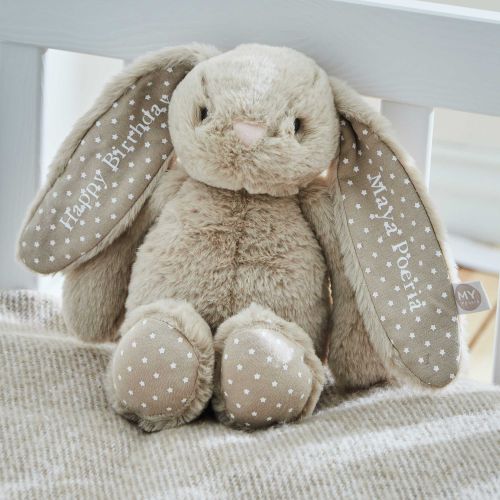
To help baby items stay safe and last, start with breathable, baby-safe fibres such as cotton, muslin, bamboo viscose, or wool, and favour tightly woven or knitted constructions. Prewash fabrics to remove finishing chemicals, and check independent safety certificates to confirm they do not contain common irritants. Choose fills that tolerate regular washing. Natural and good-quality synthetic fills behave differently when wet, so look for constructions such as baffle-box or channel quilting to keep the fill evenly distributed and reduce clumping. Specify sturdy finishes: reinforced seams, multiple stitch lines at stress points, overlocked or otherwise finished seam allowances, and boxed corners. For personalised details, prefer embroidery stitched through several layers rather than items affixed with adhesives, so the decoration survives repeated laundering. Prioritise child safety by removing loose or small attachments, long cords, and unsecured embellishments. Opt for low-pile or tightly bound edges to limit fibre shedding, perform a simple pull test on trims and stitches, and wash the item before first use to assess colourfastness. These simple checks help ensure the piece remains safe and beautiful for years to come.
To keep fabric and personalisation looking their best, wash on a gentle cycle with a mild detergent, avoid tumble drying on high heat, and reshape damp items and lay them flat to dry where appropriate. Mend any loose seams promptly to prevent further damage, and store the blanket or comforter in a breathable container layered with acid-free tissue to protect fibres and embroidery. Add a sewn-in care label that lists fibre content and recommended cleaning methods so future generations can care for the keepsake.
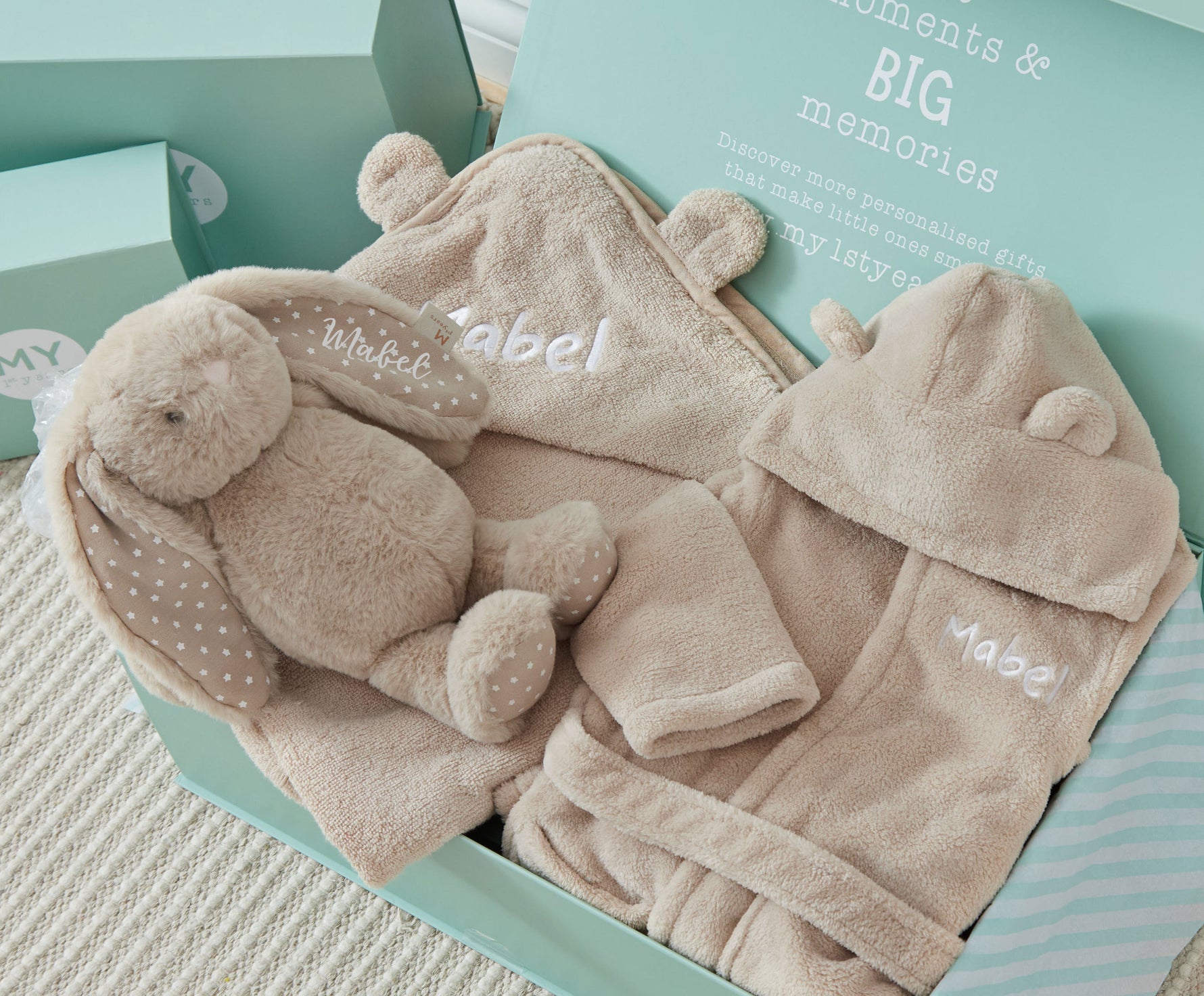
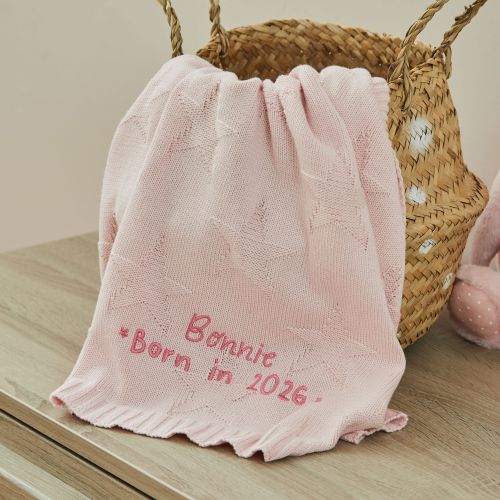
Prewash breathable cotton; embroidered personalisation stitched to last.


How to create meaningful, personalised details that last
For personalised keepsakes that endure, choose long-lasting fabrics such as tightly woven cotton, wool blends, or dense fleece. Pre-wash fabric samples to reveal shrinkage and colour run, so you know how the material will behave once laundered. Check pile length and weave density by rubbing a swatch; this simulates abrasion and shows whether fibres will pill or trap stitches. If a fabric feels loose, add a backing or interlining to spread stress across the personalised area and reduce distortion and pilling. Select techniques that penetrate the fabric, such as machine or hand embroidery and appliqué, because they anchor into the fibres and generally wear better than surface-only methods. For fine detail, use a stabiliser and a higher stitch density, and test a small stitched sample to see how the design will sit and age on your chosen fabric.
To help a personalised blanket remain a cherished keepsake, reinforce seams and topstitch at stress points. Bind or fold raw edges, and add quilted or padded layers where the blanket sees most wear. Position personalised elements away from centre folds and corners to reduce abrasion. Provide clear care instructions: wash on a gentle machine cycle or hand wash in cool water with a mild, pH-neutral detergent, remove promptly, and air dry flat, out of direct sunlight. Test colourfastness on a hidden seam before washing. Record provenance by attaching a discreet label with names and the story behind the personalisation, and photograph the item. Include a simple repair kit with spare thread and a small matching patch to make future restoration straightforward.
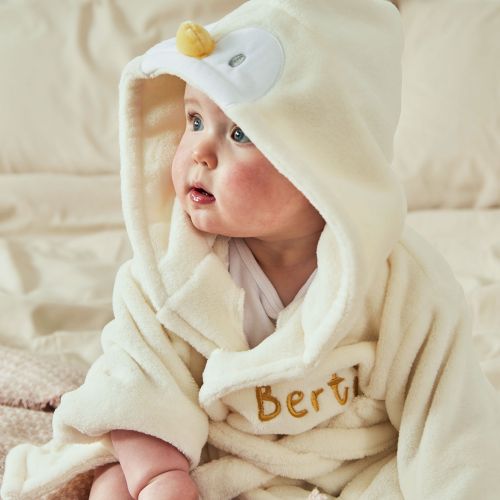
Pre-wash fleece; embroider with stabiliser and reinforce seams.


How to care for, store, and pass on heirloom blankets
Fibre choice and construction determine how a personalised blanket will age. Wool can felt when exposed to heat and agitation because the fibres lock together, cotton may shrink, and loosely woven fabrics or weakly finished edges are more likely to fray. To help a keepsake last, favour tightly woven fabrics, reinforced seams, and securely attached appliqué or trim. Check corners, seams, and attachment points regularly for thinning or loose threads, and repair small problems early. Use backstitching or small, discreet patches to stop wear from spreading. When adding names or motifs, choose stitch-based techniques such as hand or machine embroidery. Thread flexes with the fabric, so embroidered designs resist peeling better than adhesives or heat-bonded transfers. Stabilise the back of embroidered areas with an appropriate backing, such as a tear-away or cut-away stabiliser, and avoid placing heavy decorations in high-wear zones like corners or cuffed edges.
To preserve the appearance of keepsakes, test a hidden corner first with a mild, pH-neutral detergent. For delicates, hand wash; for sturdier pieces, use a gentle machine cycle. Remove items promptly from the wash, reshape them while damp to maintain form, and air-dry or tumble dry on low heat to protect fibres. Regularly brush or vacuum with a soft brush attachment to remove dust and reduce soil build-up. Store only clean, completely dry blankets wrapped in breathable cotton or acid-free tissue. Avoid sealed plastic for long-term storage, as it can trap moisture and encourage mould. Keep items in a cool, dark, dry place, and use natural deterrents such as cedar or lavender sachets. Sew a small pocket or label noting fibre content, care instructions, and a brief provenance note. Photograph personalised elements, and include a basic mending guide and a small repair kit so future owners can recognise materials and carry out appropriate repairs.
Durable, baby-safe fabrics, sturdy construction, and stitch-based personalisation together create blankets that stand up to daily wear and repeated washing. Prewashing materials removes excess dye and any initial shrinkage, reinforcing seams reduces the chance of fraying, and testing for colourfastness before use helps prevent dye transfer in the wash. Taken together, these simple steps protect both fabric and embroidery so a blanket stays a cherished keepsake for years.
For ongoing care between uses, test a hidden area before cleaning, then wash sparingly. Air-dry or tumble on a low setting, and wrap items in breathable materials such as cotton muslin to protect both fabric and personalisation. Stitch a small labelled pocket inside, photograph the personalised design, then pack a compact sewing kit. These simple steps help future owners recognise materials, trace provenance, and make straightforward repairs when needed.
Share


