



How personalisation helps children feel ownership and everyday confidence
Do you ever watch your child rummage through a sea of identical school jumpers to find the right one? Personalisation makes their things quick to spot, cuts down on mix-ups and lost items, and gives children small, repeated chances to take responsibility, moments that quietly build everyday confidence.
This post shares practical steps for making personalisation visible to children, reducing morning mix-ups, and choosing clear, legible names and meaningful motifs. You will also discover durable, easy-care materials that stand up to school life, and simple keepsakes that encourage independence.

How visible personalisation helps a child feel confident
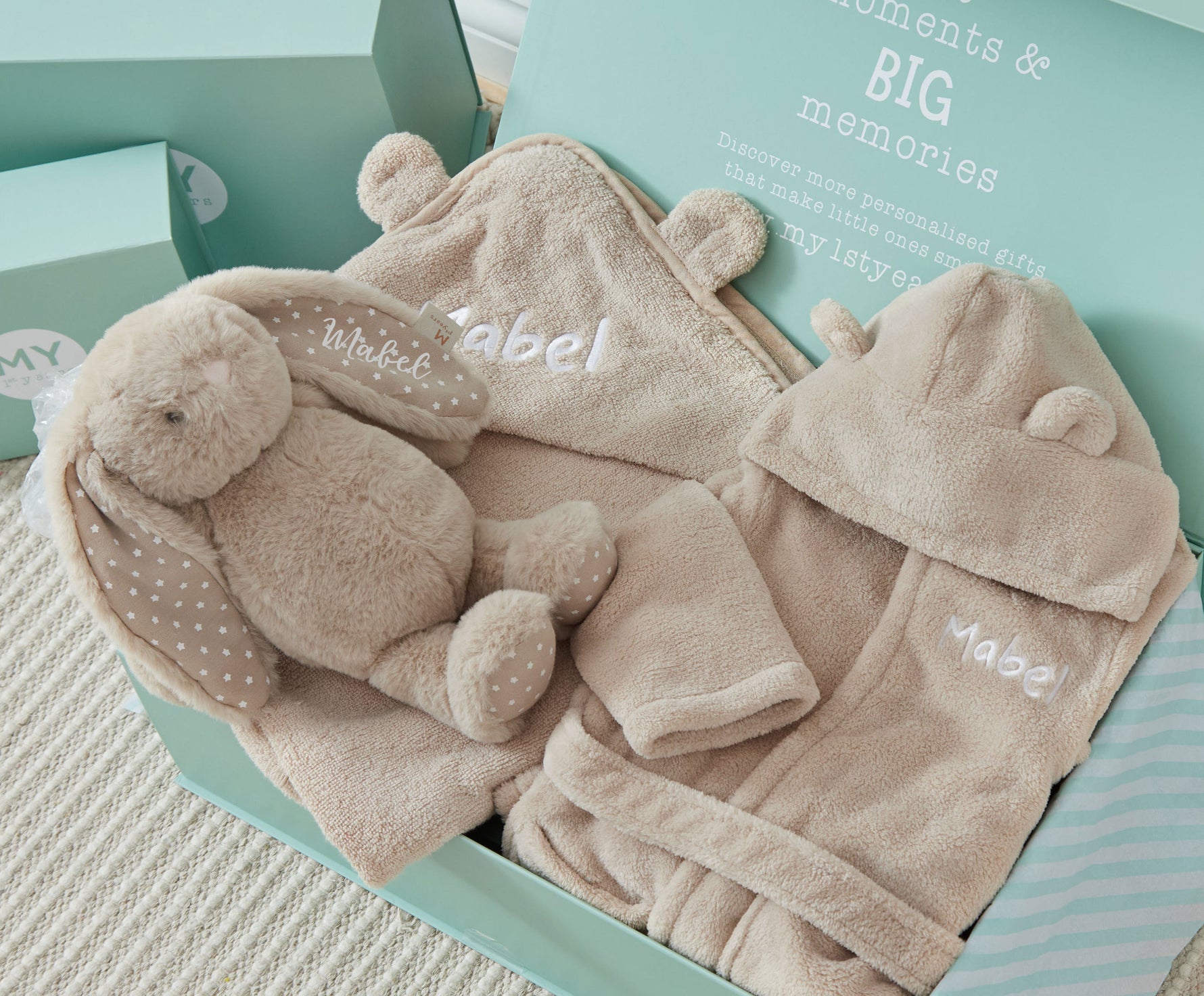
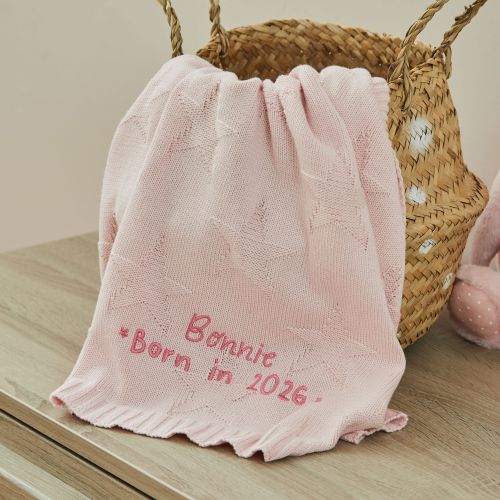
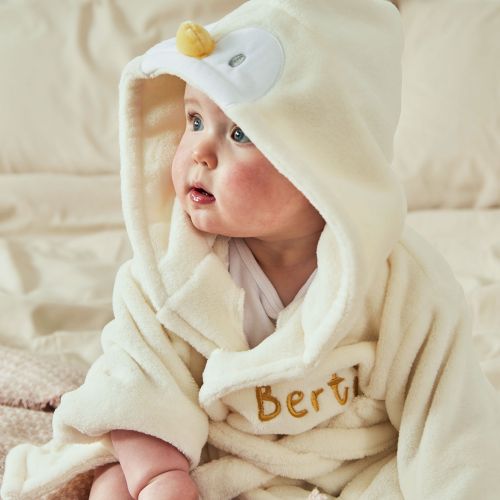
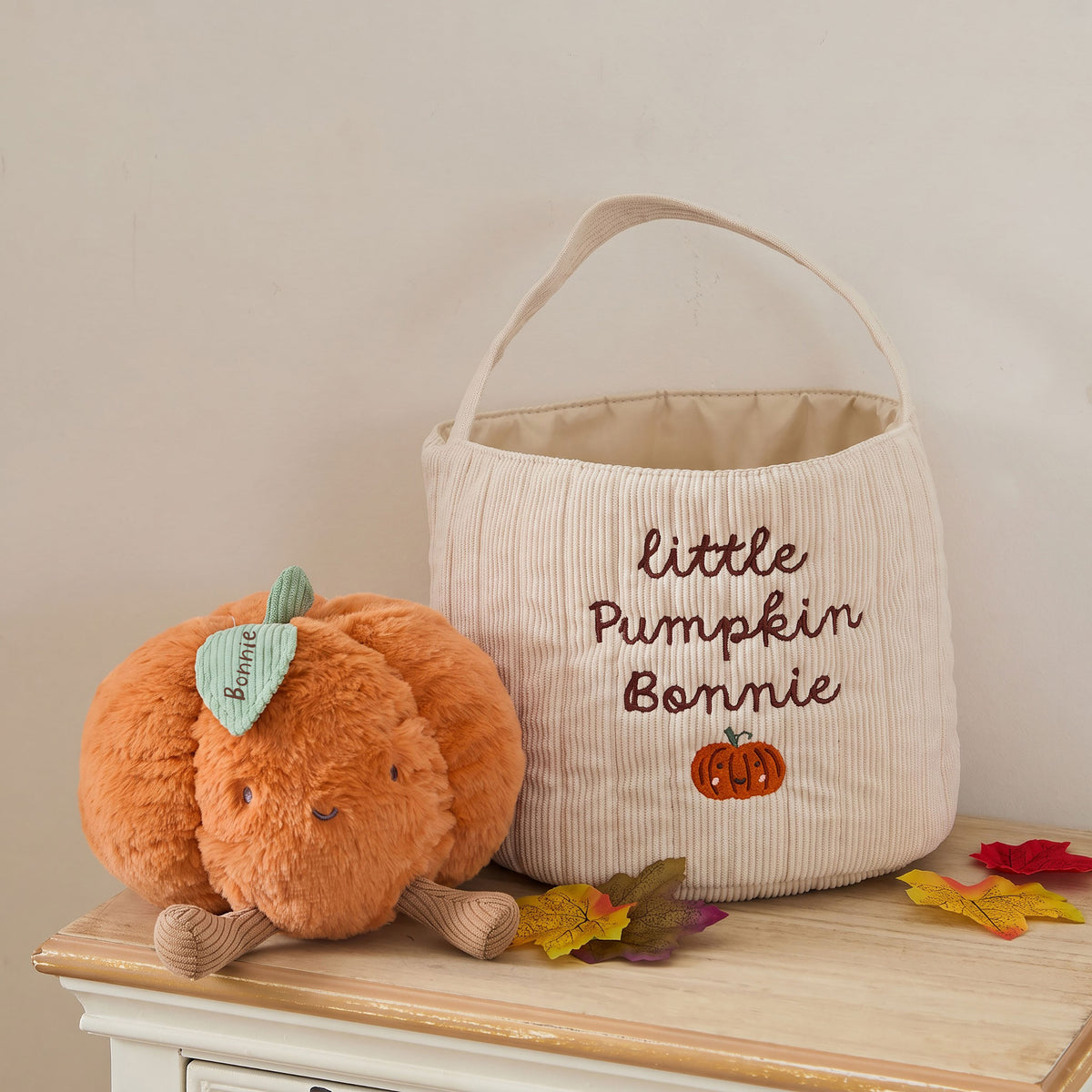
Visible, personalised possessions help children shape their identity and feel ownership. Research suggests that when a child's name, handwriting, or a self-drawn motif sits where they can easily see and touch it, they develop stronger self-efficacy, meaning a greater belief in their ability to manage tasks, along with increased responsibility and higher self-esteem. Children who take part in choosing colours, icons, or wording, or who add their own marks, are more likely to treat items as truly theirs. Placing that personalisation within easy reach reinforces routine care, and studies find visible ownership reduces lost property and builds everyday confidence.
Choose a consistent, visible spot on every item and use a high-contrast colour or a simple motif so it is easy to recognise. Ask teachers, carers, and your child to check those markers during transitions. For safeguarding, display only a first name or nickname on the outside, and keep contact details inside the item or on removable labels. Favour durable, washable, or removable personalisation methods so names survive play and washing. Show your child how to check and replace labels, and encourage occasional redesigns so the item continues to reflect them and remains something they are proud to own.
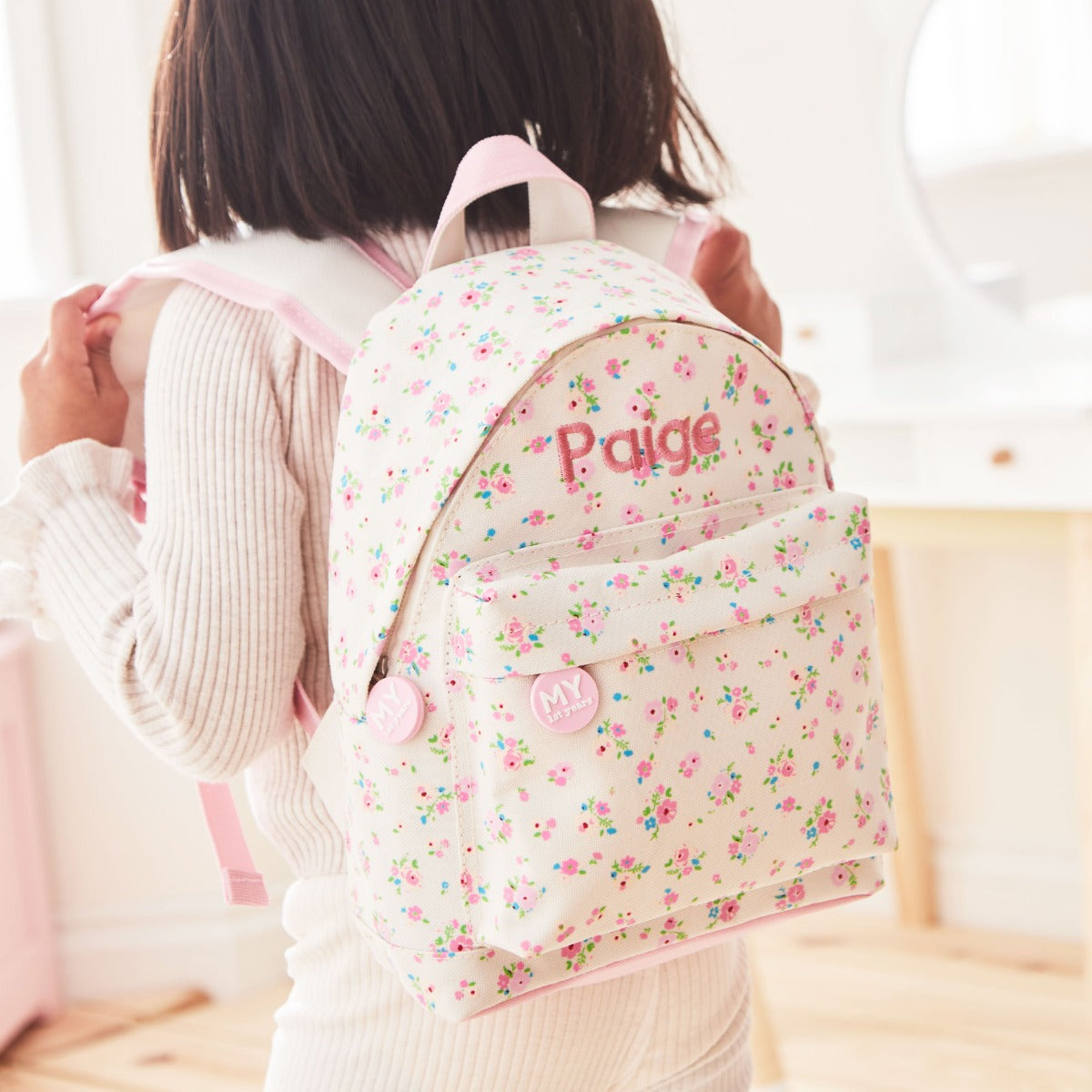
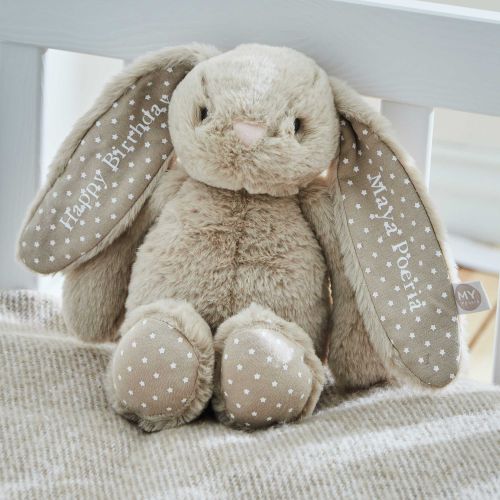
Let them personalise items with durable name stickers.

Avoid common school morning mistakes and simplify your routine
Try a simple experiment you can measure: for one week, note every item your child loses each day. Then add personalised, washable labels and a consistent storage place, and record losses for a second week. Compare the two totals to see whether visible ownership reduces losses in your household. Put labelled tags inside collars and pockets, on the underside of lunchboxes, and on shoe tongues to keep full names private. For pre-readers, use a first name plus a small icon, and for older children use initials so full names do not appear on the outside. Photograph labelled items to speed recovery if something does go missing.
Turn school mornings into a simple, two-step ritual your child can own: a quick pack check at the door, and a fixed drop zone at home for bag, coat, and lunch. Rehearse the routine until your child leads it independently, and let them choose colour-coded labels, stickers, or fabric patches to feel more capable and encourage them to look after their things. Standardise label formats and storage across siblings, add subject or class abbreviations on stationery, and mark similar items identically to prevent mix-ups. You may find personalised, colour-coded items are returned sooner or handled more carefully when misplaced, so observe what happens and keep the small changes that work for your family.
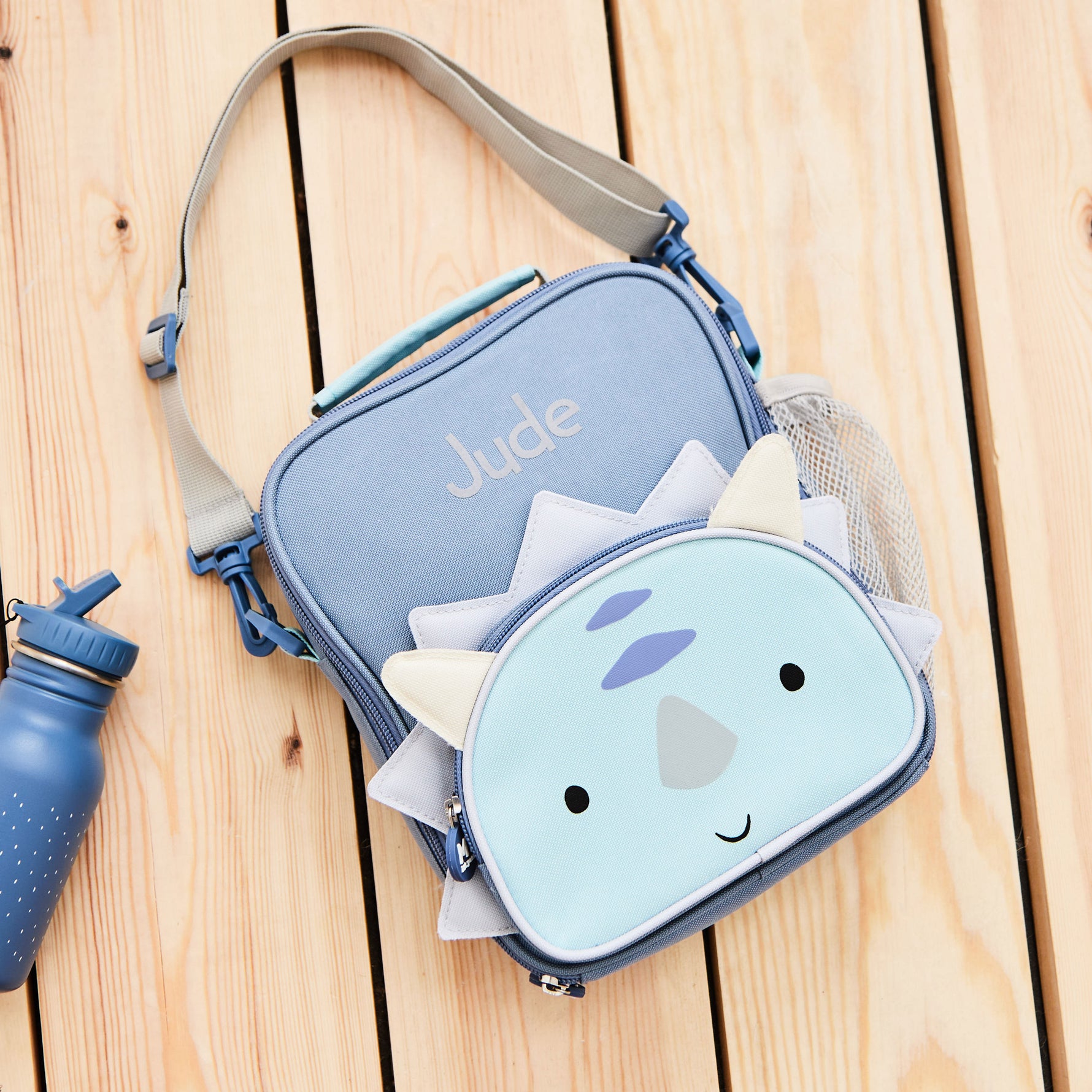
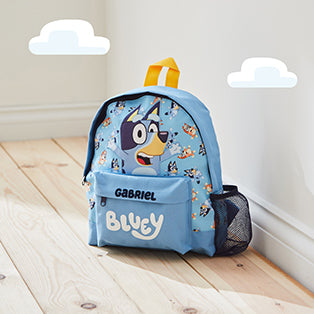
Use a matching bag set to boost morning routines.

Choose clear, legible names and motifs that tell a lasting story
To make children's belongings easy to spot, use simple block or sans serif lettering rather than cursive, and size the letters so they can be read from a couple of metres, helping staff and children identify names quickly. Choose a text colour that contrasts strongly with the background, and keep a consistent colour cue alongside the name; test readability in dim or cluttered settings, since high contrast materially improves legibility. Position labels where they will be visible at handover but not prone to abrasion, for example on bag straps or the front of water bottles. Finally, run a wash test on printing, embroidery, or adhesive options to check they survive routine cleaning.
Let your child choose a simple motif, such as an animal, symbol, or colour block. Young children recognise familiar images more quickly than text, so a motif helps them spot their belongings and gives a discreet identifier when full names are unsuitable. When privacy matters, use a first name or initials rather than a full name on outward-facing items, and avoid adding contact details to labels a stranger might see. For extra discretion, consider removable or internal tags that can be shown when handing items over, then kept tucked away. Clear lettering, strong contrast, and a personal motif together create a visible sense of ownership and everyday confidence while balancing legibility with safety.
Labelling tips for clear, durable, and discreet identification
- Choose clear typography and strong contrast: use simple block or sans serif lettering, avoid cursive, make letters large enough to be read from a couple of metres, prefer dark-on-light or light-on-dark pairings, and test readability in dim or cluttered settings.
- Place labels where they stay visible but avoid abrasion: attach names to bag straps, the front of water bottles, or inside neck tags rather than on edges that rub; perform a wash test to check printed, embroidered, or adhesive options survive routine cleaning.
- Pick a simple, consistent motif and colour cue: let your child choose an animal, symbol, or block of colour, apply the same motif across items to speed recognition, and use the motif plus a consistent colour to create a quick visual shortcut for staff and children.
- Balance identification with privacy: use first names or initials on outward-facing items, keep contact details on removable or internal tags shown only at handover, and avoid displaying phone numbers or full addresses where strangers might see them

Choose durable materials and easy-care methods for long-lasting keepsakes
Choose durable, low-maintenance materials for personalised keepsakes, such as woven name tapes and embroidery, engraved metal or etched glass, and silicone or moulded PVC tags. Woven and embroidered labels last because the threads lock into the fabric, engraving and etching remove markings below the surface so designs cannot rub away, and silicone and moulded PVC withstand rough play and wet conditions thanks to their flexibility and non-porous nature. To keep personalised details looking their best, wash textiles inside out with a colour-safe detergent, avoid high-heat drying, and treat stains promptly to reduce the risk of dye migration, abrasion, and transfer failure.
Place stitched or sewn-in names in protected seams or inside collars to reduce wear, and put visible tags on outer pockets, backpack straps, or the base of bottles so items stay identifiable without losing durability. Choose high-contrast colours and a simple, sans serif type for clear legibility, avoid tiny decorative flourishes that will rub away, and favour detachable or replaceable tags for pieces likely to be handed down or repurposed. These small, thoughtful design and placement choices help personalised items last longer and make everyday identification quicker and more reliable.
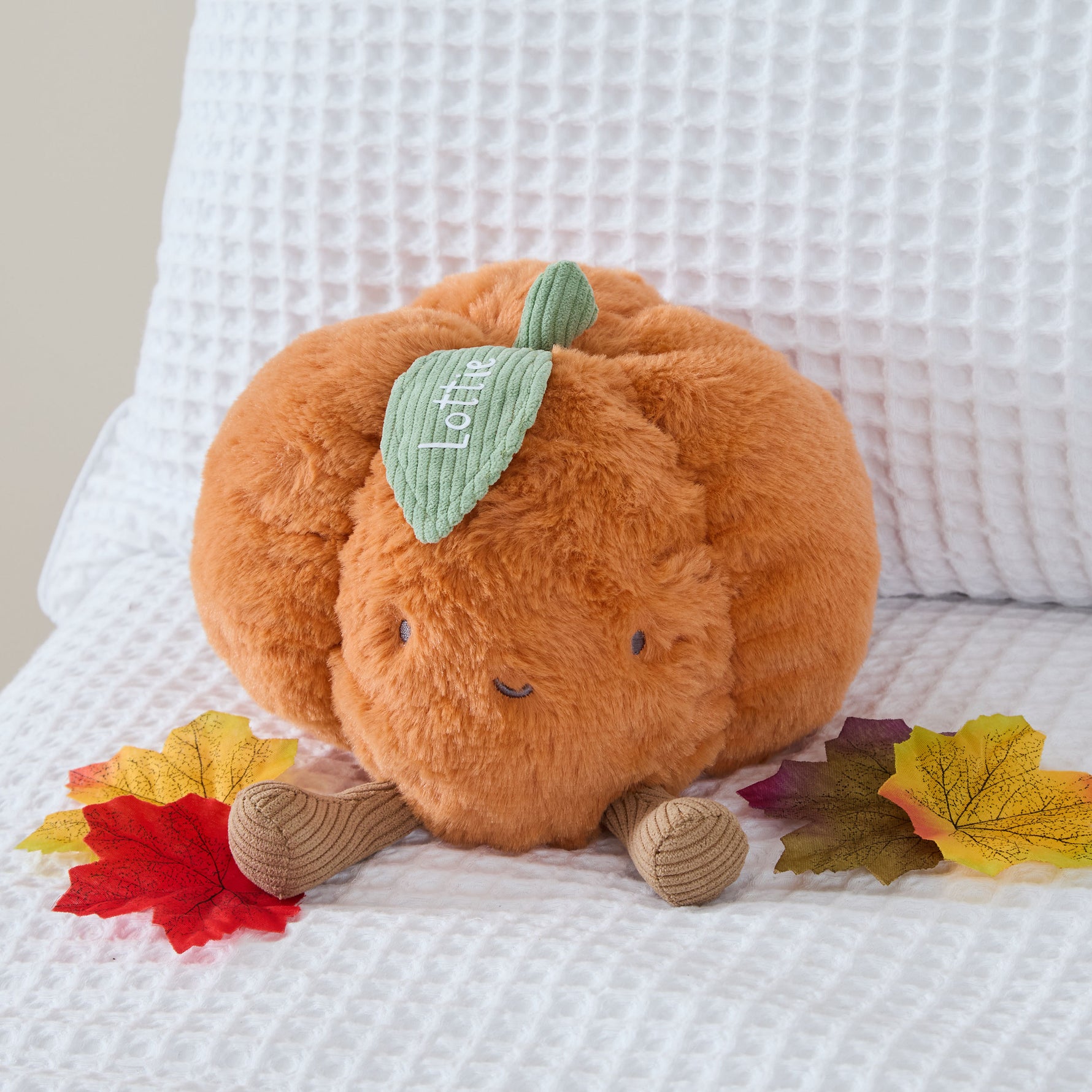
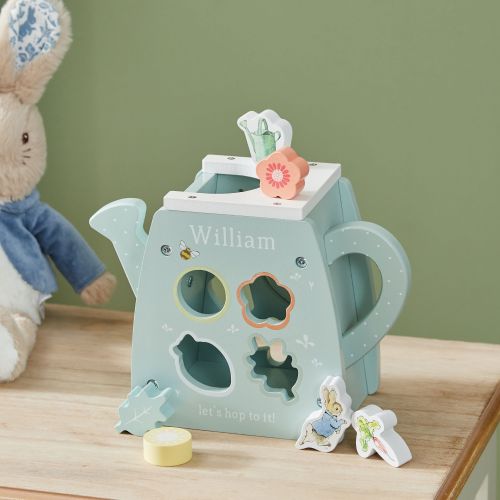
Personalise a washable toy bag for long-lasting visible ID

How personalised keepsakes can foster a child's independence
Personalised items help children feel a real sense of ownership, which supports identity building, responsibility, and greater self-assurance. Research links name recognition to early literacy, and schools report fewer lost-property incidents when belongings are clearly labelled. Practical items to personalise include clothing tags, waterproof labels for bottles, sewn name tapes for bags, personalised books, and bedroom items, and adding a simple symbol or colour helps non-readers identify their things independently. Choose machine-washable, fade-resistant labelling methods, use a first name with a surname initial rather than including a full address to protect privacy, and consider colour coding or icons to speed sorting at school.
Get your child involved: let them choose how their name appears on things — handwritten, a favourite font, or a small symbol — and encourage them to practise checking for that name before leaving nursery, school, or a friend's house. Make labelling a habit by assigning one tidy spot at home for packed coats, bags, and lunchboxes, so items are ready to go and easier to spot. For keepsakes that stand the test of time, write a short inscription inside a favourite book, make a handprint or photo collage that includes the child’s name, or tuck the first labelled pair of shoes or a treasured blanket into a memory box. For items you plan to keep long-term, use acid-free paper and lightfast inks, and store textiles flat in a clean, dry place away from direct sunlight to slow deterioration. These small practices reduce the chances of lost belongings, give children simple responsibilities that build confidence, and turn everyday items into personal, lasting stories you can revisit together.
Visible personalisation helps children claim ownership, practise looking after their things, and feel more confident in routine tasks. Research links personalised belongings with stronger self-efficacy and with fewer lost-property incidents. Practical choices, such as consistent label placement, clear, legible lettering, hard-wearing materials, and motifs chosen by the child, make that confidence tangible and long-lasting.
These headings offer practical steps you can use, from building your child's confidence and avoiding mix-ups to choosing clear name styles, hard-wearing materials, and meaningful keepsakes. Start small with one visible label and a simple routine, and involve your child in the choices; you'll ease morning stress while creating lasting mementos that encourage independence.
FAQ
What are the benefits of personalised items for children?
Visible personalised possessions help children claim ownership and shape identity, and research links this visibility to stronger self-efficacy, greater responsibility, improved self-esteem, and fewer lost property incidents.
How can I prevent mix-ups and speed up school routines?
Use consistent label placement, child-chosen colour coding or motifs, and a simple two-step routine of a quick visual pack check and a fixed home drop zone; standardise labels across siblings and photograph labelled items to speed recovery when things go missing.
What kind of names and motifs work best for recognisability and privacy?
Choose a first name or initials on outward-facing items, use simple block or sans serif lettering in high-contrast colours, and let the child pick a simple motif like an animal or colour block so non-readers can locate items quickly, while keeping contact details on removable or internal tags.
Which materials and labelling methods last through school life and washing?
Pick durable options such as woven name tapes, embroidery, engraving, or silicone and moulded PVC tags, position stitched names in protected seams, wash textiles inside out with colour-safe detergent, and favour detachable labels for items likely to be handed down.
How can personalisation create keepsakes and support independence?
Involve the child in choosing fonts, symbols, and placement, personalise everyday items like books and bedding, practise name-checking routines, and save labelled first items or create a photo or handprint keepsake using acid-free materials for long-term preservation.
Share


