



Pack with confidence: Essentials to prevent last-minute panic on your baby’s first trip
Your first trip away with a baby is full of wonder—and a few likely surprises. A misplaced passport, a forgotten change of clothes, or no clean bottle can quickly interrupt feeds and sleep. How can you pack what your child needs, keep your bag manageable, and avoid last-minute scrambles?
This guide divides packing into three practical sections: sorting essential documents and travel plans; assembling feeding, clothing, sleep, and health essentials for your little one; and organising luggage for easy access and quick fixes. Use these focused steps and organisation tips to reduce surprises, keep your routines steady, and handle minor hiccups with confidence.

How to organise essential documents and travel plans before your family trip
Before you travel, gather and protect your baby's essential documents: passport, birth certificate, vaccination and health records, travel insurance details, and a signed parental consent letter with contact details if only one guardian is travelling. Photograph or scan each document, save encrypted copies to the cloud and to your phone, and keep printed backups in a bag separate from the originals. Make sure your baby's name appears exactly the same on passport, bookings, and medical records, and check your airline and the destination country's requirements for infant documentation, as some places ask for extra paperwork.
When travelling with a baby, centralise flight, accommodation, and transfer details, your baby’s paediatrician contact, key family emergency numbers, and the destination’s emergency services in a single, easy-to-access file, and share it with a trusted person. Print or download boarding passes and any required medical authorisations, and keep them with the baby’s other documents to speed you through security. Note feeding and medication schedules so you can explain needs at checkpoints, and pack clear, written instructions for anyone caring for the baby. Finally, check the carrier’s policies on strollers and infant carriages ahead of time to avoid surprises at the gate.
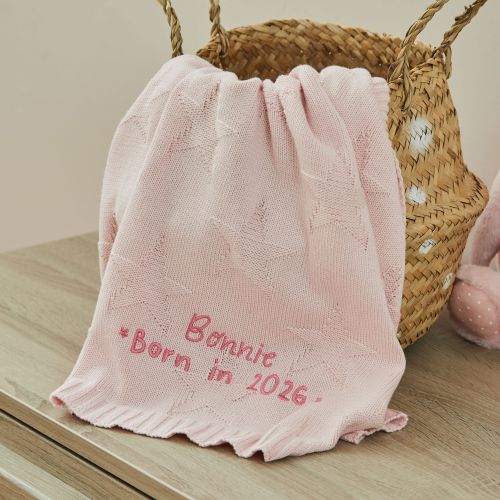
Record essentials and memories in one personalised keepsake.

Packing checklist: feeding, clothing, sleep, and health essentials
Pre-measure formula into single-use containers, and store expressed milk in clearly labelled, leak-proof bags. Bring spare sterilised bottles, bibs, and an insulated bag — feeding on the move often takes longer than at home, so ready-to-use supplies save time and cut waste. Dress your baby in breathable base layers, a warm mid layer, and a waterproof outer layer. Pack three to four complete outfit changes per day, plus extra socks and a hat, and place each change in its own labelled bag for quick swaps after leaks or spit-ups. Include plenty of nappies, fragrance-free wipes, nappy rash cream, disposable nappy sacks, a compact changing mat, and spare bedding. Keep a couple of plastic bags to isolate soiled laundry and contain any unexpected leaks. Organise these items in clearly labelled, easy-to-reach compartments so you can respond quickly to common travel hiccups and get back to enjoying your day.
Bring a familiar sleep item — a sleeping bag, muslin or swaddle — plus a washable mattress protector and a portable white-noise machine or soft night light to recreate the home cues that help your baby settle in unfamiliar surroundings. Pack a digital thermometer, any prescribed medication in its original packaging with dosing instructions, an oral syringe, and a small first-aid kit for minor cuts or burns so you can monitor temperature changes and act promptly if needed. Keeping these sleep and health essentials within easy reach reduces night-time disruptions and gives you the information you need to decide whether to seek clinical advice.
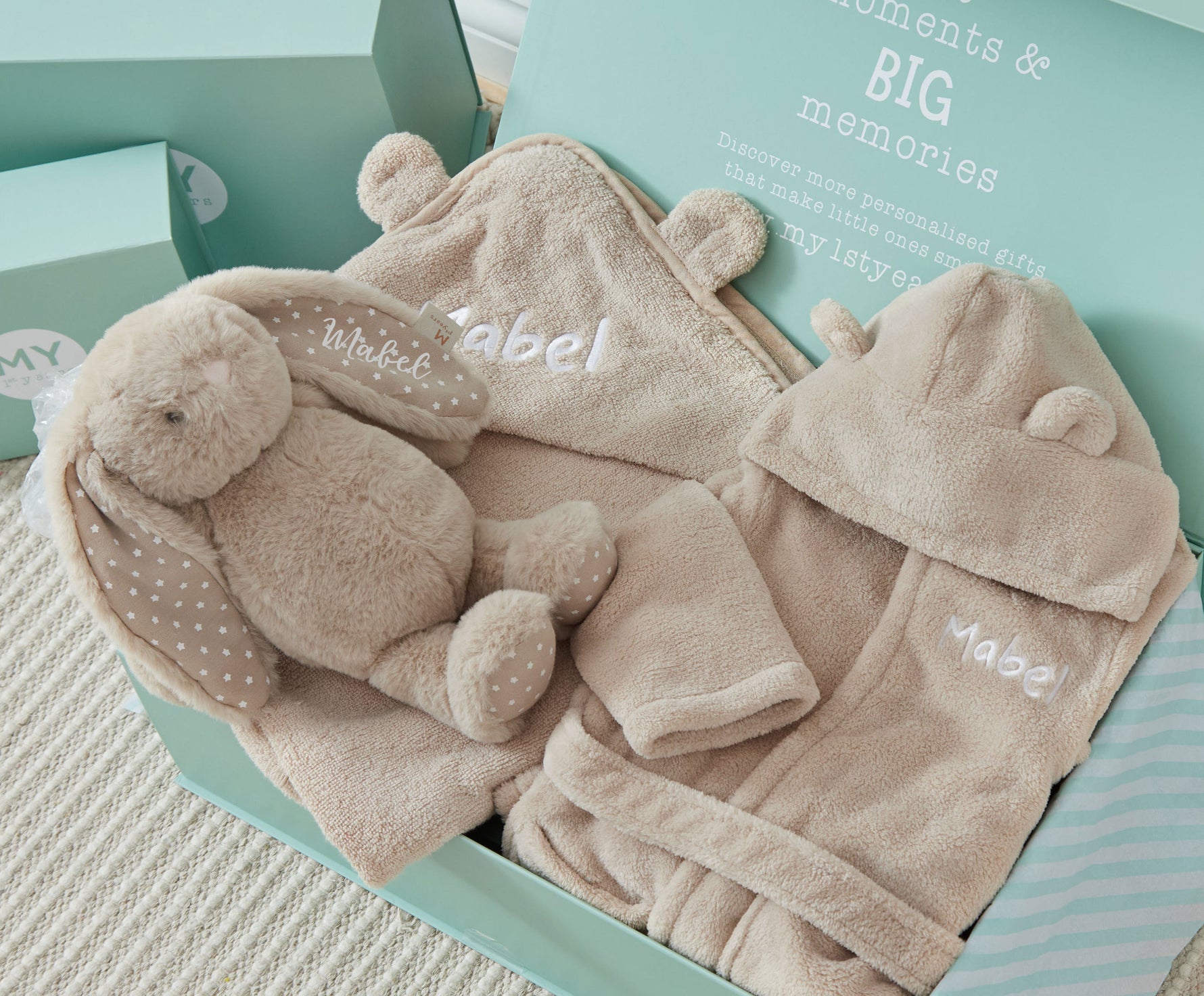
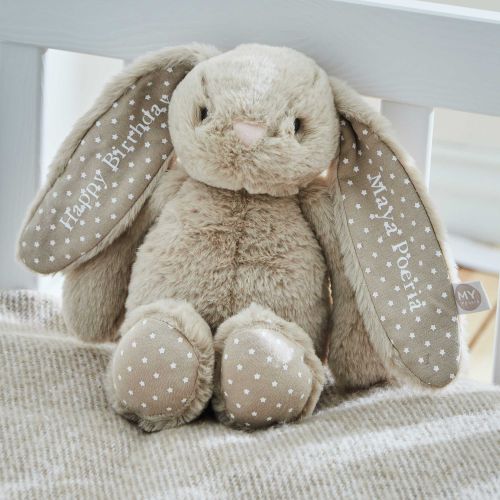
Bring a personalised comforter and muslins for familiar sleep

Organising baby luggage for easy access and quick fixes
When organising luggage for outings or longer travel, keep a grab pouch in the top pocket with nappies, wipes, a spare change of clothes, plastic bags for soiled items, and a simple feeding item so you can handle leaks and quick changes without opening the main case. Use clear, labelled pouches or packing cubes to group items by function, such as sleepwear, feeding, toiletries, and first aid, so you can see complete kits at a glance and avoid rummaging. Stash heavier, seldom-used items at the base of the main luggage, and place frequently needed items in outer pockets or near the top to stabilise the bag and shorten unpacking time when you need a quick fix.
Pack a small, waterproof repair and hygiene pouch with a travel sewing kit, safety pins, a spare dummy or teat, adhesive plasters, antiseptic wipes, a compact thermometer, and brief dosing and feeding notes so anyone helping can follow instructions. Split true essentials between bags: keep at least one spare outfit, duplicate feeding items, and a small supply of nappies or milk in a different piece of luggage, and carry a simple inventory checklist to track what you have. Label items clearly so a helper can find replacements fast. These steps reduce the chance a single lost bag leaves you without basics, help you resolve incidents quickly, and make handing care over to another adult straightforward.
Packing clear documents, a compact feeding and sleep kit, and an easy-to-reach health pouch can turn a potentially chaotic first trip into a calm, manageable routine. Pre-measured milk or formula, labelled outfit swaps, and duplicate essentials kept across different bags help you deal with common hiccups quickly and keep your baby settled, so you can spend more time enjoying the moment.
Use these headings as your pre-departure checklist: travel documents, feeding and clothing, sleep and health, and luggage organisation. Preparing these areas in advance can help you avoid gate delays, minimise night-time disruptions, and simplify handovers, so you can focus on your child on arrival.
Share


