


How to Pack Your Baby's Travel Bag for Calm, Easy Journeys
Travelling with a baby can feel chaotic: last-minute rummaging, nappy changes on the go, and missed feeds can turn a short journey into a stressful ordeal. How do you pack so that essentials are within easy reach, you stay calm, and naps survive the journey?
Heading out with a baby? This guide breaks packing into practical sections: pre-trip essentials, nappy-changing and hygiene supplies, feeding, soothing and sleep items, clothing and outfit strategies, and bag organisation for easy access. Read on for concise checklists and simple organising tips to help you find what you need quickly, reduce surprises, and keep the journey calm for both you and your baby.

Plan pre-trip essentials for a calm family journey
Organise your pre-trip checklist by how often you will need each item so journeys feel calmer. Keep immediate-access essentials for feeding and nappy changes in an easy-to-reach pocket or at the top of your bag. Pack mid-journey items for sleep and comfort in the middle, and store things you only need on arrival at the bottom. Pack once, then remove anything you never use. Assemble a compact change station you can grab in one motion: nappies, wipes, a change of baby clothes, a spare top for a parent, and a waterproof bag for soiled items. Keep these items together so you do not have to rummage when time is short. Prepare feeding and hydration to suit the journey: pre-measured formula portions, a discreet breastfeeding cover or nursing scarf, a portable steriliser or disposable liners, and easy-to-reach snacks for older infants. Practise feeding on the move at home, for example on a short walk or drive, so you find what works and feel confident when you need to.
Pack a medical and documents pouch with prescribed medicines clearly labelled with the child’s name and dose instructions, a basic first-aid kit, and a thermometer. Tuck photocopies of emergency contacts and medical details into an outer pocket so they are easy to find. Do a practice pack: carry the bag for the amount of time you expect to be out to check comfort and identify items you seldom need. Redistribute weight so the heavier items sit close to your back to minimise strain. Give yourself a dedicated top pocket for essentials, such as your phone, keys, and a couple of nappies, to cut down on rummaging and forgotten items.
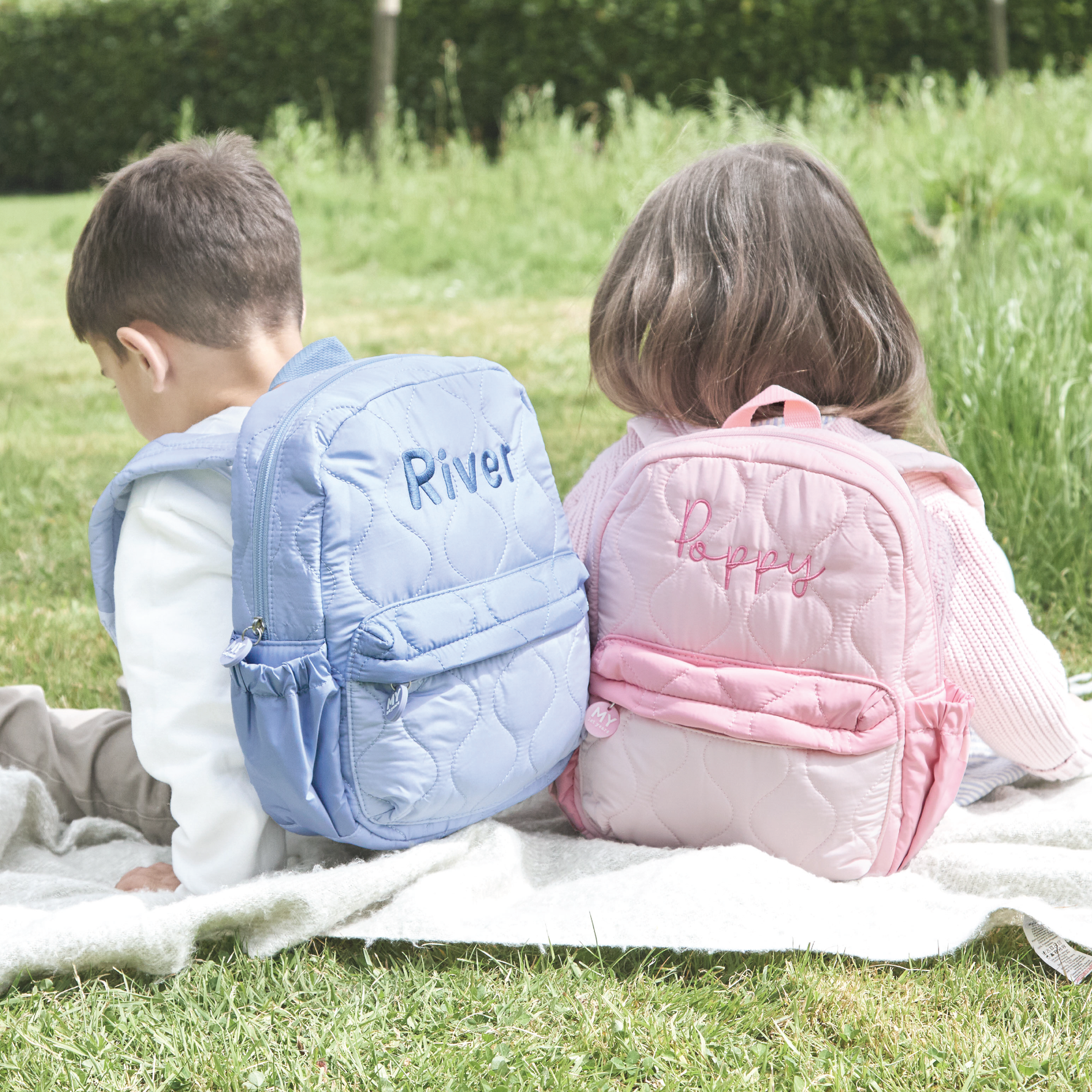
Keep essentials together with a roomy, ready-to-grab bag

Packing your nappy bag: essential changing and hygiene items
Little touches make nappy changes quicker and less stressful. Pack nappies in your baby’s size with a generous buffer, and keep them in an easy-access pocket so you can grab one with one hand while the rest of the bag stays organised. Choose a wipe-clean changing mat that folds into a slim pouch to protect other items and speed up cleanups, while still giving enough coverage for different surfaces. Include fragrance-free wipes, plus muslin squares or cotton wool as gentler options, and carry a resealable waterproof bag for used cloths to contain dampness and odour. Reserve a zipped compartment for soiled items, and stash sealable nappy bags or waterproof sacks for used nappies and soiled clothes.
Pack a compact hygiene kit for nappy changes: barrier cream, hand sanitiser, antiseptic wipes, and a spare outfit in a labelled pouch so you can grab it quickly. Choose multipurpose items, such as a muslin cloth that doubles as a bib or burp cloth, to keep bulk down while keeping your options flexible. Keep everything organised so you can reach essentials during changes, and pop used items into resealable bags to keep clean and soiled items separate.
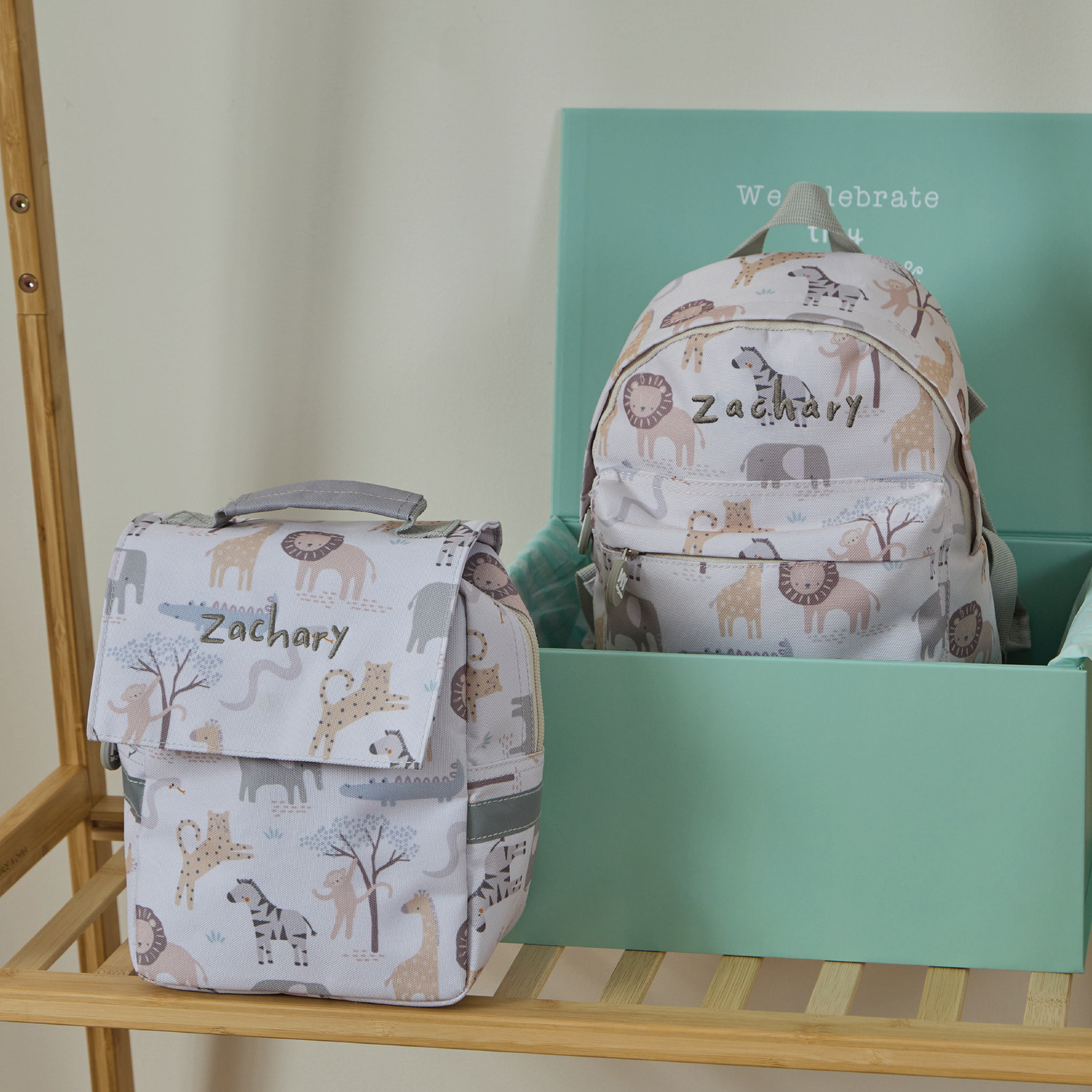
Organise changing essentials in a portable caddy.

What to pack for your baby: feeding, soothing, and sleep essentials
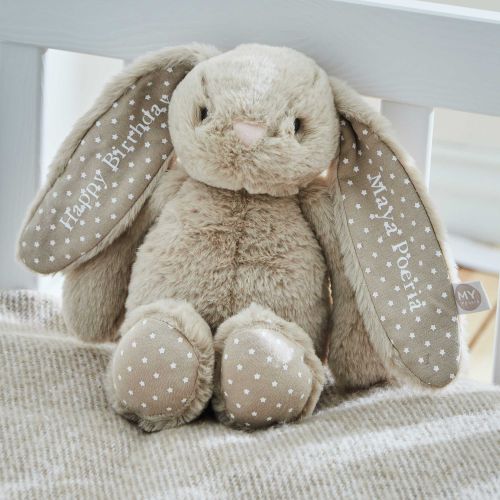
Pack a compact feeding kit with pre-measured formula portions or sealed expressed milk, spare bottles or a collapsible cup, an insulated bottle bag, and a leakproof snack pot to reduce preparation time and contain spills. Include at least one extra feed, and stow wet or used items in a separate waterproof pouch to manage delays and prevent cross-contamination. Take two comforting items your baby recognises, such as a dummy, a small blanket, or a soft toy, clip one to your baby's clothing to avoid losing it, and rotate and wash them before travelling so familiar smells help your baby settle.
For stress-free outings, tuck travel wipes, hand sanitiser, a small bottle brush, sterilising pouches or a fold-flat steriliser, and resealable bags for soiled items into your changing bag. These essentials help keep feeding kit and laundry separate and hygienic. Pack two complete outfit changes, a few bibs, and a waterproof laundry bag, and pre-fill resealable pouches so each set is grab-ready without rummaging through the main bag. Organise items by function and how easy they are to reach so you can manage spills, feeds, and sleep transitions calmly while keeping used items contained and clean.
On-the-go feeding, hygiene and soothing essentials
- Pre-portion and simplify feeds: pack single-serve formula sachets or clearly labelled, sealed pouches of expressed milk, carry spare bottles and a collapsible cup, and use an insulated bottle bag plus a flask of hot water and a thermal sleeve to warm feeds safely; include at least one extra feed and store used items in a separate waterproof pouch.
- Keep cleaning and containment compact: pack a small bottle brush, portable sterilisation pouches or a fold-flat steriliser, hand sanitiser, and several resealable bags for soiled items; pre-fill and label bags so each wet or dirty set stays sealed and identifiable, and remains isolated until you can wash or dispose of contents.
- Assemble a travel sleep kit: take two comforting items your baby recognises, clip one to clothing to prevent loss, wash and rotate them before travel so familiar smells aid settling, and add a lightweight white-noise device and a breathable shade or cover for prams and travel cots to reduce light and distraction.
- Organise for speed and calm: sort the bag by function and accessibility, label pouches, stash two complete outfit changes, multiple bibs, and a waterproof laundry bag in an outer pocket, and keep frequently used items at the top so you can manage spills, feeds, and naps without rummaging.

How to choose clothing, layers, and outfits for your baby
For stress-free days away, pack complete outfits: a vest, socks, and a spare for every planned day, plus two extra pieces. That way you can grab a ready set if a spill or a delay happens. Organise outfits into labelled pouches or packing cubes, roll garments to save space, and keep a small waterproof bag for soiled items to prevent contamination. Choose a restrained colour palette of neutrals with two accent items; this multiplies outfit options while keeping the bag compact, reducing both laundry and decision time.
Dress your baby in three layers: a snug base layer that wicks moisture, a mid layer that traps warmth, and a lightweight outer layer that blocks wind and rain. Choose breathable, temperature-regulating fabrics, such as cotton for everyday breathability and merino wool for insulation and odour resistance. Prioritise nappy-friendly garments with popper fastenings, elastic waists, or wrap-style openings so you can change nappies without fully undressing the baby. Quicker changes reduce distress and save time at stops. Keeping ready, nappy-friendly outfits organised by day and expected temperature helps journeys run calmer and more efficiently.
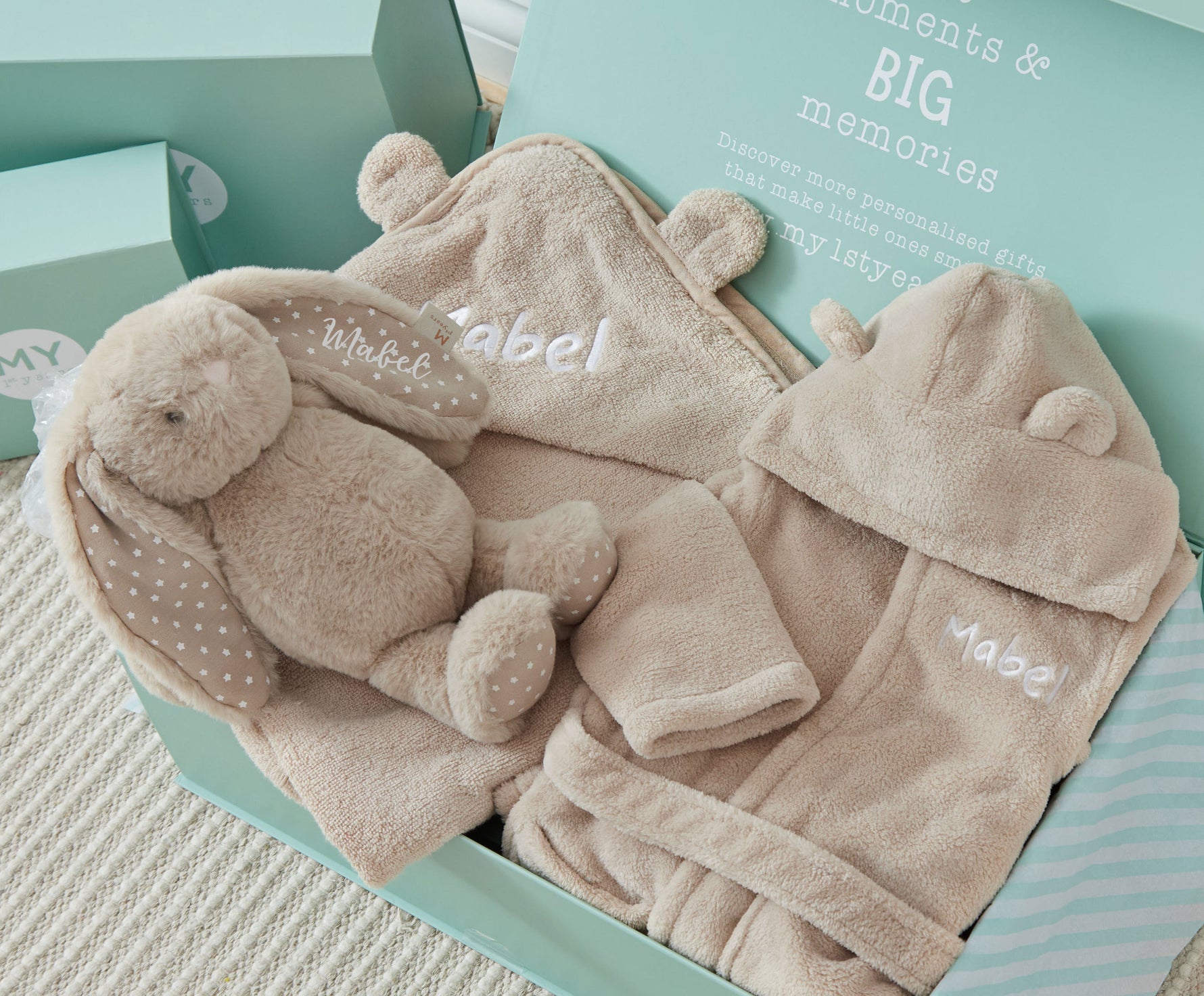
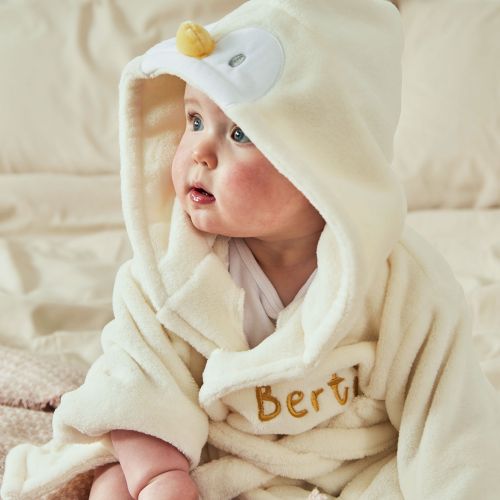
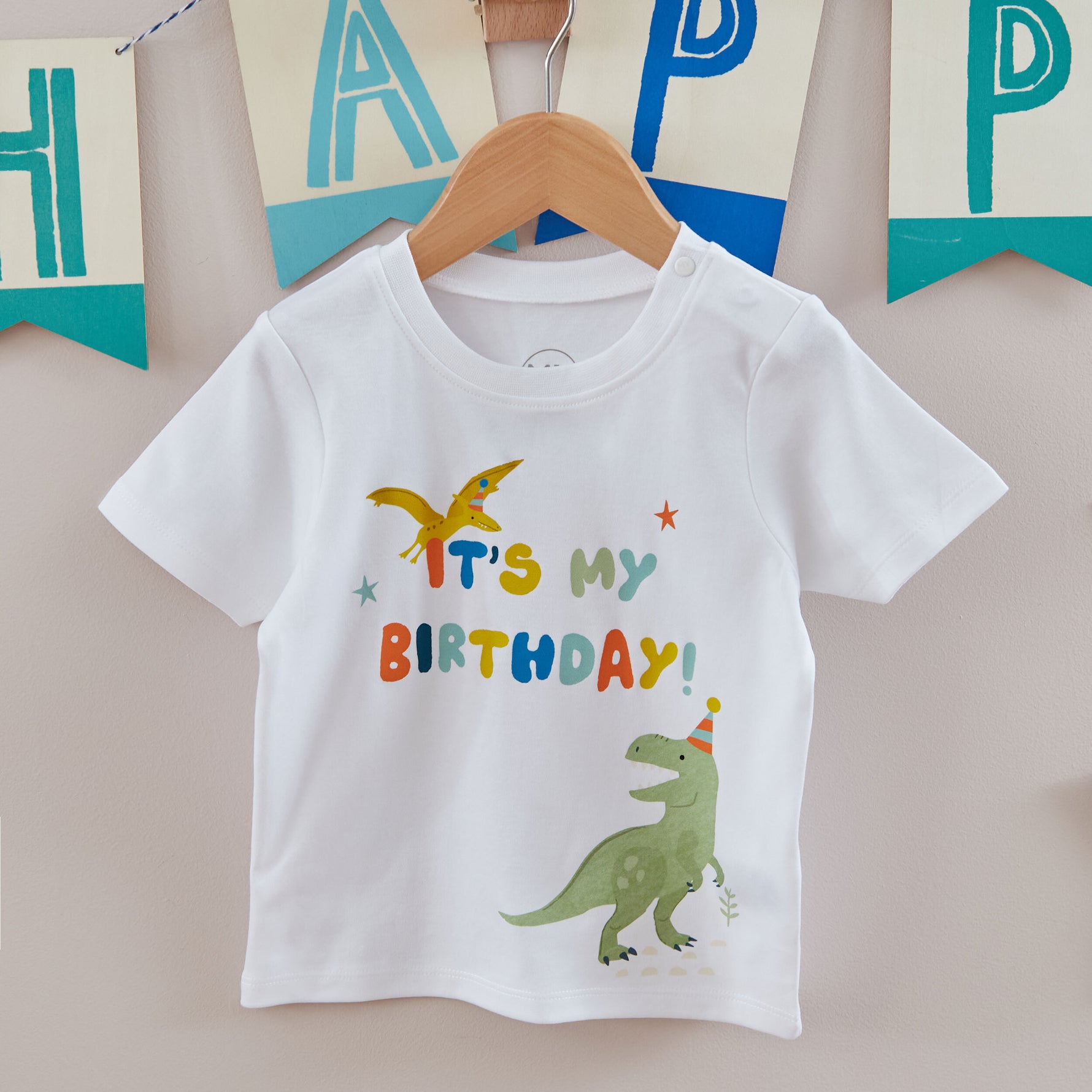
Pack a personalised naptime bundle for quick cosy changes

Organise your travel bag for easy access on travel day
Prepare a top-pocket "first-hour" kit containing a pre-measured dose of any required medicine, a ready-to-use feeding item, a spare outfit, and a small pack of wipes. Keep it in the top pocket so you can retrieve essentials immediately without emptying the whole bag. Group items by how often you use them: nappies and wipes in an external pocket, spare clothing and blankets in the main compartment, and toys or extras at the base to reduce rummaging and speed routine changes. Use clear, resealable bags to separate wet items, soiled clothes, and feeding accessories; the transparent view makes things easy to find and prevents leaks from contaminating dry contents.
Try packing heavier items close to your back and spreading weight evenly across compartments. This improves stability, eases shoulder strain, and helps the bag stand upright so top-access items remain reachable. Keep duplicates of essentials in a separate place, for example a spare outfit and a small pack of wipes in the pushchair or car, so you can handle spills or misplaced items without unpacking everything. These small adjustments reduce the need to search through your bag, save time, and limit stressful delays when you are out and about.
A compact, easy-to-access changing bag and a few simple routines cut down on rummaging and let you complete feeds, nappy changes, and sleep transitions in one smooth movement. Organise items by how often you use them, keeping nappies, wipes, and a spare outfit within easy reach and storing less-used extras lower down. Set up a ready change station at home and practise packing once before you head out; keeping essentials to hand shows you what you never use and helps protect your back by keeping weight close to your body.
Use checklists for pre-trip essentials, nappy and hygiene supplies, feeding and sleep items, clothing strategies, and bag layout to build a single grab-and-go system that keeps clean and soiled items separate. Pack it once, try it out, and pare back what you do not use until the bag consistently keeps your attention on your baby, not the contents.
FAQ
What should be in a pre-trip 'first-hour' kit?
Keep a pre-measured dose of any required medicine with instructions, a ready-to-use feeding item, a spare outfit, and a small pack of wipes in a top-pocket so you can retrieve essentials immediately without emptying the whole bag.
How many nappies and clothing changes should I pack?
Pack nappies sized for your baby with a generous buffer for delays, and include at least two complete outfit changes plus a couple of extra pieces, stored in labelled pouches so each set is grab-ready.
How can I keep feeding equipment clean while travelling?
Carry a small bottle brush, portable sterilising pouches or a fold-flat steriliser, hand sanitiser, and several resealable bags, and keep used bottles and cloths in a separate waterproof pouch to avoid cross-contamination.
What clothing strategy helps with temperature control and quick changes?
Dress the baby in three layers — a moisture-wicking base, a warm mid layer, and a lightweight wind- or rain-blocking outer — and choose breathable fabrics and nappy-friendly fastenings like poppers or wrap-style openings for faster changes.
How should I pack the bag to reduce rummaging and strain?
Group items by frequency of use with frequently needed things at the top and nappies in an external pocket, pack heavier objects close to your back to reduce strain, use clear resealable bags and labelled pouches for visibility, and keep duplicates in another location as backups.
Share


