



Give a Christening Gift That Becomes a Treasured Family Heirloom
How do you choose a christening gift that grows in meaning rather than gathering dust? The right present becomes a focal point at anniversaries, weddings, and family gatherings, sparking memories and linking generations.
This post walks through why a thoughtful keepsake matters, how to personalise and tailor it for a baby girl, a baby boy, or a gender-neutral style, which materials will stand the test of time, and how to present and care for the keepsake. Read on for practical steps and clear examples to help you create a treasured family heirloom, not a fleeting memento.

Why a christening gift matters: the memories behind every keepsake
A christening gift can become a repository of family memory when you attach stories and provenance to the object. Sit down with older relatives to gather anecdotes, include a photograph of the giver, and slip a short provenance card into the presentation so future generations know where the piece came from and why it mattered. Heirlooms take many forms — jewellery, textiles, keepsake boxes — each carrying a different kind of story. When choosing one, favour robust materials and solid construction that age gracefully. Opt for classic shapes and restrained decoration, and check seams, joinery, and hallmarks so the piece will endure. Aim for items that adapt to different life stages or display contexts, so descendants can keep them in use or on show and the stories can keep being told.
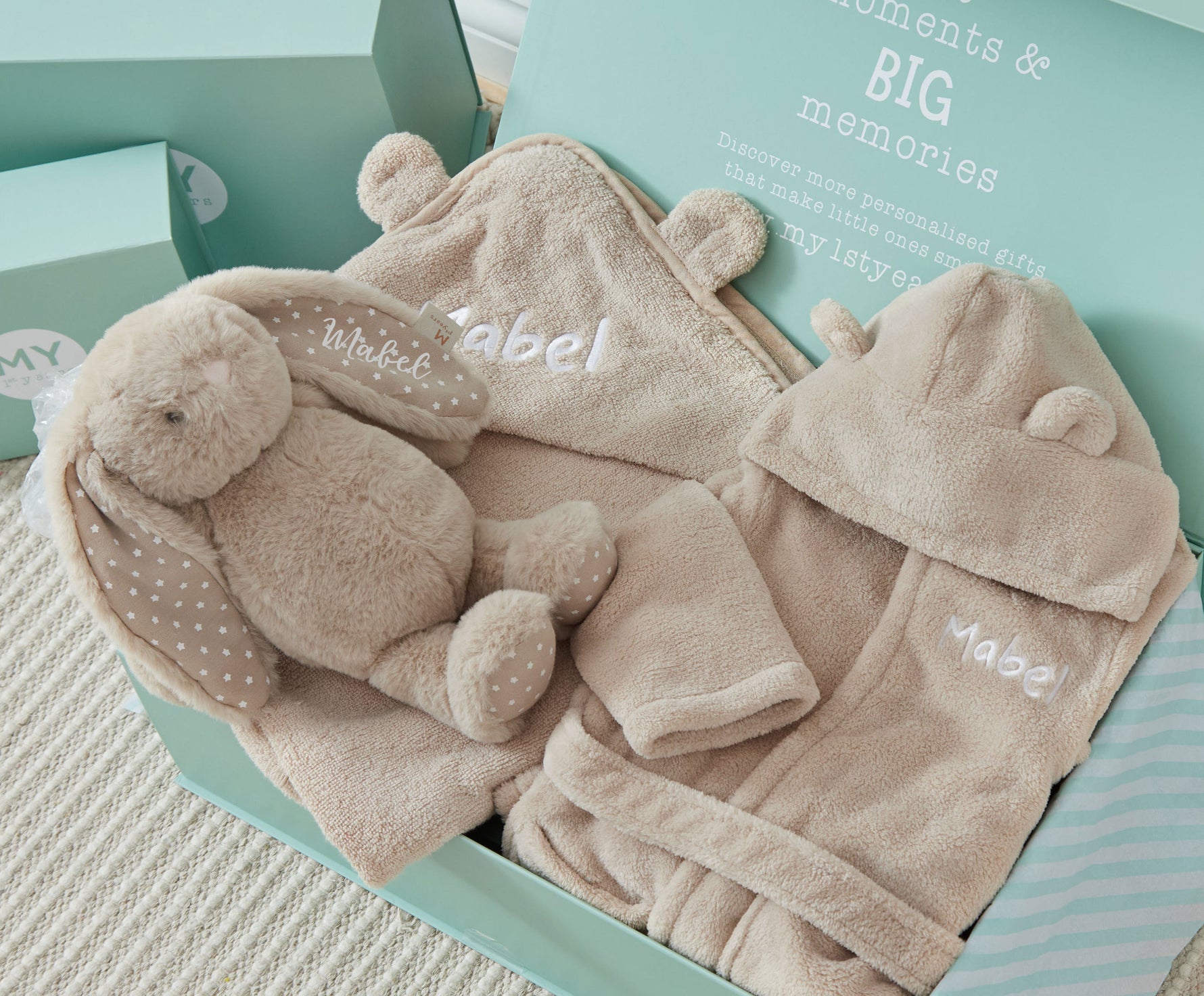
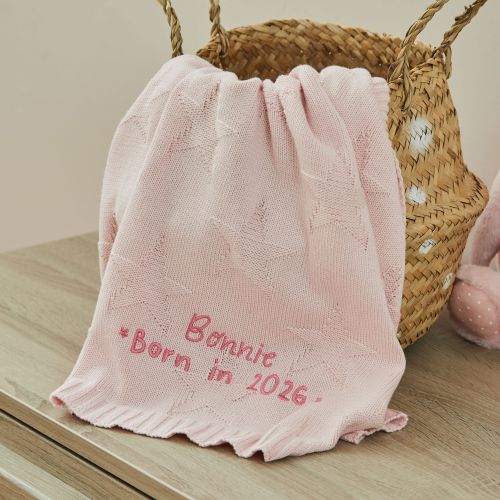
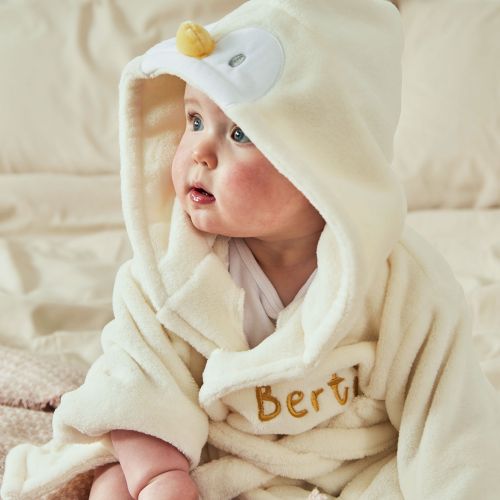
Personalise with longevity in mind. Engrave a short message or reproduce a handwriting sample on metal or wood, embroider a name and birth details onto natural fabric, or build a small compartment for a handwritten note with a sealed provenance slip. These choices make the object feel uniquely tied to a person and moment. Use archival practices to protect the piece. Wrap it in acid-free tissue to reduce yellowing, store it in a breathable box away from direct light and damp, include silica gel packets where appropriate, and avoid abrasive polishes that strip patina. Tuck in a simple care card with clear cleaning and storage instructions so future keepers know how to look after it. Help the item travel through the family with intention. Record a short printed or audio family anecdote, number or document the piece in a family inventory with suggested custodians, and note a clear ritual or occasion for passing it to the next generation. Those small steps keep the object useful as a keepsake and preserve the story it carries.

How to tailor a gift for girls, boys, and unisex tastes
Choose materials that age gracefully and stand up to handling. Natural fibres such as linen and wool tolerate careful laundering and storage, sterling silver develops a pleasing patina over time, and acid-free paper helps keep certificates and handwritten notes legible for generations. Personalise with lasting marks rather than passing trends — for example, engrave a name and birth details, embroider initials, or commission a simple family emblem. Slip a short handwritten provenance note into an archival sleeve so the gift’s story is recorded for future relatives. These small choices create tangible links across time and make it easier for later family members to confirm provenance. Before you finalise the gift, ask the parents about any existing heirlooms, preferred colours, and cultural or religious considerations so your present complements the household and avoids duplication.
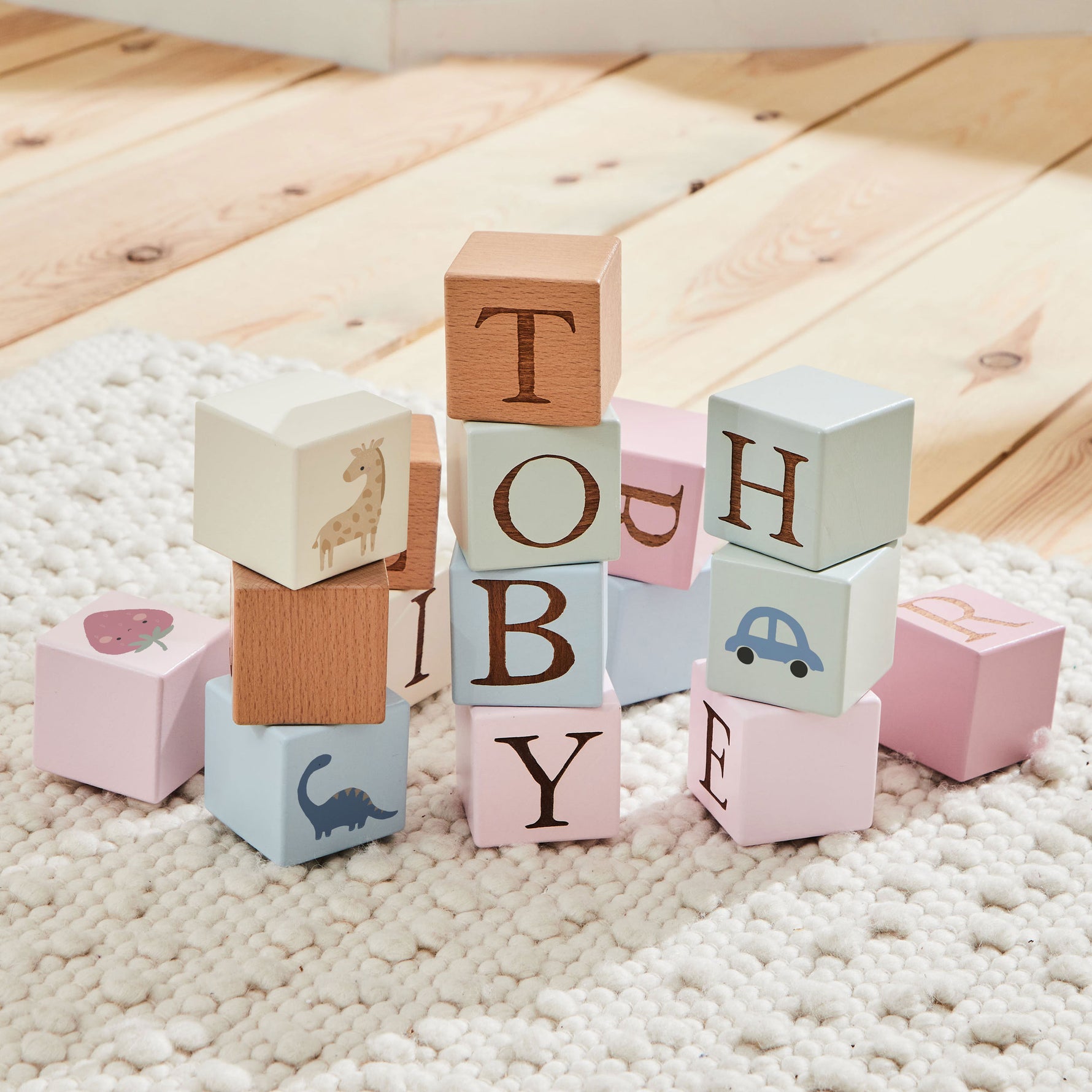
Choose pieces that will grow with a child and still feel at home in adulthood, such as a neutral-colour blanket, a well-made toy built to last, or timeless crockery that can be displayed or used as tastes evolve. Include clear care and storage notes with each gift: concise cleaning instructions, and simple recommendations to use breathable storage, avoid direct sunlight, and rotate displays occasionally to minimise wear while keeping the item visible and valued. These practical steps help recipients enjoy the gift now, while preserving its condition and personal story for the future.

Personalise your gift to create a lasting keepsake
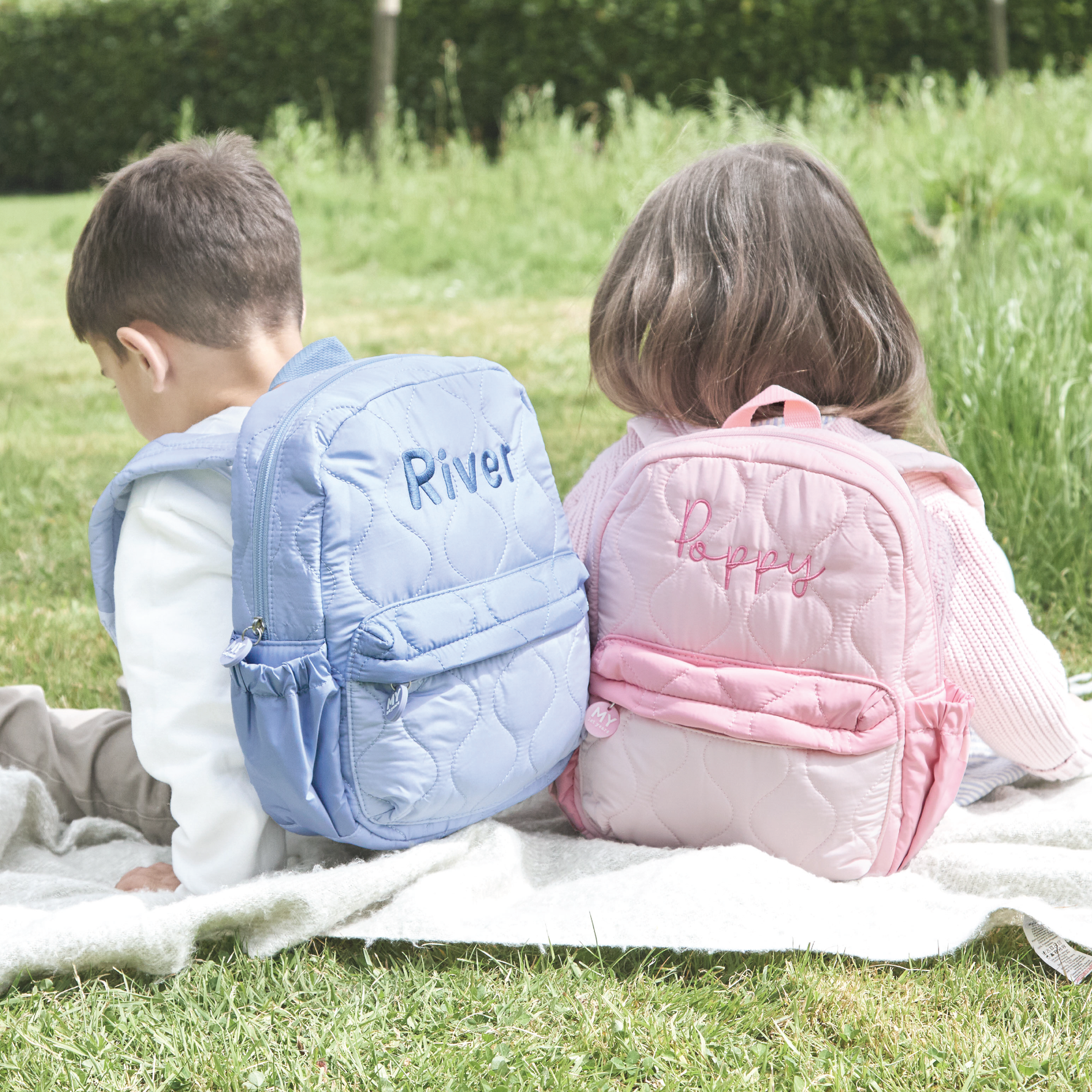
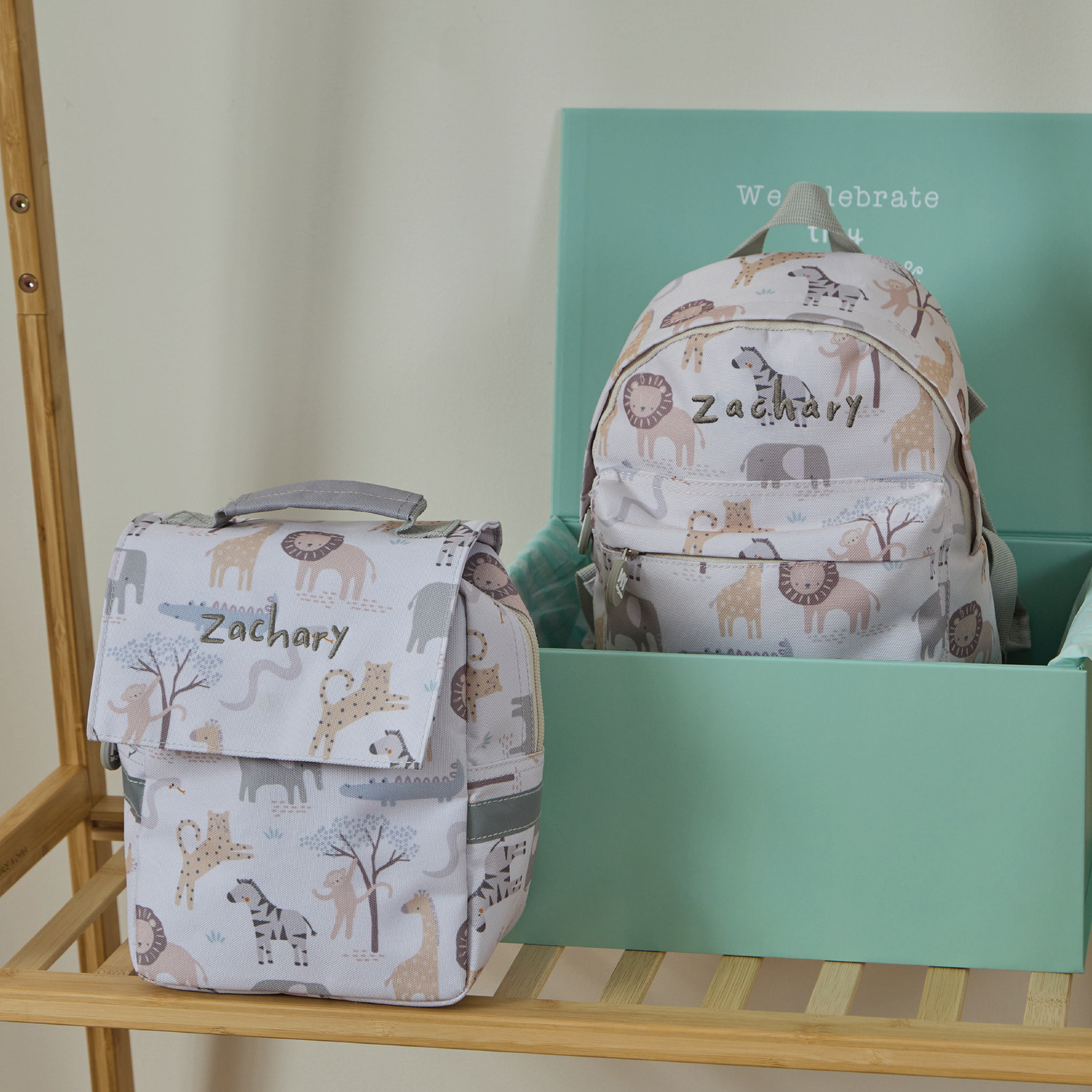
When personalising a keepsake, use the child's full name, a short blessing, or a simple family symbol. Choose clear, well-spaced typefaces or straightforward stitch patterns so letters stay legible as the piece ages. Position text where handling causes least wear, for example the reverse of a plaque, the back of a blanket, or inside a cuff. Favour solid metals, densely woven natural fibres, and hardwoods; dense weaves and hard surfaces resist abrasion and help embroidery or engraving last. Check joins, reinforced seams, and stitching to reduce stress points. Ask the maker or retailer about fibre content and metal hallmarks to guide future conservation, and keep inscriptions neat and reasonably sized so they survive repair, laundering, or restoration.
Choose items that can adapt as a child grows, such as a blanket that converts to a cushion, jewellery with resizable settings, or garments with adjustable hems, so the piece stays in use rather than being boxed away. Record provenance and care instructions on acid-free paper, add a short handwritten note explaining who gifted the item and why, and keep a digital copy so the story and practical guidance travel with the item through generations. Involve family members by incorporating a grandparent’s handwriting, inviting signatures or brief messages, or commissioning a simple family motif drawn from shared symbols to anchor the piece. Those personal touches, combined with durable materials and clear care guidance, give future keepers both the practical information and the emotional reason to preserve the item.
Practical steps to personalise keepsakes for longevity
- Inscription, typography and placement: choose clear, block style lettering over scripts, space letters generously, and use stitch types or marks that build depth rather than surface ink so the text survives handling; position inscriptions where they receive least wear, for example inside hems, on undersides, or on a framed plaque, and ask makers to favour incised engraving or firmly anchored stitches rather than surface printing.
- Materials and construction for longevity: favour solid metals, densely woven natural fibres, and hardwoods, specify reinforced seams, full stitching, and removable or replaceable fittings so the object can be repaired or resized, and request fibre content and metal hallmarks from the maker so future conservators can choose appropriate treatments and repairs.
- Documentation, care and storytelling: record provenance and care on acid-free paper, note who gifted the piece, list materials and simple handling or laundering instructions, photograph and scan signatures or handwriting at high resolution, store a physical label with the object in a discreet pocket, and keep at least one digital backup with clear file names and basic metadata so provenance and handling notes accompany the object.

Choose safe, durable materials to craft heirloom-quality keepsakes
For keepsakes that are meant to last, choose solid metals such as silver, gold, or surgical-grade steel. These can be repaired, resized, and engraved without losing their core metal. By contrast, plated pieces and items with glued joins often wear through or fail over time. Metals also age in different ways: some develop a patina you can polish away, while others gain a lived-in finish you might prefer to leave as part of the piece’s story, so pick a metal whose ageing matches the look and maintenance you want. For garments, favour natural fibres such as long-staple cotton, linen, and silk. Look for generous seam allowances, hand or reinforced stitching, and removable linings so items can be altered or relined for later generations. Store textiles flat, wrapped in acid-free tissue, to slow yellowing and reduce stress on seams and trims.
When choosing wooden keepsakes, opt for dense, solid timbers and traditional joinery such as dovetails or mortise-and-tenon. Those joints can be re-glued and re-oiled, and they withstand handling far better than veneers and glued assemblies. Pick maintainable finishes like wax or oil, and include simple care steps so the recipient can refresh the surface as it shows wear. For ceramics, favour vitrified pieces with non-toxic glazes and substantial rims and bases; these reduce porosity and lower the risk of chipping. For metal items, check mechanical fixings and soldered or welded joins, and prefer serviceable clasps a jeweller can replace if needed. Store metals in low-humidity, breathable wrappings with anti-tarnish measures, and avoid long-term contact with acidic papers or plastics.

How to present and care for your keepsake
When giving a christening keepsake, wrap it in acid-free tissue and place it in a rigid, breathable box to reduce creasing, acid migration, and insect access. Tuck a personalised, handwritten note inside that records who gave the gift and why; this small detail helps future generations understand the object’s provenance. Photograph the item from several angles, note any identifying features or marks, and save digital copies in at least two different locations so condition and provenance travel with the object. Store the package away from direct sunlight, damp, and large temperature swings. For long-term storage, avoid plastic, choose breathable materials, and add neutral moisture absorbers and suitable pest deterrents to slow fading, corrosion, and fabric decay. These simple steps protect both the keepsake and its history.
Wear clean, lint-free gloves when handling delicate textiles or polished surfaces such as silver or glass. Blot stains gently with a clean cloth rather than rubbing, which can spread the mark and damage fibres. Always test any cleaning method on an inconspicuous area first so you can spot unwanted effects before they reach the main surface. Avoid adhesive tapes, household polishes, and harsh chemicals, as these can leave residues or cause long-term harm. If an item is fragile or of historic value, consult a professional conservator for specialist advice. Finally, create a concise care card to travel with the keepsake: note recommended handling and storage steps, and agree a simple handing-over ritual so future custodians inherit both the object and its story.
Choose presents that combine durable materials, adaptable design, and a clear record of provenance so pieces can be repaired, passed on, and recognised by future generations. Think of simple choices: an engraved metal tag typically endures washing and polishing better than a printed label; a linen blanket with generous seam allowances can be re-hemmed or patched as it wears; and a folded provenance card tucked into a pocket or stitched into a seam records names, dates, and the story behind the gift. These small details help an object stay useful while carrying the family story.
Work through three simple headings: choose robust materials, personalise with enduring marks, and present the item in archival wrapping with clear care instructions. Choose materials that stand up to years of handling and washing — for example, tightly woven cottons, linen, hardwoods, or stainless-steel fittings — so the gift remains useful and familiar rather than fragile. Personalise using permanent techniques such as embroidery, engraving, or heat-bonded prints rather than surface inks that can fade. Wrap the finished piece in acid-free, archival-quality tissue or a sturdy box, and include clear care instructions so recipients know how to keep it looking its best. Before you wrap, ask parents whether the family has existing heirlooms the new piece should complement, photograph the finished item for their records, and tuck a short handwritten note inside so the gift arrives with both practical guidance and a personal reason to be preserved.
FAQ
What makes a christening gift become a treasured family heirloom?
A lasting heirloom combines robust materials and construction with a documented story: include who gifted it, an anecdote or photograph, and a sealed provenance note so future generations understand its history and significance.
How should I choose materials and construction for longevity?
Select solid metals, dense timbers, vitrified ceramics, or tightly woven natural fibres, insist on reinforced seams or traditional joinery, and favour finishes and fixings that can be repaired or reworked rather than glued or plated components.
How can I personalise the gift so the inscription survives time and use?
Use incised engraving or firmly anchored stitches in clear, block-style lettering, position text where handling causes least wear, and incorporate a small pocket for a handwritten provenance slip or scanned handwriting for backup.
How should I present and store the keepsake to preserve it?
Wrap in acid-free tissue, place in a rigid, breathable box with neutral moisture absorbers, tuck a concise care card and provenance note inside, photograph the item, and keep digital copies in more than one location.
How do I tailor a christening gift for girl, boy, or unisex tastes?
Ask parents about existing heirlooms, cultural considerations, and preferred colours, then choose neutral, adaptable designs—for example a linen blanket or classic jewellery setting—that can transition from childhood to adulthood and avoid trendy motifs.
Share


