

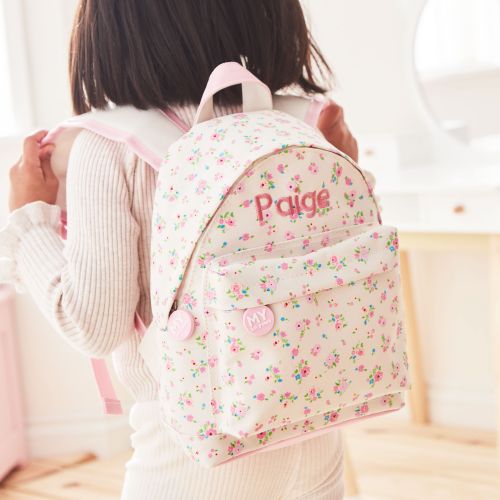
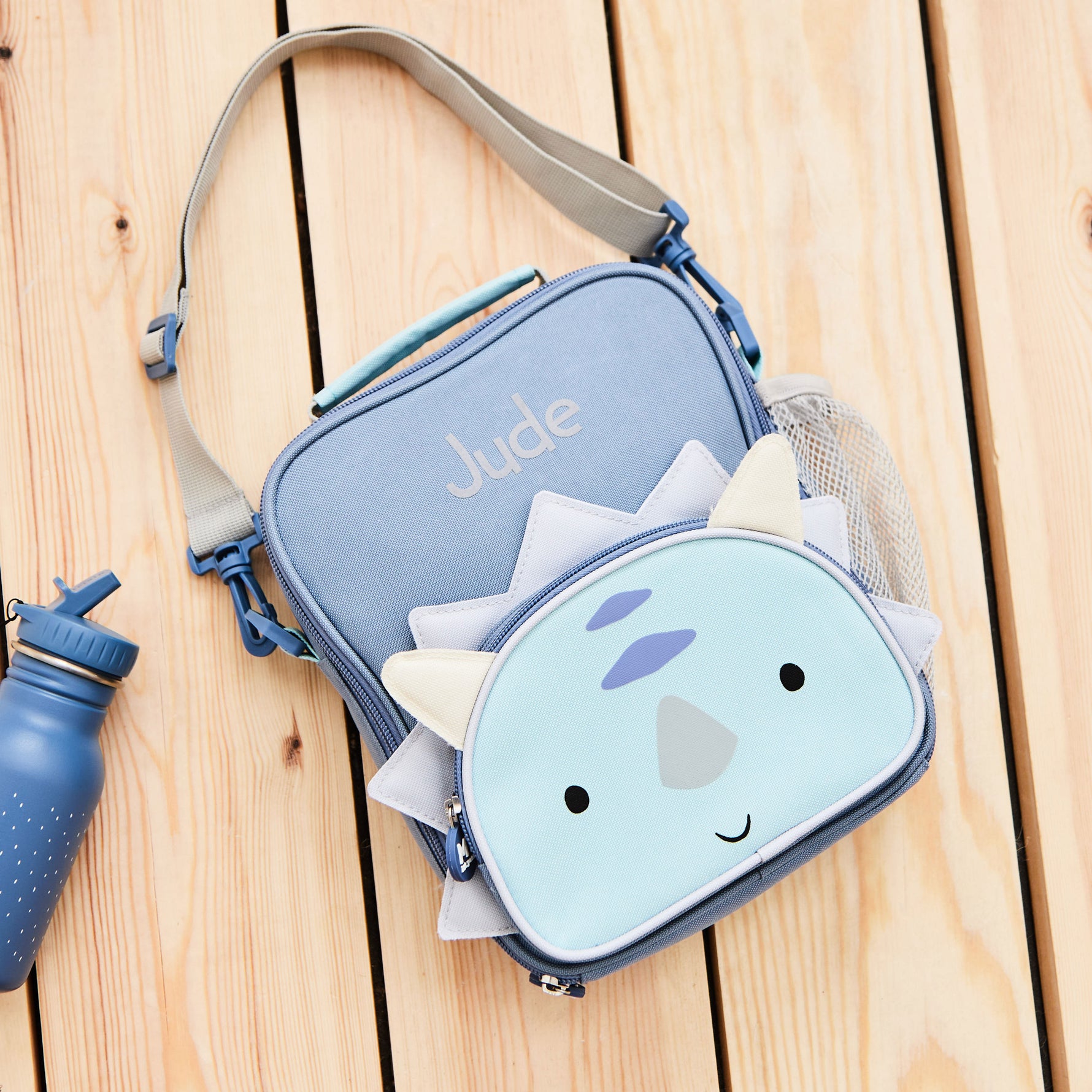
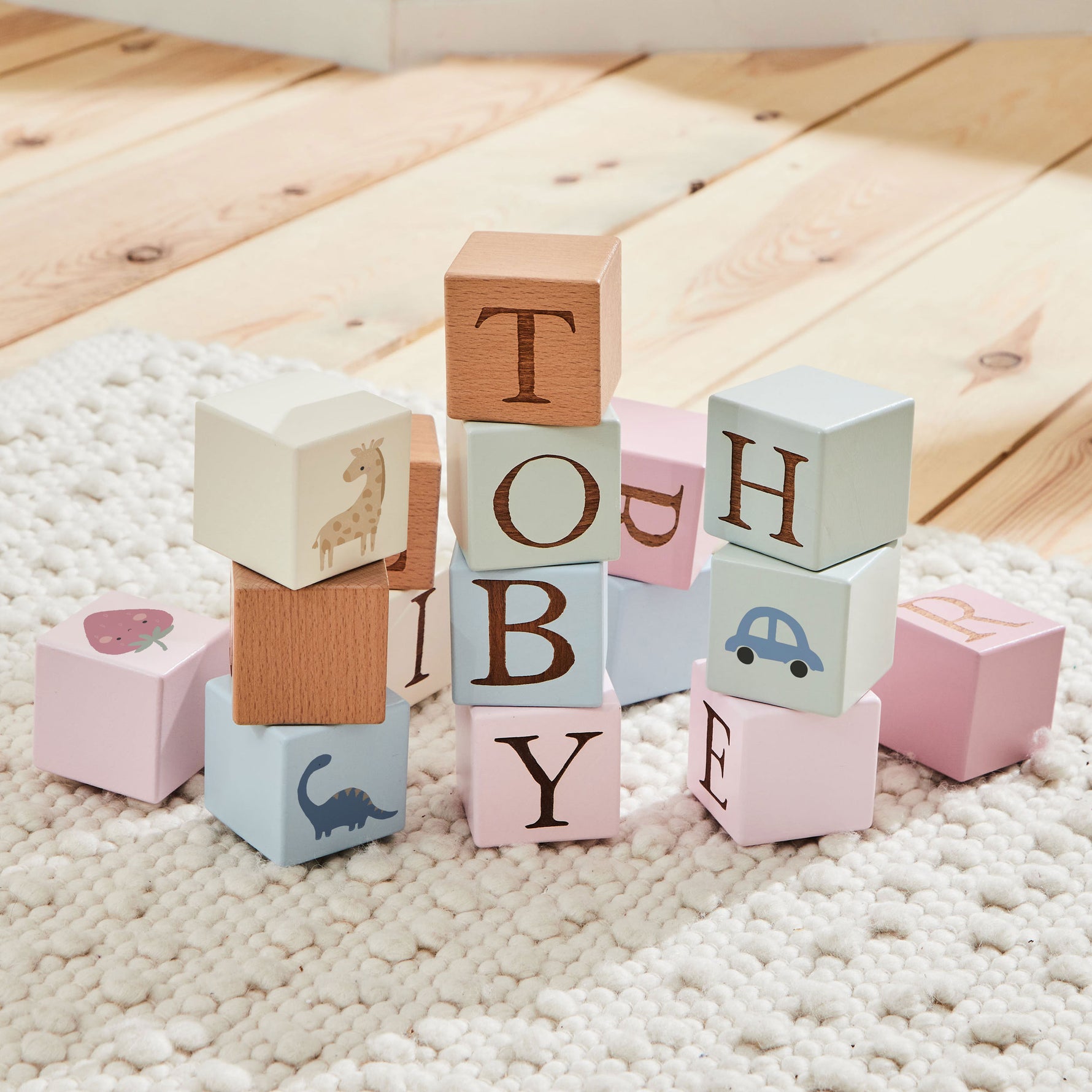
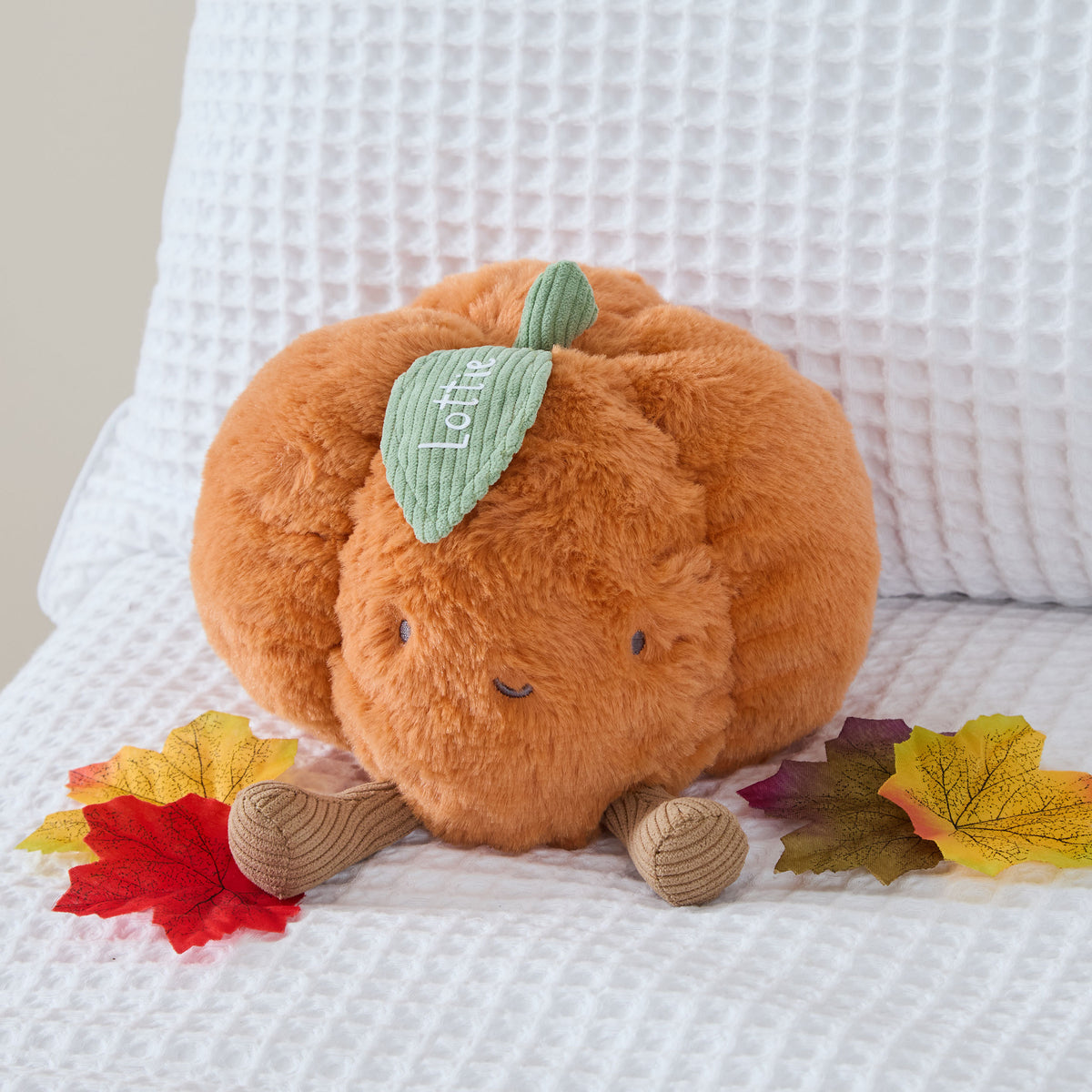



Want personalised clothing that still looks crisp after repeated washing? It can be disheartening when prints fade, vinyl peels, or appliqués and stitching shift, leaving a garment that no longer reflects the original design. Understanding why these changes happen makes it easier to choose the right techniques and care to preserve a keepsake's appearance.
This guide explains how fabric and construction influence washability, compares five wash-resistant personalisation methods, and outlines the durability trade-offs, placement considerations, and care routines to know. Use these practical insights to help you choose methods and placements that withstand washing, and to adopt simple care steps that keep your personalised keepsakes looking their best.

1. Choose fabric and construction for lasting personalised keepsakes
For best results with personalised gifts, fibre content determines which personalisation methods will last. Polyester takes dye-sublimation and heat-applied transfers well. Cotton suits screen printing and embroidery, while polyester-cotton blends balance colour retention, softness, and dimensional stability. Choose fabrics with tighter weaves and higher density because a smooth, dense surface reduces ink bleed, resists abrasion, and keeps stitches from pulling loose. By contrast, loosely knitted, low-density fabrics are more likely to stretch, pill, and distort designs. Pre-wash garments or select pre-shrunk, pre-treated fabrics to remove sizing that can repel inks or adhesives and to prevent personalised artwork shifting after the first wash.
When adding embroidery or appliqué to baby clothes, small production choices make a big difference to how a design looks after many washes. Place motifs on flat body panels rather than near seams, collars, or ribbing so the stitch pattern stays stable. Specify the right stitch density for the fabric—too dense and the area becomes stiff, too sparse and the design gaps—and use an appropriate backing stabiliser to prevent puckering, thread breakage, and fabric distortion over time. Surface finishes such as mercerisation, which smooths and strengthens cotton, or singeing, which removes stray fibres, give crisper prints and cut down on pilling. Colourfast dyeing and correct curing temperatures help prevent colour migration and fading, so always match the application and care instructions to the fibre type to avoid heat damage and preserve wash-fastness.
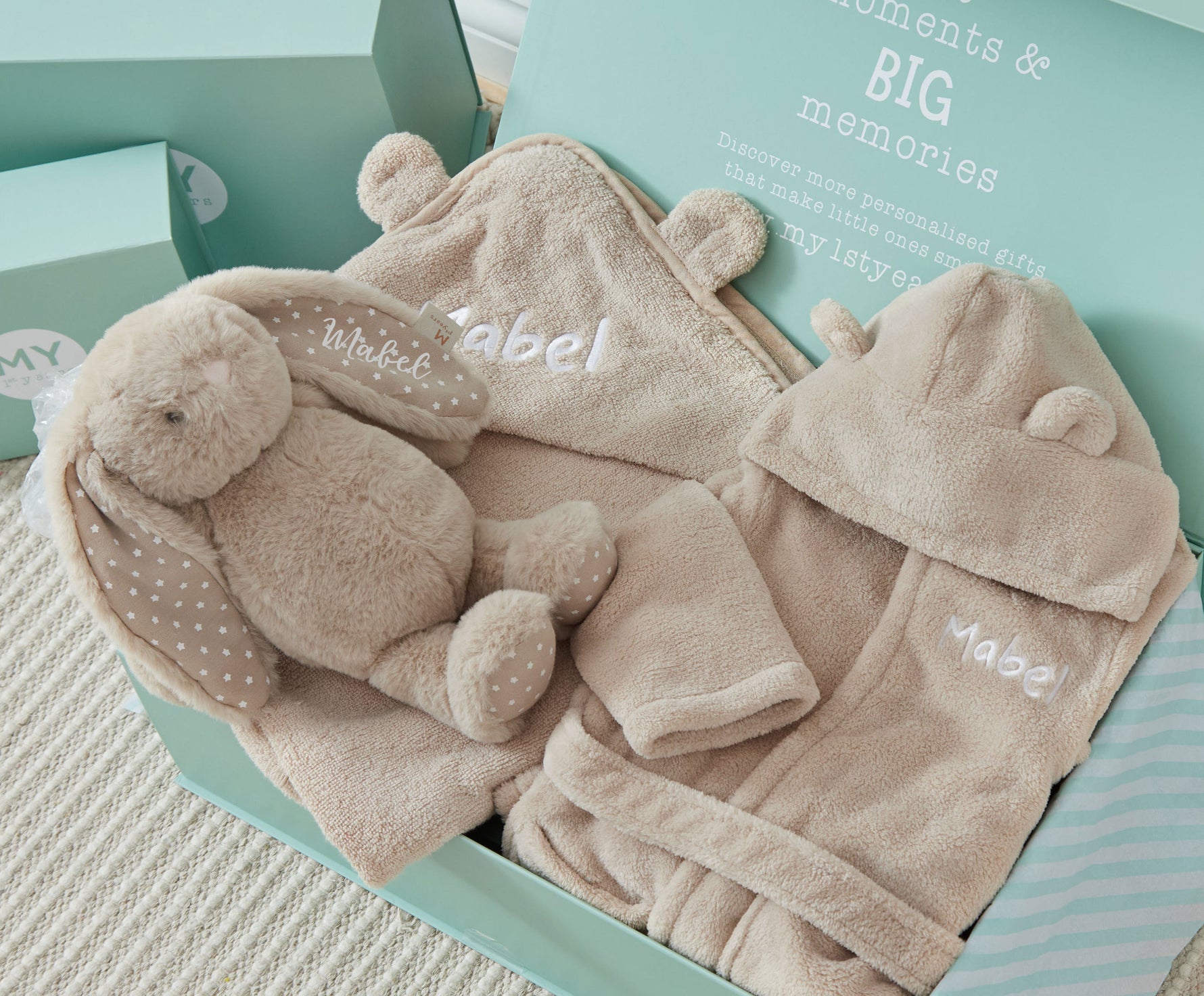
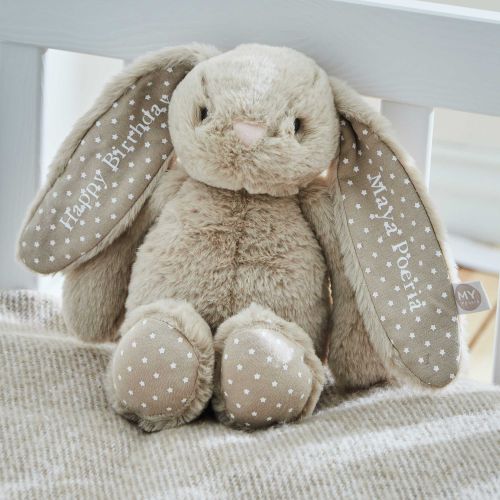
Embroidered cotton-blend — pre-wash; flat-panel placement; correct stitch density.


2. How to compare wash-safe personalisation methods for baby keepsakes
Here’s a clear, side-by-side look at five common personalisation methods — how they’re applied, which fabrics they suit, how the finish bonds to the material, what you’ll see after washing, and the typical failure modes. Ink infusion Application: Colour is carried into the fibres rather than sitting on top. Fabric compatibility: Works best on natural fibres and open-weave fabrics, and on certain synthetics when the right inks are used. Bonding and feel: Because the colour penetrates the yarns, the fabric keeps its original hand and flexibility. After laundering: Resists peeling and cracking; expect gradual fading over many washes or if exposed to strong detergents or high heat. Failure modes: Fading, occasional bleeding if inks are not properly fixed, and uneven coverage on low-quality fabrics. Screen printing Application: Pigment or plastisol ink is forced through a mesh stencil onto the surface. Fabric compatibility: Effective on cotton and many blends; less successful on very stretchy knits without special inks and techniques. Bonding and feel: The print sits on top of the fibres, producing vivid colour but a heavier, stiffer feel. After laundering: Durable with care, but repeated washing and drying, especially at high temperatures, can lead to cracking and loss of colour. Failure modes: Cracking, lifting, edge-fray, and stiffness that becomes more noticeable after wear. Heat-transfer vinyl Application: Cut vinyl shapes or printed films are heat-pressed onto the fabric. Fabric compatibility: Good for bold, simple designs on stable fabrics; poor choice for fine detail or highly stretchable materials. Bonding and feel: Forms a film on the surface, which can feel plasticky and reduce breathability. After laundering: Can last well if applied correctly, but hot washes and tumble drying accelerate cracking and edge lift. Failure modes: Cracking, peeling at edges, and loss of adhesion on stretchy or textured fabrics. Appliqué and raised prints Application: Separate fabric shapes or textured prints are sewn or bonded onto the base material to add dimension. Fabric compatibility: Works well on thicker fabrics and outerwear; less suited to very fine knits. Bonding and feel: Adds texture and weight where applied. After laundering: Well-stitched appliqués hold up; bonded edges can weaken over time with repeated washing. Failure modes: Fraying, detachment at seams or bonds, and catching or snagging on rough surfaces. Embroidery Application: Thread is stitched through the fabric to form the design. Fabric compatibility: Very versatile, but lightweight or highly stretchable knits may pucker or distort without stabiliser. Bonding and feel: Offers long-lasting, tactile detail; the thread sits in and on the fabric rather than forming a separate film. After laundering: Embroidery resists abrasion and stays legible through many washes when good-quality thread and stabilisers are used. Failure modes: Snagging, thread breakage, and distortion or puckering on delicate or stretchy fabrics. What this means in practice - If you want a soft hand and minimal change to the garment, ink-infused methods usually perform best. - For bold, vibrant graphics on stable cottons, screen printing is a reliable choice, though it will change the fabric’s feel. - For small, high-contrast motifs, heat-transfer vinyl delivers sharp edges but can age visibly with heavy washing. - Choose appliqué or embroidery when you want texture and longevity, and use stabilisers or firmer base fabrics for the best result. If you’re deciding between methods, match the technique to the fabric and to how the finished item will be used and washed. Care instructions matter: gentler washing and lower heat extend the life of all personalised finishes.
To compare decoration methods at home, run a simple, controlled test. Photograph three identical fabric swatches before you treat them, then launder them together on the same gentle cycle with a mild detergent. After a few washes, inspect and note any fading, cracking, lifting, bleeding, or change in size or shape. Those observations give you direct evidence of how a finish stands up to real use. Care matters for longevity. Wash garments inside out, avoid chlorine bleach, keep drying and ironing temperatures low, and store items so personalised areas do not rub against hard surfaces or heavy seams. These steps reduce wear on prints and stitching and slow visible deterioration. Think about fibre and method together. Chemical dye bonds tend to work best on natural fibres such as cotton and linen, while polymer-friendly inks hold better on polyester. Mechanical attachments need stable stitch paths, so they perform better on woven fabrics than on loosely knitted items. Use these interactions to predict durability before you choose a technique. Choose according to your priorities. For softness and true-to-colour results, ink infusion usually delivers the best colour fidelity. For abrasion resistance and long-term wear, embroidery stands up well. When surface texture and three-dimensional detail matter more than long-term resistance, appliqué or raised prints provide the desired tactile effect. Run your swatch test to see which trade-offs matter most for your project.
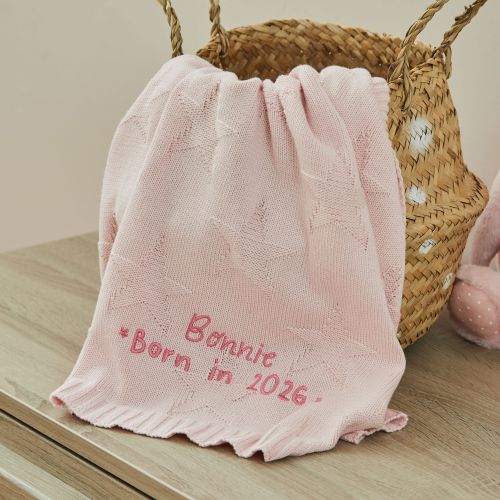
Embroidery gives tactile, long-lasting detail—perfect for keepsakes


3. Weigh the durability and trade-offs of each method
Begin with a simple, standardised durability checklist that records measurable endpoints: cycles to visible cracking, change in colour intensity, seam distortion, and adhesion failure. Run repeatable tests with controlled variables, photograph the results, and present outcomes as percentages so different methods are easy to compare. Map each personalisation method to likely fabric types, and include concise rules of thumb that link fibre content, ink penetration, thread coverage, or surface finish to expected changes in stretch, breathability, and colourfastness after repeated washing. Where possible, note test conditions such as wash temperature, detergent type, and drying method so readers can reproduce or compare results. Offer simple at-home checks and swatch tests people can try: stretch the personalised area to check for cracking, launder a swatch inside out to watch for colour bleed, and inspect stitch density to estimate how seams will age. These practical steps help readers draw their own conclusions about which personalisation approaches will stand up to everyday wear and washing.
Key care steps that extend longevity Start with simple care choices that materially slow wear: wash garments inside out, use a gentle cycle, choose cool water, avoid harsh chemicals such as bleach, and prefer air drying where possible. These actions reduce mechanical abrasion and chemical attack on prints, embroidery, and fibres, but they do demand more attention. If an item needs freshening after every wear, a strict routine may feel impractical. Practical trade-offs explained - Washing inside out and using lower temperatures protects surface decoration and colours, but may not remove heavy soiling as effectively as a hotter wash. - Gentle cycles and shorter spins cut mechanical stress, yet they leave more water in the fabric, so drying takes longer. - Avoiding harsh chemicals preserves fibres and finishes, but some stubborn stains need spot treatment or professional cleaning. - Air drying reduces abrasion and shrinkage, and saves energy, but it takes longer and sometimes leaves items stiff; tumble drying speeds the process but increases heat and friction that shorten a print or embroidery life. Environmental and aesthetic trade-offs Methods that bond deeply to fibres, such as reactive or pigment inks that penetrate the yarn, and stitchwork like embroidery, generally resist wash damage and retain appearance. The trade-off is a change to the fabric hand and a more complex recycling path, because the decoration becomes part of the textile. Surface-applied options, such as some heat-applied films and transfers, preserve the original feel of the fabric at first, but they may peel, crack, or abrade sooner, creating microplastics that complicate environmental disposal. Choosing a method by use case - Keepsakes and items that will be washed only occasionally: prioritise deep-penetrating inks or embroidery. These usually withstand dozens of home washes before visible breakdown, making them suitable for long-term mementos. - Everyday clothing that is washed frequently: favour techniques that allow ink penetration and flexible stitch work; opaque films and heavy surface transfers tend to fail sooner under repeated stretch and abrasion. - Lightweight or high-stretch fabrics: select inks and processes that bond within fibres rather than sitting on top, so prints keep stretch without cracking. What the tests typically show Standard laundering tests, such as ISO 6330 and AATCC 61, give a useful benchmark, though results vary by ink, fabric, and machine settings. Typical ranges you can expect in home-like testing are: deep-penetrating prints and well-executed embroidery retain roughly 80 to 95 percent of their original appearance after 20 to 30 wash cycles, while surface films and some transfers can fall to 50 to 80 percent of original appearance after 3 to 10 cycles. Take these ranges as indicative rather than absolute, and check supplier data for precise figures. Quick care recommendations - Turn garments inside out before washing. - Use a mild detergent and a gentle programme, with cool to warm water rather than hot. - Avoid bleach and minimise fabric softener on decorated areas. - Air dry when you can; if you tumble dry, use a low heat setting. - Iron inside out at a low temperature, and avoid direct contact with surface films. Balancing durability, feel, and end-of-life There is no one perfect choice. Deeper bonding buys durability at the cost of altered fabric hand and more complicated recycling. Surface applications preserve initial feel but often wear sooner and may contribute to microplastic shedding. Match the decoration method to how the garment will be used and laundered, and follow care guidance to maximise life while keeping environmental and aesthetic trade-offs in mind.
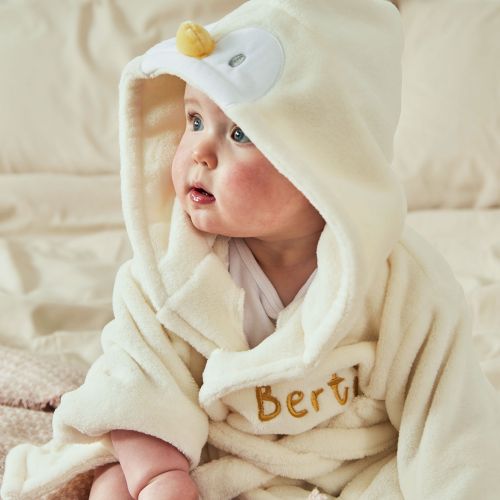
Wash inside out, cool cycle, air dry to preserve personalization.


4. Position designs to protect personalised details from wear
Place personalised designs on flat, stable panels, such as the centre chest or upper back, rather than across seams or curved areas. Flat panels undergo less mechanical distortion in the wash, so prints and embroidery hold their shape and adhesion for longer. Leave a clear margin of a few centimetres from hems, seams, and zips, because edges concentrate stress during washing and tumble-drying. That stress can cause splitting or peeling around the design if motifs sit too close to an edge.
To preserve printed and embroidered details, avoid placing them in high-friction zones such as underarms, cuffs, waistbands, inner thighs, and the seat. Repeated rubbing in these areas will break fibres and lift inks or threads. Keep dense prints and heavy embroidery away from high-stretch areas like ribbing, elbows, and knees, and use smaller motifs that move with the fabric to reduce cracking and distortion. Also steer designs clear of places that receive regular pressure from shoulder-bag straps, chair seats, or tucked waistlines, as repeated compression can flatten, abrade, or displace personalised details.
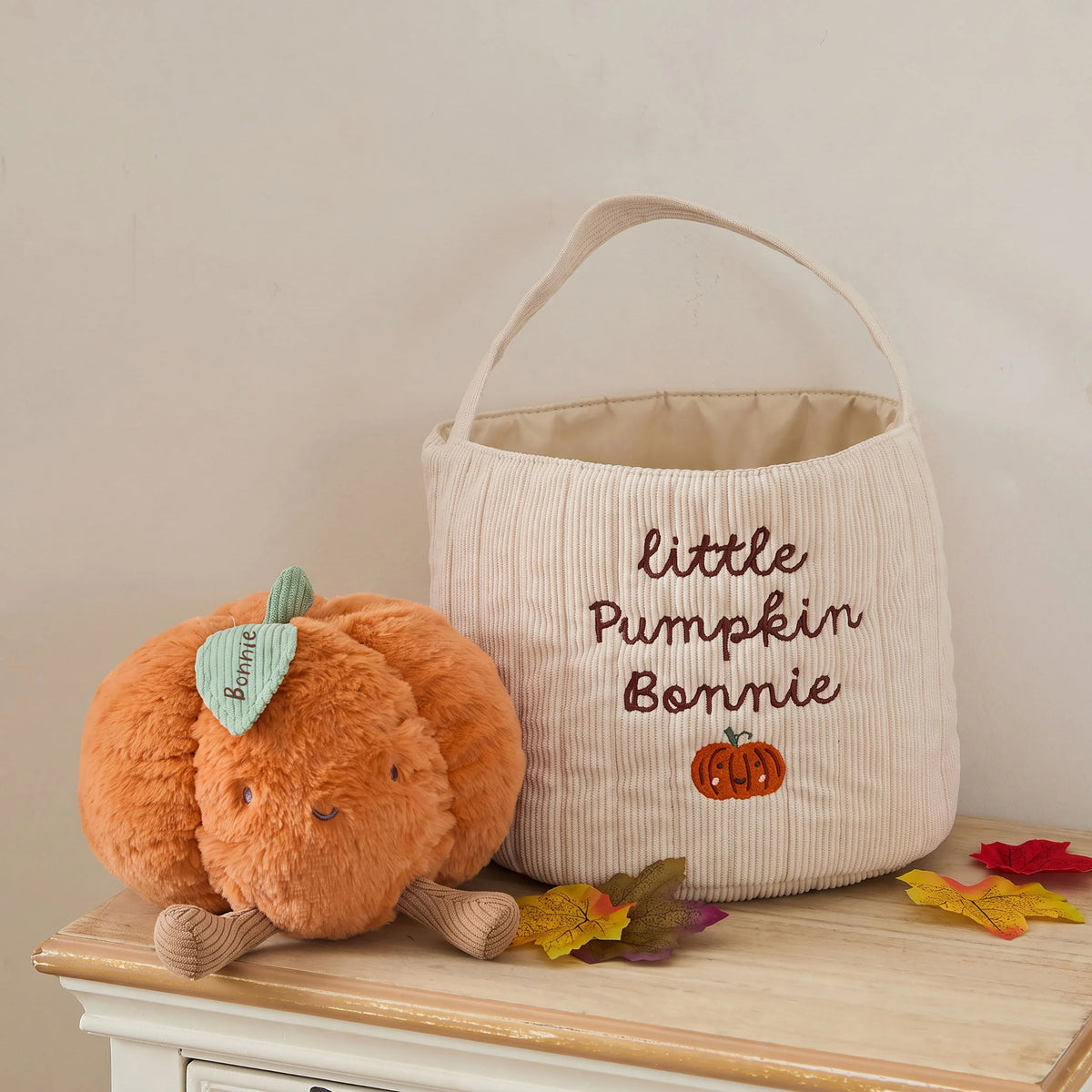
Embroider the napkin centre; avoid edges and high-friction zones.


5. Adopt washing and care routines for personalised keepsakes
To preserve personalised garments, turn them inside out, choose a gentle wash with a low spin cycle, and use cool or warm water to reduce abrasion and heat that can loosen prints and weaken fibres. Use a mild, enzyme-free detergent and avoid bleach or strong oxidisers, because harsh chemicals break down dyes and fibres. Skip fabric softener, as its coating can dull colour and reduce adhesion. These steps help preserve surface prints, heat transfers, and stitched areas by limiting the mechanical and chemical forces that cause fading and cracking. Before regular laundering, test a hidden seam or ask for a swatch to confirm compatibility.
To keep personalised items looking their best, air dry where possible, laying flat or hanging to preserve shape and reduce the risk of print cracking. If you need to use a tumble dryer, choose the lowest heat setting and turn items inside out to minimise direct friction and heat on personalised areas. When ironing, protect designs by pressing through a cotton cloth and avoid direct contact with prints; iron embroidery from the reverse to flatten threads without damaging the surface. Match your care to the personalisation method: embroidery anchors threads and dye sublimation bonds with the fibres, while surface prints and heat transfers sit on top and are more prone to cracking and fading. Heat and pressure can permanently alter transfers or melt synthetic inks, so avoid them on personalised areas whenever possible.
Durable personalised clothing starts with matching the personalisation method to the fabric, placing designs away from edges and high-friction areas, and using gentle washing habits. Ink-infusion prints tend to work best on smooth, stable fabrics, while embroidery suits knits and thicker fibres; both last longer when designs avoid cuffs, seams, and underarms. Turn garments inside out, wash on a cool, gentle cycle with a mild detergent, and avoid tumble drying to reduce the risk of peeling, fading, and distortion over repeated washes.
When planning and testing personalised pieces, work through the fabric and construction guidelines, the comparative-method overview, the durability checklist, placement rules, and care steps in this guide. Begin by testing on swatches to check feel and finish, and position designs on flat panels to assess scale, alignment, and how stitches, printing or flocking behave. Opt for gentler washing methods to extend life. Finally, select the approach that best balances tactile quality, longevity, and environmental impact at end of life for your use case.


