


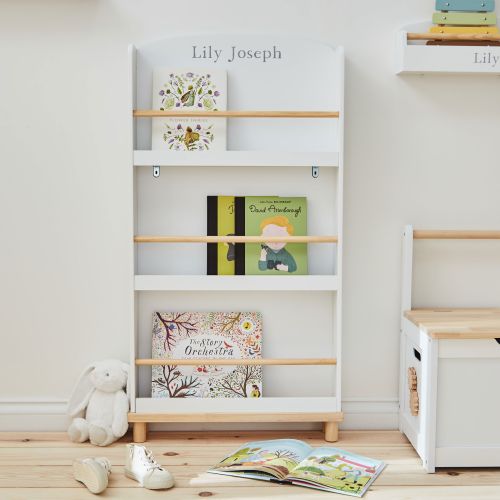
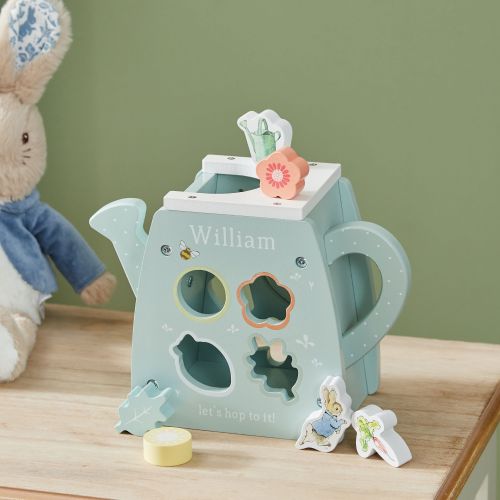
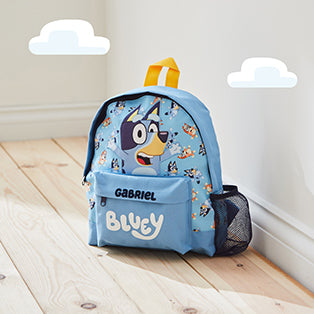

Objects can become personal anchors, carrying moments, relationships, and milestones long after the moment has passed. But choosing which items to keep, how to personalise them, and how to preserve their meaning can feel overwhelming.
This guide explores three kinds of personalised keepsakes that reflect your family’s story, practical ways to add lasting meaning, and straightforward tips for caring for, displaying, and passing them on. Thoughtful selection and a few deliberate touches can help everyday items become treasured family heirlooms.

1. Choose keepsakes that tell your family’s story
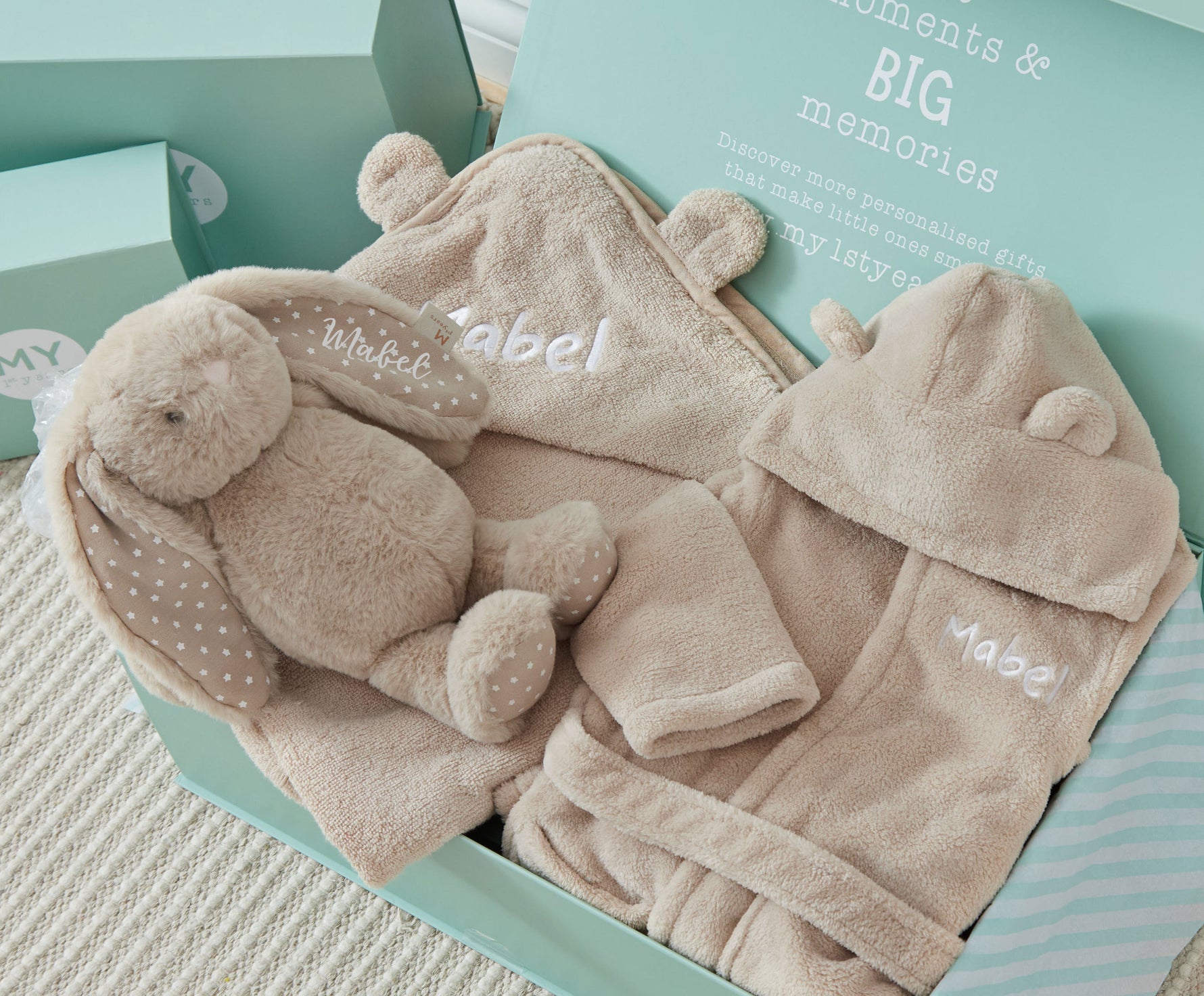
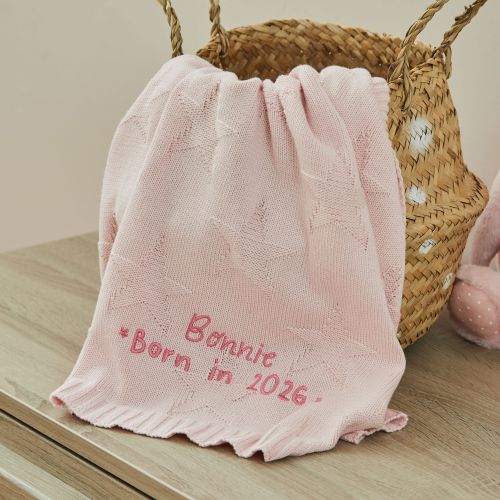
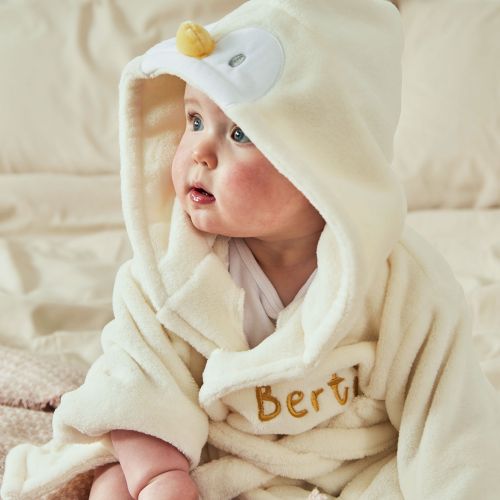
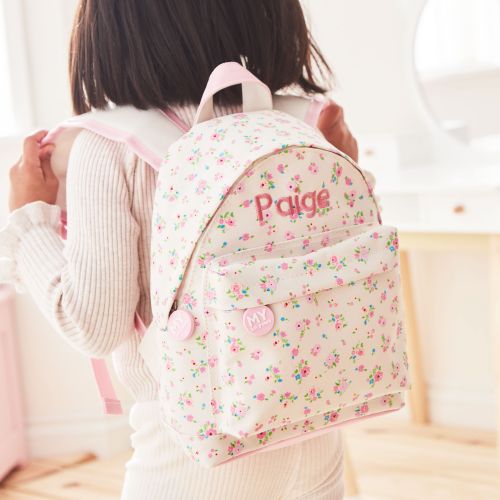
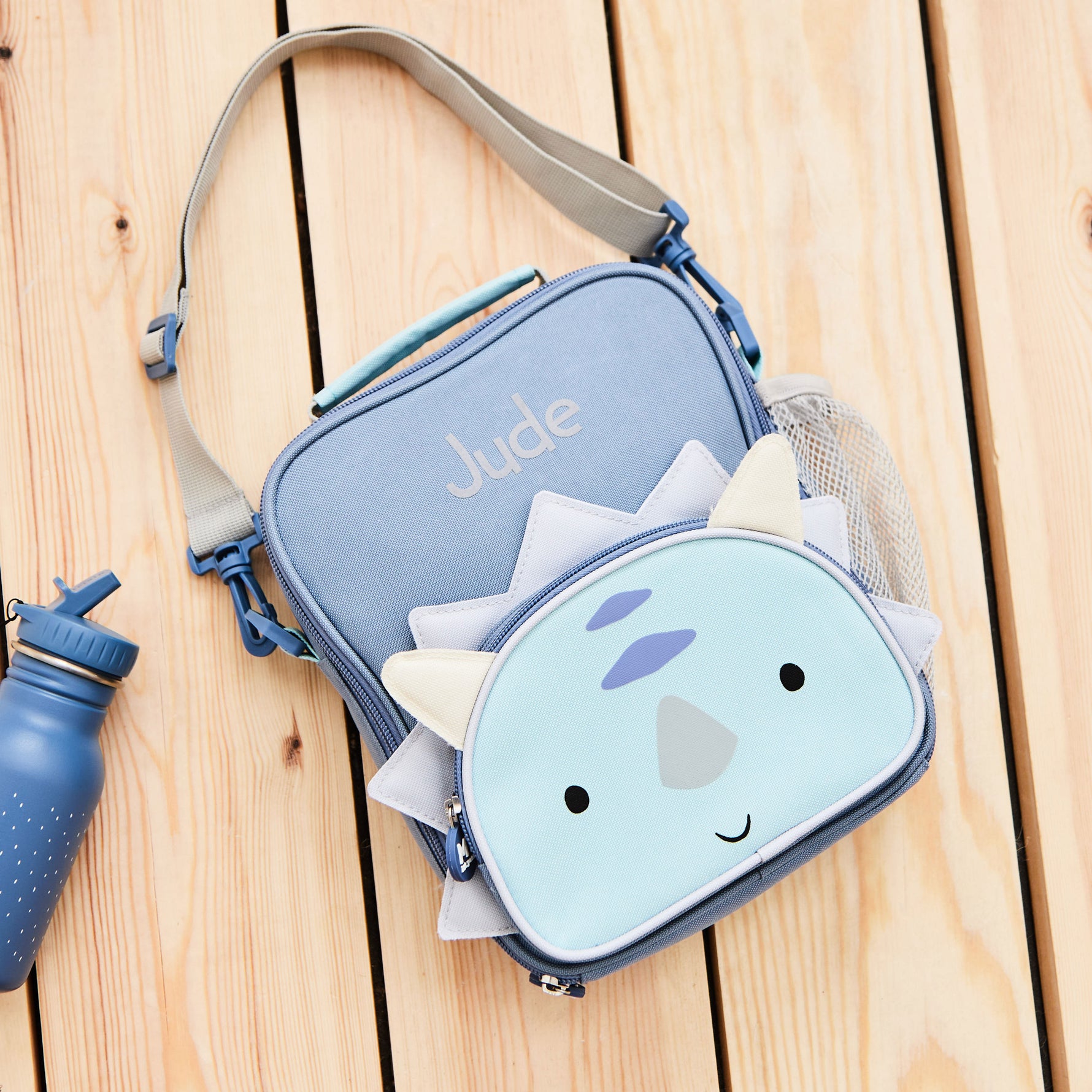
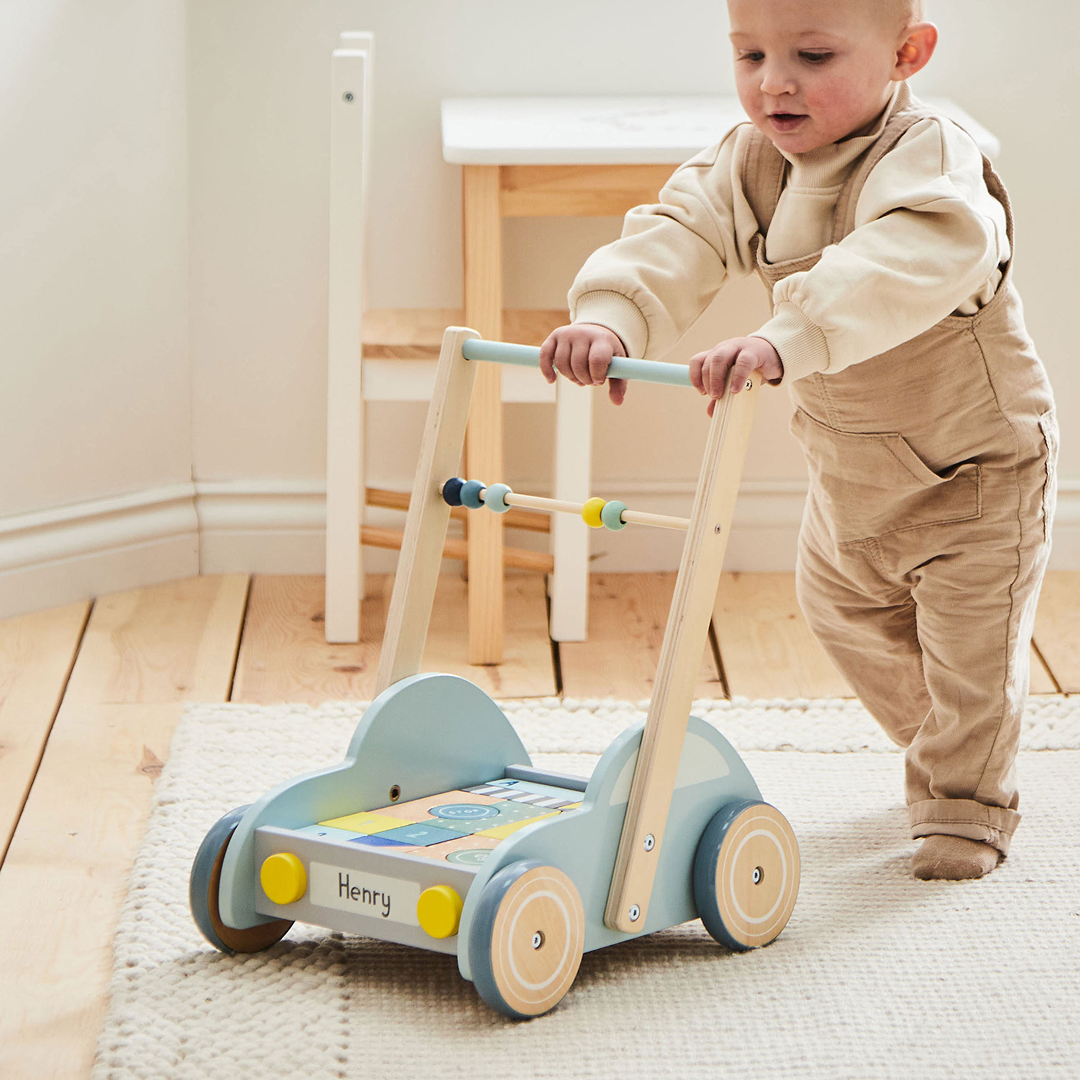
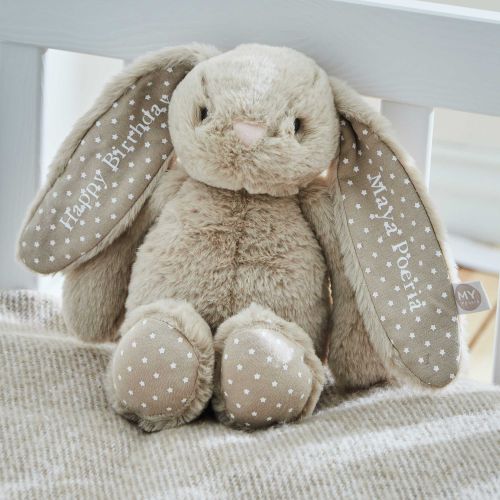
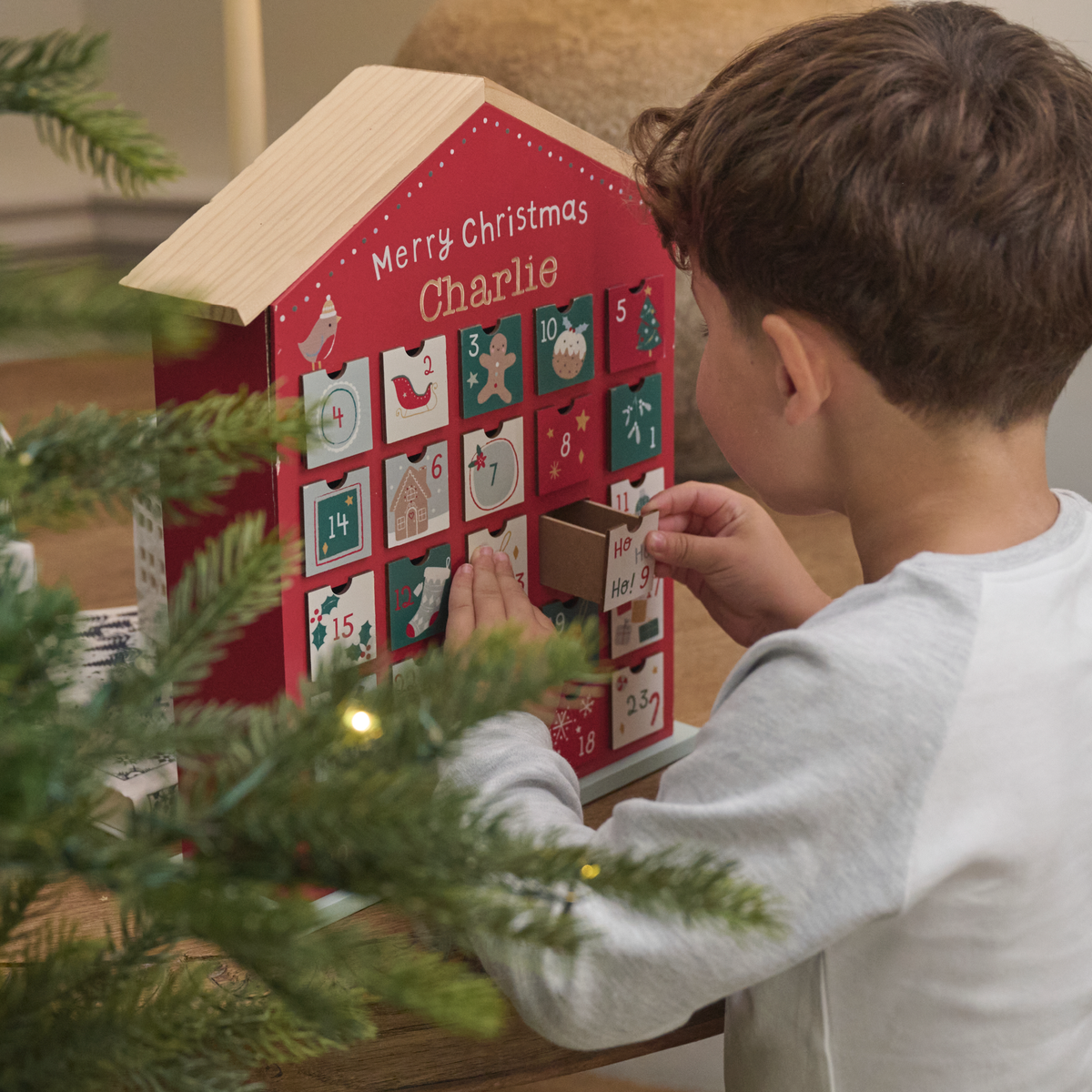
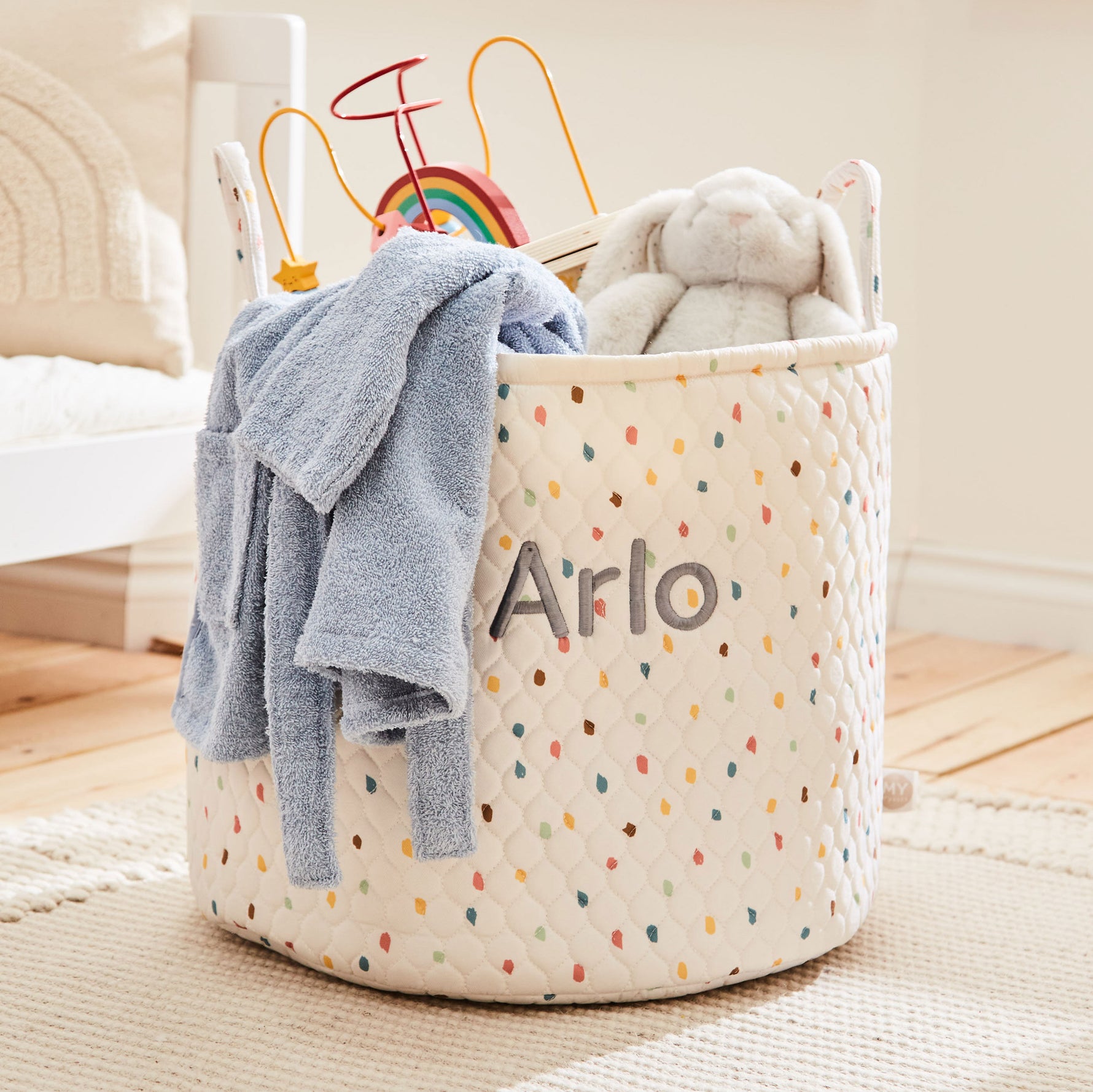
Choose keepsakes that reflect the roles and moments you want to remember. Favour items tied to identity or routine, such as wearable pieces, textiles, photographs, or short voice recordings that resurface in everyday life. Add personalised markers—handwriting, fingerprints, voice clips, or location coordinates—to anchor each item in your family story; a recorded lullaby, an engraved initial, or a tiny fingerprint can make an object unmistakably yours. Create durable digital masters by scanning or recording originals at high resolution, then back them up in at least two places, for example a cloud service and an external hard drive. Finally, match materials to how an item will be handled and stored: choose metals for pieces that will be worn, archival papers for flat keepsakes, and sealed or treated fabrics for items that will see daily use, and consider protective display or storage like frames, acid-free sleeves, or boxes with moisture control.
Add short explanatory notes and provenance details to a keepsake so future viewers can understand who made it, when, and why it mattered. Leave room for additions over time; photograph captions, handwritten notes, small tags, or a receipt can extend the story and make provenance clearer. Decide whether you want regular interaction or long-term preservation. If you want recurring reminders, choose items meant for frequent handling, such as soft toys, readable scrapbooks, or wearable mementos. If longevity matters more, use protective housing, archival boxes, acid-free tissue, and digitisation to reduce wear. Accessibility increases how often a memory is reactivated, while appropriate protection improves an item's chance of surviving for descendants. Practical steps you can take right away: write dates and short stories on the back of photographs, attach brief provenance notes to garments, and create high-resolution scans or photos with a simple log of names, dates, and occasions.

2. Personalise details to create keepsakes with lasting meaning
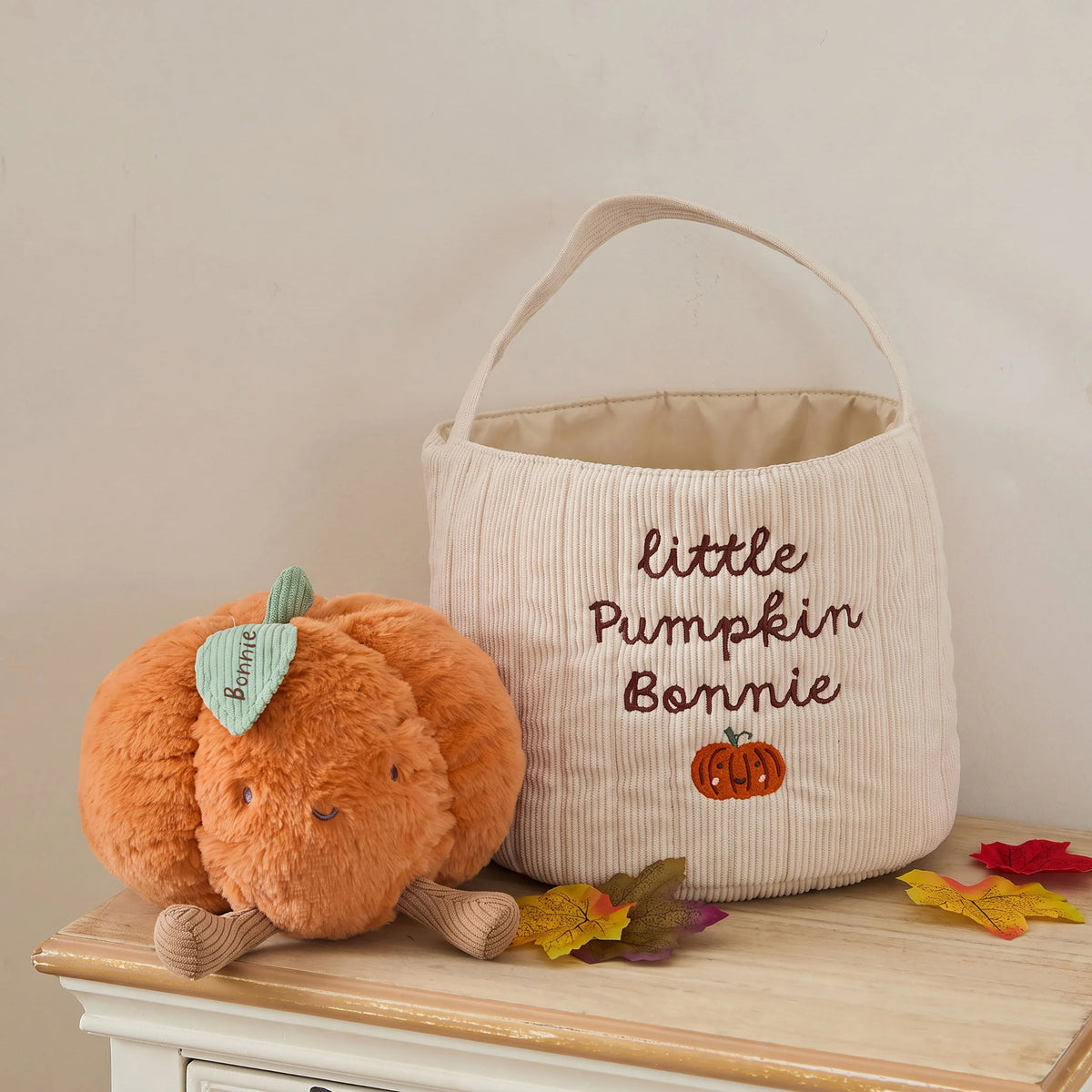
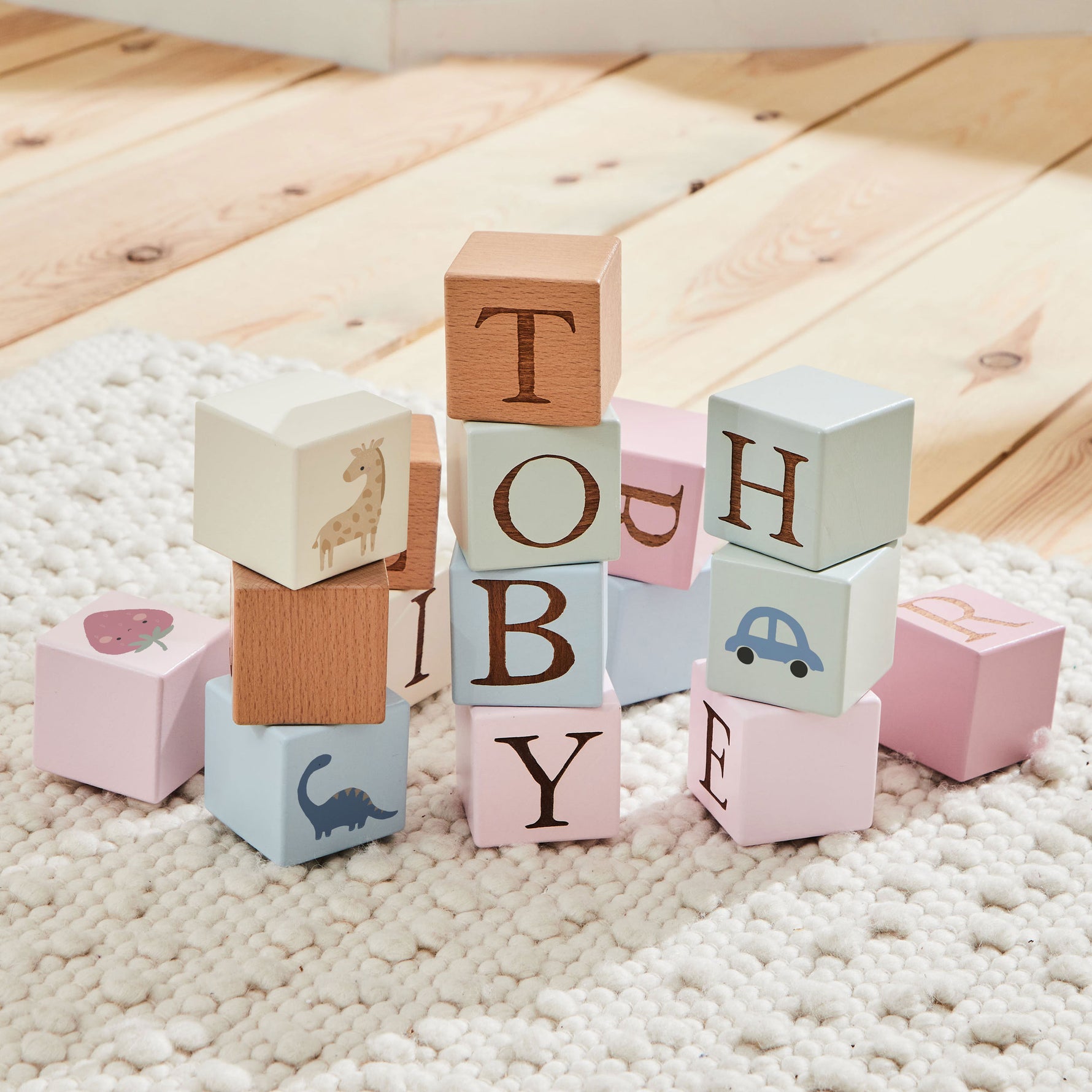
When you personalise an inscription, choose specific, evocative details: a full name, a family nickname, precise coordinates of a meaningful place, a short phrase, or a snippet of handwriting. Check that the lettering remains legible at the finished size so the memory stays recognisable. Match the material and finish to the character of the memory. Warm woods suit home-centred moments, brushed metals withstand everyday wear, and glass or high-gloss surfaces work best for display pieces. Think about texture, weight, and how patina will develop. Items that soften and warm with touch often invite handling, while very lightweight or highly reflective pieces are more likely to stay on a shelf.
Give a keepsake its story. Tuck in a short handwritten note, a sealed letter, or a digital link to photos or a voice message so future recipients understand why the object mattered. Choose pieces that invite interaction: jewellery meant to be layered, a small token that lives on a desk, or an item saved for deliberate unwrapping. Each handling and ritual helps the object gather meaning. Plan for future additions by adding extra engraving lines, choosing a locket that can hold another photograph, or selecting modular designs that accept new elements. When a keepsake carries context and a simple plan for growth, its significance is easier to pass down.

3. Caring for, displaying, and passing on treasured keepsakes
Match your care to the material. For textiles, such as blankets or special outfits, wrap them in acid-free tissue and store them flat where you can to avoid creasing and stress on seams. Keep paper items in acid-free folders to prevent acid migration and discolouration. After cleaning, dry metal keepsakes thoroughly, because lingering moisture accelerates corrosion. Control exposure to ultraviolet light and excess humidity, as both speed fibre breakdown and encourage mould or metal damage. When you display items, reduce risk by using ultraviolet-filtering glass or acrylic, rotating pieces out of view to limit cumulative light exposure, and supporting heavy items to prevent strain and distortion. Check and adjust storage and display conditions regularly to help extend an object's lifespan.
Alongside material care, create a provenance file: photograph each item from several angles, transcribe any inscriptions verbatim, and record where and how you acquired it. Keep both digital backups and a printed copy so the context travels with the object; for example, store copies in the cloud and with your household paperwork. Decide who should inherit or receive items, and write clear instructions in your will or a separate keepsake letter; labelling storage boxes makes handover straightforward, and consider gifting meaningful pieces while you can explain their story in person. Photograph an item before any repair, avoid household glues or tape on fragile antiques because these can cause permanent damage, and consult a professional conservator or restorer for valuable or structurally compromised pieces so reversible, tested methods preserve the object's integrity.
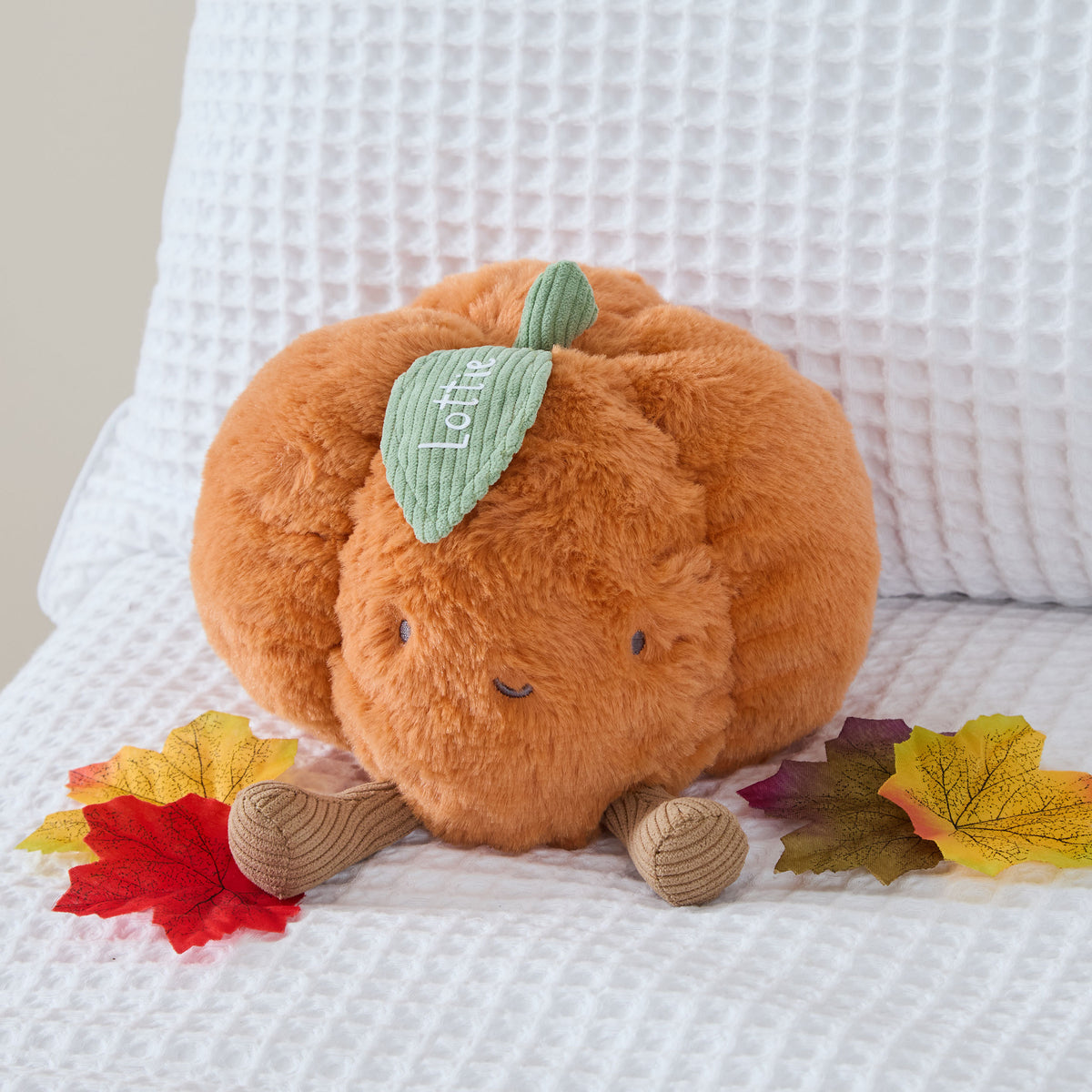
Personalised keepsakes anchor moments and relationships when thoughtful materials meet distinctive markers and careful handling. Choose objects that fit daily life, for example a soft blanket embroidered with a name, a wooden tag stamped with a date, or a favourite bib, and add context such as a parent’s handwriting, a short voice clip, or location coordinates. Make durable digital masters, for instance high-resolution scans and audio backups, so ordinary items become lasting carriers of memory.
To ensure those efforts endure, match the care you give to a keepsake with its material, record its provenance, and decide who will inherit it so the object's story travels with it. Simple, practical steps such as legible inscriptions, acid-free storage, and clear photographic records increase the chance a keepsake remains recognisable, usable, and meaningful to the people who inherit it.


