



10 ways a personalised baby backpack makes packing for travel and days out simpler?
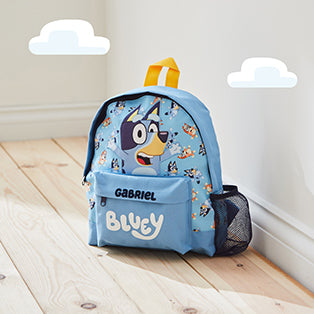
Packing for a day out with a baby often feels chaotic: nappies, bottles, spare clothes, and toys all compete for limited space. A personalised baby backpack can tame that chaos by providing dedicated pockets for nappies and wipes, insulated sections for bottles, and a visible name label to make your bag easy to spot, while padded, adjustable straps keep it comfortable to carry.
Read on for ten practical ways to choose and personalise a pack, from picking the right size and creating dedicated storage zones for nappies, bottles, and toys, to prioritising ergonomic straps, safety features like secure fastenings and reflective panels, and hard-wearing, easy-to-clean fabrics. These tips will help you reach essentials quickly on short trips, choose a versatile travel companion for longer journeys, or pick a keepsake that grows with your child, so you spend less time searching and more time enjoying the outing.

1. Personalise the pack for quicker organisation and easier identification
Attach a clear identity panel and tuck a contact card inside the bag, and fit a personalised name patch or waterproof label on the outside so carers or passers-by can return it quickly. Keep emergency details and allergy notes in the same internal pocket so they are instantly accessible if needed. Pack modular, removable pouches for specific routines — for example, a changing kit, a feeding kit, and a spare-clothes kit — and store them in transparent or colour-coded bags so you can swap them between bags or hand one to a carer. Use a simple icon and colour system for compartments and pouches, for example a blue tab for nappies, a green tab for snacks, and a clothes icon for spares, so someone who is tired or distracted can identify items at a glance without opening every pocket.
Keep a quick-access pocket or detachable clutch for nappies, wipes, a change mat, a contact card, and a small first-aid item so you do not have to rummage through the main compartment. Slip a laminated checklist into a clear pocket and build a simple restock routine after every trip to keep the bag travel-ready and suited to each outing. Add washable labels inside clothing compartments with quantities, sizes, and seasonal notes, which makes swaps or handovers between carers straightforward.
Front pocket and inside label keep contact card accessible.


2. Choose the right size for your usual load
Start by laying out everything you carry for a regular day and for a longer travel day. Pack both sets into the backpack and weigh the loaded bag so you can compare sizes and spot items to remove or consolidate. Leave space for extra nappies, a spare outfit, snacks, and a light layer so the bag copes with unexpected delays or weather changes without becoming overstuffed. Choose a bag that adapts as your child grows — for example, one with removable organisers, external attachment points, or stroller straps so you can add or remove storage instead of replacing the whole bag.
Prioritise organisation over sheer size. Internal compartments, removable pouches, and dedicated pockets for bottles, wipes, and keys help you use space more efficiently, so a smaller backpack can often work as well as a larger one. Pack the bag as you would for a typical outing and wear it on a short walk along a route you usually take. Notice strap fit, how the weight sits across your shoulders and back, and whether the pack shifts or tugs. If it causes strain, try a different size or tweak the padding and straps until the load feels balanced and comfortable. These simple, practical checks help you choose a bag that marries versatility, comfort, and efficient organisation, rather than relying on first impressions.
Adapts as your child grows — multiple pockets, adjustable straps.


3. Create smart storage zones for quick, everyday access
Pack the nappy kit in a top or external pocket of a personalised baby backpack so you can reach nappies, wipes, and a compact changing mat without unloading the bag. This arrangement shortens change times and reduces stress. Use a wipes-only pocket with a top opening and keep it topped up so the next wipe sits at the opening; that way you can retrieve one wipe with one hand while you support the baby, making on-the-go changes neater. Reserve an insulated bottle compartment or pouch in a side pocket, and test it before you head out by putting a warm feed inside to see how long it holds temperature for a typical outing.
Put soiled clothes in a waterproof, sealable pouch at the base of your changing bag. Keeping damp or dirty items at the bottom protects dry supplies, concentrates odour away from feeding items, and helps the bag stand upright. Use clear or colour-coded zip pouches for medicines, toys, and spare socks, label each one, and slide them into assigned zones so you can grab the right pouch quickly. That layout reduces fumbling when your hands are full and speeds decision-making during a busy outing. Together, these simple habits make packing and finding essentials quicker, giving you more time to enjoy the moment with your baby.


4. Choose ergonomic carrying to make outings more comfortable
To keep shoulders and neck comfortable, a well-fitted backpack should sit high and close to the spine, with wide, cushioned shoulder straps that spread the load across muscle rather than bone. Tighten the straps until the pack rests near your upper back; this helps reduce forward lean and neck strain when you walk with a load. Choose a contoured, breathable back panel, and check that any personalised additions, such as name patches or badges, do not block the ventilation channels, because a shaped panel follows the spine and airflow reduces sweat build-up. Walk a short distance carrying a typical load to spot signs of poor fit, then fine-tune the straps and redistribute items until the carry feels balanced and comfortable.
Fasten the hip belt snugly so the pack’s weight shifts from your shoulders to your pelvis, and place heavier items in the lower compartment so your hips carry most of the load. Keep heavy objects close to your back, and balance them left to right. Use internal organisers or compression straps to prevent the contents from swinging, which helps stability on uneven ground. Try the pack with a typical load and take a few steps, checking your posture and noticing any straps digging in, pack swinging, or forward lean. Tweak strap lengths and item placement to achieve a steady, comfortable fit.
Adjustable straps, padded support; personalised additions do not block ventilation.


5. Check safety features and materials on baby products
Check material safety labels and test marks. Look for terms such as BPA-free, phthalate-free, and lead-free, and for evidence of testing from recognised safety bodies — these certifications make it less likely materials will leach toxins if warmed or chewed. Next, inspect straps, buckles and seams: gently pull straps and open fastenings several times to make sure buckles hold and seams remain secure. Examine the stitching so hardware will not fail or create small, detachable parts that could become choking hazards. When choosing a carrier or backpack, prioritise wide, padded straps and a firm back panel or lumbar support to spread the load evenly, and opt for mesh ventilation to help prevent overheating.
A few quick checks will make choosing a personalised baby backpack easier. Wipe the lining and outer fabric with a damp cloth and a mild cleaner to see how the material cleans and how durable the finish is. Easy-clean fabrics reduce bacterial build-up and mean you will need fewer deep cleans with harsh chemicals. Inspect closures and internal pockets, favouring strong zips or flap covers to keep small items secure and cut the risk of accidental spills. Consider reflective panels or high-contrast colour trims to improve visibility in low light, so others can spot you sooner. Together, these checks help you pick a personalised baby backpack that performs safely in everyday use.
Personalised, reflective straps with easy-clean fabrics and secure zips.


6. Make personalised details easy to spot and quick to access
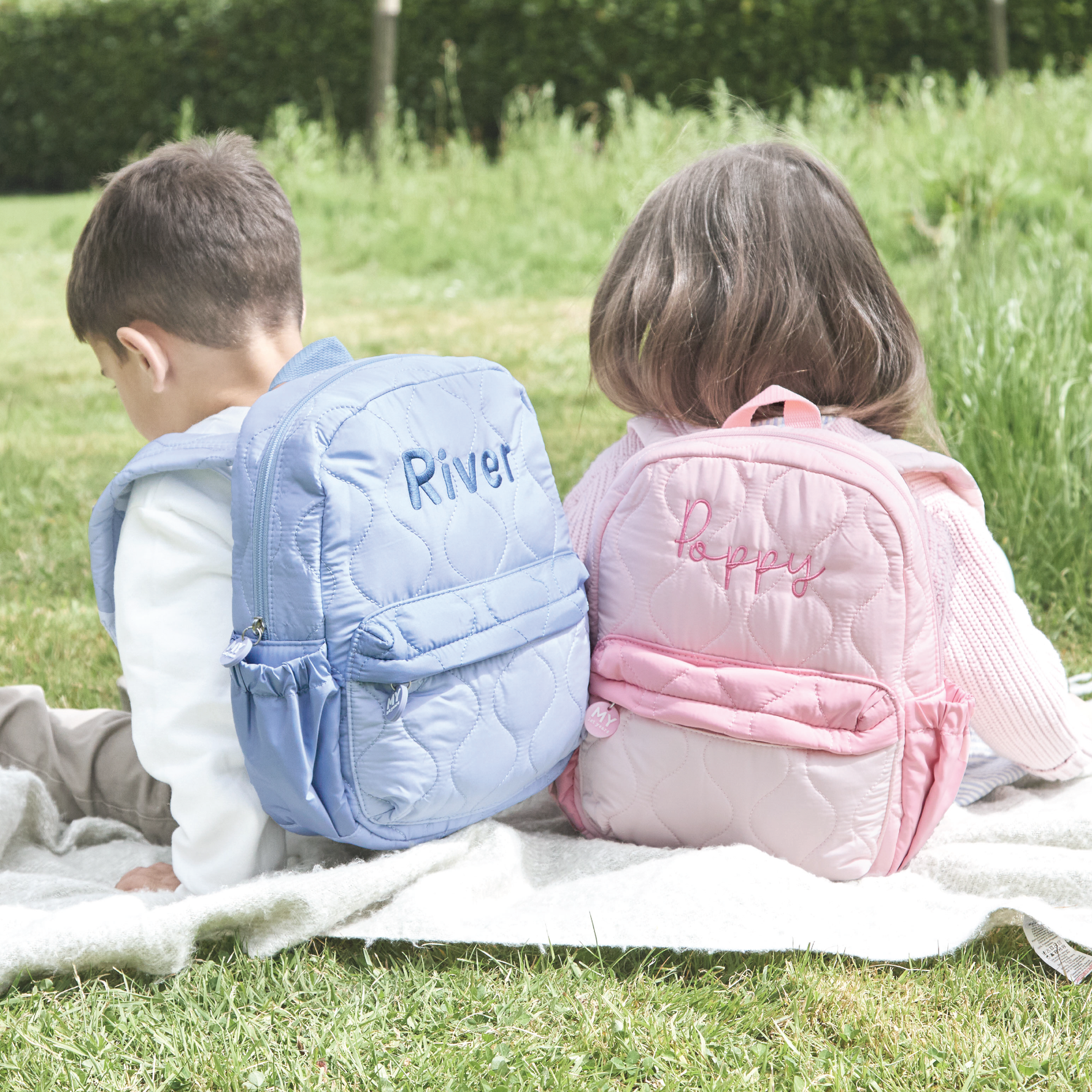
Personalise the top flap and front pocket with high-contrast embroidered name or initials; stitched lettering stands up to washing and stays readable. Pop a detachable ID card into a clear, waterproof sleeve with the child’s name, an emergency contact, and any allergy notes so carers can transfer or remove it without opening the bag. Add reflective strips or a bright colour panel to the outside to make the bag easier to spot in dim light and busy places, so it can be found quickly.
Label the bag's compartments with simple pictogram patches or a coloured tab system to show which pocket holds nappies, bottles, or spare clothes, so parents, childcare staff, and older toddlers can find items without rummaging. Add tactile tags in contrasting textures and colours, such as rubber or leather pulls, to support touch-based recognition and speed up grabbing the right bag or pocket during a busy outing. Together, these visible and tactile cues cut search time, make handovers between carers quicker and safer, and allow carers to spot key information immediately, helping them make quick decisions in crowded settings while keeping allergy and contact details accessible without exposing the bag's contents.
High-contrast initial, clear waterproof ID sleeve, scalloped reflective panel.


7. Make the backpack versatile for travel, days out, and everyday trips
When you are on the move, organising the bag into modular zones with removable pouches lets you reach feeds, nappies, and spare clothes quickly, without emptying the pack. A detachable day pouch strips away bulk for short outings and makes passing through transport hubs faster. Exterior quick-access pockets for travel documents, phone, and tickets, paired with an insulated bottle holder and a visible name or contact card, keep essentials close at hand and easy to identify.
Attach a luggage strap and pushchair clips to secure the backpack to a suitcase handle or keep it within reach on a pushchair; this frees your hands and stops it from sitting on the ground. Choose a water-resistant outer and a wipeable lining, and keep a dedicated wet pouch for soiled or damp items to prevent moisture spreading through the bag. Adjustable chest and waist straps shift the load onto your hips for longer walks, and tuck-away straps compress the pack so it slips neatly into overhead lockers or under seats. These small, practical features make a personalised baby backpack more versatile for travelling, days out, and daily errands, without adding bulk or fuss.
Cube backpack with modular zones, quick access pockets, insulated holder


8. Select durable, easy-clean fabrics and fittings for everyday baby moments
Choose a water-repellent outer fabric, such as polyurethane-coated nylon or polyester, so spills bead on the surface rather than soaking in. Test this by sprinkling a few drops on an inconspicuous area and wiping them away, then follow the care label for cleaning. Opt for removable, machine-washable liners and a detachable changing mat so milk, food, and mud can be laundered quickly, and check that the fastenings hold the liner flat and allow easy replacement if it becomes damaged.
For everyday family use, check construction at stress points, looking for double stitching and bartack reinforcements where straps meet the bag; these strengthen the joins that most commonly fail. Choose a rigid or padded, replaceable base to prevent abrasion from frequent putting the bag down. Pick fittings that resist corrosion and dirt, such as plastic or coated metal buckles and easy-to-operate zip pulls, and favour covered zip channels that wipe clean and reduce the chance of grit jamming the closure. Opt for darker colours, patterned weaves, stain-resistant finishes, and higher-denier or tightly woven fabrics; they hide marks and stand up better to heavy use.
Water‑repellent lining with removable, machine‑washable changing mat.


9. Pack an on-the-go emergency kit for life with a baby
Pack a compact first-aid and medication kit with plasters in several sizes, antiseptic wipes, small sterile gauze, a thermometer, and any prescribed medicines in labelled single-dose containers. Store the kit in a clear resealable pouch so you can confirm the contents quickly and hand items to a carer without rummaging, helping you tend calmly and efficiently. Include a full spare outfit and socks, and a lightweight emergency blanket or waterproof layer; roll garments to save space, and place them in a waterproof compartment so a single spill does not soak the rest of the kit. Use a compact backpack with dedicated pockets to keep essentials organised and within easy reach.
A small, organised kit can make days out with a baby much calmer. Pack sealed water, pre-measured single-serve formula or snack portions, and a small sachet of oral rehydration solution; pre-portioning reduces handling, speeds feeding, and lowers the risk of contamination. For hygiene and nappy changes, include a compact changing mat, biodegradable nappy sacks, multipurpose baby wipes, and a small hand sanitiser. Keep used items in a separate wet bag to contain odours and make disposal straightforward. Tuck a laminated card with emergency contacts, allergies, and current medications into an easy-to-reach pocket. Finally, add a compact torch and a fully charged power bank with its cable, and check the power bank's charge before you head out so a carer can communicate quickly if needed.
Keep essentials organised in a compact backpack with dedicated pockets


10. Personalise items so they become cherished keepsakes for years
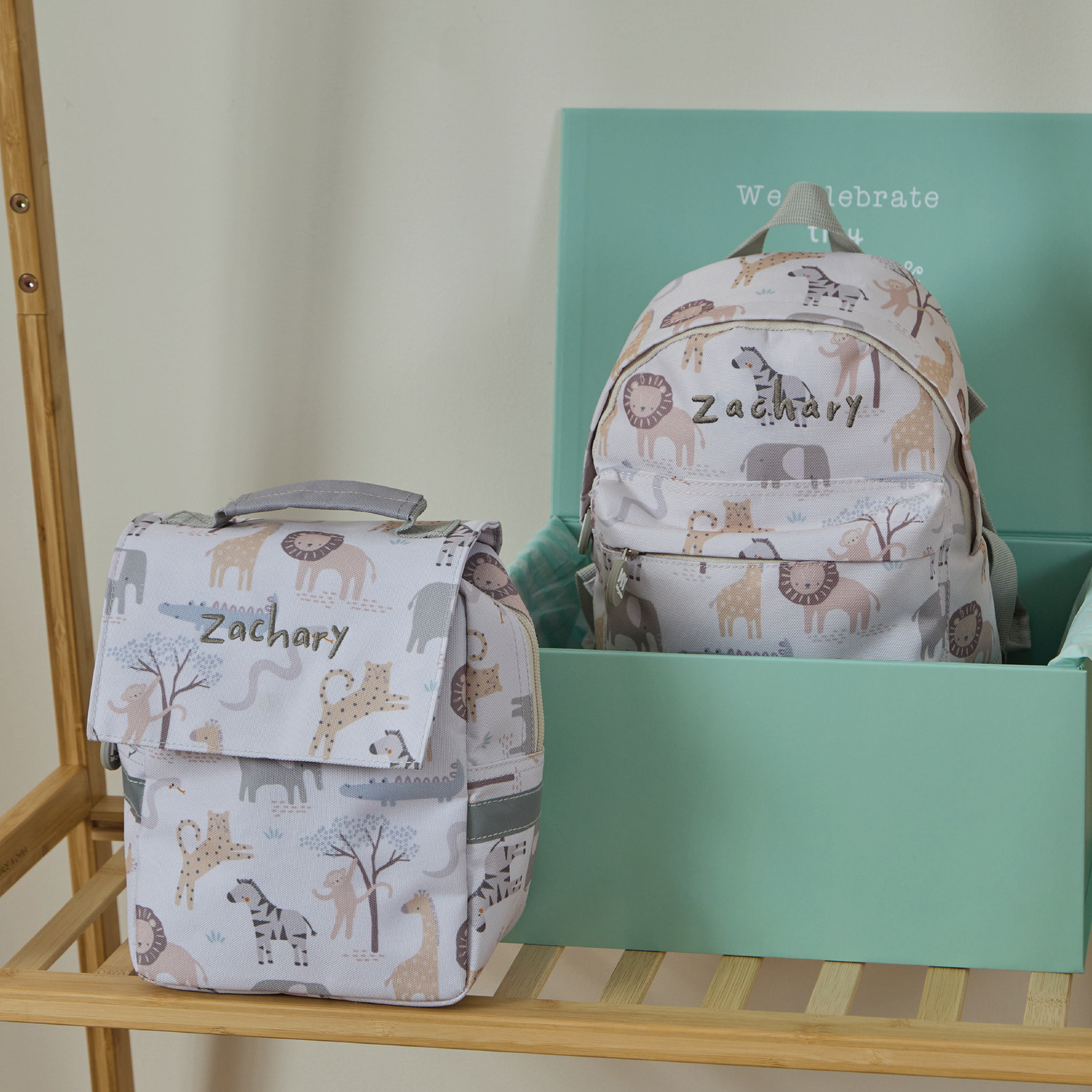
Opt for personalised details that last, such as embroidery or a metal nameplate, rather than printed transfers. Stitched names and metal fittings withstand frequent washing and handling and stay legible for years. Choose a classic colour palette and a simple silhouette so the bag remains useful as your child grows; neutral shades and timeless shapes help it avoid looking dated, increasing the chance it will be reused or passed on. Add a dedicated memory pocket or a clear sleeve for small keepsakes, such as a first hospital bracelet, a tiny photo, or milestone cards, keeping those items protected and connected to the bag.
Prioritise durability and easy care by choosing a reinforced base, strong seams, and replaceable fastenings so repairs can extend the bag's life. Include clear care instructions, such as spot washing and air drying, to protect personalised embroidery, printing, or other details. Plan for a second life and visible provenance by attaching a removable tag with birth details or a short note, photographing the bag with the child to record its original owner, and considering how it could be repurposed as a preschool pack, travel organiser, or family keepsake. These small choices keep the personalised elements intact while stretching the bag's usefulness and sentimental value.
A personalised baby backpack turns last-minute packing into a calmer, organised routine, keeping nappies, feeds, and spare clothes where you can reach them. Modular pouches, labelled zones, insulated bottle pockets, and hard-wearing, easy-clean fabrics make items easy to find at a glance, simplify handovers between carers, and reduce contamination risk by keeping soiled items separate from clean ones.
Use this checklist to choose the right size, test how the bag feels with a typical load, and check safety features so outings feel steadier and less tiring. Apply the storage, visibility, and emergency tips from the headings to reduce stress on the move, prolong the bag’s usefulness, and keep precious memories close as your child grows.
Share


