




5 Pocket and Compartment Configurations for Carrying Nappies, Spare Clothes, and Snacks
Ever reached into your changing bag and felt that small moment of panic as nappies, spare clothes, and snacks tumble out? A messy bag can mean last-minute outfit changes, missed snacks, and rushed clean-ups when you are out and about.
This guide walks you through assessing the essentials, allocating dedicated pockets, designing efficient layouts, choosing durable materials and secure closures, and setting simple packing routines. Try five pocket-and-compartment setups to cut down on searching, speed up nappy changes, and keep outings calmer.

1. Assess which nursery items and day-out essentials you really need
Begin with a simple checklist: nappies, wipes, a compact changing mat, a waterproof bag for soiled items, one complete spare outfit per child, including layers and socks, snack containers, cutlery, and a small first-aid kit. Adjust quantities and sizes for your child’s age, feeding method, and activity level — for example, older toddlers will need fewer nappies and smaller snacks, while outdoor days call for bulkier layers. Use a pocket-by-pocket system to cut down on rummaging. Store wipes and an emergency nappy in a quick-access pocket, slip the changing mat into a flat internal sleeve, put fresh nappies and bulkier items in the main compartment, and keep snacks in a sealed internal pouch. When everything has a dedicated spot, changes and snacks happen faster and with less stress.
A few simple packing habits will keep your changing bag fresh and make life easier when away from home. - Use resealable pouches and washable waterproof bags to isolate wet or soiled items. They reduce odour and make it simple to remove mess without emptying the whole bag. - Keep used nappies in a dedicated disposable bag so any leaks stay contained, rather than spreading through the rest of your things. - Pack snacks in small, sealed containers and keep drinks upright in an insulated sleeve to prevent spills and keep food fresh. - Store hand wipes and a spare bib with the snacks, separate from nappies, to avoid contaminating food. - Put emergency and comfort items in a named pocket for quick access. Include a laminated emergency contact and medical notes card, a labelled medicine container with dosing instructions, and a favourite comfort item for your child. - A small, multi-use muslin or towel is useful for both spills and comfort. - Use compact folding or rolling techniques to save space and preserve bag capacity while keeping leak-prone items contained. These small steps help you stay organised and ready for whatever the day brings, without wasting time rummaging around the bag.


2. Reserve pockets for nappies, spare clothes, and snacks
Keep nappies in the largest leakproof pocket closest to the bag opening. That keeps them dry, contains odour, and cuts down on rummaging when a quick change is needed. Reserve a clean, dry pocket for spare clothes, and layer a top and bottom inside a thin compressible pouch so you can pull a complete outfit without unpacking the whole bag. Store wipes, nappy sacks, and a compact changing mat in a separate quick-access pocket so you can change your child one-handed.
Store snacks in a sealed, crush-resistant pocket, separate from nappies and clothes. Use resealable, transparent containers or bags that remain visible and are easy for a child to open; this limits crumbs and reduces spoilage. Carry a small reusable wet bag for used items, and tuck an emergency outfit at the bottom so soiled items stay contained and you always have a clean backup. After outings, routinely check and rotate contents to replace used or spoiled items, keeping your bag ready for the next trip. Assign clear zones for snacks, nappies, and laundry to reduce cross-contamination and keep nappy changes predictable, turning a chaotic search into a quick, single-handed routine.
Keep snacks sealed, visible and separate in an easy-grab pouch


3. Create efficient pocket and compartment layouts for better organisation
Pack your changing bag for calm, not chaos. Put nappies in a wipe-clean main pocket and keep a removable wet bag for soiled items, confining leaks and odours to a single washable area and making post-trip clean-up quicker. Reserve a quick-access front pocket for a resealable pouch of wipes, a foldable changing mat, and a small tube of barrier cream so urgent changes take seconds rather than searches. Inside the bag, use mesh or elasticated compartments to hold complete spare outfits rather than loose items; ready-made outfit packs make swaps faster and let you see contents at a glance.
Pack snacks in a zip-fastened, insulated compartment or in airtight containers tucked into a side pocket. That keeps them from being crushed or warming up, prevents crumbs from tumbling onto clean items, and limits spills. Put heavier things, like several nappies and food containers, near the bag’s centre and close to your back, and reserve external pockets for lighter essentials. This balanced layout steadies the bag, reduces shoulder strain, and stops contents shifting when you open it.
Zip snacks in a compartment to prevent crushing and crumbs.


4. Choose durable materials, secure fastenings, and easy-care fabrics
Choose abrasion-resistant fabrics with a tight weave and a wipeable inner lining, such as PU-coated polyester or heavy canvas. Try rubbing a swatch and splashing a little water: if droplets bead on the surface, the coating will resist spills; if water soaks in, it will not. Check construction where stress concentrates for signs of durability: double stitching, bar tacks where straps join, a reinforced base, and sealed or welded seams in wet pockets. These features spread load and reduce the risk of tearing, because weak stitching and unfinished seams are common failure points. Give straps a firm tug and press seams to check for movement, and examine trims and finishes to make sure they do not peel or fray under strain.
Prioritise secure, practical closures to avoid leaks and make everyday use easier. Choose full-length zips with fabric gussets to limit seepage, flap-over snaps for quick access, or elasticated top openings that stretch for nappies. Check zips run smoothly, operate one-handed, and sit fully even in low light to prevent trapped fabric or crumbs. Design pockets so you can clean them quickly. Opt for removable, machine-washable liners or inner bags, wipeable linings, and quick-drying fabrics. When washing, take liners out, open all closures, and reshape items before drying to protect waterproof coatings and seams. Manage hygiene and odour with a dedicated waterproof, washable pouch for soiled nappies, plus a ventilated pocket or replaceable charcoal sachet for airflow. Favour venting or removable liners rather than permanent chemical treatments, which can wash away and lose effectiveness.
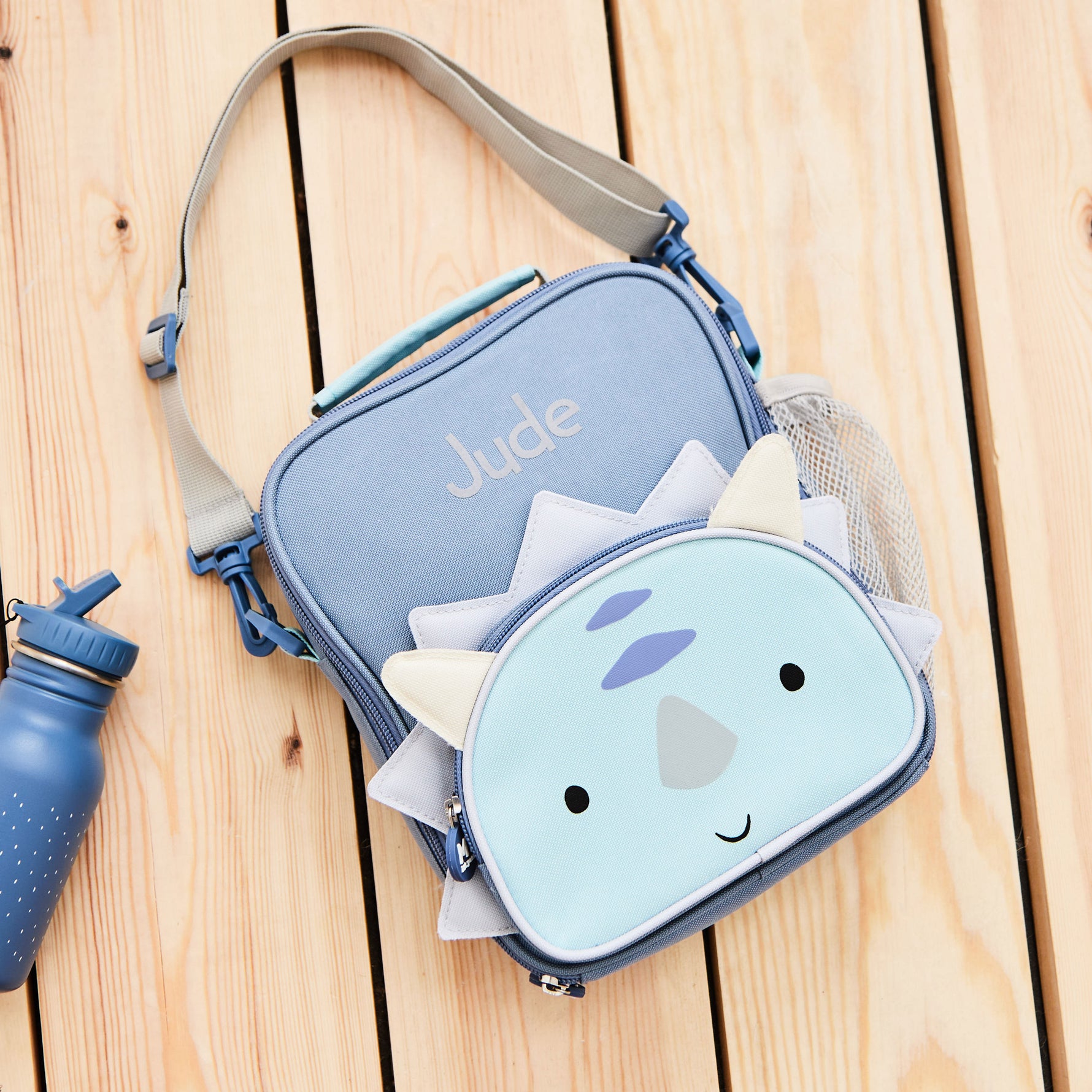
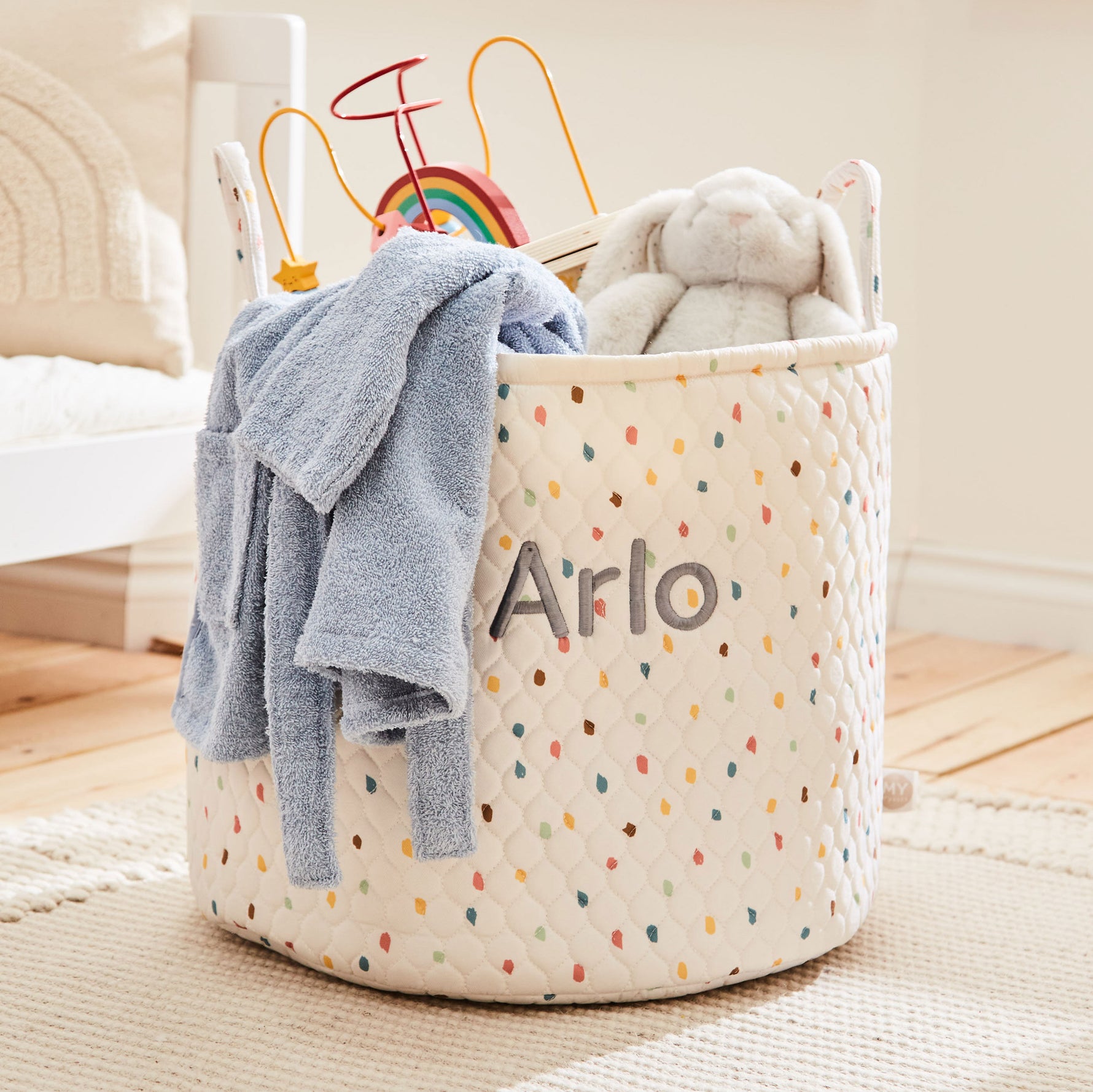
Personalised caddy: wipeable lining, reinforced straps, removable liners.


5. Set easy packing routines and checklists to keep outings stress-free
Make simple, outing-specific checklists for quick trips, outdoor play and full days. Keep a laminated card in your bag and a digital copy on your phone so you can tick items as you pack, even when you are in a hurry. Give each pocket a job. For example, one pocket for nappies and changing supplies, another for spare clothes and a waterproof pouch, a front pocket for wipes and other quick-grab items, and an insulated section for snacks. Keeping things in the same place builds muscle memory and speeds up packing. Pre-pack resealable kits for nappy changes and for snacks. Each nappy-change kit could include nappies, nappy sacks, wipes, a compact changing mat, and a small emergency contact card. A snack kit might hold sealed portions, utensils, and whatever your child prefers. Swapping whole kits between bags reduces the chance of forgetting something and makes last-minute changes far less stressful.
Before you head out, run a short exit checklist to confirm you have nappies, a spare outfit in a waterproof pouch, sealed, easy-to-reach snacks, wipes in a quick-grab pocket, and your phone with emergency contacts saved. Make the checklist visual or tactile, so you can complete it quickly without hunting through your bag. After every outing, restock and rotate. Empty used items, launder or replace soiled clothes, and replenish consumables such as nappies, wipes, and snacks. Keep duplicate basics at home, in the car, or with regular caregivers, and review kit contents as your child grows so clothing sizes, portion sizes, and allergy-safe snacks remain appropriate.
Use a pocket-by-pocket system, durable wipe-clean fabrics, and sealed pouches to turn a jumbled changing bag into a predictable, hygienic kit. Putting nappies, spare clothes, and snacks in distinct, visible compartments speeds up single-handed changes, reduces odour transfer, and lets you grab a snack without emptying the bag.
Work through the five layouts, pre-pack interchangeable change and snack modules, and keep a laminated or digital checklist so you can restock quickly and avoid forgetting items. Assign each pocket a specific job, use secure closures, and choose washable liners. These simple habits reduce time spent searching through pockets, lower the risk of cross-contamination, and make post-trip cleaning easier, so outings run more smoothly and packing between outings takes less time.
Share


