



How to Choose a Personalised School Bag to Boost First-Day Confidence
Small details can turn a school morning into a struggle. A bag that rubs your child’s shoulders, sags under the weight of books, or buries the lunchbox and pencil case makes everything feel harder. Choosing a personalised school bag that suits your child’s size, habits, and routine can remove those niggles and help them arrive feeling capable and noticed.
This post explains how to choose a school bag that matches your child’s school rules and daily needs, supports growing backs with ergonomic features, and is made from durable, safe materials. It shows how simple personalisation makes a bag easy to recognise, and how organised pockets keep essentials to hand. Use the practical checks that follow to reduce back strain, prevent lost items disrupting the day, and give your child a quiet boost of confidence at the school gate.

Choosing the right school bag for your child’s needs and school rules
Do a quick, realistic packing test so the bag performs as well as it looks. 1. Make a realistic checklist of what your child will carry each day — for example, water bottle, lunch, pencil case, reading book, planner, the day’s textbooks, and any PE kit or spare clothes on relevant days. Packing the actual items gives a truer sense of space than guessing. 2. Pack the bag exactly as your child would, fasten it, and lift or sling it on. Watch how items sit and move. If things shift, overhang, or press on a zip, they will wear faster or catch when pulled from a locker, so note where an extra pocket or better organisation is needed. 3. Measure the largest textbook, exercise book, and folder, and compare those dimensions with the bag’s main compartment (height, width, and depth). Also check that the filled bag will fit into the child’s locker or under their desk to avoid daily squeezing or bending. 4. Check the school’s rules on colours, logos, and visible personalisation before you personalise anything. Choose compliant options such as labelled linings, removable name tags, or discreet stitched initials so identity stays clear without breaking the rules. A short rehearsal like this often reveals simple changes — a different pocket, a slimmer lunchbox, or a subtle name label — that make the bag easier to use every school day.
Try the bag on your child before you buy. Adjust the shoulder straps and any chest or waist straps, then load the bag with what they would normally carry and take a short walk. Watch how the bag sits against the back, whether straps slip, and whether any areas press or rub against the shoulders or hips. Red marks, the bag pulling to one side, or the child leaning forward are signs the fit or support needs changing. Inspect materials and hardware while you have the bag in hand. Open and close every zip, check seams by gently tugging, and look for water-resistant fabric or a supplied rain cover. Tip a filled bottle into the side pocket and move the bag to see if pockets and external compartments stay secure under motion. Prefer linings you can wipe clean and a replaceable name label to keep it usable as needs change. Base your choice on what you see and feel during these simple checks: comfortable straps and even load distribution show good fit, reliable zips and seams indicate durability, and practical pockets and easy-care linings suggest the bag will live up to everyday family life.
Try it on, pack fully; check straps, pockets, personalised label


How to ensure the right fit and ergonomic support
Measure your child's torso from the base of the neck to the top of the hips, then adjust the back panel so it sits between the shoulder blades and the top of the hips. Test the position both empty and with a typical load while your child wears the bag and walks a few steps to make sure it stays steady. Weigh the packed bag and compare it with your child's body weight, aiming for roughly 10 to 15 percent; if it’s heavier, remove or redistribute items. Place heavier things, such as books and a lunch box, in the compartment closest to the back, and use internal pockets to centre weight and stop items shifting while walking or climbing stairs. Keeping the load close to the spine reduces forward pull and helps the bag feel more comfortable and balanced.
Try this quick fit check to keep a child’s bag comfortable and safe: 1. Use both shoulder straps, fasten the sternum strap, and, if present, secure the hip belt so the pack’s weight transfers to the pelvis. 2. Choose wide, padded, S-shaped straps, and a breathable, contoured back panel to spread pressure and reduce rubbing. 3. Ask the child to walk, climb, bend, and reach while wearing a typical load, watching for pressure points, tilting, or bouncing. 4. If you notice rubbing or instability, adjust the straps or reposition the contents. 5. Pick bags with adjustable features to accommodate growth, and repeat these checks until the bag feels stable and comfortable.
Use this bag's adjustable straps; keep load close to spine.


Choose durable, safety-tested materials for precious baby keepsakes
Because personalised school bags often become treasured keepsakes, choose durable, safety-tested materials that will last. When choosing fabrics, favour high-denier nylon, tightly woven polyester, or PU-coated textiles, as these resist abrasion and shed water more effectively. In store, press and rub the surface to check for a tight weave, and turn the item over to inspect the reverse for a consistent coating; both are quick indicators of durability and water resistance. Examine the construction: look for double stitching, bar-tacks at strap ends, boxed bases, and reinforced strap attachments, and tug on straps while checking stitch density to reveal weak points that could split under load. For safety, choose items with retroreflective panels that return light to drivers, avoid long drawstrings that can catch, and prefer low-profile zips with well-sewn sliders to reduce snagging and accidental openings.
Comfort features protect the bag as much as they protect the wearer. Padded, contoured shoulder straps, a ventilated back panel, and sternum or hip straps all spread weight and reduce friction where fabric wears fastest. When trying a bag on, tighten the straps and inspect attachment points, because movement under load concentrates stress at connections; look for reinforced stitching or rivets. For personalisation, favour embroidery or woven name labels over heat transfers, and secure them to a reinforced panel to avoid tearing. Where possible, choose fabrics or removable liners that tolerate regular cleaning so colour and coatings remain intact. Combining these tactile checks will help you pick a personalised bag that keeps looking good while standing up to school life.
Durability, fit and care checks for a long-lasting personalised bag
- Store durability test checklist: press and rub the fabric, inspect the weave and check the reverse for a consistent PU or coating; a tight weave and uniform coating indicate abrasion and water resistance. Inspect seams for double stitching, bar-tacks at strap ends, a boxed base, and reinforced strap attachments, tug on straps while observing stitch density to reveal weak points, and check zips and sliders for low-profile, well-sewn tracks and any retroreflective panels or long drawstrings that could affect safety.
- Fit and comfort checks that reduce wear: try the bag loaded to simulate school use, fully adjust padded, contoured shoulder straps, sternum and hip straps, and check that a ventilated back panel sits off the spine. Spreading weight and eliminating excess movement at strap anchor points lowers friction where fabric and stitches wear fastest, so observe any shifting or pinching under load.
- Care and durable personalisation choices: choose embroidery or woven name labels stitched to a reinforced panel rather than heat transfers, and pick fabrics or removable liners that tolerate regular cleaning. Clean nylon and polyester with warm water and mild detergent, spot-clean PU coatings gently, avoid high heat and harsh solvents, reapply a suitable waterproofing treatment if water beading decreases, and store the bag empty or lightly filled to keep its shape.

How personalised items help babies recognise their name and build confidence
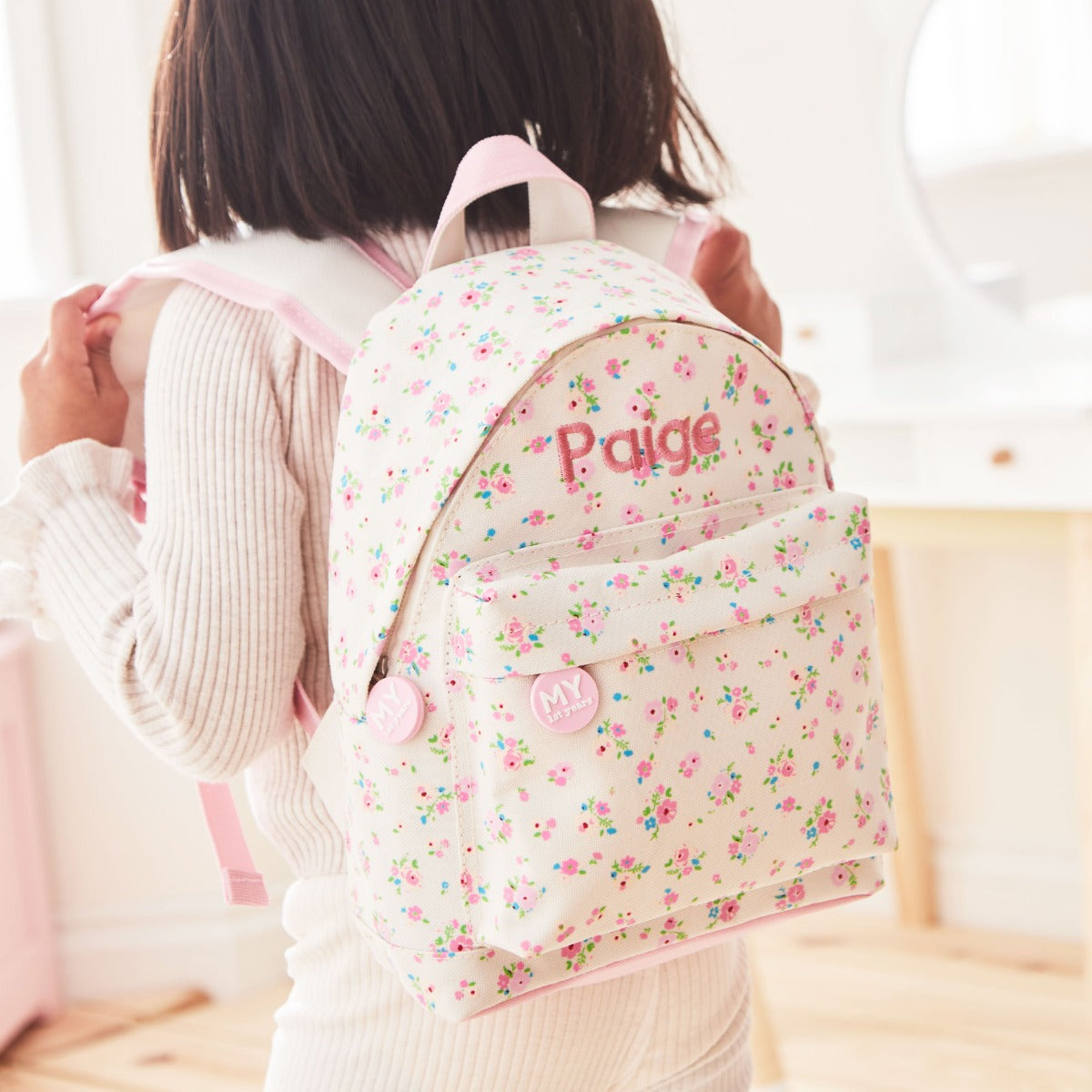
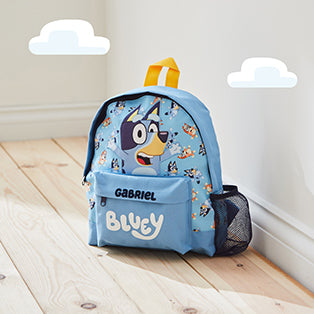
Beyond materials and construction, personalisation can support very young children's recognition and confidence. Attach a durable, visible name label and a simple icon to the front pocket and shoulder strap, allowing teachers, lost-property staff, and the child to locate the bag quickly. Use sewn-in, heat-pressed, or secure tag methods to ensure the marking survives repeated washes. Involve the child in choosing a colour, motif, or removable badge to give them a sense of ownership and an easy conversation starter. Choose interchangeable patches or badges, allowing the bag to evolve with their tastes. For pre-readers and children with additional needs, add a photo, clear symbol, or tactile patch, and practise using those cues during a mock drop-off at home so the child learns to recognise and use them.
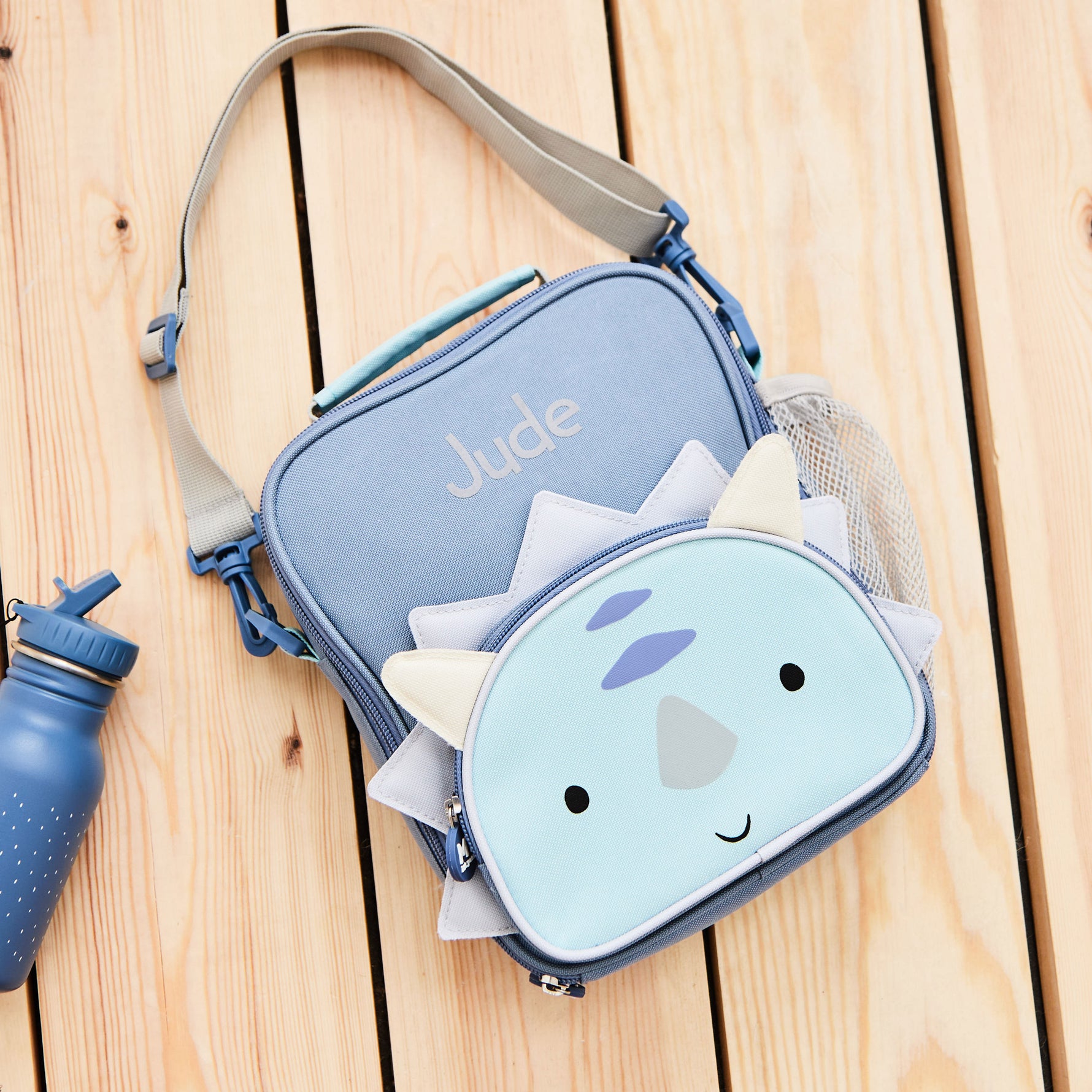
Personalise for function as well as style by adding reflective panels, contrasting zipper pulls, labelled compartments, and an easy-grip handle, making it easier to spot and simpler to use at drop-off, during playtime, and at home. Balance visibility and privacy by placing the child’s name where school staff can see it, while keeping emergency contact details tucked inside a zipped pocket. Show your child how to present their ID or name label when an adult asks, practising until it feels natural. Together, visible identifiers, tactile cues, and practical features reduce confusion at arrival, support a child’s growing independence, and give staff the clear information they need without exposing sensitive details.
Personalise with visible name label and clip-on purse.


Maximise organisation to create everyday comfort and practical calm
Plan the bag with purpose. Include a slim sleeve against the back for books or a tablet, a central main chamber for exercise books and folders, a zipped valuables pocket for phone and wallet, and a separate lined pocket for snacks or damp items. When you pack for stability, put heavy textbooks and the pencil case into the sleeve nearest the back, stand folders upright in the main chamber, seal valuables in the zipped pocket, and tuck snacks low and centrally in the lined pocket. Keep the heaviest items close to the back and centre, and use internal dividers or external straps to compress the load so the weight sits closer to the body and reduces shoulder and back strain. Follow a simple routine: pack the heaviest items first and secure them, add medium-weight supplies, then finish with quick-access items to keep the bag stable and easy for a child to manage.
A few practical details make busy mornings easier. Start with fit: choose adjustable shoulder straps, a padded back panel, and an optional sternum strap; load typical school items, tighten the straps, and check that the bag sits about two centimetres above the waist to distribute weight evenly. Plan pockets with purpose: a front pocket for a pass, keys, and tissues; a side bottle holder set slightly towards the rear so a full bottle does not pull the bag off balance; and a top pocket for a phone or sunglasses that can be reached without removing the bag. Use personalised, labelled pouches or a removable pencil case that clips inside, add a key clip or ID window for quick identification, and pick an easy-clean lining or removable insert to make spot cleaning straightforward.
A well-chosen, personalised school bag that fits your child, supports good posture, and keeps essentials organised can turn morning friction into a calm routine and boost first-day confidence. Check the fit by having your child wear the pack: a correctly sized pack sits on the shoulders and hips to spread weight evenly, reducing strain. Look for robust fabrics, padded straps, and roomy compartments so books and lunch stay where they belong. Add a durable, discreet personalisation, such as an embroidered name or small initial label, so staff can identify and return misplaced items quickly.
Use this checklist when choosing a school bag: match the bag to the school's rules and your child's daily needs; check the straps, back padding, and how the weight will sit to assess ergonomics; choose hard-wearing, water-resistant materials; personalise with a name label or patch so the bag is easy to spot; and plan the internal layout so heavier items sit close to the back and smaller items stay secure. Pack a typical load and have your child walk with it to test comfort and stability, involving them in any adjustments so the final choice delivers comfort, durability, and everyday confidence.
FAQ
What should I check to make sure a bag meets my child's school rules and daily needs?
Make a checklist of everything your child carries, measure the largest textbook and folder against the main compartment, and pack the bag to test fit and internal layout; also confirm the bag will fit in a locker or under a desk. Check school rules on colours, logos, and personalisation, and choose compliant methods such as labelled linings, removable tags, or discreet stitched initials.
How do I ensure the bag fits and supports my child's posture?
Measure the child’s torso and adjust the back panel so it sits between the shoulder blades and the top of the hips, then test the bag both empty and loaded with a typical load. Aim for a loaded weight around 10 to 15 percent of body weight, put heavy items close to the back, and use both shoulder straps plus any sternum or hip strap to spread the load.
What materials and construction details indicate a durable, safe bag?
Choose tightly woven, high-denier nylon or polyester, or PU-coated textiles, and inspect seams for double stitching, bar-tacks at strap ends, a boxed base, and reinforced strap attachments. Check zips and sliders for secure tracks, prefer retroreflective panels for visibility, avoid long drawstrings, and tug straps to reveal weak stitching.
How can I personalise the bag so it is easy to recognise but compliant and private?
Use durable personalisation like embroidery or woven name labels stitched to a reinforced panel, add a visible name or simple icon on the front pocket and shoulder strap, and offer removable badges so the child can change styles. Keep emergency contact details inside a zipped pocket, and add tactile or photo cues for pre-readers or children with additional needs.
What organisation features and packing routine reduce back strain and make the bag easier to use?
Include a slim sleeve against the back for books or a tablet, a central main chamber for folders, a zipped valuables pocket, and a lined pocket for snacks, then pack heavy items first and close to the back. Use internal dividers or external straps to compress the load, position a bottle slightly rearwards, and keep frequently used items in an easy-access pocket.
Share


