



How to Choose a Baby Name That Feels Right and Flows Naturally
Choosing a baby name is one of the few decisions that will travel with a child for life, yet many parents find that the names they love stumble when spoken aloud. Are you looking for a name that sounds beautiful, feels natural in conversation, and reflects something meaningful about your family?
In this guide, we'll show you how to craft a name that sounds lovely, carries meaningful cultural resonance, and balances syllables, surname flow, and nickname potential. Practical tips and short examples will help you build a shortlist of names that roll off the tongue in everyday use and stand up to introductions and nicknames.

Craft a baby name with beautiful sound and natural rhythm
Say each candidate full name aloud several times and listen for whether the rhythm flows or stumbles. In English, a trochaic pattern, with a stressed syllable followed by an unstressed one, often sounds natural in conversation; mismatched stress can make an introduction feel awkward. Try tapping or clapping to mark the stressed syllables, or say the name with different emphases — if one version sounds smooth, it will sit well day to day; if it consistently trips, discard that option.
Speak the name and listen for smooth transitions between first name and surname. Avoid vowel-to-vowel collisions that force a pause, and harsh consonant clusters that make the name slur when spoken quickly. Try the name in three short forms: a diminutive, initials, and the complete form used in everyday phrases such as 'Hello, I’m...' or 'What should go on the label?' Notice which forms feel natural, which sound clipped, and which run on. Compare candidates for alliteration, assonance, and consonance. Keep repeated sounds when they help memory, but reject combinations that become tongue-twisters when said at speed. Finally, group names into soft and strong lists by vowel openness and by whether consonants are voiced or voiceless. Speak each list, note the emotional tone you hear, and match that tone to the character you want the name to suggest.
Try a surname on place settings for effortless clarity

Choose a baby name with meaningful cultural resonance
Research the name's origin and original meaning in reputable etymological sources or language dictionaries, and note how meanings and usages have changed over time. That historical context helps you decide whether the name still reflects the qualities you value. Practise pronouncing the name in different tones and in casual speech: record yourself, try it with your family surname, and listen back for any awkward rhythms or hesitations. Ask native speakers or people who use the name regularly for pronunciation feedback to check its flow and naturalness. Speak with people from the relevant culture, such as family elders, community representatives, or cultural organisations, to learn whether the name carries religious, social, or generational associations.
When you borrow a name from another culture, pause and consider whether it honours that culture or risks misuse. Names often carry sacred meanings or signal belonging, and using them without context can erase that meaning or cause offence. If you are unsure, ask for permission, choose a name already used across communities, or pick a different option. Where appropriate, request guidance from cultural custodians rather than assuming good intentions remove the impact. Make a simple list of variants, diminutives, and cross-language pitfalls by noting common nicknames, gendered forms, and likely meanings in other languages. Then test those forms in everyday settings, such as introductions and casual conversation, to reveal awkward or harmful misunderstandings before you decide.
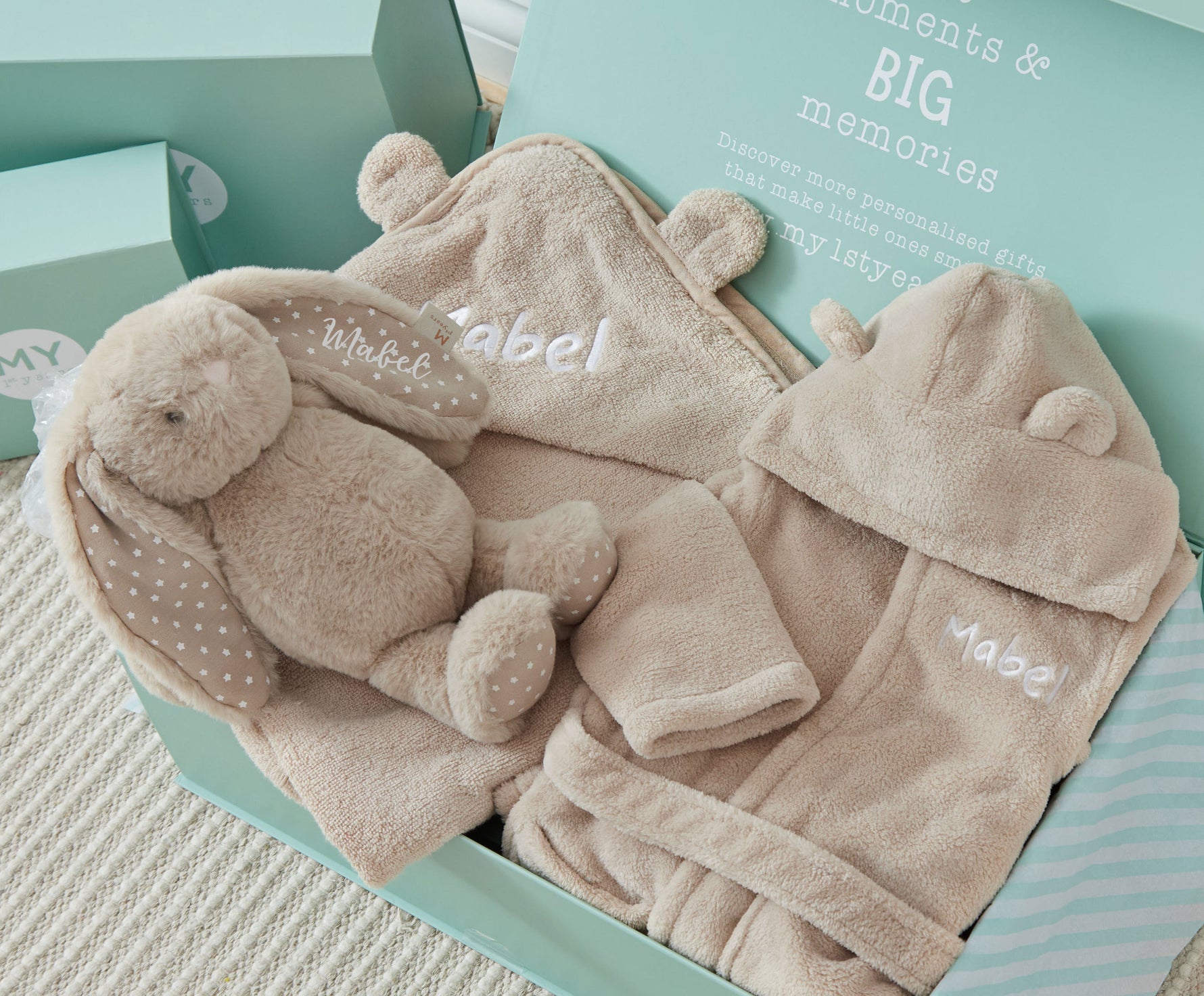
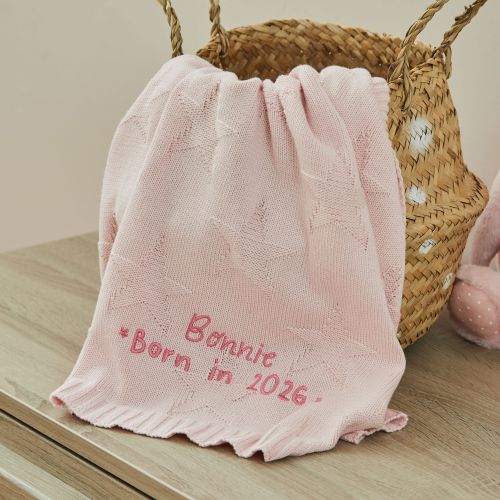
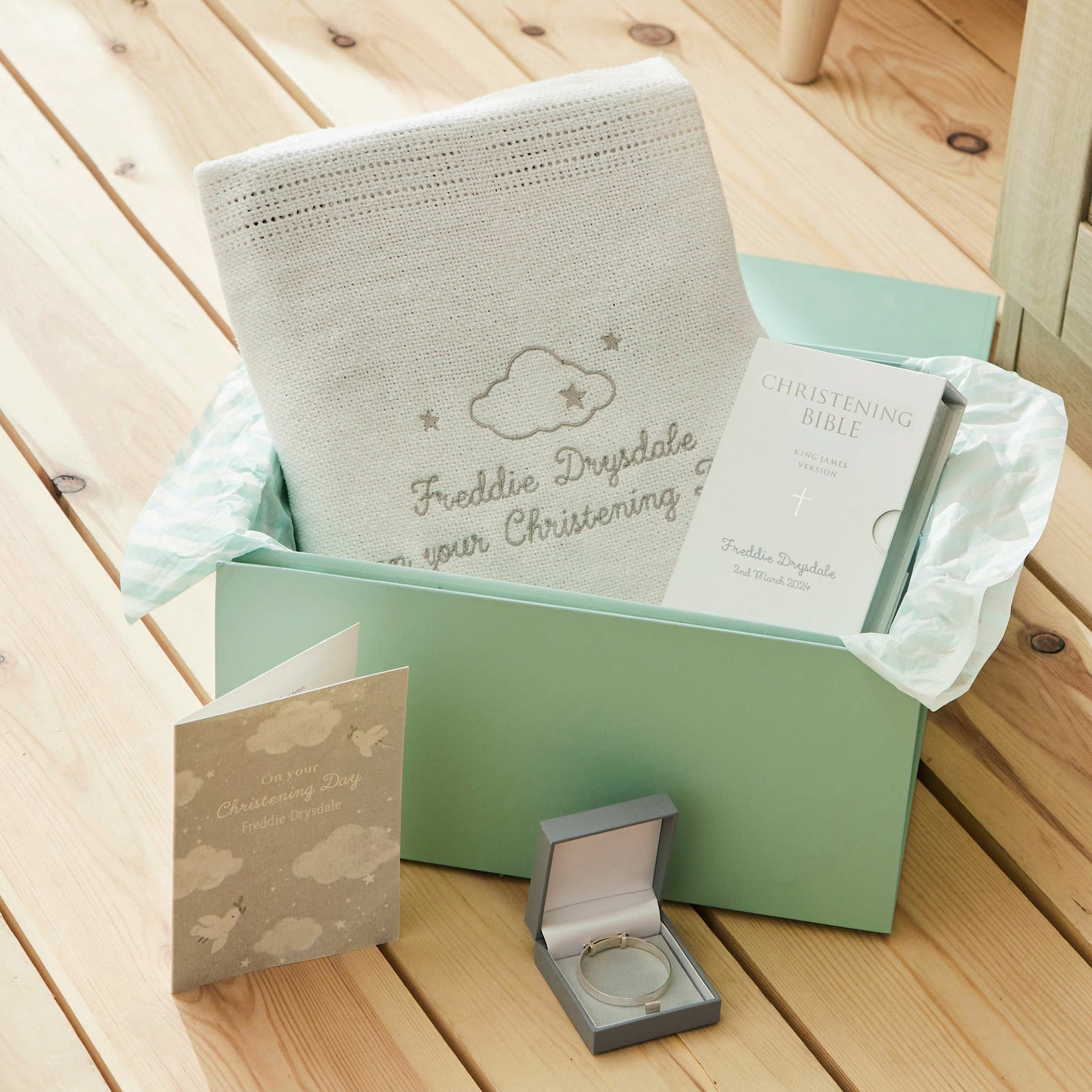
Choose a respectful personalised keepsake with culturally accurate script

How to balance syllables, surname flow, and nickname potential when choosing a baby name
Try a simple, hands-on test: count the syllables, clap the rhythm, and speak the entire name out loud to hear how it flows. A two-syllable first name with a one-syllable surname often feels snappy, as in Maya Cole, while a three-syllable first name with a two-syllable surname usually rolls more smoothly, as in Isabella Morgan. Note the stressed syllables and read the name in both calm and assertive tones to spot rhythmic clashes, since adjacent strong stresses can make a name sound choppy. If that happens, try swapping the order, using a different middle name, or choosing a variant that shifts the stress.
Check how the name sounds and looks by saying it slowly, then quickly, and writing it down to spot where consonants and vowels collide and cause elision or doubling. Think about nicknames: list likely shortenings and historical diminutives, then decide whether to embrace a short form or steer people toward a preferred diminutive or a middle-name option. Run practical tests: call the name from another room, sign a mock CV or invitation, write initials and monograms to spot awkward acronyms, and ask relatives who speak other languages to pronounce it. These simple checks reveal whether a name will flow in speech, look tidy on paper, and travel well across languages, alongside the style and sentiment you want it to carry.
Putting these points together, choosing a baby name means balancing how it sounds, what it means, and how it will work day to day. Say the full name aloud with your surname, listening for rhythm, syllable stress, and any awkward clashes. Try likely nicknames, check initials, and think about spelling and pronunciation in everyday situations. Look into the name’s origins and cultural usage, and check for meanings in other languages. If the name comes from a different culture, ask native speakers or trusted family elders to confirm it carries the associations you intend. A few simple checks now help the name feel right for a lifetime.
As a practical next step, try the listening and writing tests described above. Pronounce it in different tones, record the results, and experiment with initials and monograms, since these simple trials will reveal elisions, clashes, and awkward shortenings. Use those practical findings to guide your shortlist, then choose the form that is easy to pronounce and honours the cultural roots you value.
Share


