

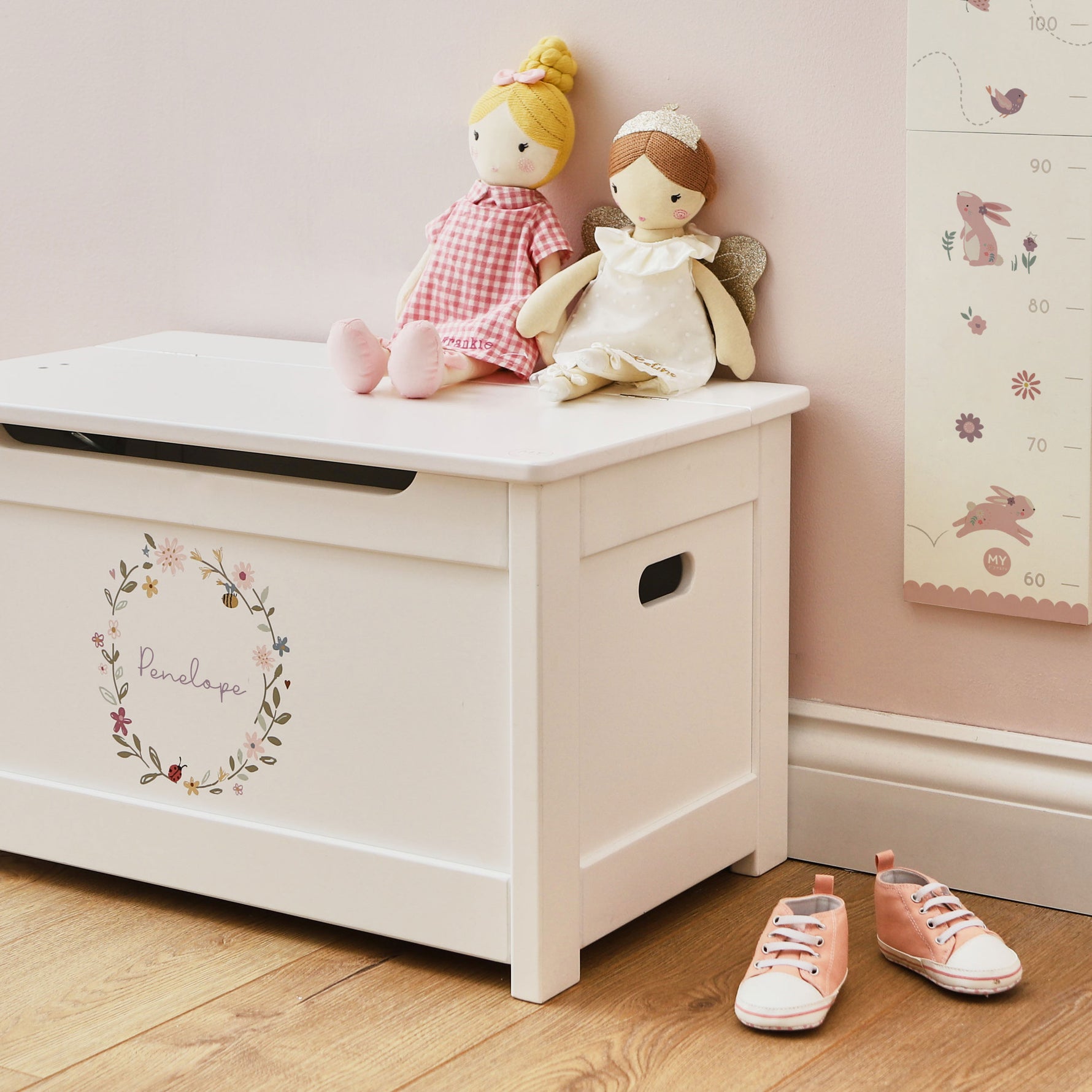
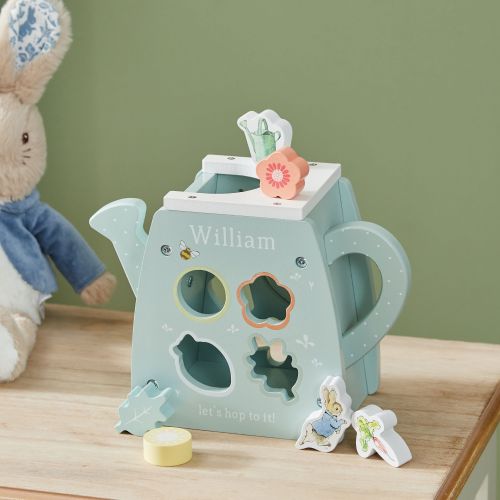

10 Ways to Pick a Full Name, Shortened Form, or Nickname for Personalised Keepsakes
Deciding how to personalise a child’s item matters. A full name reads as formal and enduring, a shortened name feels friendly and adaptable, and a nickname carries personal warmth and family history. Which option best suits the item’s purpose, the child’s age, and whether you want it to be an everyday practical piece or a long-term keepsake?
This post breaks the decision into ten practical headings: purpose, age, longevity, space and legibility, material and decoration method, tone, family tradition, uniqueness and spelling, privacy, and gifting. Work through the questions and examples in each section to weigh up the trade-offs and choose a name format that suits the item, the child, and everyday life.

1. Clarify who the gift is for and its purpose
Start by thinking about how and where the item will be used: at home, in nursery, or out and about. For items that leave the home, shorter name forms or initials work best, as they lower privacy risk and reduce confusion in group settings. Match the name to the child's age and stage. A single name or affectionate nickname suits infants and toddlers, where space and quick recognition matter. Older children often benefit from a full given name to support identity and avoid mix-ups in organised activities. Before you order, measure the usable imprint area and mock up the name in your chosen font. If a full name looks cramped or unreadable, opt for a shortened form, initials, or a monogram. Above all, prioritise legibility and leave enough space so the personalisation stays clear through everyday use.
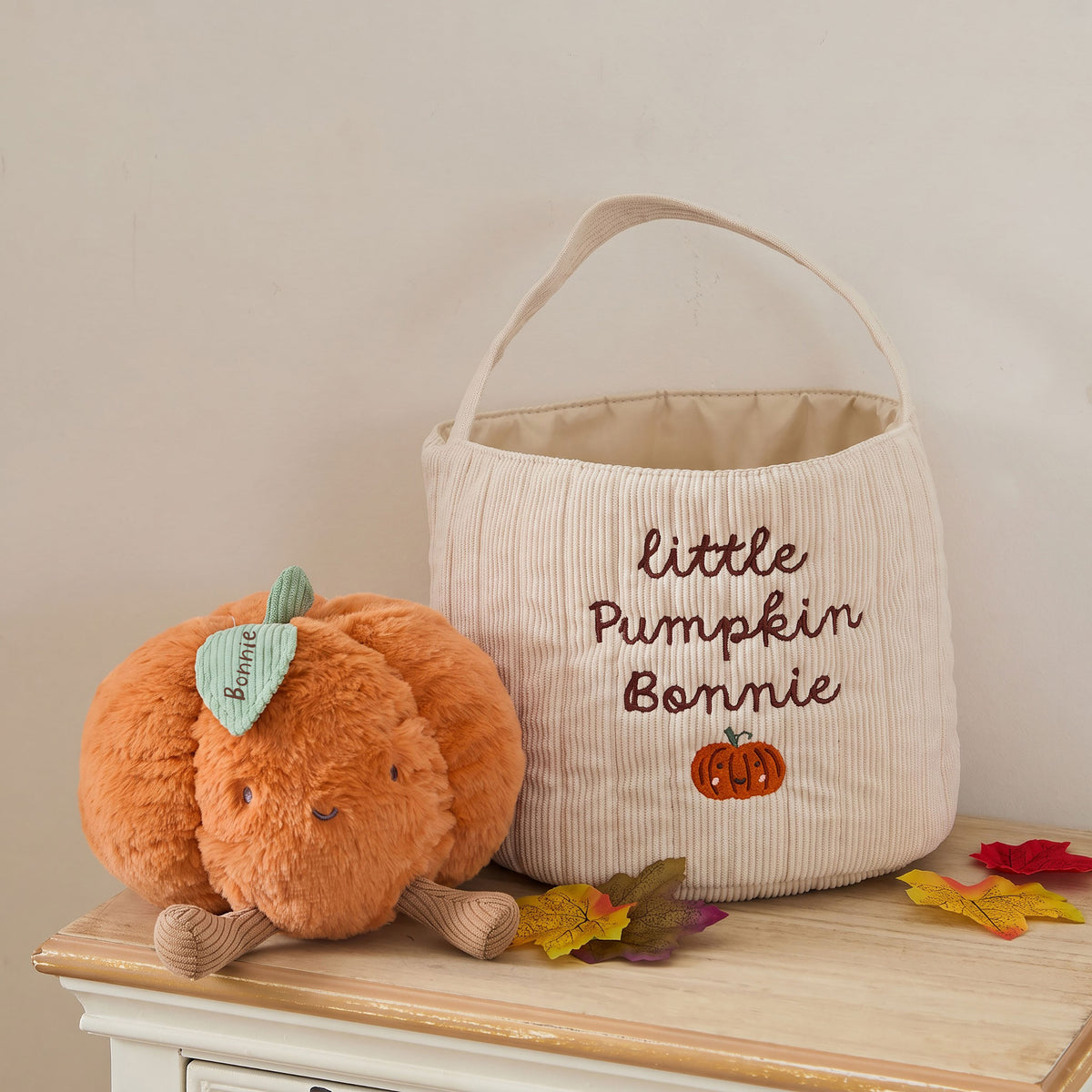
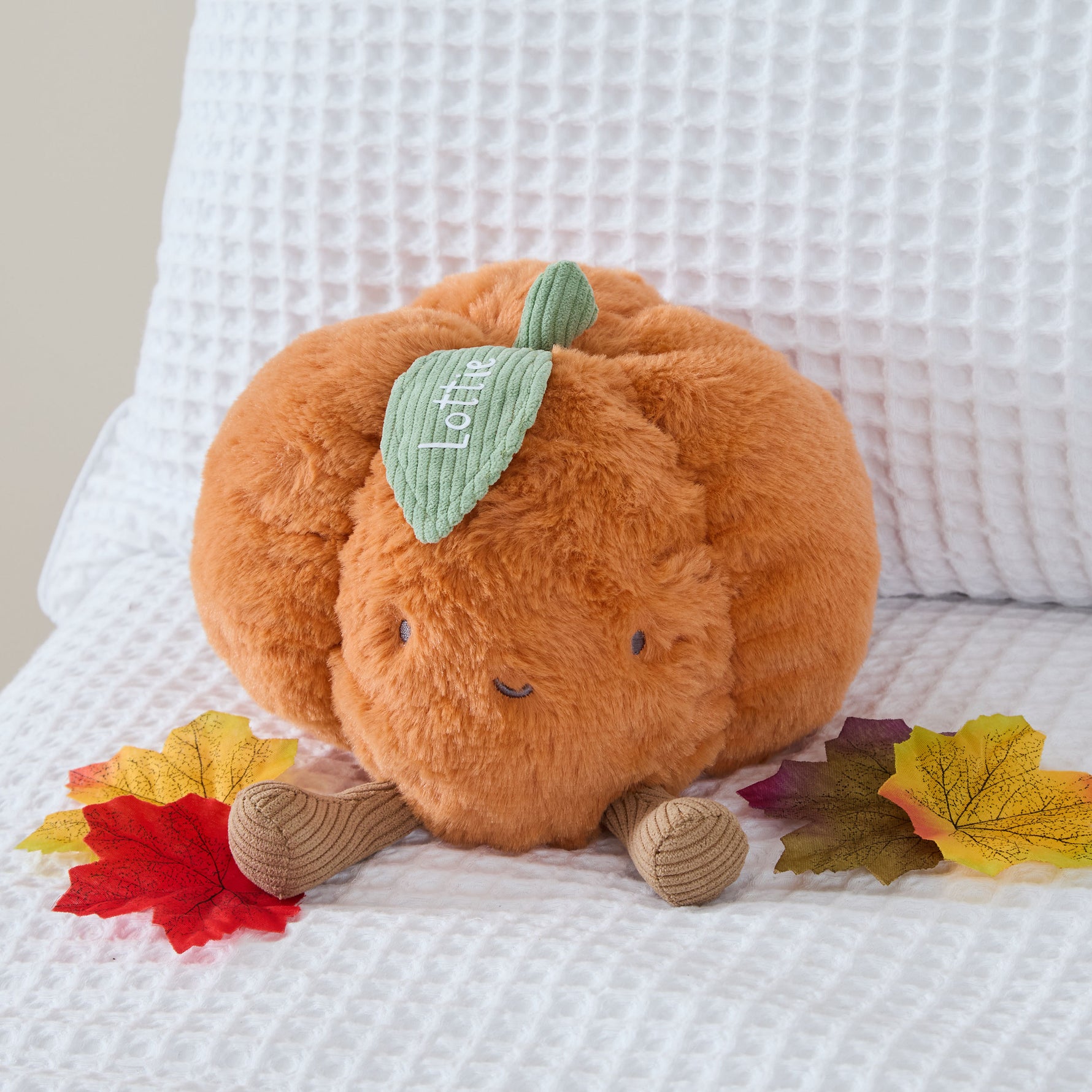
Think about whether an item will be kept for years or replaced often. Reserve full names for keepsakes you expect to treasure long-term, for example engraved or embroidered items, and use shortened names or nicknames on everyday pieces like bibs, lunch boxes, and play clothes so relabelling stays simple as tastes change. Always check with the child or guardian to confirm preferred forms, spellings, and pronunciation, and note any acceptable alternatives to avoid surprises. To protect privacy, avoid adding surnames to things that are likely to be lost, and be mindful of cultural naming practices so the chosen form feels appropriate.


2. Choose names that suit current age and future growth
Think about formality versus longevity when you personalise an item. Use the full name for keepsakes intended to last, while a shortened name or nickname suits items used mainly in early childhood. For small pieces such as clothing labels, bottles, or pencil cases, mock up the name at the actual print size, because long names can look crowded or become partially obscured. If space is tight, initials preserve identity without overpowering the design. These simple checks help you balance sentiment and practicality.
Notice how family and friends address the child, and ask which version they prefer, as names often settle or change over time. For items likely to leave the home or appear in photos, consider using a nickname or initials to protect privacy, while keeping the full name on records or long-term keepsakes. Build flexibility into personalised items: choose removable or replaceable labels, or a two-line design that shows both the full name and the preferred name. That way you can adapt the item as the child grows and their preferred name evolves.
Use nickname or initials on photo-friendly two-line tee.


3. Choose lasting quality that becomes a cherished keepsake
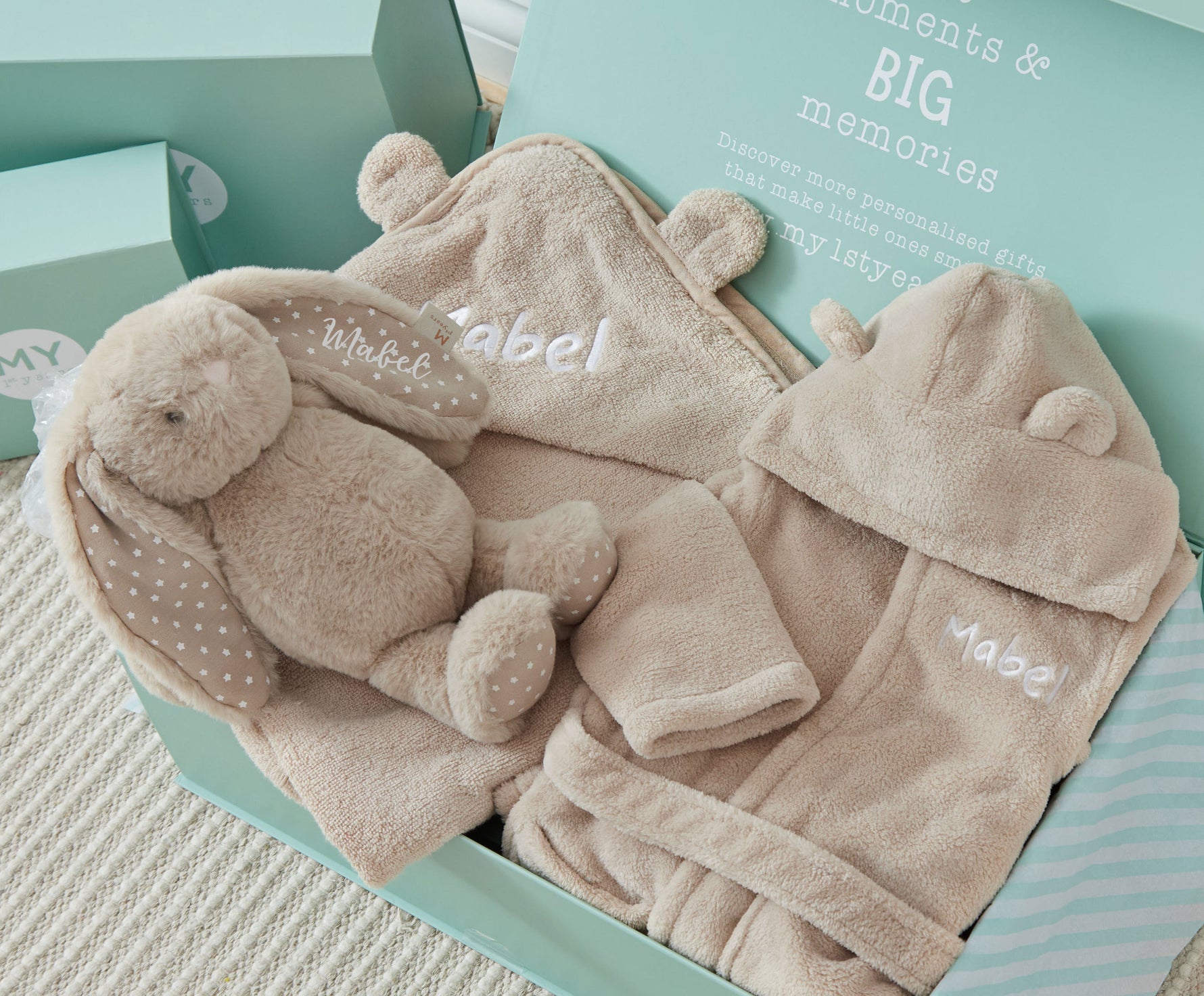
Choose marking methods that withstand washing and everyday wear. Embroidery and engraved metal usually last longer than surface printing because the mark sits within or on the material rather than simply on top; ask for a sample to see how a finish ages. Use a full name on pieces you expect to keep into adulthood or pass down, as it preserves identity and context. For everyday items that will see heavier wear, a nickname makes sense. If you want both, place the full name discreetly and the nickname more prominently so the item feels personal now but remains a meaningful keepsake later. Put longer names on low-friction areas, and save visible spots for shortened names or initials to minimise abrasion and fading.
Design for adaptability. Choose removable tags, sew-in labels, or styles that can be altered later, and favour initials or monograms as a timeless compromise when nicknames change. Include concise care instructions and a brief inscription recording the giver and occasion, which documents provenance and adds sentimental value. For longevity, advise fastening closures before washing, turning items inside out, and following the recommended care on labels. Taken together, these choices achieve a considered mix of practicality, sentiment, and long-term durability when deciding between a full name, shortened name, or nickname for a personalised item.
Engrave discreet full name on pendant; avoid washing, polish gently.


4. Check spacing, font size and legibility for personalised text
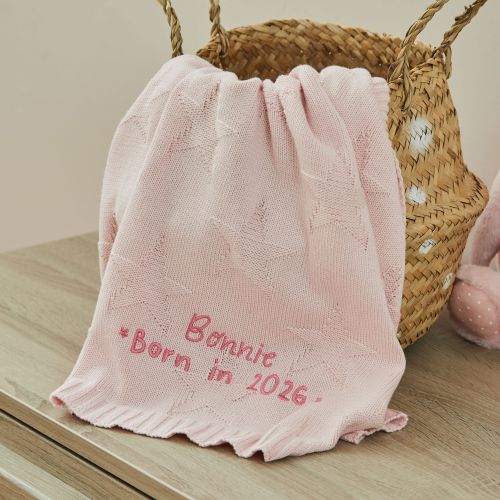
Start by measuring the exact imprint area on each item, then translate those dimensions into a realistic character limit at a legible font size. Decoration methods affect how much detail survives: embroidery and raised stitching tend to close up thin strokes, engraving and debossing can lose shallow lines, while flat printing preserves fine shapes. For textured or raised techniques, favour shorter wording and simple, block-style or sans-serif lettering so letters remain clear at small sizes.
When personalising a keepsake, favour high-contrast, simple letterforms. A clean sans-serif with slightly increased letter spacing improves legibility, and you should avoid characters that look alike, such as I, l, 1, O, and 0. A compact five-letter nickname set in a clear font will often be more recognisable than a longer full name in a decorative face. Think about orientation and placement: horizontal, centred lettering on a smooth surface keeps strokes intact, whereas seams, straps and corners can interrupt letters and reduce legibility. Ask to see proofs from typical viewing distances, under different lighting, and after simulated wear or washing; if the full name blurs or becomes ambiguous but the shortened form stays clear, favour the shorter option to prioritise recognisability.
Favour shorter wording and centred, high-contrast lettering on backs.


5. Match the name to the right material and finish
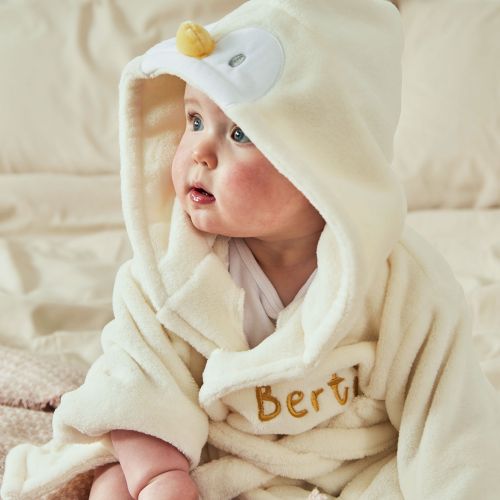
Match the name’s length and font to the personalise technique. Embroidery works best for short to medium names in bold, block styles; long names raise the stitch count and can pucker the fabric. For longer names or more delicate typefaces, choose screen print or digital print, which preserve fine detail and cover wider areas to keep lettering legible. Always test a swatch first: natural fibres such as cotton take stitching and printing well, while many synthetics need low-heat processes. A swatch shows how colour, texture, and stabilisers behave so you can adjust font weight, thread density, or print settings before you commit.
To keep personalised details both beautiful and practical, think about how the design will feel and wear. Raised finishes, such as puff vinyl, applique, or heavy embroidery, add texture and suit short names or initials. Flat prints, engraving, or debossing sit flush, avoid bulk, and remain legible on small lettering or soft items. Prioritise durability by matching technique to the item’s expected use: stitching usually survives repeated laundering better than many heat transfers, and engraved or debossed names will not peel. Plan placement and scale together, putting longer names on larger panels or inside labels, or making a full name fit by increasing letter spacing or choosing a narrower typeface. Finally, review mock-ups at actual size and launder a sample to confirm the finish and legibility before production.


6. Choose a formal, playful, or intimate tone for your message
Begin by listing the everyday moments that matter most — school, carers, toys, bedtime, handovers — and imagine how the name will be used in each. Match the name’s tone to the setting: favour a clear, standard name for registers and handovers, and choose a nickname for toys and bedtime to create a cosy, personal feel. Work through these practical checks: - Mock up the full name, a shortened version, and any nickname in the actual layout and font you plan to use. Compare legibility, visual balance, and how the name sits on curved or small surfaces to avoid cramped or misaligned results. - Read each option aloud in imagined settings such as the playground, the classroom, and a family gathering. This reveals awkward sounds, likely mispronunciations, or potential teasing. - Prioritise versions that sound natural across those scenarios, and adapt for privacy. Avoid surnames on items likely to leave the home, and consider initials or first names for public contexts. These simple steps help you choose a name that works visually, sounds right in everyday life, and protects privacy where it matters.
Involve the child and close relatives in a quick preference test. Lay out the three options, watch their spontaneous reactions, and note which one the child reaches for or says first. Those immediate responses give practical evidence when balancing intimacy and privacy: reserve affectionate nicknames for items that stay at home, and use initials or a first name for things that leave the house. Let the child’s first reactions, and a simple consideration of how they are likely to use the item as they grow, guide the final choice so personalised keepsakes reflect identity while remaining practical for everyday life.


7. Honour family traditions when choosing your baby's name
Ask family about a name’s origin, who it honours, and whether they expect it to be used publicly or only in formal settings. Check any cultural or legal naming conventions, such as patronymic systems, middle-name usage, or preferred spellings and diacritics, and confirm the correct order so you do not misrepresent the name on personalised items. Mock up how the full name, shortened name, or nickname will appear on the product, including accents, initials, or monograms, and test abbreviations to keep the honoured name recognisable while keeping text readable and attractive. Use these checks to decide whether a full name suits a keepsake and a shortened version works better for everyday pieces.
Try practical compromises: keep the full name on heirloom pieces, use a shortened form on everyday items, or feature a prominent nickname on the outside with the full name discreetly stitched inside to balance tradition and daily usability. Involve the child, where appropriate, and key family members in the decision, and note the agreed format so future orders match expectations. Agreeing and recording the chosen convention reduces family confusion, helps names fit the design and remain readable, and gives clear guidance when creating personalised items.
Shortened name outside, full name stitched inside on tee


8. How to balance uniqueness, recognisability, and correct spelling
Print a life-size mock-up of the name on the material you plan to use and view it from an arm's length to check legibility. Adjust the text, shortening or lengthening it, until each letter reads clearly. Ask three people who do not know the child to read and spell the mock-up; if any hesitate or give different spellings, favour a more common form, add an initial, or choose a clearer diminutive to reduce future mistakes. Match the tested version to the production method: embroidery tends to soften fine strokes and tight spacing, engraving preserves thin letters, and some printing processes can bleed. Pick the option that reproduces consistently on your chosen technique so the name stays legible and recognisable in everyday use.
Save very unusual spellings and rare nicknames for keepsakes. For everyday items, use the child’s full name or a common shortened form to reduce mislabelling, lost property, and repeated corrections. Prioritise the name the child and primary carers actually use, but check how easily others will pronounce and spell it. If an item will be used publicly or at school, choose a phonetic, spellable variant so staff and other readers can quickly read and copy the name correctly, helping the label stand up to real-world wear.
Pick a clear, spellable name for embroidered everyday wear


9. Weigh privacy and safety for items used outside the home
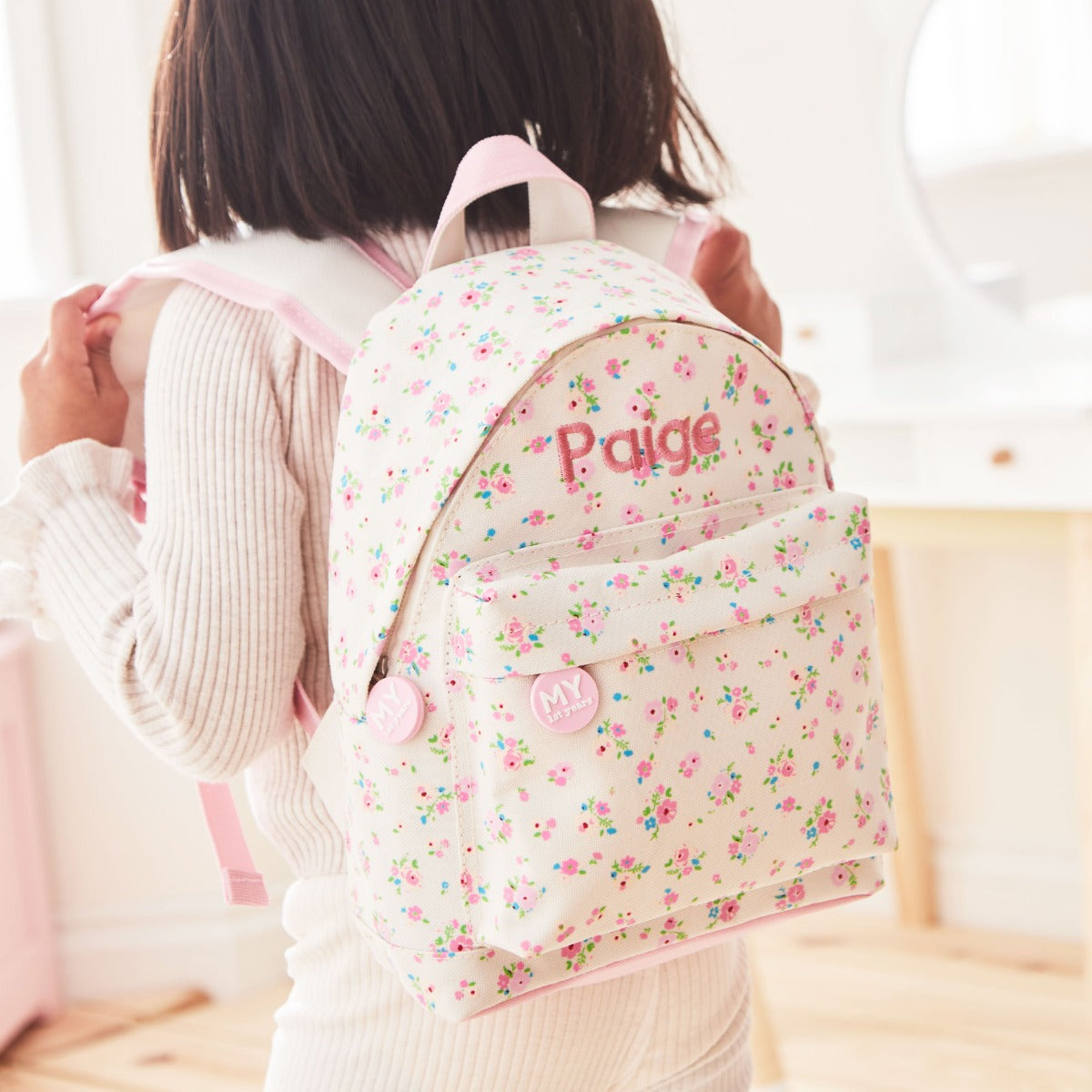
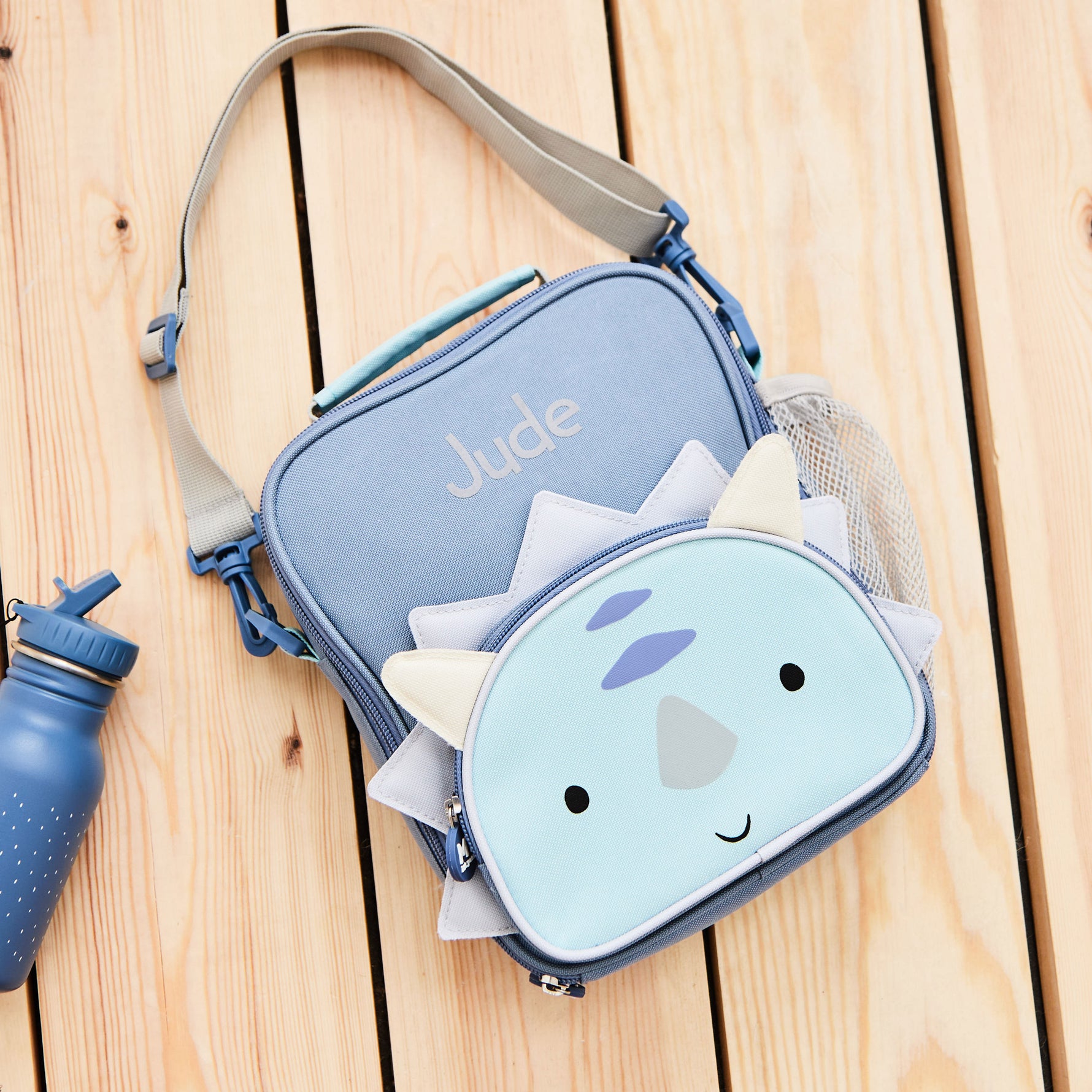
Begin by mapping each item to where and how it will be used, then adopt a simple rule: public items such as bottles and rucksacks should carry initials or shortened names, while things that stay at home can show a full name. Place identifiers discreetly and choose durable methods so names remain readable after washing and daily wear. For example, tuck a full name into an inner seam, inside a lunchbox lid, or under a flap, and reserve surface labels for a first name, initial, or a distinctive symbol. Hiding contact details where only a finder can see them helps return lost items without broadcasting personal information, which suits busy communal settings. Pairing a short name or initial with a unique colour, patch, or icon makes belongings easier to spot without exposing unnecessary details.
Involve your child and check the social setting. Ask which name they prefer, try the name out with a trusted teacher or friend to spot any potential teasing, and check nursery or school labelling policies with staff or group organisers. For items that travel between locations, choose secure attachments and simple identifiers so lost items are easy to return while limiting strangers' access to personal details. Use sewn-in labels, name tapes, or secure clips rather than large, outward-facing full-name displays. If the situation changes, switch to a safer or more comfortable labelling option, and favour putting contact details inside clothing or bags rather than on external tags.
Use initials and matching colours for easy identification.


10. Plan thoughtful gifts, sibling sets, and practical newborn care
Use a full name on keepsakes and milestone presents to anchor their provenance and give each item clear, lasting identification. Shortened names or nicknames work well for everyday items that need quick recognition or a degree of privacy; match name length to an item's size and purpose by using initials or a short name on small tags, zips, or toys, and reserving the full name for larger items or records that require clarity. Choose naming methods that will stand up to frequent use, for example embroidery or heat-sealed print on high-wear fabrics, and always test labels on a spare fabric patch to check colourfastness and any shrinkage after washing. That way the personalisation lasts as long as the memory.
Create sibling sets to make sorting effortless. Put a shared surname or initials on communal items, and add a unique nickname in a contrasting colour or font to personal belongings so carers and parents can spot owners at a glance. Plan for reuse and future gifting by fitting removable name tags, or leaving a small blank area that a sticker or patch can personalise later, so an item is not permanently marked for one child. These simple choices keep sentimental pieces identifiable while allowing everyday items to circulate between siblings or move on to new families, reducing mix-ups, extending the life of clothing and toys, and helping keepsakes hold their memories for longer.
Personalising a child's item is a balancing act between legibility, privacy, durability, and sentimental value. Think about how the item will be used, the child's age and stage, the material and the personalisation method, and any family naming traditions. Those considerations will help you decide whether a full name, a shortened form, or a nickname best suits the keepsake.
Use these ten headings as a simple checklist to test mock-ups, check spellings, and make sure the tone suits each context. Prioritise legible lettering, discreet labelling for items used outside the home, and flexible details such as removable tags, so you create personalised pieces that work in everyday life and retain their keepsake value.
Share


