


Top 10 Personalised Travel Essentials for Your Baby's First Trip
Travelling with a baby can turn a simple trip into a logistical puzzle, from lost bottles to disrupted naps. Personalised travel essentials cut through the chaos by making items recognisable, comforting, and quick to find.
This guide walks you through ten essential categories, including labels, sleep aids, carriers, mealtime sets, and safety kits, and shows how thoughtful choices reduce stress, speed up daily routines, and help keep your baby safe. Use these practical tips to keep your little one comfortable, avoid mix-ups, and create keepsakes from those first outings without adding extra effort.

1. Choose practical, personalised travel essentials for little ones
Make a waterproof medical ID pouch listing the baby’s name, emergency contacts, allergies, and any essential notes. Laminate it or slip it into a clear, waterproof sleeve, then attach it to your main bag or pram so carers or travel staff can access the details quickly. Sort nappies, wipes, spare clothes, and disposal bags into a labelled, multi-pocket change organiser, and pack a single one-change kit you can hand to anyone minding the baby to avoid rummaging mid-journey. Store the most-used compartments near the top for faster access, and replenish them after each leg of travel to prevent surprises. A pre‑packed kit lets a carer start changing the baby straight away, rather than hunting through bags.
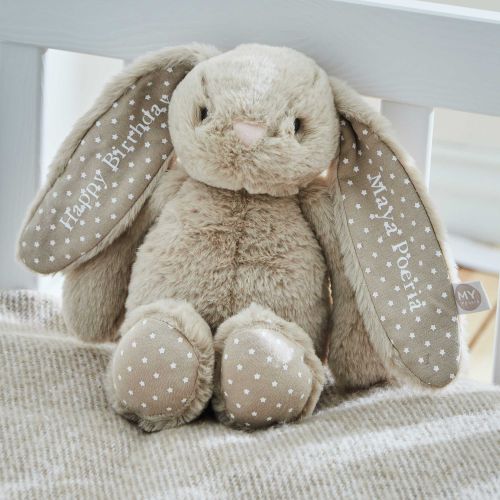
Tuck a small, personalised blanket, sleep sack, or soft toy with your pillow or in your bag so the baby can pick up a familiar scent during transfers. Pack bottles, pre-measured formula or portioned food, bibs, and utensils marked with the baby’s name or an easy colour code, and include a compact cleaning cloth or a portable steriliser to make safe preparation quicker when you’re out and about. Put recognisable, personalised tags or high-contrast markers on pushchairs, travel cots, and luggage, and fasten loose accessories with clips or name-tags to avoid losing them in busy areas.
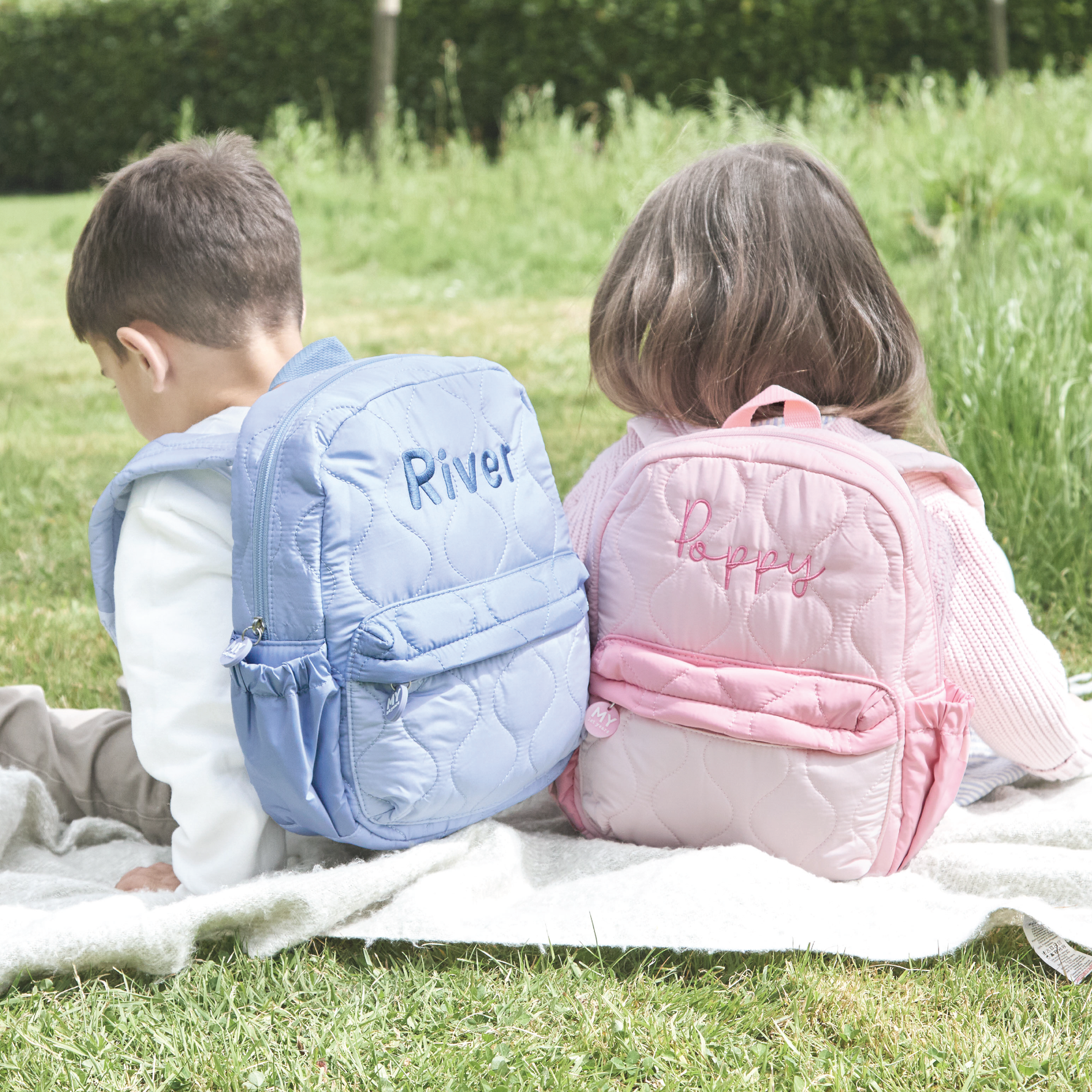
Keep essentials organised with a personalised, roomy changing bag

2. Use personalised labels and organisers to keep baby items tidy
Attach durable, personalised luggage and pram tags with clear contact details and the child’s name to prams, changing bags, and suitcases. Made from waterproof, robust materials, they make it easier to reunite belongings if they go missing. Use colour-coded organisers and labelled packing cubes to assign a colour to nappies, feeds, spare clothes, and toiletries. That lets you reach essentials without unpacking everything, saving time when you are juggling a baby. Choose clothing labels that show size, care symbols, and the child’s name, whether sew-in or iron-on. They prevent mix-ups in shared accommodation or childcare, and help anyone assisting to pick the right item quickly.
Keep a personalised medical and documents pouch with prescriptions, allergy notes, dosing instructions, and emergency contacts in one clearly labelled case so handover to healthcare staff or carers is straightforward. For larger items, attach high-visibility tags or unique visual markers, such as reflective strips, a bright ribbon, or a personalised tag to car seats, carriers, and buggies so you can spot them at a glance in busy or dimly lit spaces. These visual cues speed retrieval and simplify security checks or shared storage. Paired with labelled luggage and organised packing cubes, these small steps cut search time and make responsibilities clear for anyone helping with the baby.
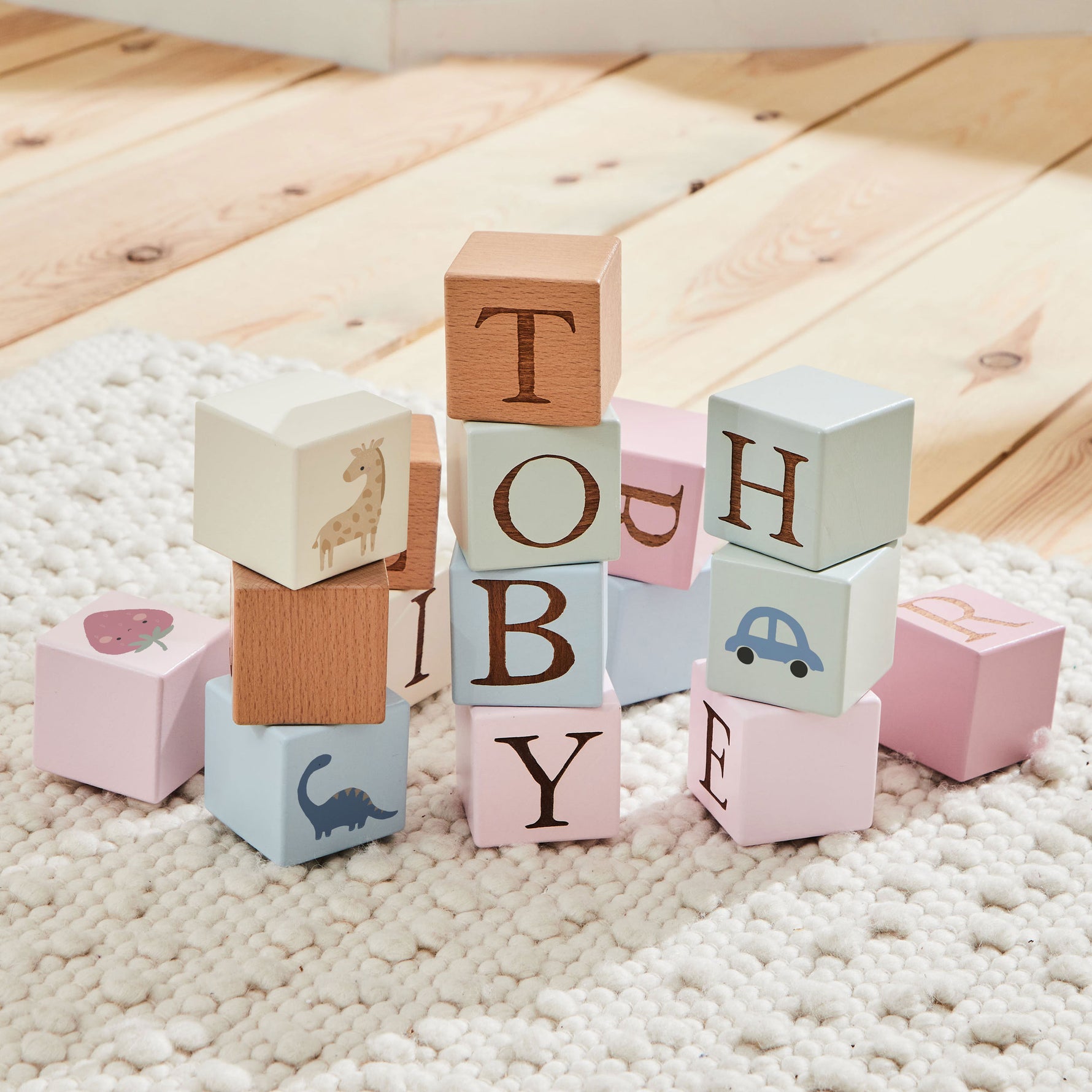
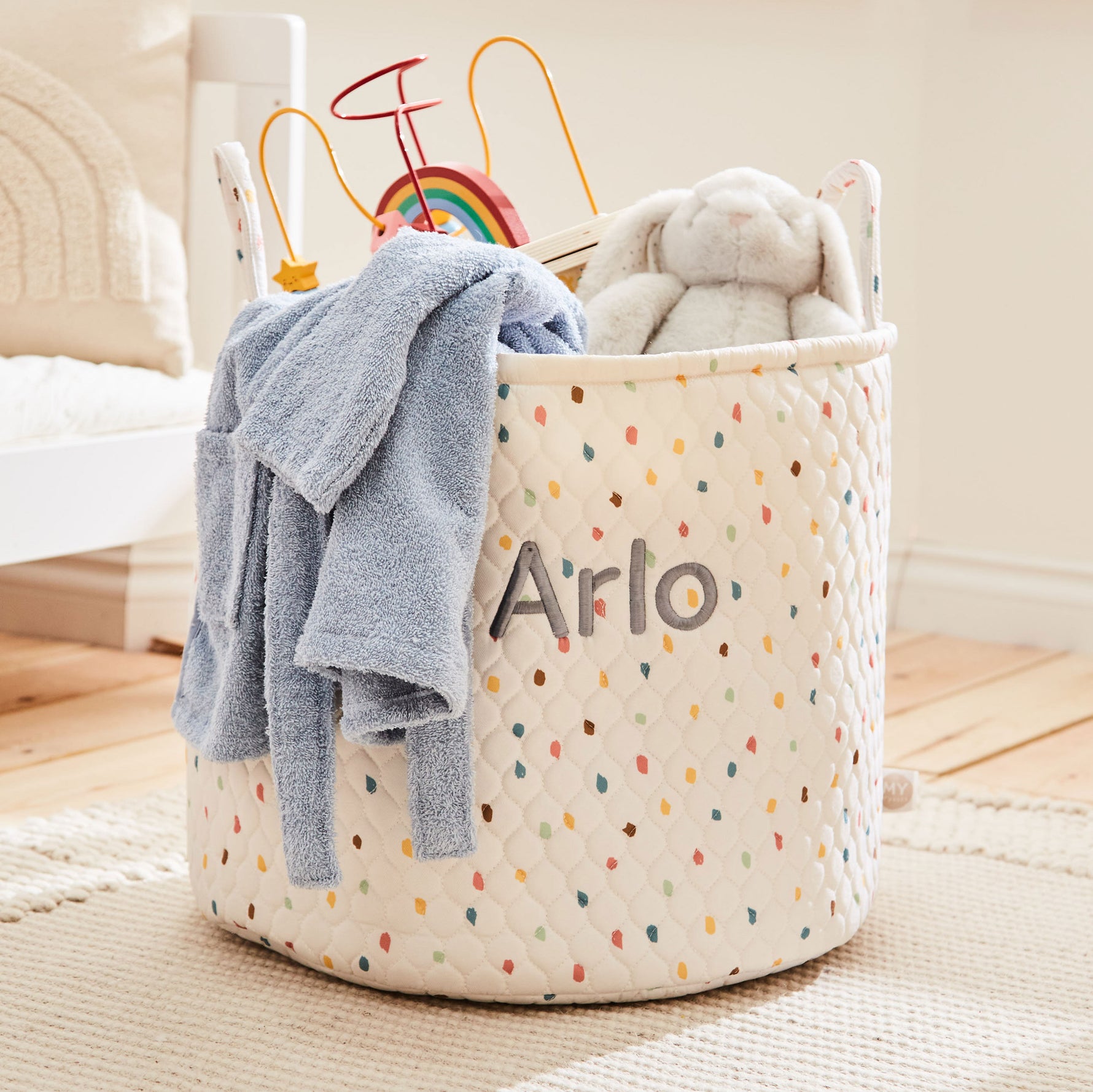
Keep toys tidy and ready to grab for outings.

3. Pack personalised blankets, toys, and sleep aids
Choose a blanket that matches your baby’s preferred texture and weight, and sew in a name label so it is always identifiable. Pick a fabric that washes and dries quickly, and pack an identical spare so a lost or soiled item does not disrupt sleep. Studies show familiar tactile cues help infants settle more quickly, so test the blanket at home until it reliably calms your baby. Introduce a single soft comfort toy well ahead of travel so it becomes recognisable; favour one with varied textures or subtle sounds, and clip it to a pushchair or car seat with a short strap. Pack a small, laundered cloth or an item of worn clothing with a caregiver’s scent in a breathable bag, and refresh it periodically, because infants recognise that scent and it reduces distress in unfamiliar settings.
Pack a small, battery- or USB-powered white-noise machine or a preloaded audio player, and download or record a few familiar lullabies. Trial the set-up at home first, keeping volumes low and making sure devices do not sit in direct contact with the baby for safety. Label every sleep item clearly, keep duplicates in separate bags, and include a compact repair kit, such as spare batteries, a short charging cable, and a few safety pins, for quick fixes. These simple steps recreate the familiar sleep cues from home and mean a single mishap is less likely to undo your routine, improving the chances of uninterrupted naps while you travel.
Bring a personalised comfort set for familiar sleep cues

4. Pack personalised bottles, bibs, and mealtime sets for easier feeds
Label each bottle, lid and mealtime container with the baby's name and a contact icon using waterproof labels. That simple step reduces misplacement and prevents accidental cross-use when carers, family, or childcare settings are involved. Choose bottles and feeding cups with secure, leak-resistant closures and insulating sleeves to protect clothing and the rest of your kit from spills while travelling. Pack a silicone suction bowl and a weighted or ergonomically shaped spoon, personalised by colour or name. Suction stabilises the bowl on highchairs, trays, or tables, while silicone resists staining, folds flat for packing, and cleans quickly. Taken together, these small choices cut down on spills, speed up feeds, and keep your kit working reliably away from home, so you spend less time managing mess and more time enjoying mealtimes.
When you head out with a little one, pack several wipe-clean, waterproof bibs with a deep crumb catcher, plus one soft fabric bib for extra comfort. The catcher confines mess, so you can clean up faster and need fewer clothing changes between outings. Pre-portion formula, purees, and snacks into labelled, stackable compartments to speed feeds, reduce handling, and limit contamination. Carry a compact sterilising case or sanitising wipes for quick hygiene between feeds; keeping pre-measured portions ready lowers the risk of cross-contamination.
Choose a silicone set for suction stability and crumb-catching bibs.

5. Prepare personalised clothing, outfits, and quick change kits
Pack your baby's outfits in layers with easy fastenings such as snaps or zips, and include at least two complete duplicates so a stain or spill does not derail the day. Fastenings let you change a nappy with one hand while holding your baby, making quick adjustments easier. Choose convertible, multi-use pieces that adapt as temperatures shift — for example, gowns that snap into onesies, foldaway waterproof shells, and breathable mid-layers that reduce bulk. For the first night, pack a comfort-first set: familiar pyjamas or a favourite muslin, plus an item of your clothing you have worn so it carries your scent.
Pack grab-and-go quick-change kits with a nappy, wipes, a change mat, a spare top, socks, and a sealed bag for soiled items. Store each kit in an outer pocket of your changing bag so you can pull one out without frantic searching in public. Personalise garments with name tags and colour-coded tabs — for example, one colour for childcare and another for grandparents — so items are easier to identify in shared spaces, laundries, or childcare settings. Together, easy-change clothes, adaptable layers, and labelled quick-change kits speed up changes and reduce lost or mixed-up items.
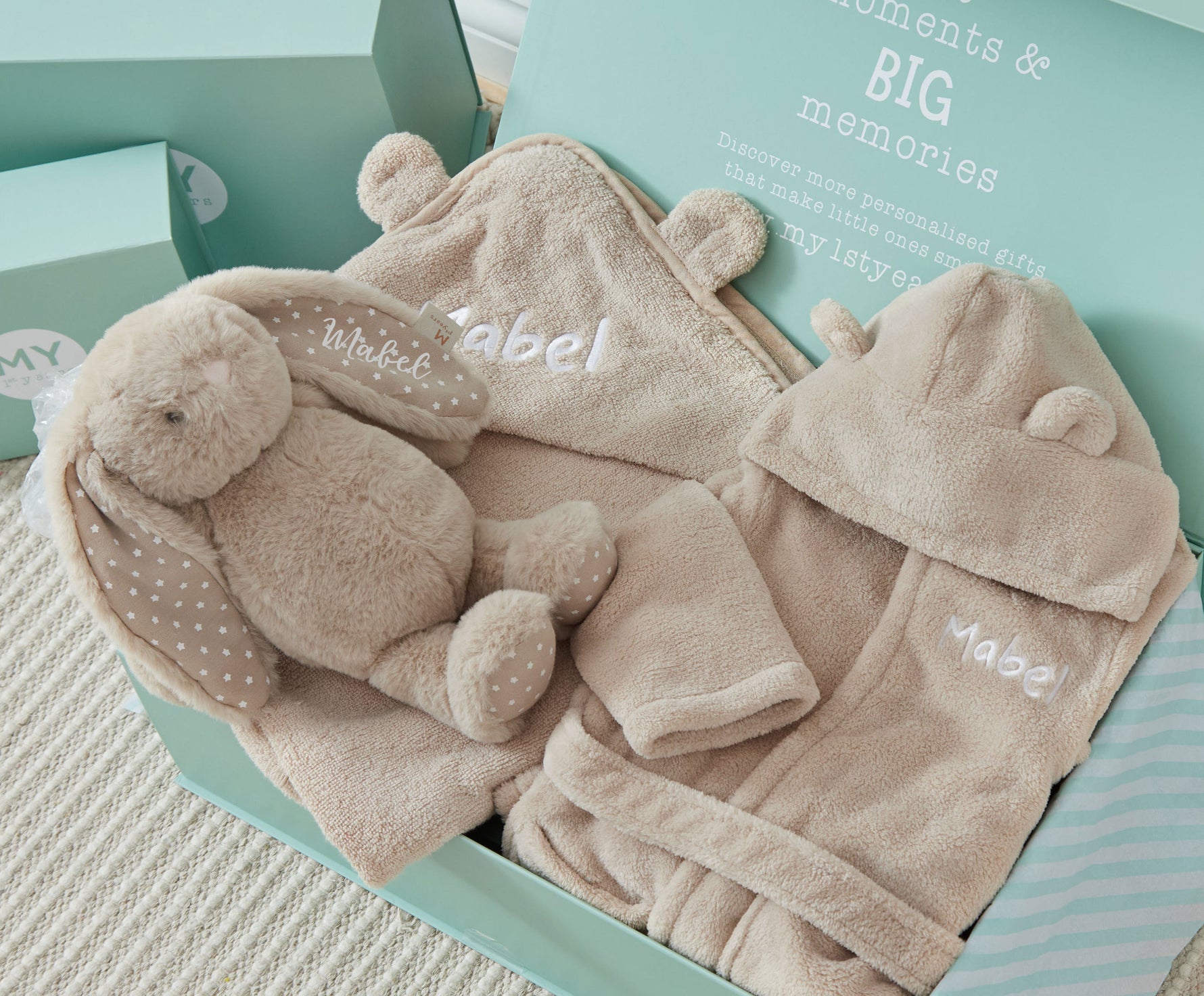
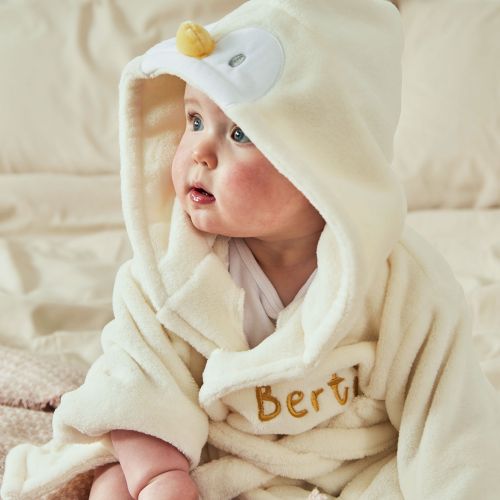
Pack personalised muslins and a cosy name-embroidered blanket.

6. Select personalised travel carriers and pushchair accessories
When choosing a carrier or pushchair, check that seat height, lumbar support and strap length all adjust so the item grows with your baby. Favour carriers that support a hip-healthy M position for the legs, with the knees higher than the bottom and the thighs supported from knee to knee. Test adjustments with a weighted bag to simulate your baby’s weight; a well-balanced design will distribute that weight evenly across your hips and shoulders, while uneven distribution reveals poor balance sooner. Prioritise modular accessories, such as removable seat liners, sun canopies, rain covers, snack trays, and travel caddies, and check for universal attachment points and frame compatibility so a small set of add-ons will work across different travel setups.
Choose easy-care fabrics and hygiene features, such as removable, machine-washable liners, quick-dry, breathable materials, and water-repellent finishes. These options cut cleaning time and reduce the chance of lingering odours or germs. Add practical, personalised touches that make everyday life easier: stitched name labels for creche or daycare, a discreet ID pocket for contact details, high-visibility trim for low-light walks, and colour-coded panels to help you spot your pushchair on busy baggage carousels or in creche areas. For travel, look for compact, travel-friendly designs with a one-hand release, detachable wheels, a carry strap or protective bag, and lockable attachment points. These features protect the pushchair in transit and make it easier to manage luggage and a baby.
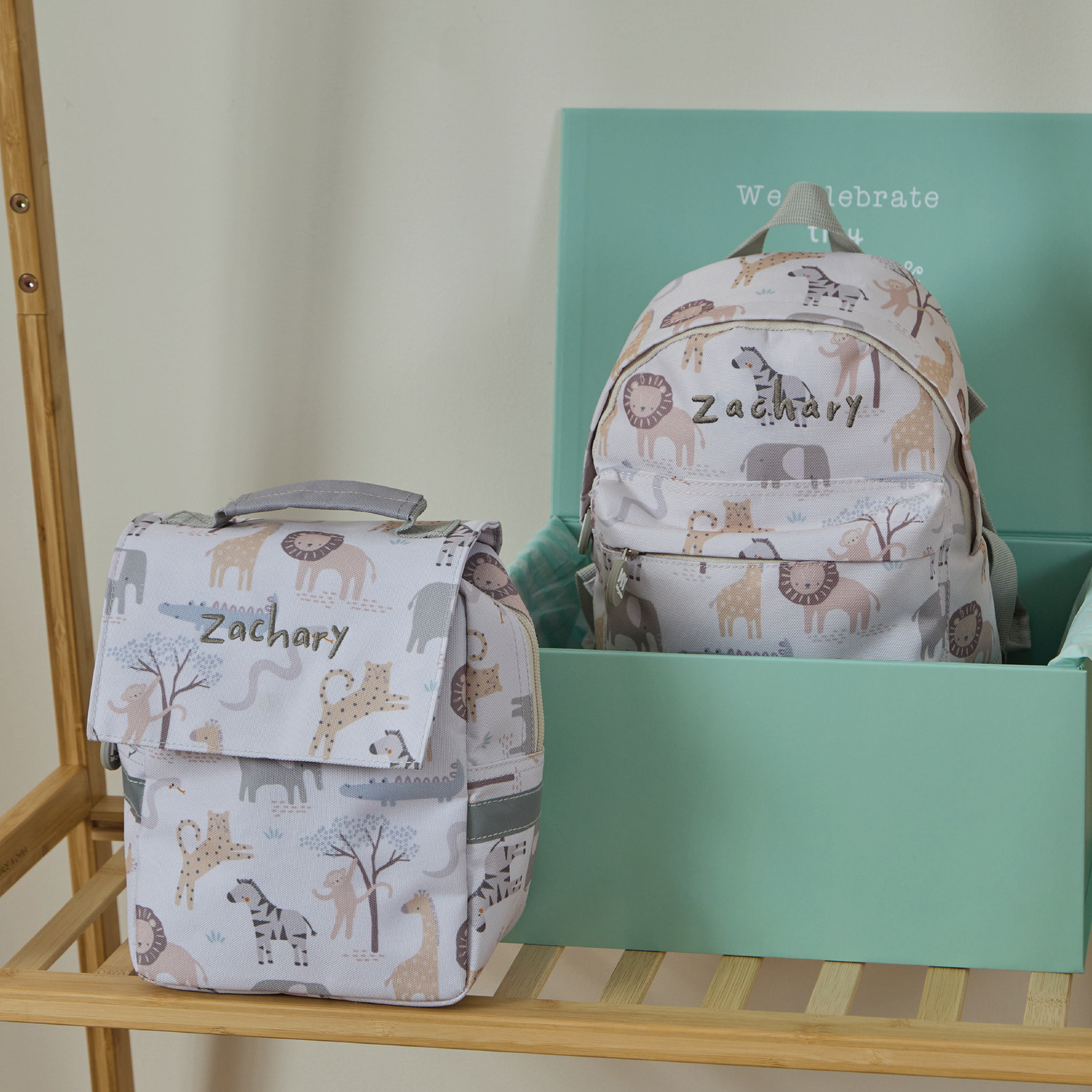
Personalise their wipe-clean lunchbag for daycare and travel.

7. Assemble a personalised baby safety and first-aid kit
When you assemble a safety and medical kit for your baby, include photocopies of the vaccination record, a clear list of allergies and current medications with dosages, and GP or paediatric contact details. Keep both the originals and a waterproof copy in your hand luggage, and share a copy with any travel companion so someone else can access the information if you cannot. Carry prescribed medicines in their original packaging, with a printed prescription or a signed note from the prescriber, and store a duplicate set in a separate bag in case of loss. Use insulated or protective pouches for temperature sensitive items to maintain potency and meet handling requirements; this also helps staff and pharmacists verify medicines quickly if needed.
Keep a compact, labelled first-aid kit in a lightweight, waterproof case so everything is easy to find when you need it. Aim for a small, organised selection of essentials and a short action plan for common problems. Kit contents - Sterile dressings, and plasters in several sizes - Antiseptic wipes - A small pair of blunt-ended scissors and adhesive tape - Disposable gloves, and sealable bags for soiled items - A reliable digital thermometer - A dosing syringe or oral measuring device - A nasal aspirator - Clinician-approved symptom-relief options appropriate for your baby’s age (check the correct dose with your GP or pharmacist) - A comforting item to help settle the baby, such as a familiar blanket or small toy Practical steps - Write a short, step-by-step action plan for high fever, severe allergic reaction, or injury, and keep it with the kit. - Store local emergency and clinic numbers on your phone, and on a written card inside the kit. - Tell travel companions where the kit is, and show them how to use the key items. Early detection of fever or breathing changes helps you decide quickly whether to treat at home or seek professional care, so keep the kit accessible and check its contents regularly.
Encourage calm with a child-friendly play medical set.

8. Pack personalised sensory toys and quiet entertainment for baby
Pack a familiar comfort item, such as a small personalised blanket or soft toy washed with your bedding so it carries a recognisable scent, and keep it in your hand luggage for immediate access. A familiar smell can help a baby settle when routines change. Pack three small, multi-texture toys that mix smooth, crinkly, plush, and knobbly surfaces; varied textures capture attention, encourage tactile exploration, and fit neatly into a changing bag. For very young infants, include a high-contrast cloth book or soft card with bold black, white, and colour patterns, as strong contrasts attract attention and support early visual development during short, calming moments on the move.
Use clip-on attachments or activity straps to secure toys to the car seat, carrier, or pushchair so they stay within reach and off dirty surfaces. Choose quick-release fittings, and check toys for loose parts before every outing to avoid small, detachable pieces. Personalise audio or visual content by recording a parent’s voice, a simple lullaby, or familiar household sounds onto a small, removable sound module or device, and carry a low-volume speaker or baby-safe headphones. A recognisable voice often soothes, and rotating a few different toys and sounds helps keep interest without overstimulation. Pack items in organised pockets so you can swap them quickly when the baby needs distraction or comfort.
Pack a personalised shawl and cuddly toy.

9. Prepare personalised keepsakes to capture precious early memories
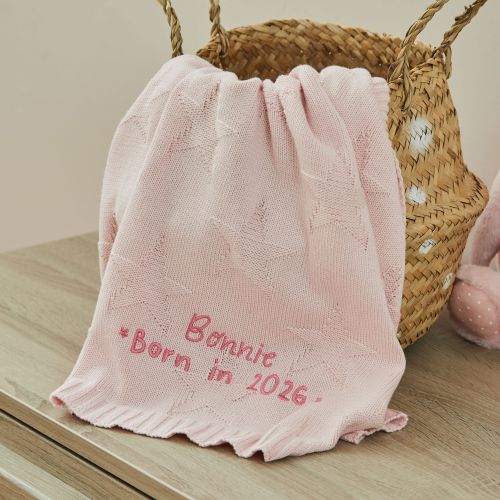
To make a portable hand or footprint keepsake, use non-toxic, washable ink pads or soft modelling clay. Press gently, photograph the print straight away to capture fine ridges and lines, then store the original in an acid-free envelope or clear sleeve to prevent smudging and loss of texture, so you keep both a physical and a digital copy. Alternatively, embroider a small, personalised fabric item, such as a muslin square or miniature blanket, with the child’s name and birth details. Choose washable, natural fibres, and secure the stitching so the item can be laundered. Textiles often retain colour and tactile memory longer than paper, which helps them become durable family heirlooms.
Carry a small micro-journal with a few simple prompts and sensory cues, for example first feelings, favourite sound, and new tastes. Use a waterproof pen and write short, specific entries; concise sensory notes anchor memories more reliably than general descriptions and make it easier to revisit a moment years later. Compile a photographic checklist of meaningful shots, including close-ups of tiny hands or feet, wider images that show context, and candid family interactions, so you capture both the big picture and the small details. Back up image and audio files to a second storage option, such as a cloud service or an external drive, and label each file with the location and a brief description for easy retrieval. Record short voice clips or ambient sound snippets of greetings, lullabies, and local noises, and convert a few highlights into a simple audio montage to add an emotional layer that photographs alone cannot convey.
Frame a newborn photo and ink keepsake together.

10. How to care for and pack personalised keepsakes
To keep personalised items easy to identify and replace, label them with durable, washable tags that show contact details and basic care symbols. Pre-wash garments and soft toys to remove loose fibres and set dyes — this reduces the chance of skin irritation and helps colours stay true. Save a spare photo of the label on your phone to speed identification if something goes missing. Photograph each personalised piece and create a short inventory noting distinguishing features, size, and care instructions, then save it to your phone and the cloud. Those photos and notes make it quicker to order replacements, support recovery attempts, and provide useful evidence if you need to report lost property.
Pack at least one duplicate of any key personalised item, such as a favourite blanket, comforter, or hat. Put one copy in your hand luggage and one in hold luggage so you can replace a lost item quickly; rotating spares also helps each piece stay fresher for longer. Keep a clear pouch in the cabin for easy access to in-cabin comfort items, including a blanket, dummy, or soft toy. Tuck in a small cloth carrying a parent's scent to help the child settle and sleep. Label clothing with permanent identification before you travel, and carry a compact repair kit with needle, thread, safety pins, and spare fastenings for quick on-the-go fixes.
When you travel with a baby, small personalised touches make a big difference: they cut down search time, preserve familiar routines, and reduce risks through clear labelling, spare items, and comforting sensory cues. Use waterproof labels and organised packing cubes to speed handovers and retrievals, and bring duplicates of a favourite blanket or toy, a sleep aid you have already tested at home, and a securely attached toy so your baby can settle more quickly in unfamiliar surroundings.
Treat the headings as a practical checklist. Labels and organisers, sleep items, mealtime sets, clothing, carriers, safety kits, sensory toys, and keepsakes each address a specific travel challenge. Pack a few labelled duplicates, test key items at home, and include a compact safety kit so you travel with fewer surprises and more confidence.
Share


