


Choosing a first backpack is about finding one your toddler can carry, open and recognise. For nursery, preschool, pram walks, playdates and family days out, the best toddler backpack is the smallest comfortable option that holds the essentials your child genuinely needs.
Use your child’s proportions and routine as the starting point. A cute baby backpack may suit a very young toddler’s short outing, while a slightly roomier mini style may be more useful for a full nursery day. Look for a manageable shape, simple organisation and details that make everyday carrying easier. Extra capacity can make a bag awkward or heavy when it is not needed.

Start with the fit: toddler-sized, not simply small-looking
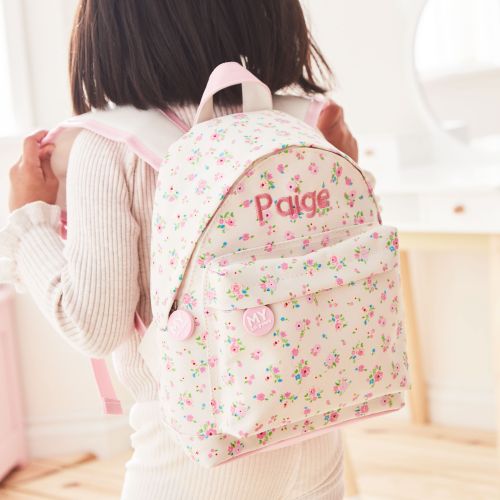
A suitable toddler backpack should sit comfortably on a small frame without looking oversized or pulling backwards when it is packed. Check the product listing for current sizing, then compare the bag with your child’s proportions rather than choosing by age alone. The shoulder straps should be adjustable so the bag can sit securely, while padding can make carrying more comfortable. A top or grab handle is useful when an adult needs to lift the bag, and when your toddler is learning to pick it up independently.
A classic mini is often the clearest starting point for a first backpack: compact, straightforward and suited to short trips or a typical set of toddler essentials. For more guidance on comparing shapes and sizes, see the My 1st Years Backpack Buying Guide. Always check the individual listing for the most up-to-date sizing and care information.


Choose the shape around the day: classic mini, compartment mini or roomier style
Think in terms of the load your toddler will carry, not the maximum space available. For a short outing, a classic mini may be all you need for a drink, snack, wipes and a small toy. For nursery or preschool, allow for the items the setting asks families to bring, which may include spare clothes as well as food and comfort items. If you routinely separate snacks from toys or want a dedicated place for a drink, a compartment mini can make the daily routine easier.
A roomier backpack can be useful when the child’s genuine essentials take up more space, but bigger is not automatically better. An over-large bag can encourage overpacking and may be harder for a toddler to carry. Try a simple test: lay out what the child needs for the specific routine, then choose the smallest style that accommodates it without forcing the zip or cramming the compartments.


Check the everyday features you will actually use
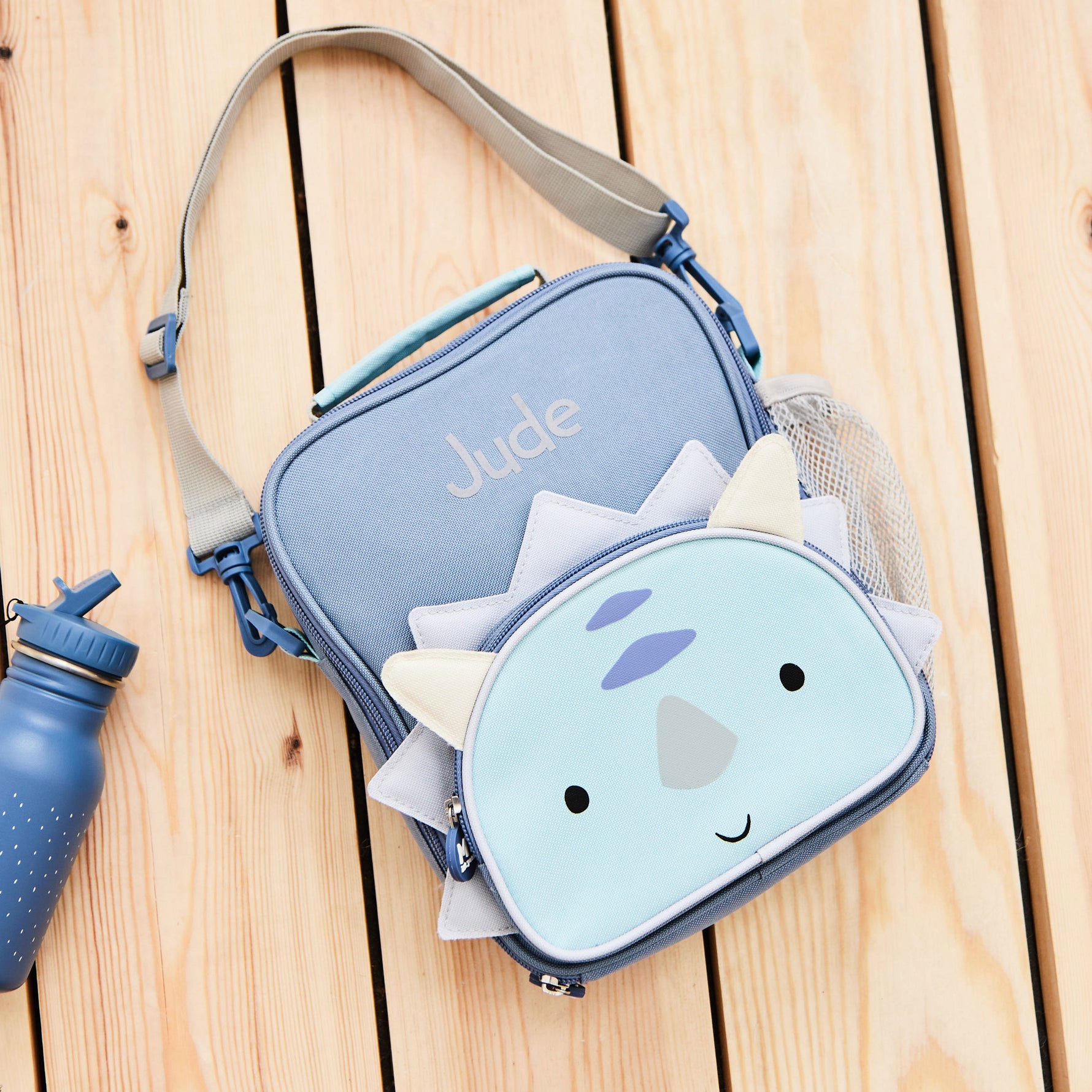
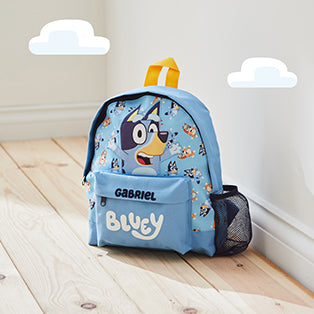
Toddlers benefit from a backpack that is easy to understand at a glance. A zipped main compartment can hold the larger essentials, while a front pocket keeps small treasures or frequently used items within reach. If your child carries a drink every day, a side water bottle holder can reduce rummaging. An insulated pocket may be helpful when snacks need their own place, but it is only worth prioritising if that matches your routine.
Opening matters too. Look for access your child can practise using, without so many sections that finding one small item becomes frustrating. Reflective detailing can be useful on everyday walks and in lower light, while a top handle or grab handles help with lifting, hanging and handover at nursery. These features support independence, but they do not replace adult supervision near roads or in busy places.
Toddler backpack checklist
- Adjustable shoulder straps that can be set for your child’s frame, with padding where offered.
- A top or grab handle for adults, nursery handovers and practising independent carrying.
- A main compartment sized for the real essentials, without needing to overfill it.
- A front pocket for small items such as a comforter, wipes or a favourite toy.
- A side water bottle holder if your child carries a drink on most outings.
- An insulated pocket if keeping snacks separate is genuinely useful for your nursery routine.
- Reflective detailing if the backpack will be used on regular walks or in lower light.
- A design and name detail your child can recognise, alongside any labelling rules from the nursery.

Match the backpack to nursery days and lighter outings
For a short family outing, prioritise lightness, easy access and just enough room for a drink, snack, wipes and a small toy. Your toddler may carry the bag for part of the journey and ride in the pram for the rest, so a compact shape and a useful handle can matter more than extra capacity.
A nursery or preschool routine may call for a change of clothes and more dependable organisation. A classic mini with a practical front pocket can suit a straightforward load, while a compartment mini may help when you want a separate place for a drink or snacks.
The Personalised Transport Print Classic Mini Backpack is described as fitting little shoulders and having adjustable padded straps, a top handle and an additional front pocket. Check its individual listing for current sizing and care information before buying.
If separated storage is particularly useful, the Personalised Core Pink Spot Mini Compartment Backpack is described with a main compartment, front pocket, side water bottle holder, adjustable straps with reflective detailing and a lower insulated pocket. These features are specific to that product, so check the listing before buying.


Personalisation, visibility and practical care
A personalised toddler backpack can feel special and may make ownership clearer, particularly when several children have similar belongings. It should still be considered alongside your nursery’s labelling requirements and your family’s preferences about displaying a child’s name. Personalisation alone does not guarantee identification or safety, so use any additional labels or instructions the setting requests.
The Personalised Big Name Grey Cord Mini Backpack is positioned for pram walks and nursery, with adjustable straps, reflective strips, grab handles and a front pocket. That combination may suit a child whose routine includes regular walks and quick handovers. For day-to-day living, also check how the bag opens, whether the contents can be removed without emptying everything, and the product listing’s current care guidance. A backpack that can be stored neatly and kept looking presentable is more likely to become a dependable favourite.
The right toddler backpack fits your child and suits your routine. Start with a child-sized fit, adjustable straps and a manageable load. Then choose the simplest organisation that supports your day: a classic mini for straightforward carrying, a compartment mini for separated snacks and drinks, or a roomier style when your child’s genuine essentials call for it.
Before you buy, check the current product listing for sizing and care information, compare the features with your nursery’s requirements and consider whether personalisation, reflective details or extra pockets will be useful in real life. With those checks made, you can choose a practical keepsake for nursery, playdates and adventures beyond the front door.
FAQ
How can I tell whether the straps are adjusted properly?
The backpack should sit securely against your child rather than hanging away from their back or pulling backwards. Adjust both shoulder straps evenly, then reassess the fit with the usual contents inside. If it still looks oversized or awkward, review the product’s current sizing before buying.
What should I do if my toddler struggles with the zip?
Practise opening the main compartment when the bag is empty, then add only the everyday essentials. If the zip is still difficult to reach or the contents catch when the bag is opened, choose a simpler layout or reduce what your child is expected to carry.
How can I check a backpack will work with our nursery’s rules?
Ask the nursery what needs to be carried, how belongings should be labelled and whether there are preferences about food, drinks or spare clothing. Use those answers to compare the bag’s compartments and personalisation with the setting’s routine before ordering.
When should I reconsider the backpack we already have?
Review it when your child’s routine changes, such as starting nursery, carrying a drink independently or needing spare clothes. A bag may no longer be suitable if the daily load no longer fits comfortably, the layout causes regular frustration or your child has outgrown its proportions.
How can I keep the bag organised without making it too heavy?
Give each regularly used item a consistent place and remove anything that is not needed for that particular outing. Packing the bag for the routine rather than filling every compartment helps you notice when the chosen style is no longer the right size.
What should I check on the product page before buying?
Confirm the current sizing, listed features and care guidance for the individual backpack. Product details can vary between classic mini, compartment mini and roomier styles, so use the listing to confirm that the design matches your child’s routine.


